
Can You Sue A Video Game Creator Or Company? Key Legal Steps
Understand when problems with video games become legal claims, and what it takes to sue a game creator or publisher successfully.
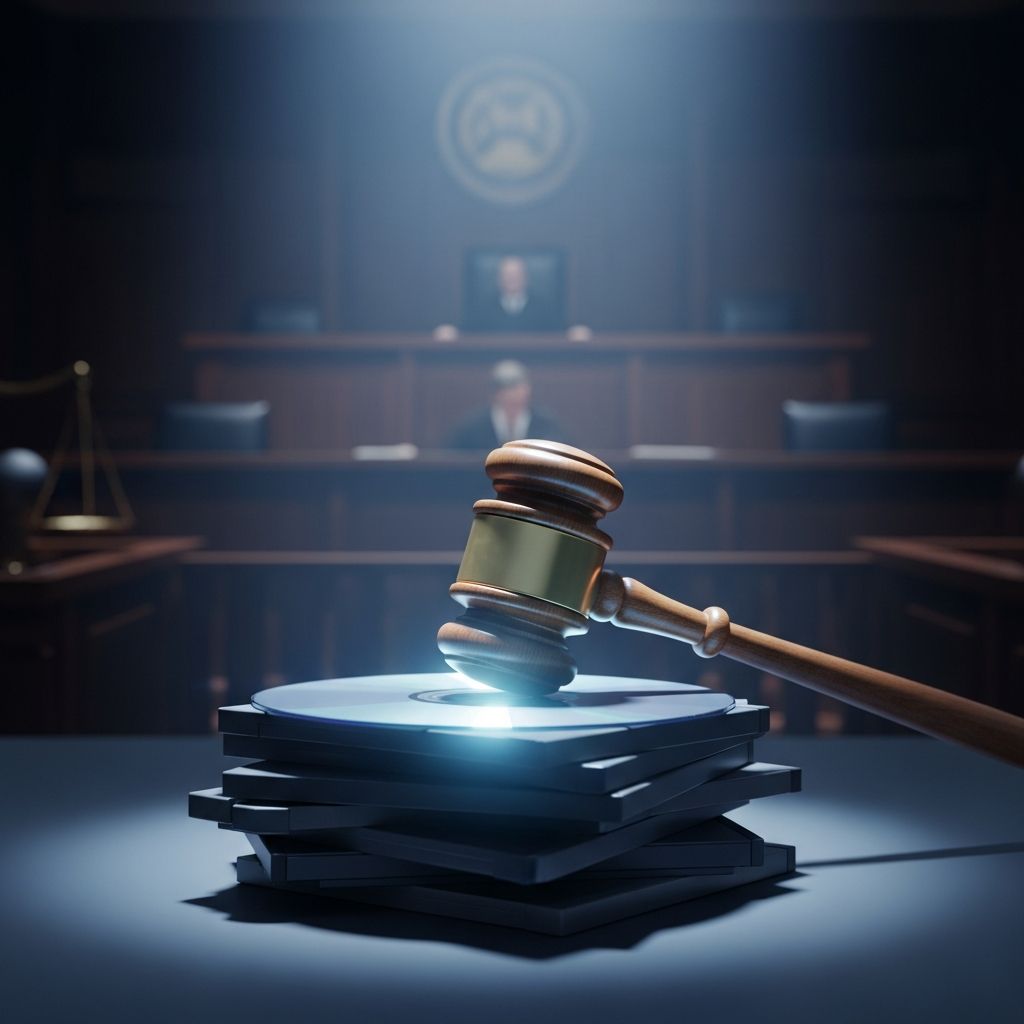
Video games are now complex online services involving software, virtual items, data collection, and real money. When something goes wrong, many players ask: can I sue the game creator or publisher? The answer is: sometimes. Lawsuits against video game companies are possible, but they depend on the facts, the contracts you agreed to, and the type of harm you suffered.
This guide explains common legal theories used against video game companies, what courts usually require, and practical steps to take before you decide to sue.
1. How Video Games Create Legal Relationships
Every time you install or log in to a game, you create a legal relationship with the game provider. That relationship is mostly defined by digital contracts and consumer protection law.
- End User License Agreement (EULA): Sets rules for how you may use the software and often limits the company’s liability.
- Terms of Service (ToS): Covers accounts, online conduct, virtual currency, community rules, and dispute procedures.
- Privacy Policy: Explains what data is collected, how it is used, and your rights under privacy laws.
- Refund and billing terms: Govern chargebacks, subscription cancellations, and digital purchase refunds.
Courts in the United States frequently enforce “click-wrap” or “browse-wrap” agreements when users have a clear opportunity to read and accept them, even if most people never do so in practice.
2. Common Legal Claims Against Video Game Companies
When players sue game creators or publishers, they typically rely on one or more of the following legal theories.
2.1 Contract and Billing Disputes
Contract claims focus on the idea that the company did not do what it promised, or charged more than allowed.
- Broken game promises: Marketing or in-game descriptions that promise specific features, content, or rewards that never appear or are materially different.
- Unfair subscription practices: Auto-renewals that are hard to cancel, undisclosed fees, or continued charges after cancellation.
- Unauthorized in-game purchases: Children making purchases without a parent’s informed consent, or purchases resulting from confusing interface design.
Regulators like the U.S. Federal Trade Commission (FTC) and European Commission have pursued cases when games made it too easy for children to incur in-app charges without parental approval or used dark patterns to push spending.
2.2 Product Defects and Safety Issues
Although video games are digital, they are still treated as products in many legal systems, and product liability rules may apply.
- Defective design: Game mechanics or systems that allegedly create unreasonable risks, such as extreme psychological harms from addictive design.
- Defective warnings: Failure to warn about foreseeable risks like seizures in photosensitive users, or excessive gaming risks.
- Defective performance: Rarely, software defects that cause physical harm, such as inducing motion sickness or falls with VR headsets.
For a product liability claim, plaintiffs usually must show a defect, causation, and actual damages, not just annoyance or mild frustration.
2.3 Video Game Addiction and Mental Health Harm
Some recent lawsuits allege that game companies intentionally design games to maximize addiction, particularly among minors, by using variable reward schedules, time-limited events, and microtransactions.
Potential claims may involve:
- Negligent design: Designing features that foreseeably cause compulsive use in vulnerable groups.
- Failure to warn: Not warning about risks of excessive play or internet gaming disorder.
- Unfair or deceptive practices: Marketing games as harmless entertainment while allegedly knowing they are engineered for compulsive engagement.
The World Health Organization has recognized “gaming disorder” as a diagnosable condition characterized by impaired control over gaming and continued gaming despite negative consequences. However, courts are still developing legal standards in this area, and many cases are dismissed or settled early.
2.4 Data Privacy and Security Violations
Online games constantly collect player data. When that data is mishandled or breached, legal exposure can arise.
- Children’s privacy violations: Collecting personal information from children under 13 without parental consent can violate the U.S. Children’s Online Privacy Protection Act (COPPA).
- Security failures: Poor cybersecurity leading to theft of user data, payment information, or account credentials.
- Misleading privacy statements: Saying data is used only for gameplay but then sharing it for unrelated advertising or analytics.
Both U.S. and EU regulators have enforced significant penalties against companies, including game platforms, for mishandling children’s data or failing to honor privacy commitments.
2.5 Misleading or Predatory Monetization
Many modern games rely on microtransactions, loot boxes, and other monetization tools. Legal claims sometimes allege that these systems cross the line into deceptive or illegal conduct.
- Loot boxes and gambling laws: In some jurisdictions, randomized paid rewards have been scrutinized under gambling or consumer law.
- Dark patterns: Interface tricks that exploit users’ psychology to obtain consent or payments they might not otherwise give.
- Targeting minors: Presenting premium items in ways that pressure children to buy, or obscuring real-world costs behind virtual currencies.
3. What You Must Prove to Win a Case
Having a bad experience is not enough. To succeed in a lawsuit against a video game company, most plaintiffs must prove three core elements.
| Element | What It Usually Means | Example in Gaming Context |
|---|---|---|
| 1. Legal Duty or Promise | The company owed you an obligation (from a contract, statute, or general duty of care). | Terms promising certain features, or privacy laws requiring parental consent for children’s data. |
| 2. Breach | The company failed to meet that obligation. | Removing a paid feature without disclosure, allowing children to make purchases with no safeguards. |
| 3. Damages and Causation | You suffered real, measurable harm caused by the breach. | Therapy bills for gaming disorder, large unauthorized charges, identity theft after a data breach. |
Courts are less likely to compensate for general disappointment (“the game is boring now”) and more likely to consider claims involving financial loss, serious emotional distress, or physical injury.
4. Limitations Hidden in Game Contracts
Many players are surprised by how much power game companies give themselves in their contracts. These clauses often shape what kind of lawsuit is possible.
4.1 Arbitration Clauses
Most large platforms and publishers require disputes to be resolved through binding arbitration rather than in a public court. The U.S. Supreme Court has repeatedly upheld arbitration agreements, even in consumer settings, as long as they are not unconscionable.
- You may be barred from filing a regular court lawsuit.
- You may have to pursue a claim in a private arbitration forum, often individually rather than as a class.
- Some companies offer an opt-out window when you first accept the terms; if you missed it, the clause usually still applies.
4.2 Class-Action Waivers
Class-action waivers prevent groups of players from joining together in one big lawsuit. Courts have frequently enforced these waivers when bundled into arbitration clauses.
- Small claims may be economically impractical to pursue alone.
- Some jurisdictions outside the U.S. restrict or disfavor such waivers, creating different outcomes internationally.
4.3 Liability Disclaimers and Warranty Limits
Game contracts often attempt to:
- Disclaim implied warranties (such as fitness for a particular purpose).
- Limit total damages to the amount you paid for the game or recent purchases.
- Exclude liability for “consequential” damages like lost time or emotional distress.
These clauses are not always enforceable—consumer protection laws may override them in certain cases—but they can significantly narrow potential recovery.
5. Evidence That Strengthens or Weakens a Case
Even if you have a plausible legal claim, you need evidence. The stronger your documentation, the more seriously a lawyer or court will take your complaint.
5.1 Helpful Evidence
- Copies of terms: Screenshots or saved PDFs of the EULA, ToS, and privacy policy in effect when you created your account or made key purchases.
- Billing records: Invoices, bank statements, or platform receipts showing how much you spent and when.
- Communication logs: Support tickets, emails, and chat logs with customer service.
- Medical documentation: For addiction or mental health claims, records of diagnosis, treatment, and professional opinions linking the harm to gaming behavior.
- Screenshots or recordings: Promotional materials, in-game screens, or settings pages that show representations made by the company.
5.2 Common Weaknesses
- No measurable loss: Disliking game balance changes, nerfs, or story choices typically does not create a legal claim.
- Ignoring parental controls: If strong parental tools existed and were not used, companies may argue they took reasonable care.
- Time-barred claims: Waiting too long to act can run into statutes of limitations, which vary by jurisdiction.
6. Practical Steps Before You Sue
Because lawsuits and even arbitrations can be expensive and time-consuming, many players start with lower-conflict options.
- Read the current terms carefully: Confirm what dispute process you agreed to and any deadlines for asserting claims.
- Contact customer support: Clearly document your issue and requested resolution (refund, account restoration, removal of charges, etc.).
- Use platform protections: For credit or debit card charges, consider a dispute or chargeback through your bank if appropriate.
- File a consumer complaint: In some regions, you can complain to consumer protection authorities or data protection regulators, especially for privacy or children’s issues.
- Consult an attorney: If the financial or health impact is serious, speak with a lawyer experienced in technology or consumer law to evaluate your options.
7. Special Considerations for Parents and Minors
When children are involved, courts and regulators often take a closer look at how games are designed and marketed.
- Capacity to agree: In many legal systems, minors cannot fully bind themselves to complex contracts in the same way adults can, which may affect the enforceability of EULAs and waivers.
- Parental consent: Laws like COPPA require verifiable parental consent before collecting personal data from young children.
- Duty of care toward children: Aggressive monetization mechanics, loot boxes, or social pressure features directed at minors may be scrutinized more harshly.
- Evidence of harm: School performance records, counseling notes, and medical evaluations can be important in addiction-related claims.
8. Frequently Asked Questions
Q1: Can I sue a game company just because they changed or shut down a game?
Usually not. Most terms of service explicitly state that features, balance, and even full access can change or end at any time, often without compensation. Unless the company clearly promised ongoing access for a specific period or misrepresented what you were buying, courts often treat access as a revocable service.
Q2: What if my child spent a lot of money without my permission?
You may have options. Some payment providers and platforms allow charge disputes for unauthorized purchases, especially when children used devices without proper consent. Regulatory actions in the U.S. and EU have criticized games that made it too easy for children to incur charges, and companies have been required to provide refunds in some cases. An attorney can evaluate whether a contract or consumer protection claim is feasible.
Q3: Is video game addiction recognized enough to support a lawsuit?
Gaming disorder is now formally recognized by the World Health Organization, and some courts have seen lawsuits alleging addiction harms. However, the legal standards are still developing. Strong cases usually involve a professional diagnosis, clear documentation of harms (such as lost education or employment), and specific evidence linking those harms to game design choices.
Q4: Can I join a class-action lawsuit against a game company?
Sometimes. There have been class actions over issues like deceptive advertising, in-app purchases by children, and data breaches affecting millions of users. But many EULAs include class-action waivers and arbitration clauses that push disputes into individual arbitration.
Q5: Do I need a lawyer, or can I file on my own?
For very small claims, you may be able to use small-claims court or a consumer dispute process without a lawyer. For complex issues—especially addiction, data privacy, or large financial losses—an attorney with technology or consumer law experience is strongly recommended. They can interpret contracts, jurisdiction clauses, and regulatory options that are hard to navigate alone.
References
- Nguyen v. Barnes & Noble Inc. — U.S. Court of Appeals for the Ninth Circuit. 2014-08-18. https://casetext.com/case/nguyen-v-barnes-noble-inc
- Bringing Dark Patterns to Light — U.S. Federal Trade Commission. 2022-09-15. https://www.ftc.gov/reports/bringing-dark-patterns-light
- Consumer protection in online video games — European Commission. 2014-02-27. https://ec.europa.eu/commission/presscorner/detail/en/IP_14_187
- Video Game Addiction — Hach & Rose, LLP. 2024-01-05. https://www.unionlawfirm.com/video-game-addiction/
- Video Game Addiction Lawsuit — Oberheiden P.C. 2023-11-10. https://federal-lawyer.com/injury-lawsuit/video-game-addiction/
- International Classification of Diseases 11th Revision (ICD-11), Gaming disorder — World Health Organization. 2019-05-25. https://icd.who.int/browse11/l-m/en#/http://id.who.int/icd/entity/1448597234
- Children’s Online Privacy Protection Rule (COPPA) — U.S. Federal Trade Commission. 2013-07-25 (updated guidance). https://www.ftc.gov/legal-library/browse/rules/childrens-online-privacy-protection-rule-coppa
- AT&T Mobility LLC v. Concepcion — U.S. Supreme Court. 2011-04-27. https://supreme.justia.com/cases/federal/us/563/333/
Similar Articles








Read full bio of Sneha Tete


