
When Can a Landlord End a Lease Without a Reason?
Understand when landlords can refuse renewal or terminate a lease, and the legal limits that protect tenants from unfair or illegal eviction.
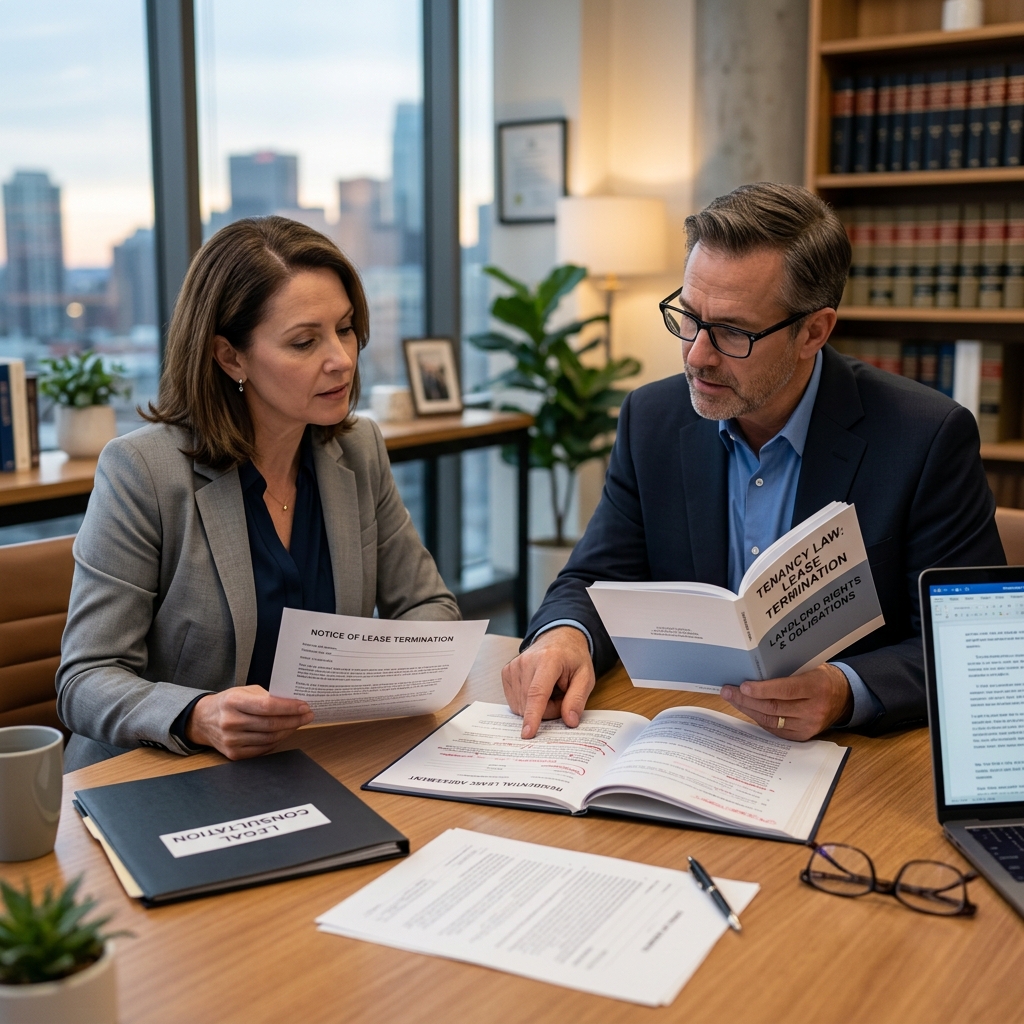
Many renters are surprised to learn that, in some situations, a landlord can decide not to continue a lease without giving any explanation. In other situations, ending a tenancy requires a legally valid reason and strict compliance with notice and eviction rules. This article explains the difference between lawful nonrenewal and illegal or improper termination, and outlines the protections tenants have under landlord-tenant law.
Fixed-Term vs. Periodic Tenancies: Why the Type of Lease Matters
Whether a landlord needs a reason to end your tenancy often depends on the kind of agreement you have. Two broad categories dominate residential leasing:
- Fixed-term leases (for example, a one-year lease starting on January 1 and ending on December 31)
- Periodic tenancies (for example, month-to-month, week-to-week, or other automatically renewing arrangements)
These structures lead to very different rules about when the landlord must justify termination.
Fixed-Term Leases
In a fixed-term lease, the tenant has the right to occupy the property for the full term as long as they comply with the agreement and applicable law. During the lease term:
- The landlord usually cannot end the lease early without a legally valid reason such as nonpayment of rent or a serious lease violation.
- At the end of the term, the landlord is generally not obligated to renew or offer another lease and may let the lease expire without giving a reason, unless specific laws or agreements say otherwise.
Periodic Tenancies
In a periodic tenancy, the agreement continues to renew at each interval until either party gives proper notice to end it. Common examples include:
- Month-to-month rental where rent is due on the first of each month and the tenancy renews monthly.
- Week-to-week rental where rent is due weekly and the tenancy renews every week.
In many jurisdictions, either the landlord or the tenant can terminate a periodic tenancy without stating a reason, provided legally adequate written notice is given before the next rental period.
| Lease Type | During Term | At End of Term | Notice Typically Required |
|---|---|---|---|
| Fixed-Term Lease | Reason usually required (e.g., nonpayment, violation) | Landlord often may decline renewal without reason | 30–60 days before expiration, depending on state law and lease terms |
| Month-to-Month Tenancy | Either party can end for any lawful reason or no reason | Not applicable; tenancy renews until properly ended | Often 30 days’ written notice; some states require longer or equal notice periods for landlords and tenants |
| Week-to-Week Tenancy | Either party may terminate without cause | Not applicable; tenancy renews weekly | Commonly 7 days’ written notice prior to a rent due date |
Nonrenewal vs. Termination: Understanding the Legal Distinction
Landlord-tenant law draws a critical distinction between simply not renewing a lease and actively terminating an existing one. These are not interchangeable concepts.
Nonrenewal at the End of a Lease Term
Nonrenewal occurs when the lease reaches its contractual end date and the landlord chooses not to enter into a new agreement. Key features include:
- The tenant’s right to occupy the unit ends when the lease expires, unless the lease or statute grants additional rights.
- In most states, a landlord may decline to renew without offering a reason, as long as the decision is not based on illegal discrimination or retaliation.
- Many jurisdictions require the landlord to provide written advance notice of nonrenewal, commonly 30 to 60 days before the lease ends.
Termination of an Existing Lease
Termination is different: it is an attempt to end the tenancy before the lease would otherwise expire. Termination usually requires:
- A legally recognized reason, such as nonpayment of rent, significant property damage, criminal activity, or other material breach of the lease.
- Compliance with state-specific notice and eviction procedures, which often include a written notice to quit followed by court proceedings if the tenant does not leave voluntarily.
Simply deciding mid-lease to remove a tenant, without cause and without following proper legal steps, exposes the landlord to potential claims for wrongful eviction and damages.
When a Landlord Usually Can End a Tenancy Without Giving a Reason
Although the law protects tenants from arbitrary or abusive eviction, it still allows landlords some discretion, particularly at natural transition points in the lease.
End of a Fixed-Term Lease
At the conclusion of a fixed-term lease, landlords typically may:
- Decline to renew or extend the lease without explaining why.
- Offer a new lease on different terms, such as a higher rent or shorter duration, subject to local rent control and other regulations.
However, the landlord’s choice must remain within legal boundaries: nonrenewal cannot be used as a pretext for discrimination, retaliation, or violation of local tenant-protection ordinances.
Ending a Month-to-Month or Other Periodic Tenancy
In many states, either party can end a periodic tenancy without cause, provided they give proper notice. Typical patterns include:
- Thirty days’ written notice in a month-to-month tenancy, often timed to coincide with the rental due date.
- Seven days’ written notice for a weekly tenancy.
Some jurisdictions require that the landlord’s notice period be at least as long as the tenant’s, to avoid imbalance and surprise terminations.
When a Landlord Must Have a Valid Reason
There are important circumstances in which a landlord cannot simply end a tenancy for no reason, even if they are dissatisfied or wish to use the property differently.
During an Active Fixed-Term Lease
Generally, while a fixed-term lease is in effect and the tenant is complying with its terms:
- The landlord may not terminate early without cause, except where the lease itself expressly allows it in limited situations or where specific statutes authorize termination.
- Attempting to break the lease without cause can give the tenant grounds to claim breach of contract and pursue rent abatement, damages, or other remedies.
Where Just-Cause or Rent Control Laws Apply
Some cities and states have adopted just-cause eviction laws, often in combination with rent control or strong tenant protections. In those jurisdictions:
- Landlords may be required to state a legally recognized reason even for nonrenewal at the end of a fixed term.
- Reasons may be limited to categories such as serious lease violations, owner move-in, substantial renovation, or withdrawal of the unit from the rental market.
Because just-cause rules vary widely, tenants should review local ordinances or consult a qualified attorney to determine whether such protections apply in their area. This explanation is based on general trends in housing regulation rather than a specific cited statute.
Limits on Landlord Discretion: Discrimination and Retaliation
Even where a landlord technically does not need to provide a reason, the law restricts certain motives and patterns of behavior.
Anti-Discrimination Protections
Federal and state fair housing laws prohibit landlords from making decisions about tenancy based on protected characteristics such as race, color, religion, sex, national origin, disability, and familial status. If a landlord refuses to renew, terminates, or otherwise treats a tenant differently because of a protected trait, that action may amount to illegal discrimination.
- A landlord cannot end a lease because a tenant has children, or belongs to a particular racial or ethnic group.
- Policies that appear neutral but disproportionately affect a protected group may also be scrutinized under fair housing law.
Protection Against Retaliation
Many state statutes forbid landlords from retaliating against tenants who exercise these legally protected rights:
- Requesting repairs or enforcing habitability standards.
- Reporting health and safety violations to building or housing authorities.
- Joining or organizing a tenant association.
If a landlord issues a termination or nonrenewal notice shortly after such activity—particularly with no prior history of problems—the timing may suggest retaliation. Some laws create a presumption of retaliation if adverse action follows quickly after a tenant’s protected complaint, shifting the burden to the landlord to show a legitimate reason.
Notice Requirements: How Much Warning Is Required?
Regardless of whether a reason is needed, landlords usually must comply with specific notice rules when ending tenancies. These rules can be found in state statutes and sometimes in local ordinances.
Typical Notice Periods
- Fixed-term leases: 30 to 60 days’ notice of nonrenewal is common, often required by statute or by the lease itself.
- Month-to-month tenancies: Often 30 days’ written notice before the next rent due date.
- Week-to-week tenancies: Frequently 7 days’ written notice.
Some states require the notice period given by a landlord to be at least as long as the period a tenant must provide to end the tenancy, ensuring that the landlord cannot surprise the tenant with shorter deadlines.
Form and Delivery of Notice
Housing laws often specify how notice must be delivered:
- Written notice is almost universally required, even for oral month-to-month arrangements.
- Permitted methods may include personal delivery, certified mail, or other written modes the parties regularly use to communicate.
Tenants should carefully read any notice, confirm the effective date, and consider seeking legal advice if the notice appears defective or retaliatory.
Special Statutory Protections for Tenants Ending a Lease
While this article focuses on when landlords can terminate, many laws also provide ways for tenants to end a lease early for good cause—often without penalty. These rules can indirectly affect termination disputes.
Habitability and Health & Safety Issues
In most states, landlords must maintain rental properties in a condition that does not materially endanger tenants’ health or safety. Where serious habitability violations persist:
- Tenants may demand repairs in writing and, if the landlord fails to act within a reasonable period, gain the right to terminate the lease.
- The concept of “materially affecting the physical health or safety” is codified in some states’ property codes.
Domestic Violence, Sexual Abuse, and Stalking
Many jurisdictions allow survivors of domestic violence, sexual assault, or stalking to terminate leases early to protect their safety.
- Tenant may give written notice of intent to move out due to abuse, often with shorter required notice (for example, 14 or 30 days).
- The notice usually must be supported by documentation such as court orders, police reports, or statements from qualified professionals.
These protections highlight that termination rights and obligations are often intertwined, and tenants facing safety risks should explore these specific statutes.
Practical Steps for Tenants Facing Termination or Nonrenewal
Tenants who receive a termination or nonrenewal notice should respond strategically and promptly. The following steps can help protect your rights and minimize disruption.
- Review your lease carefully to understand the term, renewal provisions, and any clauses about early termination.
- Check local law for notice requirements, just-cause rules, and special protections relating to discrimination or retaliation.
- Document communications with the landlord, including emails, letters, and texts, in case a dispute arises.
- Seek legal help from a legal aid organization, law school clinic, or private attorney if you suspect the termination is unlawful or retaliatory.
If the landlord appears willing to negotiate, open communication may yield more time to move, relocation assistance, or other practical solutions, even when they technically have the right to end the tenancy.
FAQs: Common Questions About Landlords Ending Leases
1. Can my landlord end my lease early without any reason?
During a fixed-term lease, most landlords cannot terminate early without a legally valid reason, such as nonpayment or serious breach of the lease. Ending a lease mid-term “just because” is typically a breach of contract by the landlord.
2. Is my landlord required to renew my lease when it expires?
Generally, no. At the end of a fixed-term lease, landlords are not required to renew unless a statute or contract provision obligates them to do so. They may allow the lease to expire and require you to move, even without giving a reason, provided they are not engaging in discrimination or retaliation.
3. How much notice does a landlord have to give before ending a month-to-month tenancy?
Many states require at least 30 days’ written notice before terminating a month-to-month tenancy, timed before a rent payment date. Local rules may grant more time or impose additional conditions.
4. What if I think the nonrenewal is discriminatory or retaliatory?
If you believe your landlord ended your tenancy because of your race, religion, disability, family status, or another protected characteristic—or because you requested repairs or reported violations—consult a fair housing agency or attorney. Anti-discrimination and anti-retaliation laws may allow you to challenge the landlord’s actions and seek remedies.
5. Do I have to move if the landlord’s termination notice is legally defective?
If the landlord fails to provide the required notice or uses an improper form or timeline, you may have defenses in court. However, you should not simply ignore the situation; instead, seek legal advice immediately to understand your options and obligations.
References
- Does the Landlord Need a Reason to Terminate the Lease at the End of the Term? — FindLaw. 2023-09-07. https://www.findlaw.com/realestate/landlord-tenant-law/can-my-landlord-terminate-lease-without-reason.html
- Lease Termination: Ending Your Lease — TexasLawHelp.org. 2023-08-01. https://texaslawhelp.org/article/lease-termination-ending-your-lease
- Ending the Lease – Landlord/Tenant Law — Texas State Law Library. 2024-02-15. https://guides.sll.texas.gov/landlord-tenant-law/ending-the-lease
- Termination and Modification of Tenancy — Maryland People’s Law Library. 2023-05-10. https://www.peoples-law.org/termination-and-modification-tenancy
- Ending the Tenancy – Landlords & Tenants — Minnesota Attorney General’s Office. 2024-03-01. https://www.ag.state.mn.us/consumer/handbooks/lt/CH3.asp
- Breaking a Lease — Coalition on Homelessness and Housing in Ohio (COHHIO). 2022-11-30. https://cohhio.org/support/tenant-rights/breaking-a-lease/
- Can a Landlord Break a Lease? Early Termination Guide — MRI Software Blog. 2023-06-12. https://www.mrisoftware.com/blog/can-landlord-break-lease-when-how-terminate-lease-early/
Similar Articles








Read full bio of Sneha Tete


