
When Cameras Catch Bad Neighbors: Rights, Risks, and Remedies
How modern surveillance, neighbor disputes, and the law collide when bad behavior is captured on camera.
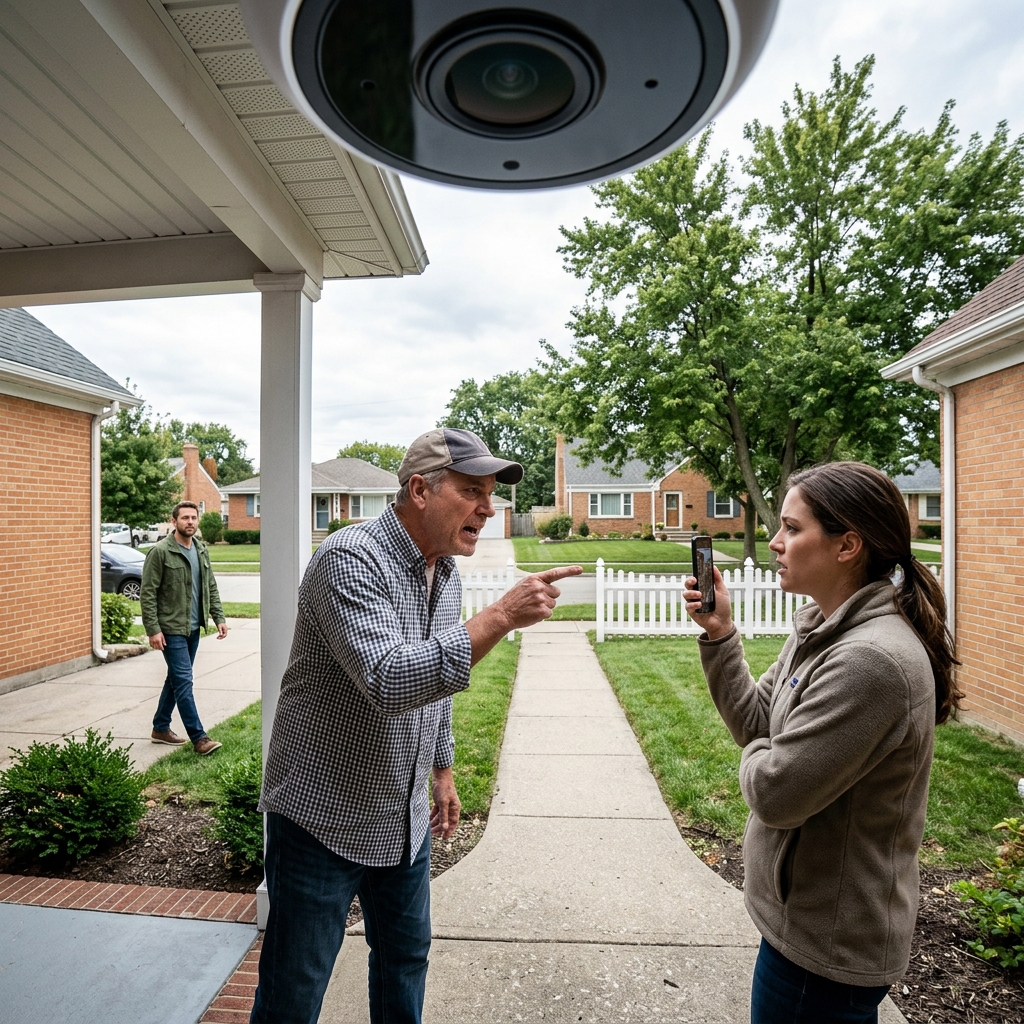
Doorbell cameras, driveway recorders, and backyard security systems are capturing more than package thieves: they are also documenting
neighbors behaving badly
. From vandalism and harassment to boundary disputes, video recordings now play a central role in how many neighborhood conflicts start, escalate, and sometimes get resolved.This article uses the idea of neighbors caught on camera as a starting point to explore the legal and practical landscape: what you may lawfully record, how footage can be used, what privacy limits apply, and which steps to take if your neighbor’s conduct—documented on video—crosses the line.
Why Neighbor Disputes Are Increasingly “On Camera”
Home surveillance has become common in residential neighborhoods. Affordable technology and concerns about crime have led many homeowners to install cameras that inevitably also capture their neighbors’ activities.
- Widespread adoption of consumer cameras: Millions of households now use devices like video doorbells and Wi-Fi security systems, often pointing toward shared driveways, sidewalks, or streets.
- Easy cloud storage and sharing: Footage can be saved automatically and shared with law enforcement or on social media within minutes.[10]
- Documentation of misconduct: Behavior that previously would have been “your word against theirs” is now captured as video evidence, changing how police, insurers, and courts view disputes.
As a result, acts like keying a car, removing signs, yelling threats, or trespassing on a neighbor’s property are more likely to be recorded and potentially used as evidence in legal proceedings.
What Can You Legally Record Around Your Home?
The legality of home surveillance depends mainly on two factors: where the camera is placed and what it captures. In many U.S. jurisdictions, you are generally allowed to record video of areas where people do not have a reasonable expectation of privacy.
Commonly Permitted Recording Areas
- Your own property (yards, driveways, doorways)
- Public spaces visible from your property (streets, sidewalks)
- Shared access areas like walkways or parking lots, provided recording is not used for unlawful harassment
Courts and law enforcement often treat such spaces as locations where privacy expectations are limited, making video surveillance generally acceptable when used for security.
Areas Where Recording May Be Unlawful or Risky
- Inside a neighbor’s home, including through windows or glass doors
- Bathrooms, bedrooms, or changing areas where privacy expectations are high
- Spaces specifically protected by state privacy laws, such as areas where recording may constitute unlawful “voyeurism” or invasion of privacy
Several states have criminal statutes against secretly recording people in places where they reasonably expect privacy, even if the recording occurs from outside the property. Installing cameras that clearly intrude into such spaces can create both civil and criminal exposure.
Audio Recording and Consent Requirements
Video and audio are treated differently under many laws. U.S. federal law and most states allow recording conversations you are part of, but some jurisdictions require all-party consent for audio recording.
| Type of Recording | Typical Legal Rule | Risk Level |
|---|---|---|
| Video of your yard/driveway | Often allowed if it doesn’t intrude on private spaces | Low |
| Video of neighbor’s windows/inside home | Can be considered invasion of privacy or unlawful surveillance | High |
| Audio of conversations on your property | Depends on state; consent rules vary | Medium |
| Posting footage online mocking a neighbor | May raise defamation, harassment, or privacy issues | Medium–High |
Because audio rules are often stricter than video, homeowners should check their state’s wiretap and recording statutes before relying on audio from their cameras.
When Your Neighbor’s Misconduct Is Caught on Camera
Many conflicts involve allegations of damage or harassment that are difficult to prove. Video recordings can change that by documenting events clearly enough for law enforcement or a judge to evaluate.
Types of Misconduct Frequently Captured
- Property damage: scratching or denting cars, breaking outdoor lights, tearing down fences or signs
- Trespass and interference: entering your property without permission, blocking driveways, moving boundary markers
- Harassment and threats: verbal abuse, intimidation, or patterns of nuisance behavior
Such footage can be persuasive in a police report, small claims case, restraining order application, or insurance claim, particularly when accompanied by timestamps and consistent documentation.
Initial Steps If You Capture Misconduct
- Preserve the footage by downloading and securely storing it in multiple locations.
- Document the incident with a written description, including date, time, and any witnesses.
- Avoid public posting until you understand the legal implications and potential impact on future proceedings.
- Consider a calm, written notice to your neighbor summarizing the issue, if safety allows.
If the behavior involves threats of violence, repeated harassment, or substantial property damage, contacting law enforcement early and providing them with the video is often recommended.
How Police and Courts View Home Surveillance Footage
Video recordings are commonly used in both criminal and civil cases. While rules of evidence vary by jurisdiction, courts often accept home surveillance footage if it can be authenticated and was obtained lawfully.
Police Use of Private Camera Footage
Law enforcement agencies increasingly request or accept footage from private cameras to investigate incidents ranging from theft to assault and vandalism.[10] Officers may ask for copies, and in some communities, voluntary camera registration programs exist to streamline that process.
To be useful, footage should:
- Clearly show the conduct or person involved
- Include accurate timestamps and, where possible, location information
- Be accompanied by a statement from the owner explaining how the footage was obtained
Court Considerations: Authentication and Admissibility
Civil and criminal courts typically require that video evidence be authenticated—that is, someone must testify or otherwise establish that the footage accurately depicts what occurred.
Factors courts may examine include:
- Chain of custody: how the footage was stored and whether it appears altered
- Recording conditions: camera angle, lighting, and clarity
- Consistency with other evidence: witness testimony, photographs, and physical damage
If the recording involved unlawful surveillance or violated privacy statutes, a court may exclude the evidence or give it less weight, and the person who made the recording could face separate legal consequences.
Privacy, Harassment, and the Risk of “Over-Surveillance”
While cameras can protect your property, they can also fuel conflict. A neighbor who feels constantly watched may argue that surveillance is itself a form of harassment or invasion of privacy.
Invasion of Privacy Claims
In many U.S. states, civil claims for invasion of privacy focus on whether a person had a reasonable expectation of privacy and whether the intrusion would be highly offensive to a reasonable person.
- Reasonable expectation of privacy: Usually higher inside a home or fenced yard, lower in public or visible spaces.
- Highly offensive intrusion: Continuous zoomed recording into a neighbor’s windows or backyard gatherings may raise concerns.
Recording that appears unnecessary, targeted, or obsessive can be more legally vulnerable than general security surveillance.
Harassment and Stalking Concerns
Some states have anti-stalking and anti-harassment laws that can apply when surveillance is part of a pattern of threatening or unwanted conduct. For example, repeatedly repositioning cameras to follow a neighbor’s movements or broadcasting their routines online to shame them could contribute to such claims.
- Limit your cameras to legitimate security needs.
- Avoid intentionally tracking specific individuals or targeting private spaces.
- Consider notifying neighbors that cameras are in use, especially in shared spaces.
Neighbor Conflict Toolkit: Practical Steps Before Going to Court
Not every recorded incident needs police involvement or a lawsuit. Many disputes can be managed through structured, low-escalation steps, using video as documentation rather than a weapon.
Step-by-Step Approach
- 1. Assess safety first
If the behavior involves threats, stalking, or physical violence, prioritize contacting law enforcement instead of DIY conflict resolution. - 2. Keep a written log
Maintain a dated record of incidents, including brief descriptions and whether video exists. This pattern can be important if you later seek a restraining order or pursue a civil claim. - 3. Use calm, non-accusatory communication where possible
If safe, consider a short written note or email explaining the specific problem (e.g., blocked driveway, noise after hours) and requesting a change. - 4. Consider mediation
Many communities and courts offer mediation services for neighbor disputes, allowing both parties to discuss issues with a neutral facilitator. - 5. Consult an attorney
If behavior continues or escalates, legal advice can help clarify your options and the best way to use your recordings.
Using Footage Without Escalating the Conflict
How you present video evidence can influence your neighbor’s reaction. Rather than posting clips online, it may be more effective to:
- Share still images or short segments privately during mediation or with law enforcement.
- Explain that cameras were installed for safety, not to target the neighbor personally.
- Avoid commentary that mocks or humiliates the neighbor, which can intensify hostility.
Legal Options When Video Shows Serious Misconduct
If documented behavior goes beyond minor annoyance, your footage may support formal legal action. The appropriate remedy depends on the nature of the conduct and local law.
Potential Civil and Criminal Paths
- Police report
For vandalism, theft, or threats, providing video to police can assist in criminal investigation and charges. - Protective or restraining orders
When harassment or threats persist, courts may issue orders limiting contact or proximity, often based on documented incidents. - Small claims or civil lawsuits
For property damage or interference (e.g., repeatedly blocking your driveway), video can support claims for repairs or injunctive relief. - Housing or HOA action
In condominiums, cooperatives, or HOA communities, footage can underpin complaints to governing boards that may impose fines or other sanctions, subject to their rules.
Ideally, you should review your recordings with legal counsel or a local legal aid organization to confirm both their admissibility and the most effective way to present them.
Best Practices for Responsible Home Surveillance
Balancing security and neighborly relations is possible with thoughtful camera placement and transparent communication.
Practical Guidelines
- Aim cameras at your own property and public areas rather than into a neighbor’s home or private yard.
- Use signage indicating that security cameras are in use, which can deter crime and reduce privacy concerns.
- Secure your data to prevent unauthorized access or leaks of footage.
- Limit audio recording if you live in a state with strict consent rules.
- Review and adjust camera angles periodically to minimize unnecessary coverage of neighboring properties.
Following these practices can reduce the risk of privacy disputes while still providing valuable documentation if serious neighbor problems arise.
FAQs: Neighbors, Cameras, and the Law
Can I legally share footage of my neighbor online?
Sharing footage on social media is not automatically illegal, but it may raise privacy, defamation, or harassment issues. If the video shows a private moment or is used to publicly shame someone, it can increase conflict and may have legal consequences. When in doubt, speak with a lawyer before posting.
My neighbor’s camera is pointing at my yard. Do I have any rights?
In many jurisdictions, recording areas visible from the street is allowed, but continuous recording of private spaces like bedrooms or fenced yards may be challenged as an invasion of privacy. You can request that the neighbor adjust the angle and, if the intrusion is serious, consult legal counsel about possible remedies.
What if my neighbor denies the behavior shown on video?
Disputes over what footage depicts are common. Courts and police will consider clarity, angle, and consistency with other evidence. Keeping original files, timestamps, and any witness statements improves credibility.
Do I need to tell my neighbor that I installed cameras?
You are often not legally required to provide notice, but doing so can build trust and head off misunderstandings, especially if shared spaces are visible. At minimum, clear signage can remind visitors and neighbors that recording may occur.
Can my neighbor sue me for recording them?
A neighbor may pursue an invasion of privacy or harassment claim if they believe your surveillance is targeted, excessive, or intrusive into spaces where they reasonably expect privacy. Courts will examine the purpose, placement, and extent of recording, as well as applicable state statutes.
References
- Neighbors Behaving Badly Caught on Tape — FindLaw Legal Archive. 2014-08-11. https://archive.findlaw.com/blog/neighbors-behaving-badly-caught-on-tape/
- Video Surveillance Laws — National Conference of State Legislatures. 2022-05-01. https://www.ncsl.org/technology-and-communication/video-surveillance-laws
- Electronic Surveillance and the Law — U.S. Department of Justice. 2019-01-01. https://www.justice.gov/jm/criminal-resource-manual-101-electronic-surveillance
- Neighborhood Cameras and Police Access — Bureau of Justice Assistance. 2021-06-15. https://bja.ojp.gov/program/body-worn-camera/faq
- Privacy Torts Overview — Cornell Law School Legal Information Institute. 2020-09-10. https://www.law.cornell.edu/wex/privacy
Similar Articles








Read full bio of Sneha Tete


