
911 Misuse Laws: When Multiple Calls Are Illegal And Penalties
Understanding how repeated or false emergency calls can lead to arrest, criminal charges, and lasting legal consequences.
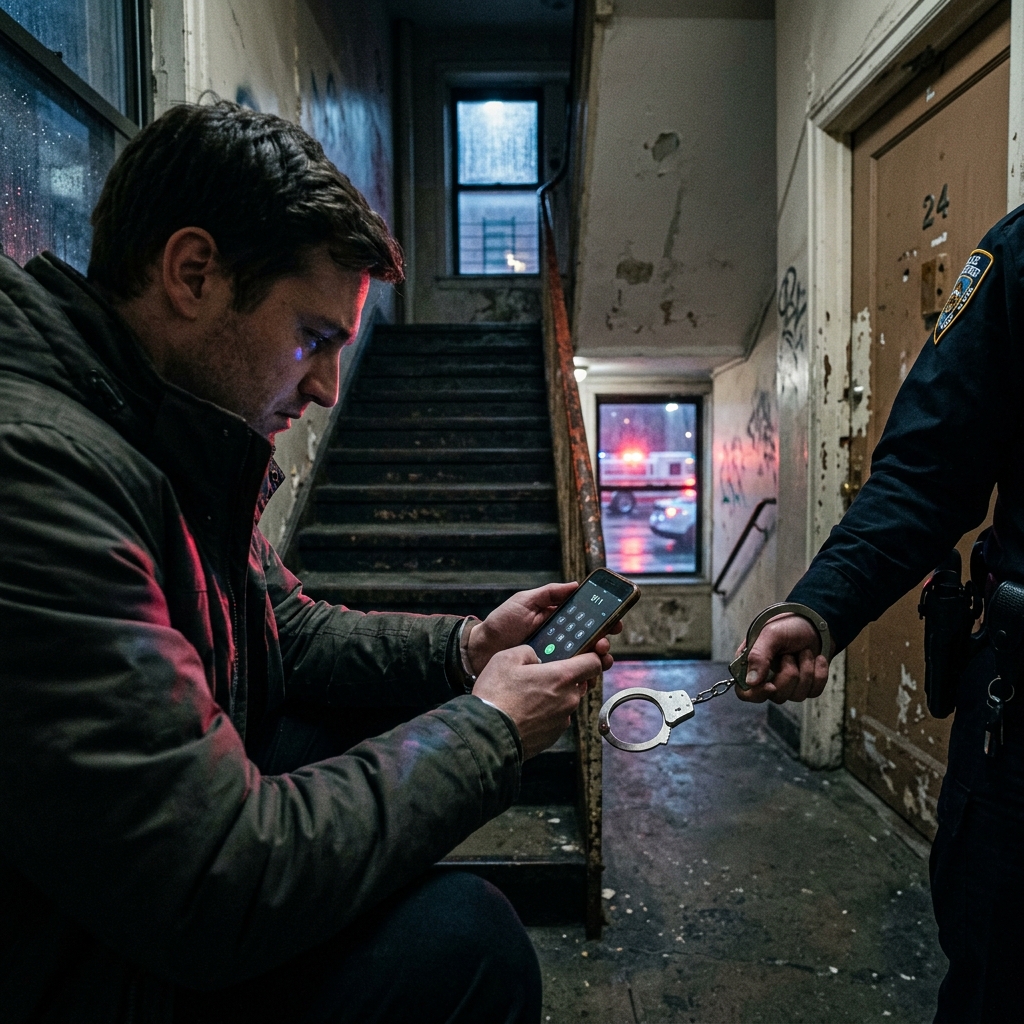
Calling 911 is one of the most important ways the public can reach emergency services quickly. Yet the right to use this system is not unlimited. In every U.S. state, there are laws that make it a crime to abuse, harass, or intentionally misuse emergency dispatch centers. Repeated calls, false reports, or disruptive behavior can turn a cry for help into a criminal offense that leads to arrest, fines, and even jail time.
This article explains how emergency call laws work, when multiple calls become unlawful, what penalties you may face, and how to safely exercise your right to seek help without crossing legal boundaries.
911: A Critical Lifeline With Legal Limits
Emergency call systems exist to connect people in urgent danger to police, fire, and medical responders. Because the stakes are high and response time matters, governments strictly regulate how the system may be used.
Most jurisdictions treat 911 as a resource reserved for:
- Immediate threats to life, health, or safety
- Active or recently occurred serious crimes
- Fires, traffic crashes with injuries, and similar emergencies
Yet research shows that the majority of calls do not involve crime or violence, which means dispatchers constantly sort genuine emergencies from non-urgent matters. Misuse can overwhelm this system, delay help for those truly in danger, and waste public funds. As a result, legislatures and courts have created specific criminal offenses targeting improper use of 911.
Common Ways People Illegally Use 911
Not every mistaken or unnecessary call leads to criminal charges. Laws generally focus on intentional misuse or conduct that reasonably appears harassing, malicious, or seriously disruptive. Some of the most common illegal patterns include:
- False reports of emergencies — knowingly claiming there is a fire, crime, or medical crisis when there is none.
- Multiple non-emergency calls — repeatedly dialing 911 for complaints, minor issues, or personal disputes that do not require emergency response.
- Harassing or abusive calls — using 911 to vent anger, insult dispatchers, or tie up lines without a legitimate need.
- Silent or hang-up calls — intentionally placing silent calls that trigger dispatch, often as a prank or harassment.
- Interfering with someone else’s emergency call — physically or verbally preventing another person from calling 911 when they are trying to seek help.
These patterns may look different from state to state, but the underlying theme is the same: using emergency systems in a way that is deliberate, unreasonable, and likely to disrupt legitimate response.
How Many Calls Are “Too Many”?
There is no single nationwide number that automatically makes repeated calls criminal. Instead, courts and statutes focus on the nature of the calls and the caller’s intent.
Factors that may cause multiple calls to cross the line include:
- Repetition without new information — calling over and over about the same issue that dispatchers have already addressed.
- Lack of an emergency — using 911 for noise complaints, civil disagreements, or customer service issues.
- Dispatcher warnings — continuing to call after being told to stop or to use a non-emergency number.
- Harassing tone or language — targeting dispatchers with abusive or threatening comments.
In some states, statutes create bright-line rules. For example, one law makes it a crime to intentionally make three or more silent calls that cause emergency services to be dispatched. Other jurisdictions rely on broader language, such as prohibiting “harassing” or “disruptive” communications with dispatchers.
Courts then evaluate the total situation to decide whether law enforcement had grounds to arrest someone for repeated calls. Appellate decisions have upheld arrests where officers and dispatchers reasonably believed a caller’s pattern of calls was meant to annoy or disrupt rather than seek genuine help.
False Emergencies and “Swatting”
Knowingly reporting an emergency that does not exist is one of the most serious forms of 911 misuse. Many states specifically criminalize:
- Providing information to 911 that the caller knows is false
- Causing emergency services to be sent to a non-existent event or wrong location
- Triggering repeated responses through deceptive silent calls or hang-ups
These laws are often applied to “swatting” — calling in a fabricated serious incident, such as an active shooter or hostage situation, to provoke a large police response to a person’s home or workplace. Even a single such false report can justify felony-level charges and substantial prison time because of the high risk of injury, property damage, and resource use.
Interfering With Another Person’s 911 Call
Legal problems related to 911 do not only arise from calling too often. Blocking someone else from calling can also be a crime. Many statutes make it illegal to intentionally prevent another person from placing or completing an emergency call.
Typical examples include:
- Grabbing a phone out of someone’s hand while they dial 911
- Disconnecting a landline or disabling a device mid-call
- Verbally threatening a person to stop them from calling for help
Some states classify this interference as a high-level misdemeanor, punishable by up to a year in jail, probation, and fines. In domestic violence cases, interfering with an attempted 911 call may be charged alongside assault, stalking, or other offenses, significantly increasing a defendant’s exposure to penalties.
Legal Standards: Probable Cause, Harassment, and False Information
For an arrest to be lawful, officers generally need probable cause — a reasonable belief, based on facts, that the person committed a crime. In the context of 911 misuse, courts often look at the combined knowledge of both officers and dispatchers.
Key legal concepts include:
| Term | General Meaning in 911 Cases |
|---|---|
| Harassing call | Communication intended to annoy, abuse, or disrupt rather than seek genuine help. |
| False information | Statements to dispatchers the caller knows or should know are untrue, leading to unnecessary emergency response. |
| Probable cause | Reasonable grounds for believing a crime has occurred, based on the pattern and content of calls. |
| Reasonable suspicion | A lower standard that can justify brief detention, often based on credible 911 tips describing criminal activity. |
One important doctrine is “collective knowledge”: information known to dispatchers can be treated as if it were known by officers responding to the scene. Courts have applied this principle to uphold arrests where dispatchers concluded that a caller’s behavior suggested harassment or misuse.
Criminal Penalties for 911 Misuse
Penalties vary by state, but consequences are often serious, especially when misuse leads to real-world harm or large expenditures of public resources.
Depending on the statute and the specific behavior, a person may face:
- Misdemeanor charges for harassing or disruptive calls, often carrying potential jail time, probation, and fines.
- Felony charges for large-scale false reporting, repeated violations, or conduct that causes substantial risk or loss.
- Restitution orders requiring repayment of emergency response costs, including personnel time and equipment use.
For instance, one statute authorizes up to two and a half years in a local correctional facility for willfully making false reports that cause dispatch or for multiple silent calls that trigger emergency responses, with greater penalties for subsequent violations. Courts may also hold separate hearings to calculate the financial impact on responders and order the defendant to reimburse those costs.
Beyond criminal sanctions, people convicted of 911-related offenses may face:
- A permanent criminal record affecting employment and housing
- Limits on contact with dispatch centers, particularly if harassment was involved
- Additional conditions such as counseling or community service
911 Calls and Police Authority
911 calls not only raise questions about misuse; they also play a central role in justifying police stops and investigations. Courts recognize that a detailed, credible call can establish reasonable suspicion for officers to briefly detain someone.
To use a 911 tip as a basis for detention, courts generally require:
- Enough detail to show the caller had firsthand knowledge of the situation
- Indications the caller is reliable, such as giving a name or employment role
- Description of potential criminal activity serious enough to warrant a stop
In this context, the same system that can be misused also provides crucial information that shapes how police respond. This is one reason why governments seek to protect the integrity of 911 communications and punish deliberate misuse.
Real-World Impact of Chronic Misuse
Chronic misuse of 911 is not a hypothetical problem. News reports describe individuals placing thousands of non-emergency or disruptive calls over several years, prompting investigations and arrests. Dispatch centers and police departments emphasize that such behavior has real consequences:
- Lines can be tied up, delaying assistance for people in genuine danger
- Officers may be repeatedly sent to locations without true emergencies
- Local governments bear ongoing costs for unnecessary responses
In response, some jurisdictions pursue criminal charges, enforce misuse statutes, and seek restitution to recover a portion of the expense of repeated non-essential responses.
How to Stay Within the Law When You Need Help
Most people never intend to misuse 911. Confusion, fear, or frustration can lead to repeated calls or borderline behavior. You can reduce your chances of legal trouble by following some practical guidelines:
- Use 911 only for urgent situations — if there is no immediate threat to life or safety, consider the non-emergency police number or other government services.
- Follow dispatcher instructions — if a dispatcher advises that an issue is non-emergency or that officers are already on the way, repeated calls may be viewed as unreasonable.
- Be truthful and specific — describe what you see without exaggerating or guessing; never invent an emergency.
- Avoid abusive or harassing language — dispatchers are public safety professionals, and repeated hostile calls can be treated as harassment.
- Do not block others from calling — if another person is trying to call for help, interfering may expose you to additional charges.
Even if you are unsure whether your situation qualifies as an emergency, a single good-faith call explaining genuine concern is unlikely to lead to charges. Problems usually arise when conduct appears intentional, malicious, or indifferent to the impact on emergency resources.
Frequently Asked Questions About 911 Misuse
Can I be arrested just for calling 911 multiple times?
Yes, if your repeated calls are unreasonable, lack a genuine emergency, or appear intended to harass or disrupt dispatch operations, officers may have probable cause to arrest you under misuse or harassment statutes.
Is a single mistaken or unnecessary call a crime?
In most cases, a single honest mistake will not lead to charges. Laws generally target willful or malicious misuse, such as knowingly giving false information or intentionally tying up lines.
What if I hang up after dialing 911 by accident?
Dispatchers often call back to confirm whether an emergency exists. If the call was accidental and you clearly explain that, it is usually not a crime. Problems arise when someone repeatedly makes silent or hang-up calls that cause emergency services to be dispatched.
Can I be charged for preventing someone else from calling 911?
Yes. Many states make it a crime to intentionally interfere with or terminate another person’s emergency call, especially in domestic violence or assault situations.
Do 911 calls automatically give police the right to stop or search someone?
A detailed, credible 911 call can provide reasonable suspicion to justify a brief detention, but officers still need a lawful basis. Courts carefully examine the reliability and content of the call in each case.
Will I have to repay the cost of emergency response if convicted?
Some laws require courts to hold hearings on the financial impact of misuse and can order restitution to emergency service providers. Judges consider your ability to pay when setting amounts and schedules.
References
- General Law — Part IV, Title I, Chapter 269, Section 14B — Massachusetts General Court. 2018-07-01. https://malegislature.gov/Laws/GeneralLaws/PartIV/TitleI/Chapter269/Section14B
- Can you get arrested for calling 911 too many times? The Eleventh Circuit says…maybe. — Freeman Mathis & Gary LLP. 2023-07-31. https://www.fmglaw.com/government-law/can-you-get-arrested-for-calling-911-too-many-times-the-eleventh-circuit-saysmaybe/
- Interfering with a 911 Emergency Call — Allan F. Friedman Law. 2022-03-10. https://www.allanffriedmanlaw.com/interfering-with-a-911-emergency-call.html
- Most 911 Calls Have Nothing To Do With Crime. Why Are We Still Sending Police? — Vera Institute of Justice. 2022-02-10. https://www.vera.org/news/most-911-calls-have-nothing-to-do-with-crime-why-are-we-still-sending-police
- When Can 911 Call Provide Sufficient Reasonable Suspicion? — Greg Hill & Associates. 2021-06-15. https://www.greghillassociates.com/when-can-911-call-provide-sufficient-reasonable-suspicion.html
- Man Arrested After Calling 911 More Than 16,000 Times — ABC Action News (YouTube). 2019-09-05. https://www.youtube.com/watch?v=cBPQEdlZy8Y
Similar Articles








Read full bio of medha deb




