
When Are Parents Liable for a Child’s Car Accident?
Understanding when parental responsibility, insurance rules, and negligence doctrines make parents pay for children’s crashes.
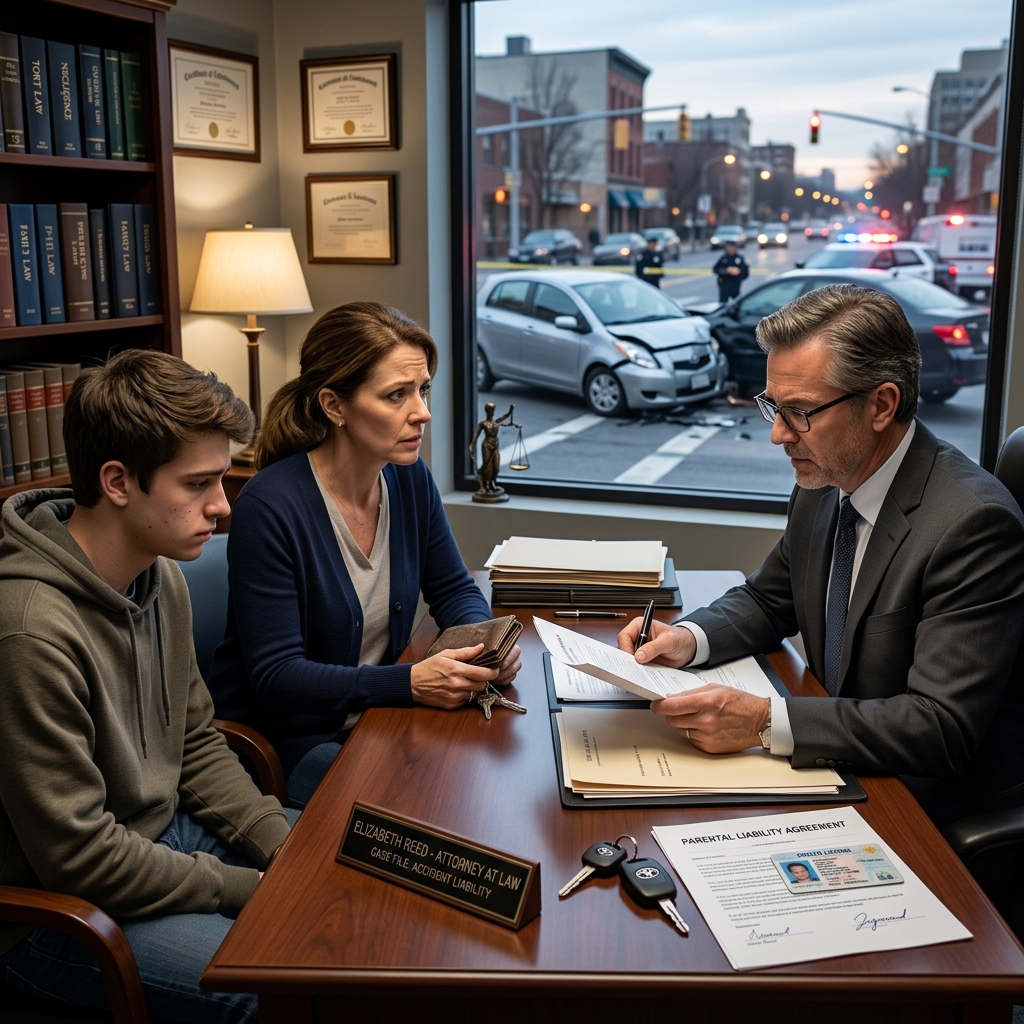
Parents often assume that once their child has a driver’s license, the child alone is responsible for any crash. In reality, the law in many jurisdictions allows injured people to pursue parents as well as young drivers under certain circumstances. This article explains when and why parents can be on the hook for car accidents involving their minor or teen children, how insurance fits into the picture, and what practical steps families can take to reduce risk.
Big Picture: Parents Are Not Always Automatically Liable
In most states, a parent is not automatically liable just because their child caused a collision. Liability usually depends on factors such as:
- Who owns and insures the vehicle involved
- The child’s age and licensing status (minor vs. adult)
- Whether the parent was negligent (for example, knowingly allowing an unsafe driver to use the car)
- Whether a state parental responsibility or “family purpose” law applies
Understanding these building blocks makes it easier to see when a claim may target the parent, the child, or the family’s insurance policy.
Core Legal Ideas Behind Parental Liability
Several legal doctrines explain why parents sometimes end up responsible for a child’s car accident, even if they were not behind the wheel.
Vicarious Liability
Vicarious liability means that one person can be responsible for the acts of another, based on a special relationship. In the car accident context, this can arise through:
- Statutory parental responsibility laws that explicitly impose financial liability on parents for certain harms caused by minors.
- Dangerous instrumentality doctrines that treat vehicle owners as responsible for the negligence of permissive drivers, including their children.
- Family purpose or family use doctrines holding parents liable when a vehicle is furnished for general family use and a dependent child causes a crash while using it.
Negligent Entrustment
Negligent entrustment is a separate, fault-based theory. A parent may be liable if they lend a vehicle to a child they know, or should know, is likely to drive dangerously. Courts commonly look at whether the parent knew about:
- Prior accidents or repeated traffic violations
- DUI history or substance abuse problems
- Lack of driving experience or training
- Mechanical problems with the vehicle that make it unsafe
Under this theory, the focus is on the parent’s conduct: did they act reasonably when allowing the child to drive?
Parental Responsibility and Damage Caps
Some states have parental responsibility statutes that make parents financially responsible for intentional or malicious acts by minors, and sometimes for negligent driving. These laws typically:
- Apply only to children under a certain age (often under 18)
- Limit the amount parents must pay with a statutory cap on damages
- Target property damage or specific types of injury
Even when a statute does not mention car accidents directly, it may still apply if an intentional or malicious act with a vehicle causes harm.
Who Owns the Vehicle and Who Holds the Insurance?
Vehicle ownership and insurance coverage are critical in determining who pays after a crash involving a minor.
| Scenario | Typical Financial Responsibility |
|---|---|
| Parent owns car, child is a listed driver on policy | Parent’s insurance generally responds first; parent may also face direct liability under dangerous instrumentality or family purpose doctrines. |
| Parent owns car, child is not properly insured | Parent can face uninsured exposure and direct liability, especially if negligent entrustment is proven. |
| Child owns and insures the car in their name | Child’s insurance is primary. Parents are usually not vicariously liable unless negligent entrustment or a specific statute applies. |
| Jointly owned vehicle (parent and child) | Both owners may be sued, and both may be responsible up to policy limits and any applicable statutory caps. |
Because ownership and insurance status are so influential, many legal guides urge parents of teen drivers to carefully structure vehicle titles and coverage.
Common Situations Where Parents May Be Liable
Below are typical scenarios where a parent might face legal or financial exposure after a child’s car accident.
Minor Driving a Parent’s Car With Permission
When a minor drives a parent’s car with permission, several doctrines may apply, depending on the state:
- Owner liability if the jurisdiction treats vehicles as dangerous instrumentalities, making the titled owner liable for negligent use by permissive drivers.
- Family purpose doctrine if the car is provided for family use; the parent can be liable even if they were not present at the time of the crash.
- Parental responsibility statute if the child’s conduct falls within a statutory rule for minor-caused harm.
In most of these situations, the parent’s auto insurance is the primary source of recovery for injured parties.
Allowing an Unlicensed or Clearly Unsafe Child to Drive
Parents who permit an unlicensed child to drive, or ignore clear warning signs that their child is a dangerous driver, may be liable for negligent entrustment. Examples include:
- Letting a minor drive without a valid license or learner’s permit
- Ignoring repeated serious violations (DUI, reckless driving) and still allowing access to the car
- Knowingly providing a vehicle in poor mechanical condition that later causes a crash
In these cases, injured parties can argue that the parent’s own negligence contributed to the accident, making them independently liable.
College Students and Out-of-Household Children
Liability issues become more complex when children move out, go to college, or live part-time with parents. Some legal guidance for parents of college students emphasizes:
- Parents generally are not liable merely because of the parent–child relationship.
- Liability can arise if the car is registered in the parent’s name or if the parent negligently entrusts the vehicle to the student.
- Parents should review insurance arrangements when a child takes a car to college to avoid gaps in coverage.
When Parents Are Typically Not Liable
Despite these potential exposure points, there are many situations where parents are unlikely to be held legally responsible.
- Adult child with own car and insurance: Once a child reaches the age of majority and owns and insures their vehicle, parents generally are not automatically liable for that child’s negligence.
- No ownership and no negligent entrustment: If parents neither own the vehicle nor played a role in allowing a known unsafe driver to use it, claims against them are uncommon.
- Limited statutory reach: In some jurisdictions, parental responsibility laws do not cover motor vehicle accidents or apply only to intentional acts.
In short, liability is highly fact-specific; the mere existence of a parent–child relationship does not create responsibility on its own.
How Insurance Usually Responds to Minor Driver Crashes
Insurance is often the first line of defense when a teen or minor causes a collision. Legal resources emphasize several recurring patterns:
- Primary coverage is usually the vehicle owner’s policy. If the parent owns the car, their liability coverage typically pays for injuries and property damage up to policy limits.
- Listing teen drivers on the policy is crucial. Some state laws allow parents to avoid personal liability by ensuring their teen is properly insured.
- Insufficient coverage can expose parents personally. If damages exceed policy limits, or if there is a coverage gap, injured parties may pursue parents directly for the remainder.
- Premiums often increase after teen-related claims. Even when the insurer pays, parents should expect higher premiums following accidents involving minor drivers.
Practical Risk-Reduction Steps for Parents
While parents cannot eliminate every risk associated with young drivers, they can take several practical measures to reduce both safety concerns and potential liability.
Before Your Child Starts Driving
- Enroll your child in a reputable driver’s education program.
- Set clear family rules for vehicle use, including night driving, passengers, and cell phone use.
- Consult an insurance professional to confirm appropriate coverage limits for a household with young drivers.
Vehicle Ownership and Registration Choices
- Think carefully before titling a vehicle solely in a parent’s name if a teen will be the primary driver, especially in states with owner liability doctrines.
- Consider whether joint ownership or separate ownership in the teen’s name better aligns with your risk tolerance and legal environment.
- Maintain thorough records of maintenance and repairs to demonstrate reasonable care in keeping the vehicle safe.
Ongoing Supervision and Limits
- Review your child’s driving record periodically and respond quickly to serious violations.
- Temporarily revoke driving privileges if you learn of dangerous behavior or substance use.
- Reinforce safe driving habits, such as seat belt use, speed limits, and distraction avoidance.
Frequently Asked Questions (FAQs)
1. If my teen causes a crash, will I definitely get sued?
There is a real possibility that parents will be named in a lawsuit when a minor driver causes a serious accident, especially if the parent owns the vehicle or is suspected of negligent entrustment. However, whether you are ultimately held liable depends on state law, insurance coverage, and the specific facts of the case.
2. Does it matter that my child had my permission to drive?
In many legal frameworks, parental liability does not hinge solely on whether the child had explicit permission. Under owner liability or family purpose doctrines, parents may be responsible even if the child took the car without permission, so long as the parent is the titled owner and the use is considered permissive in a broader sense.
3. Can I avoid liability by putting the car in my teen’s name?
Placing the car in the teen’s name can reduce some forms of owner-based vicarious liability, particularly under dangerous instrumentality doctrines that tie liability to the vehicle’s titled owner. However, it does not automatically shield parents from claims of negligent entrustment or from statutory parental responsibility where applicable.
4. Are parents liable for intentional crashes or road rage incidents by minors?
Some parental responsibility statutes specifically address intentional or malicious acts by minors and may impose liability up to a set dollar limit. In such cases, the law can apply even if the parent was not directly negligent. The exact outcome depends on the statute’s wording and the child’s conduct.
5. Do these rules change when my child turns 18?
Age of majority is an important milestone. Once a child is legally an adult and owns the vehicle used in the accident, parents generally are not automatically liable for that adult child’s negligence. However, if a parent continues to own the car or negligently entrusts it, some liability exposure can remain.
Key Takeaways for Families with Young Drivers
Parents are not invariably responsible for every accident their children cause, but several legal mechanisms—vicarious liability, negligent entrustment, ownership doctrines, and parental responsibility statutes—can draw them into claims and lawsuits. Careful decisions about vehicle ownership, insurance coverage, and day-to-day supervision of teen drivers can significantly reduce both legal exposure and the likelihood of serious collisions.
References
- Will I Get Sued If My Teen Driver Causes a Wreck? — Nolo. 2023-05-01. https://www.nolo.com/legal-encyclopedia/am-i-liable-if-my-teen-driver-causes-a-car-accident.html
- Tips for Parents of College Students to Help Avoid Liability — Law Office of Cohen & Jaffe. 2021-08-10. https://www.cohenjaffe.com/resources/tips-parents-college-students-avoid-liability/
- Parent Liability for an Adult Child’s Car Accident in Florida — Alper Law. 2022-11-15. https://www.alperlaw.com/florida-asset-protection/car-accident-asset-protection/parent-liable-adult-child/
- Can a Parent Be Sued for a Car Accident? — Smith Law Center. 2020-09-03. https://www.smithlawcenter.com/blog/can-parent-be-sued-for-car-accident
- Parental Responsibility Laws & Injuries Caused by Children — Justia. 2019-04-19. https://www.justia.com/injury/child-injury/parental-responsibility/
- Can Parents Be Held Liable For Their Teen’s Car Accident in Texas? — Craft Law Firm. 2023-02-08. https://www.craftlawfirm.com/news/can-parents-be-held-liable-for-their-teens-car-accident-in-texas/
- Can Parents Be Held Responsible for Their Children’s Actions? — Allen, Allen, Allen & Allen. 2022-06-14. https://www.allenandallen.com/blog/can-parents-be-held-responsible-for-their-childrens-actions/
Similar Articles








Read full bio of Sneha Tete


