
When Airlines Bump You From a Flight: Your Rights and Remedies
Understand why airlines bump passengers, what compensation you may be owed, and how to protect yourself when flights are oversold.
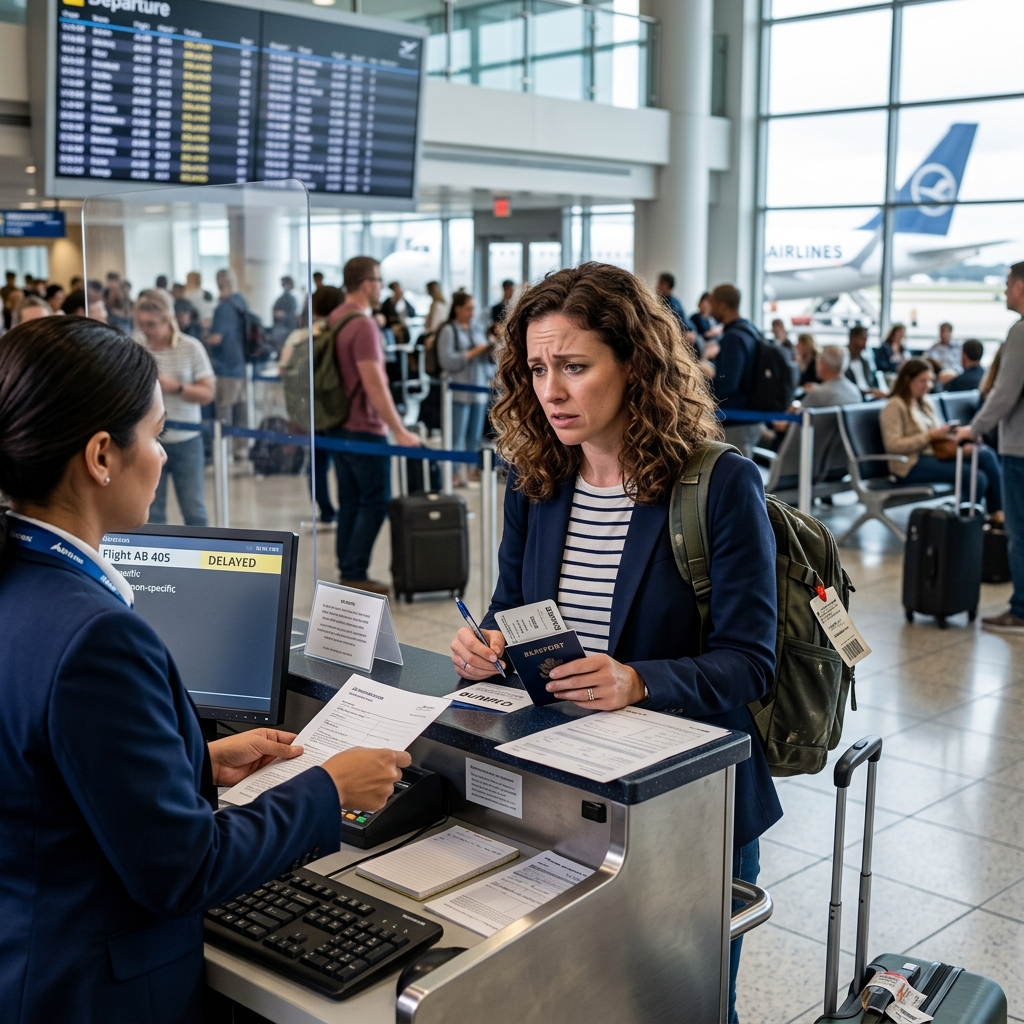
Finding out you have been bumped from a flight—also known as denied boarding—can be confusing, stressful, and expensive. Yet, in many cases, air passengers are entitled to meaningful compensation, rebooking options, and other assistance when this happens. Understanding the difference between voluntary and involuntary bumping, the legal rules that apply, and how to respond at the airport can dramatically improve the outcome for you.
Why Airlines Bump Passengers From Flights
Airlines regularly sell more tickets than there are seats on the plane, a practice known as overbooking. This is allowed under most aviation regulations and is not, by itself, illegal. Overbooking is a revenue management strategy: airlines expect a certain percentage of passengers not to show up, and selling extra seats helps keep planes full.
Passengers may be bumped for several reasons:
- Overbooked flights: More valid tickets than available seats, usually the main cause of denied boarding.
- Equipment changes: The airline substitutes a smaller aircraft, which reduces the number of seats.
- Operational or safety constraints: Weight and balance limitations on smaller aircraft can lead to some passengers being removed for safety reasons.
- Irregular operations: Weather, maintenance issues, or crew scheduling may indirectly trigger bumping on later flights.
In most jurisdictions, consumer protection rules focus on denied boarding due to overbooking or reasons within the airline’s control, not situations caused by extraordinary events such as severe weather or airport closures.
Voluntary vs. Involuntary Bumping: What It Means
The first key distinction is whether you are bumped voluntarily or involuntarily.
Voluntary Bumping
When a flight is oversold, airlines usually start by asking for volunteers willing to give up their seats in exchange for compensation, such as vouchers, travel credits, or cash. If you agree, you enter into a private arrangement with the airline, and the formal denied boarding compensation rules typically do not apply.
Key characteristics of voluntary bumping:
- You choose to give up your seat after the airline asks for volunteers.
- Compensation is negotiated—often in vouchers or points—but can sometimes be cash.
- You keep your ticket and are rebooked, or you may request a refund depending on the airline’s policy.
- Statutory minimum amounts that apply to involuntary bumping generally do not apply.
Involuntary Bumping
Involuntary denied boarding occurs when you hold a confirmed reservation, you checked in on time, arrived at the gate as required, and the airline nonetheless refuses to let you board. When bumping is involuntary and within the airline’s control, passenger protection regulations are triggered.
Typical criteria for involuntary denied boarding compensation include:
- A confirmed reservation in writing (e.g., e-ticket).
- You checked in on time according to carrier rules.
- You arrived at the gate by the airline’s deadline.
- The airline cannot get you to your final destination within a short time window (often one hour) of your original arrival time.
In involuntary cases, compensation is usually paid as cash or check and may be tied to your ticket price or length of delay, depending on the jurisdiction.
How Compensation Works in Different Jurisdictions
Compensation rules vary by country or region. Below is an overview of three major frameworks: the United States, Canada, and the European Union.
United States Denied Boarding Rules
In the U.S., the Department of Transportation (DOT) sets minimum standards for denied boarding compensation on oversold flights. Airlines are free to offer more but not less than these amounts.
Key features of U.S. rules include:
- No compensation if the airline can get you to your final destination within one hour of your original scheduled arrival.
- Compensation based on delay length and one-way ticket price, up to a government-set cap.
- Payment usually provided as a check or cash, at the airport or within 24 hours.
- A written statement informing you of your rights and the reason for being bumped.
- Refunds of optional service fees (e.g., seat selection, checked bags) that you did not receive on the substitute flight or had to pay for again.
The specific dollar caps are updated periodically for inflation, so passengers should consult current DOT materials for the exact amounts.
Canada’s Air Passenger Protection Regulations (APPR)
Canada’s Air Passenger Protection Regulations set fixed compensation amounts for denied boarding when the disruption is within the airline’s control and not related to safety.
Compensation depends on how late you arrive at your final destination:
| Length of Delay (arrival at destination) | Minimum Compensation (CAD) |
|---|---|
| 3 to < 6 hours late | $900 |
| 6 to < 9 hours late | $1,800 |
| ≥ 9 hours late | $2,400 |
In addition, Canadian rules require airlines to ensure you can complete your itinerary as soon as possible and provide assistance such as food, accommodations, and communication, depending on the circumstances.
European Union and Similar Regulations
Under EU Regulation EC 261/2004 and similar regimes, passengers denied boarding against their will can receive compensation based on flight distance and delay length. For many flights departing from or arriving in the EU, compensation can reach up to €600.
Passengers denied boarding in Europe may be entitled to:
- Monetary compensation for loss of time (up to €600).
- A choice between refund of the original ticket, earliest possible re-routing, or a later re-routing date of the passenger’s choosing, subject to seat availability.
- Coverage for meals, refreshments, and—when necessary—hotel accommodations and transport between the airport and hotel for longer delays.
Similar principles apply under other regional frameworks, but details vary, so passengers should check the law applicable to their flight route.
When Airlines Do Not Have to Pay Compensation
Although protections are significant, there are important exceptions where airlines may not owe denied boarding compensation, even if you are bumped.
- Short delays: If substitute transportation gets you to your destination within one hour of your original arrival time on U.S. flights, compensation is not required.
- Aircraft changes and safety-related bumps: In the U.S., if a smaller plane is substituted and passengers are bumped due to safety-related weight or balance constraints on aircraft with 30–60 seats, compensation rules may not apply.
- Extraordinary circumstances: In jurisdictions like the EU, extraordinary events (such as severe weather or security incidents) can exempt airlines from paying standard compensation, though they may still owe care and re-routing.
- Late check-in or gate arrival: If you miss the airline’s check-in deadlines or arrive late at the gate, you may lose eligibility for denied boarding compensation.
- Non-overbooking reasons in U.S. law: Some U.S. protections focus specifically on overbooking; if you are removed for reasons unrelated to overbooking and the event is outside the airline’s control, standard denied boarding compensation may not apply.
What You Should Receive When You Are Bumped
When you are denied boarding involuntarily, you are generally entitled to more than a simple rebooking. Minimum obligations usually include:
- Written notice explaining why you were denied boarding and outlining your rights and possible compensation.
- Compensation paid in cash or check (or, in some countries, via bank transfer), calculated based on delay length, ticket price, or flight distance.
- Rebooking options to reach your final destination as soon as possible, often on the next available flight.
- Refunds for optional services purchased for the original flight but not used, such as seat fees or baggage charges.
- Care and assistance, including meals, refreshments, and hotel accommodation when mandated by law (especially in Canada and the EU).
These minimums do not prevent airlines from offering more generous packages such as higher cash amounts or travel credits to resolve the situation quickly.
Practical Steps to Take If You Are Bumped
The moment you find out you are being bumped is critical. What you do in the following minutes can affect your compensation, your rebooking options, and your ability to recover extra costs later.
At the Airport: Immediate Actions
- Confirm whether it is voluntary or involuntary: Ask the gate agent directly if you are being denied boarding involuntarily. This determines whether statutory compensation rules apply.
- Request written documentation: Ask for the airline’s written statement explaining your rights and the reason for denial of boarding, which is required in the U.S. and many other jurisdictions.
- Clarify your rebooking options: Find out when you can reasonably expect to reach your final destination, and whether the airline can book you on partner carriers if needed.
- Ask about care and expenses: For long delays, ask if the airline will cover meals, hotel accommodation, and transportation to and from the airport, especially if you are in the EU or Canada where this may be mandatory.
- Keep all travel documents: Hang on to your boarding pass, e-ticket, and any written communication from the airline. These documents will support compensation claims later.
Deciding Whether to Volunteer
Volunteering to be bumped can sometimes be worthwhile if the incentives are attractive and your schedule is flexible. Consider the following before agreeing:
- Form of compensation: Is the offer a voucher, travel credit, or cash? Vouchers may have restrictions such as blackout dates or expiry periods.
- Expiry and restrictions: Ask about the voucher’s expiration date and any limitations on routes, seasons, or fare classes.
- Guaranteed rebooking: Confirm the exact flight you will be rebooked on and obtain a written record of the new itinerary.
- Total impact on your plans: Consider hotel costs, missed connections, and lost work time. If the airline’s offer does not cover these, you may prefer to decline.
Strategies to Reduce Your Risk of Being Bumped
Although you cannot eliminate the risk completely, certain steps make it less likely that you will be chosen if your flight is oversold.
- Check in early: Late check-in can increase the chance of being selected for involuntary bumping and may undermine eligibility for compensation under some rules.
- Arrive at the gate on time: Airlines may be less sympathetic if you arrive after boarding begins and can argue that you were late, reducing your protections.
- Secure a seat assignment: Having a confirmed seat assignment before arriving at the airport may reduce the likelihood of being bumped.
- Join frequent flyer programs: In practice, airlines sometimes prioritize elite or loyal customers when deciding whom to bump, though policies vary.
- Avoid peak oversell periods: Flights at popular business times, holidays, or busy hubs may face higher oversell pressure.
Frequently Asked Questions (FAQs)
1. Is it legal for airlines to overbook flights?
Yes. In most jurisdictions, including the United States, overbooking is permitted and is a common industry practice. The law focuses on what must happen when passengers are denied boarding, not on banning overbooking itself.
2. Do I have to accept vouchers instead of cash?
No. In the U.S., DOT rules require airlines to offer denied boarding compensation in cash or check, although airlines may propose vouchers. You are free to insist on cash if the situation qualifies as involuntary denied boarding under DOT regulations.
3. Can I get a refund instead of being rebooked?
Often, yes. If you are involuntarily bumped, you typically keep your original ticket and can use it on another flight. If you prefer not to travel, you may request an involuntary refund of the ticket for the flight from which you were bumped, subject to the airline’s obligations under applicable law.
4. What if my bags travel without me?
Baggage complications can arise when you are bumped after your luggage has already been checked and loaded. While specific outcomes depend on airline policies, regulations in Canada and the EU ensure that airlines remain responsible for getting your bags and you to your final destination. You may also be entitled to reimbursement if you must buy essentials while separated from your luggage, depending on local law and carrier contracts.
5. How do I claim compensation after the flight?
If you were denied boarding involuntarily, start with the airline’s customer service or complaint department. Provide your boarding pass, ticket receipt, and any written documents about the bumping incident. If the airline refuses to honor its obligations, you may escalate the matter to the relevant enforcement body (such as the U.S. DOT, the Canadian Transportation Agency, or national enforcement agencies in the EU).
6. Does travel insurance help if I am bumped?
Travel insurance with trip delay or trip cancellation coverage can help pay for extra hotel nights, meals, and incidental expenses when you are forced to wait for an alternate flight. These benefits are separate from any compensation owed by the airline or required by law, and policy terms vary by provider.
Key Takeaways for Air Travelers
Being bumped from a flight is disruptive, but understanding your rights turns a stressful situation into a negotiable one. Involuntary denied boarding in many regions carries significant cash compensation and robust rebooking rights. By checking in early, arriving at the gate on time, securing a seat assignment, and asking direct questions when overselling occurs, you can protect yourself and potentially turn an inconvenience into a better deal.
References
- Fly Rights: A Consumer Guide to Air Travel — U.S. Department of Transportation. 2021-06-10. https://www.transportation.gov/airconsumer/fly-rights
- DOT Denied Boarding (or Bumping) Compensation Rules You Should Know — Travelers United. 2022-03-15. https://www.travelersunited.org/dot-denied-boarding-or-bumping-compensation-rules-you-should-know/
- Bumping (Denied Boarding): Rebooking, Refunds and Compensation — Canadian Transportation Agency. 2024-01-18. https://protection-passager-passenger.otc-cta.gc.ca/en/refunds-and-compensation/bumping-denied-boarding-rebooking-refunds-compensation
- Overbooked Flight Compensation: How to Claim Your Rights — AirHelp. 2023-09-05. https://www.airhelp.com/en-int/overbooking-compensation/
- How to Deal With an Overbooked Flight: To Bump or Not to Bump? — Allianz Travel Insurance. 2020-08-12. https://www.allianztravelinsurance.com/travel/flight/getting-bumped-on-an-overbooked-flight.htm
Similar Articles








Read full bio of medha deb


