
When a Neighbor’s Animals Become a Problem
Practical steps for handling barking, roaming, and nuisance animals without escalating conflict.
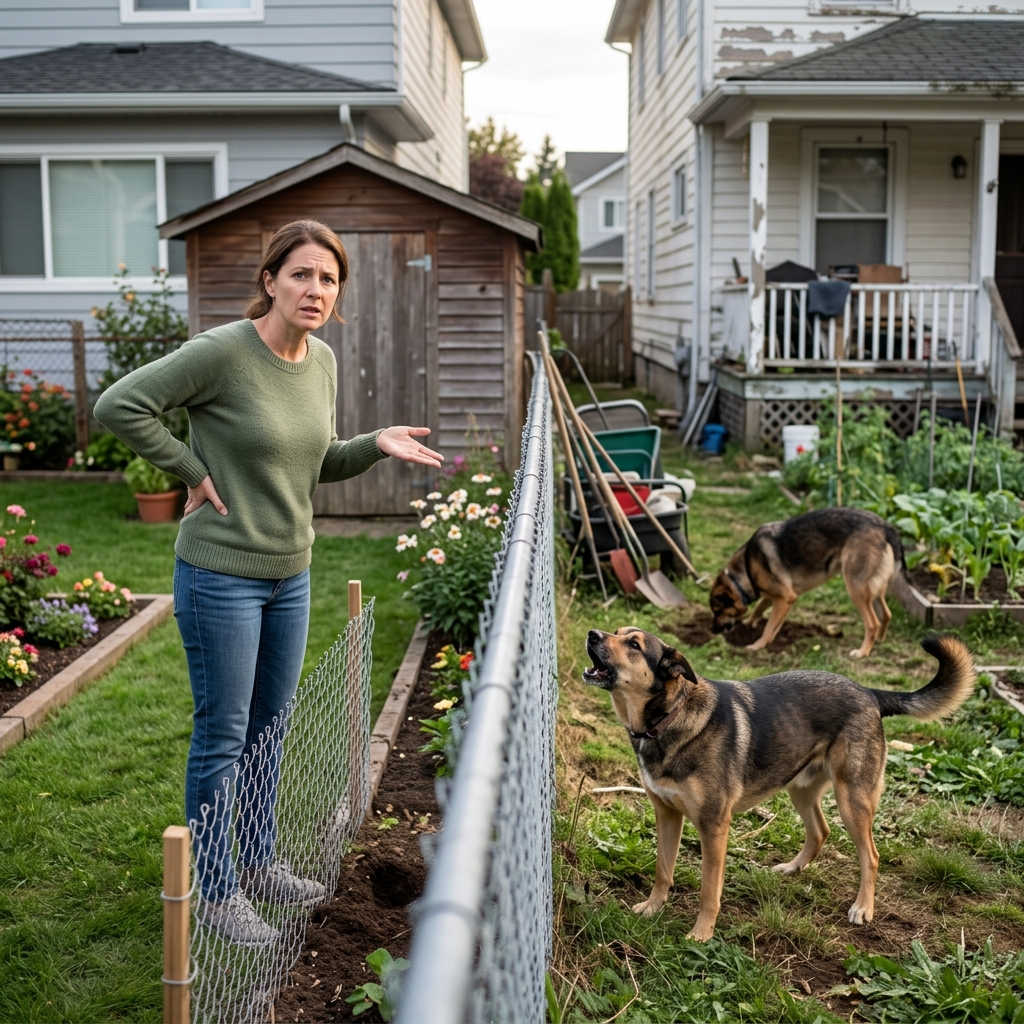
Animals can add life and comfort to a neighborhood, but they can also create serious friction when they roam, bark, dig, damage property, or otherwise interfere with daily life. When a neighbor’s pet starts disrupting your ability to enjoy your home, the best approach is usually calm, documented, and step-by-step. In many situations, a practical conversation solves the issue faster than formal action. When that fails, local ordinances, animal control, and civil remedies may provide a path forward.
Common ways pets create neighborhood disputes
Problems involving animals are not limited to barking. A pet may repeatedly wander onto another person’s property, leave waste in shared spaces, scratch fences, damage landscaping, or act aggressively toward passersby. Even when the animal is not physically dangerous, the repeated interference can become a nuisance if it disrupts sleep, outdoor use, or the quiet enjoyment of property.
Some disputes are occasional and easy to overlook, while others become chronic. The difference often depends on frequency, duration, and the seriousness of the impact. A single noisy evening may be irritating, but a dog that barks nightly or a cat that keeps entering a garden can create an ongoing neighborhood conflict.
Why documentation matters from the start
Before taking formal action, it is wise to keep clear records. Notes about dates, times, and what happened can help show that the issue is repeated rather than isolated. Photos, short videos, and witness statements from other neighbors can strengthen your position if the dispute later involves animal control, a homeowners’ association, or court.
Good documentation also helps you stay objective. When a frustration is recorded in real time, it becomes easier to explain the pattern instead of relying on memory. That can be especially useful if the problem involves nuisance noise, repeated trespass, or property damage that builds over weeks or months.
Start with a direct conversation
The least expensive and often most effective first step is a respectful conversation with the animal’s owner. Many owners do not realize the problem their pet is causing, especially if the issue happens when they are away or indoors. A calm explanation of what is happening and how it affects you may be enough to prompt a fix.
When speaking with the neighbor, keep the focus on the behavior, not on blame. Describe the specific issue, such as barking after midnight or a dog entering your yard through a broken gate. Offer a chance for the owner to respond. People are often more willing to cooperate when they feel they are being treated fairly rather than confronted aggressively.
Practical fixes that can solve the problem quickly
Some animal disputes can be resolved with simple changes. A damaged fence may need repair. A gate may need a latch. A dog may need training, more exercise, or a different routine when left alone. In roaming cases, a leash, enclosed run, or supervision may prevent repeated intrusions onto neighboring property.
For persistent noise, the owner may need to adjust the animal’s environment, address separation anxiety, or limit access to areas that trigger barking. The point is not to prescribe a single solution, but to encourage a fix that matches the source of the problem.
When local rules come into play
If a friendly conversation does not work, the next step is often to review local laws and ordinances. Cities and counties frequently have rules about excessive noise, running-at-large animals, leash requirements, and nuisance behavior. These rules may give you a basis for filing a complaint with animal control, code enforcement, or another local agency.
Some communities treat repeated barking or roaming as a public nuisance. Others regulate animals through leash laws, fencing standards, sanitation rules, or noise ordinances. Because local rules vary widely, it is important to check the exact wording in your jurisdiction rather than assuming all areas treat the problem the same way.
| Problem | Possible local response | Typical evidence |
|---|---|---|
| Repeated barking | Noise or nuisance complaint | Log of dates, recordings, witness accounts |
| Pet entering your yard | Leash or running-at-large enforcement | Video, photos, fence condition notes |
| Waste or damage in shared areas | Sanitation or property damage complaint | Photos, repair estimates, receipts |
| Aggressive behavior | Animal control investigation | Incident reports, injury records, witness statements |
How animal control and police may respond
Animal control agencies are often the first formal point of contact when a neighbor’s animal repeatedly creates problems. Depending on the local rules and the severity of the conduct, officers may investigate, issue warnings, require corrective action, or cite the owner. In some places, repeated complaints can lead to escalating enforcement steps.
Police may also be involved if the situation includes an immediate safety concern, threats, or conduct that goes beyond an ordinary neighborhood disagreement. However, law enforcement response can vary, and many departments prefer to refer animal issues to a specialized agency unless there is an urgent public-safety issue.
When a formal complaint makes sense
A formal complaint is usually appropriate when the issue is repeated, serious, or ignored after a direct conversation. If the animal’s behavior is affecting sleep, damaging property, or creating a sanitation or safety concern, the situation may have moved beyond a casual annoyance. In those circumstances, filing a complaint can create a record and prompt official action.
It is often helpful to speak with other neighbors first. If multiple households are affected, coordinated complaints may show that the problem is broader than a personal dispute. That does not guarantee a stronger result, but it may make the pattern easier to verify.
Using written notice before litigation
If the owner remains unresponsive, a formal written notice or demand letter can be a useful intermediate step. A letter can describe the problem, identify the dates of the incidents, and request a specific correction by a certain time. It also helps show that you tried to resolve the matter without immediately filing a lawsuit.
Written notice may be especially helpful when a dispute is turning into a legal issue. It creates a paper trail and can clarify exactly what remedy you want, whether that means repairing a fence, controlling barking, or stopping the pet from entering your property.
What a civil claim may cover
When informal and administrative steps fail, civil law may provide additional options. In a nuisance or property-related case, a court may award money damages for actual losses caused by the animal. Those losses could include property repair costs, cleaning expenses, or other measurable out-of-pocket harm.
In some circumstances, a court may also consider the broader interference with your use and enjoyment of property. That type of harm can be harder to measure, but the repeated nature of the disturbance may still matter. Small claims court is sometimes a practical route for limited financial losses, while larger or more complex disputes may require regular civil court.
Injunctive relief and other remedies
Money damages are not always enough. If the main goal is to stop the behavior, a court may sometimes issue an order requiring the owner to take action. That could mean confining the animal, repairing barriers, or preventing the condition that caused the nuisance.
The availability of these remedies depends on local law, the facts of the case, and the seriousness of the problem. Courts generally look more favorably on claims backed by records, repeated incidents, and evidence that less formal efforts did not work.
Protecting yourself while the issue is ongoing
While you are working through the problem, safety should remain a priority. If an animal is aggressive or repeatedly enters your yard, avoid direct confrontation with the pet. Use barriers, secure gates, and clear boundaries where possible. If the issue involves children, elderly family members, or people with limited mobility, consider taking extra precautions immediately.
It is also important not to escalate the conflict. Do not threaten the neighbor, harm the animal, or engage in retaliatory conduct. Those actions can create separate legal trouble and make it harder to resolve the original problem.
Helpful evidence to keep on hand
- A dated log of each incident
- Photos or videos showing the behavior or property damage
- Copies of messages, letters, or emails to the owner
- Receipts or estimates for repairs and cleanup
- Witness accounts from other neighbors or visitors
Questions people often ask
Can I complain if the animal is only a problem at night? Yes. Repeated nighttime barking or noise can still be a nuisance, especially if it disturbs sleep or violates a local noise rule.
Should I talk to the neighbor first? In most cases, yes. A direct conversation often resolves the matter faster and at lower cost than a formal complaint.
What if the animal keeps entering my property? Repeated trespass by a pet may justify documentation, a complaint, and possibly a civil claim if the problem continues.
Do I need proof before contacting animal control? Proof is not always required to start a complaint, but photos, videos, and incident logs can help officials understand the pattern and severity.
Can I sue for nuisance behavior? In some cases, yes. If the conduct is repeated and causes measurable harm or serious interference with property use, a civil claim may be possible.
FAQ
What is the best first step when a neighbor’s pet is causing trouble? Start with a calm conversation and clearly explain the behavior that is bothering you. Many disputes end there.
When should I contact authorities? If the problem continues after discussion, violates local rules, or creates a safety issue, contact animal control or the appropriate local agency.
Can I ask for both damages and an order to stop the behavior? In some cases, yes. The available remedy depends on the court, the facts, and local law.
Is it worth involving other neighbors? If they have experienced the same issue, their reports may help show that the problem is ongoing and not isolated.
How to keep the situation from getting worse
Once you decide to act, stay organized and consistent. Keep your communications polite. Save every record. Follow the local complaint process carefully. If the matter becomes legal, speak with a lawyer who understands local nuisance, property, or animal-control rules.
Most neighborhood pet disputes are best handled in stages: talk first, document the problem, use local resources, and escalate only if needed. That approach gives you the best chance of resolving the issue while preserving a workable relationship with the people next door.
References
- Barking Dogs and Neighbors’ Legal Rights — Justia. 2024-01-01. https://www.justia.com/animal-dog-law/barking-dogs-and-neighbor-rights/
- What to Do If Your Neighbor’s Pet Keeps Coming Onto Your Property — RISMedia. 2020-10-02. https://www.rismedia.com/2020/10/02/what-to-do-if-your-neighbors-pet-keeps-coming-onto-your-property/
- How to Help a Neighbor’s Neglected Animal — Animal Legal Defense Fund. 2024-01-01. https://aldf.org/article/how-to-help-a-neighbors-neglected-animal/
- Animal Control and Property Rights Guidance — Alley Cat Allies. 2024-01-01. https://www.alleycat.org/resources/know-your-rights-how-to-talk-to-animal-control/
Similar Articles








Read full bio of medha deb


