
When a Minor Breaks the Law: What Families Need to Know
How a single mistake can pull a child and family into the juvenile justice system, and what you can do to protect their future.
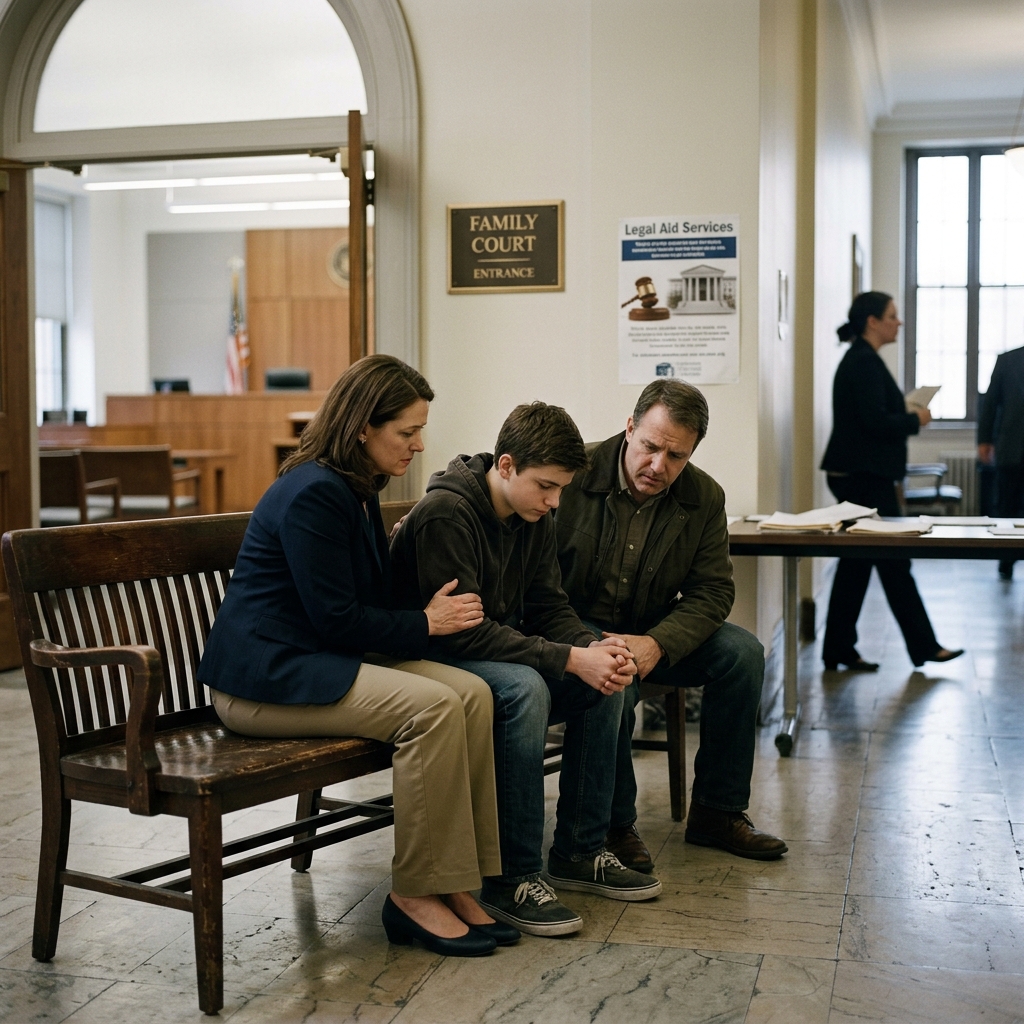
Many parents assume that if their child gets in trouble with the law, it will be treated as a small mistake that quietly disappears when they turn 18. In reality, even a seemingly minor juvenile offense can trigger a complex legal process, serious consequences, and long‑term effects on school, employment, and mental health. Understanding how the juvenile justice system works is critical for protecting a young person’s future.
Why “Minor” Offenses Aren’t Minor for Young People
The juvenile justice system was originally designed to be a more flexible, rehabilitation‑focused alternative to adult criminal courts. Yet research and experience show that any contact with the system can significantly alter a young person’s life path, especially if the case leads to detention or formal court involvement.
Even lower‑level offenses can create problems far beyond the courtroom:
- Educational disruption – Court dates, probation requirements, and possible detention often lead to missed classes, school transfers, or suspensions.
- Emotional and social impact – Stigma, anxiety, and exposure to other system‑involved youth can increase stress and risk‑taking rather than reduce it.
- Future opportunity limits – Some records can affect college admissions, military eligibility, or job prospects if not handled carefully or sealed later.
For these reasons, families should approach any juvenile charge—no matter how small it appears—with serious attention and informed action.
Basic Concepts: What Makes Juvenile Cases Different?
Juvenile courts operate under different rules and goals than adult criminal courts. Their focus is supposed to be on the child’s welfare and rehabilitation, but that does not mean cases are informal or risk‑free.
| Adult Criminal System | Juvenile Justice System |
|---|---|
| Charges are called crimes. | Charges are typically called delinquent acts. |
| Defendants face trial. | Youth undergo an adjudication hearing. |
| Primary goals: punishment and public safety. | Stated goals: rehabilitation, guidance, and public safety. |
| Convictions result in a criminal record. | Adjudications may create juvenile records; sealing rules vary by jurisdiction. |
Despite these differences, youth can still lose their liberty, be placed in secure facilities, and experience conditions that closely resemble adult incarceration.
Typical Path of a Juvenile Case: Step‑by‑Step
Every state has its own procedures, but most juvenile matters follow a similar sequence. Knowing the major stages helps families anticipate what comes next and what decisions may be required.
1. The Incident and Police Contact
The process usually begins when law enforcement responds to an alleged offense—anything from shoplifting or vandalism to fighting or more serious conduct. Officers gather information, speak with the youth, and decide what immediate action to take.
- On‑scene decision – Police may release the youth to a parent, issue a warning, refer to a community program, or take the child into custody.
- Questioning and rights – Youth have constitutional rights, but may not fully understand them or feel able to assert them without adult guidance.
- Immediate impact – Being detained, even briefly, can be frightening and confusing, especially for younger adolescents.
2. Intake or Initial Screening
After police involvement, the case is typically sent to a juvenile intake officer, probation department, or prosecutor who reviews the facts and the youth’s prior history.
At intake, officials generally consider:
- Severity of the alleged offense
- Previous juvenile contacts or school discipline records
- Family circumstances and support structures
- Risk that the youth may reoffend or harm others
Based on this review, the intake officer may recommend diversion, informal supervision, or formal court processing.
3. Diversion and Informal Resolutions
Diversion programs aim to address misbehavior without a formal court adjudication. They can be especially important for first‑time or low‑level offenses, as research suggests that avoiding deeper system involvement reduces later justice contact for many youth.
Common diversion elements may include:
- Community service or restitution
- Counseling or behavioral health services
- Conflict resolution or restorative justice meetings
- Educational workshops on law, substance use, or decision‑making
Successful completion often leads to the case being closed without a formal adjudication, reducing the long‑term consequences.
4. Formal Petition and Court Involvement
If diversion is not used or fails, a petition may be filed in juvenile court, formally alleging that the youth committed a delinquent act. From this point, the case operates much like a structured court process, though terminology and procedures differ.
Key aspects of formal juvenile proceedings include:
- Right to counsel – Youth generally have a right to an attorney, and families should take advantage of this protection.
- Adjudication hearing – The judge hears evidence and decides whether the allegations are proved.
- Disposition – If the youth is adjudicated delinquent, the court orders a disposition, which may involve probation, services, or confinement.
5. Probation, Services, or Confinement
The disposition phase determines what the youth must do going forward. In many cases, courts prefer community‑based supervision and services rather than secure custody, especially for less serious offenses.
Typical outcomes include:
- Probation – The youth must follow rules such as attending school, obeying curfews, avoiding new offenses, and meeting with a probation officer.
- Counseling or treatment – Mental health, substance use, or family counseling may be ordered to address underlying issues.
- Placement in a facility – For more serious cases, the youth may be sent to a residential or correctional facility, where conditions can resemble prison and carry documented risks of abuse.
What happens at this stage strongly influences whether the youth gets the support needed to move forward or becomes further entangled in the justice system.
Hidden Risks: What Families Often Don’t See Coming
Parents sometimes assume that the juvenile system is always protective and informal. In reality, several well‑documented problems can make juvenile involvement far more harmful than expected.
Conditions in Youth Facilities
National reviews have found serious issues in many state‑funded youth correctional facilities, including physical and sexual abuse, excessive use of isolation, and overreliance on restraints.
- Surveys of incarcerated youth have reported significant levels of fear of attack and concerns about unnecessary use of force by staff.
- Experiences of abuse or isolation can worsen trauma, anxiety, and future risk‑taking, undermining rehabilitation.
Families should be aware that placement in a secure facility is not simply a more supervised environment; it can expose youth to serious harm.
Disproportionate Impact on Youth of Color
Youth of color, particularly Black and Latino adolescents, are disproportionately arrested, detained, and confined across the juvenile justice process.
- They are more likely to be referred to court rather than diverted to community programs.
- They are more likely to experience secure detention and placement, even after controlling for offense severity in some studies.
This means that families of color need to be especially proactive about understanding their rights and advocating for fair treatment and appropriate services.
Educational and Developmental Consequences
Many youth who enter the juvenile system already face educational challenges, such as disengagement from school or repeated suspensions. System involvement can intensify these problems.
- Mandatory appointments and hearings often conflict with school schedules, causing missed instruction.
- Detention or placement sometimes leads to enrollment in alternative or specialized schools with limited curricula.
- Interruptions during adolescence can disrupt healthy identity formation, peer relationships, and planning for the future.
Because adolescence is a critical period for psychosocial development, negative experiences with the justice system can echo well into adulthood.
Your Role as a Parent or Guardian
While laws and procedures may feel overwhelming, parents and guardians play a crucial role in how a youth experiences the system. Supportive involvement can reduce confusion, help secure better outcomes, and protect the child’s rights.
Stay Informed and Present
- Attend all hearings, meetings, and conferences; your presence signals to the court that the youth has supervision and support.
- Ask questions until you understand every requirement, deadline, and condition.
- Keep written notes of instructions, contact information, and next steps.
Support Your Child Emotionally
- Explain the process in age‑appropriate language so your child knows what to expect.
- Encourage honest conversation about fears, guilt, or confusion rather than minimizing or ignoring the situation.
- Seek counseling or mental health support if your child shows signs of anxiety, withdrawal, or aggression.
Work with Legal Counsel and Probation
- Communicate regularly with your child’s attorney about goals, options, and possible alternative programs.
- Maintain respectful, cooperative communication with probation officers while still advocating for reasonable expectations.
- Provide documentation of school attendance, extracurricular activities, or employment that demonstrates progress.
Practical Strategies to Minimize Long‑Term Harm
Even when a minor has made a serious mistake, there are steps families can take to reduce the long‑term impact and promote genuine rehabilitation.
Ask Early About Diversion Options
- Speak with the attorney or intake staff about community‑based programs that could replace formal charges.
- Highlight positive factors such as the youth’s lack of prior offenses, strong family support, and willingness to participate in services.
- Follow through meticulously with all program requirements to avoid a return to court.
Focus on Education and Positive Activities
- Work with schools to maintain the youth’s enrollment and, if feasible, avoid unnecessary transfers.
- Encourage structured extracurricular activities that build skills and relationships.
- Monitor academic progress and seek tutoring or special education resources if needed.
Plan for Record Sealing or Expungement
- Ask counsel whether juvenile records can be sealed or expunged and under what conditions.
- Keep a timeline of completion dates for probation or programs that may trigger eligibility.
- When the time comes, follow the required procedures so the youth can move forward with fewer barriers.
Frequently Asked Questions (FAQ)
Does a juvenile record automatically disappear at 18?
No. In many jurisdictions, juvenile records do not automatically vanish when a youth becomes an adult. Some records may be sealed after a waiting period or upon petition, while others can remain accessible in certain contexts. Families should consult local law or an attorney about how records are handled.
Is a minor’s case always private?
Juvenile proceedings are generally more confidential than adult criminal trials, but privacy rules differ by state. Some information may still be shared with schools, probation agencies, or other entities. In serious cases, limited public access may be allowed.
Can my child be tried as an adult?
In some states, youth accused of certain serious offenses can be transferred to adult criminal court based on age, alleged conduct, and other factors. While this is more common for serious violent offenses, it underscores how significant juvenile charges can become.
What if my child has special education needs?
Youth with disabilities or special education plans have rights both in school and in the justice system. Inform the attorney and court about any diagnoses or educational plans, and request appropriate accommodations and services.
Is detention ever helpful?
Short‑term detention may sometimes be used for immediate safety concerns, but numerous studies and policy reviews indicate that incarceration often harms youth development, increases trauma, and is not an effective long‑term public safety strategy compared with community‑based interventions.
Key Takeaways for Families Facing Juvenile Charges
- Even minor offenses can lead to complex legal processes and lasting consequences.
- The juvenile system’s stated goal is rehabilitation, but harmful conditions and disparities do exist.
- Early diversion, strong family support, and attention to education can significantly improve outcomes.
- Parents and guardians are vital advocates, both inside and outside the courtroom.
- Planning ahead for record sealing and long‑term goals helps a young person rebuild after a mistake.
No family expects to confront the juvenile justice system, but informed, active involvement can turn a frightening experience into an opportunity for growth and change rather than a permanent barrier.
References
- Youth Involved with the Juvenile Justice System — youth.gov (U.S. Government). 2022-03-15. https://youth.gov/youth-topics/juvenile-justice/youth-involved-juvenile-justice-system
- Critical Issues for Youth Involved in the Juvenile Justice System — National Institutes of Health / Child and Adolescent Psychiatric Clinics. 2019-02-26. https://pmc.ncbi.nlm.nih.gov/articles/PMC6438718/
- Youth in the Justice System: An Overview — Juvenile Law Center. 2020-06-01. https://jlc.org/youth-justice-system-overview
- Race and Juvenile Justice — National Association of Criminal Defense Lawyers. 2021-09-10. https://www.nacdl.org/Content/Race-and-Juvenile-Justice
- Why Youth Incarceration Fails: An Updated Review of the Evidence — The Sentencing Project. 2023-05-30. https://www.sentencingproject.org/reports/why-youth-incarceration-fails-an-updated-review-of-the-evidence/
- Healthy Adolescent Development and the Juvenile Justice System — Child Development Perspectives (Wiley). 2020-12-01. https://onlinelibrary.wiley.com/doi/10.1111/cdep.12461
Similar Articles








Read full bio of Sneha Tete




