
When a Child Is a Bully: Can Parents Be Held Liable?
Explore when and how parents may face legal, financial, and practical responsibility for bullying behavior by their children.
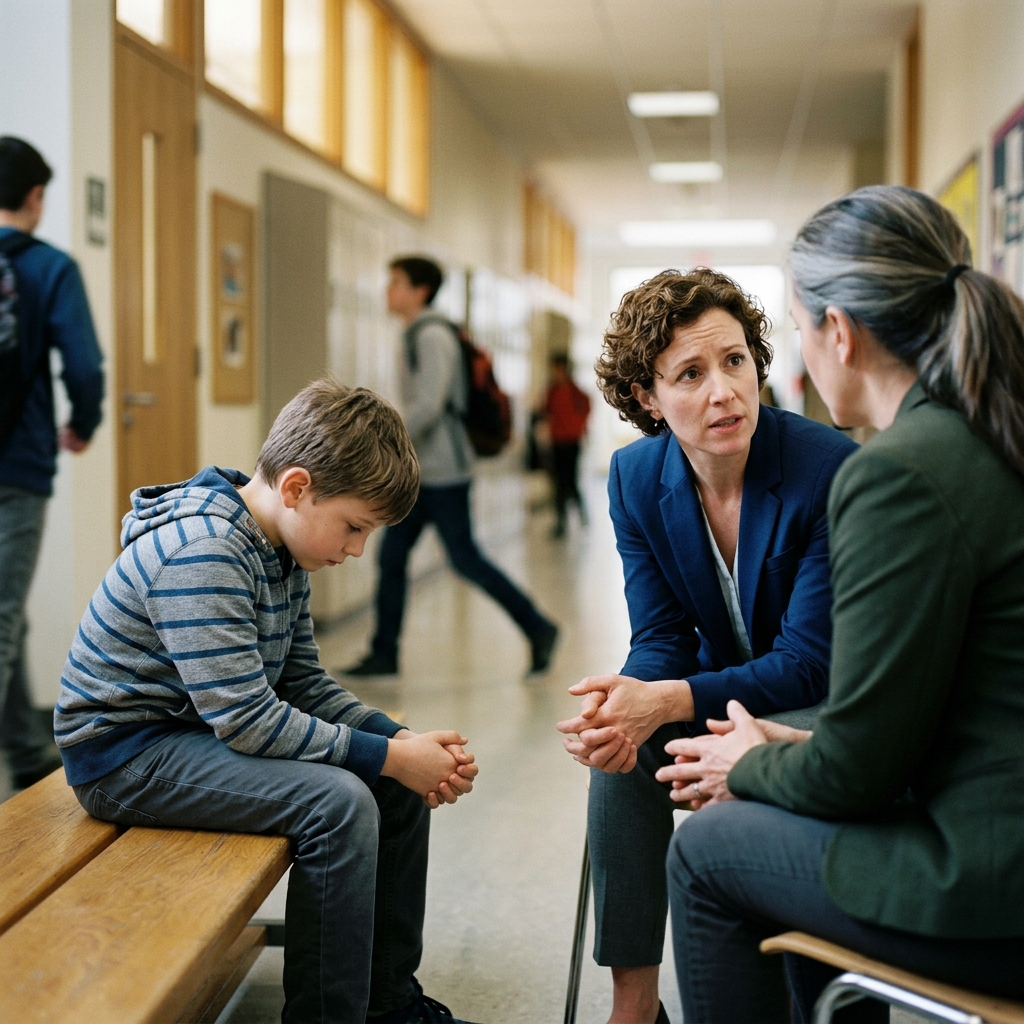
Bullying is no longer viewed only as a playground problem; it is increasingly treated as a legal and financial risk for families and schools. As laws evolve and communities demand accountability, many parents are asking a hard question: can I be held liable if my child bullies someone?
This article explains how parental responsibility works in bullying cases, how school obligations fit into the picture, and what practical steps families can take to reduce both harm and liability. While this discussion is based on general legal principles, the specific rules vary widely by state and locality, so individual legal advice is essential for any particular situation.
Understanding Bullying and Why It Has Legal Consequences
To understand parental liability, it helps to start with what bullying is and why it creates legal exposure at all. Schools, legislatures and courts typically recognize bullying as a pattern of aggressive behavior that involves a real or perceived power imbalance, causes harm, and may be repeated over time.
Bullying can take many forms:
- Physical bullying — hitting, kicking, pushing, or damaging property.
- Verbal bullying — threats, insults, name-calling, or persistent harassment.
- Relational bullying — spreading rumors, social exclusion, or coordinated humiliation.
- Cyberbullying — using social media, messaging apps, or online platforms to threaten, mock, or shame someone.
These behaviors can lead to physical injuries, but they can also cause serious emotional and psychological harm, including anxiety, depression and trauma. Because of this, many jurisdictions treat severe bullying as conduct that can trigger civil claims, criminal charges, or administrative penalties against the person who bullies and, in some circumstances, their parents.
Parental Responsibility Laws: The Basic Framework
In the United States, many states have enacted some form of parental responsibility law. These laws generally make parents financially responsible for certain wrongful acts of their minor children, particularly when the parents failed to exercise reasonable supervision or care.
While the details differ from state to state, several common features appear:
- Age limits — Liability usually applies to minors within a defined age range, often from early childhood through mid- or late teens.
- Type of conduct — Statutes may focus on intentional wrongdoing (such as vandalism or assault), or cover a broader range of negligent acts that cause injury.
- Damage caps — Some states set a maximum dollar amount that parents can be required to pay, especially when the child’s conduct was malicious or willful.
- Negligence standard — Parents are typically liable when they did not take reasonable steps to supervise, correct, or prevent their child’s harmful conduct.
These laws do not automatically make parents responsible for every unkind act; instead, they aim to address situations where a child causes real harm and the parents arguably failed to exercise adequate control or guidance.
How Bullying Can Lead to Legal Claims Against Parents
Bullying becomes a legal problem for parents when the victim’s family or authorities argue that the parent could and should have prevented their child’s harmful behavior. This usually arises in three main contexts: civil lawsuits, local ordinances that impose fines, and, more rarely, criminal or quasi-criminal sanctions.
Civil Lawsuits for Injuries Caused by Bullying
In serious cases, the parents of a bullied child may bring a civil claim for damages. These claims commonly allege that the bully committed intentional torts such as assault, battery, or intentional infliction of emotional distress, and that the parents share responsibility under state parental liability statutes or common law negligence.
Damages in a bullying-related civil case can include:
- Medical expenses — treatment for physical injuries, such as bruises, broken bones, or other trauma.
- Mental health costs — counseling, therapy, or psychiatric care for emotional harm.
- Non-economic damages — pain and suffering, emotional distress, and loss of enjoyment of life.
In some states, recovery for purely emotional harm may be more difficult unless it is connected to a physical injury, while other jurisdictions are more open to claims for psychological damage alone.
Local Ordinances That Fine Parents of Bullies
Some cities have chosen a different approach by enacting municipal ordinances that directly fine parents if their child repeatedly engages in bullying. These local laws usually come into play when schools or police documents show that the child has been involved in bullying and the parents have not responded adequately.
Examples include:
- Monona, Wisconsin, where a local ordinance allows fines for parents whose children bully others after warnings.
- Wisconsin Rapids, Wisconsin, which imposes fines for bullying and harassment, with written warnings before citations.
- North Tonawanda, New York, where parents can face a fine or even short jail time if their child repeatedly bullies others.
These laws are controversial. Supporters argue that they push parents to take bullying seriously and intervene earlier, while critics question how fairly responsibility is assessed and whether fines actually change behavior.
Criminal and Juvenile Justice Dimensions
Bullying itself is not usually named as a specific crime, but the underlying conduct often overlaps with criminal offenses such as assault, harassment, stalking, or certain cybercrimes. Some legal systems also allow civil liability for parents alongside juvenile proceedings for the child.
For instance, in some jurisdictions outside the United States, a minor who bullies may be subject to intervention programs rather than traditional punishment, while the parents can be held civilly liable for damages if the victim is injured. This dual approach reflects the idea that children need rehabilitation, but victims still deserve compensation.
Schools as Key Players: Shared Responsibility for Bullying
Parents of both bullies and victims are not the only ones who may face legal exposure. Schools have a duty to provide a reasonably safe environment for students, and when they ignore or mishandle bullying complaints, that duty can be breached.
Duty of Care and School Liability
Courts generally recognize that schools must take reasonable measures to protect students from foreseeable harm. When bullying is reported and school officials fail to respond appropriately, parents of the bullied child may have grounds to sue the school or district.
Potential theories of liability include:
- Negligence — alleging that the school did not act with reasonable care in responding to bullying or in supervising students.
- Failure to follow policy — arguing that the school violated its own anti-bullying policies or state mandates for reporting and intervention.
- Negligent hiring or retention — where a teacher or staff member engages in bullying, and the school failed to screen or discipline them properly.
Successful claims can result in compensation for medical costs, psychological care, and non-economic damages similar to those available in suits against individual bullies and their parents.
Interaction Between School Liability and Parental Liability
Cases involving bullying often involve overlapping responsibilities. A single incident may raise questions about:
- Whether the bully should be disciplined or held legally responsible.
- Whether the parents of the bully failed to supervise or intervene.
- Whether the school fulfilled its duty to act on reported problems.
In practice, a victim’s family may pursue claims against more than one party. For example, they could seek damages from the bully’s parents under a parental liability statute while also arguing that the school was negligent in allowing the harassment to continue.
Comparing Approaches: Liability Across Jurisdictions
The landscape of parental responsibility for bullying is complex, and it helps to compare some of the ways jurisdictions deal with this issue. The table below summarizes several approaches reflected in U.S. states and selected non-U.S. examples.
| Jurisdiction / Approach | Key Feature | Impact on Parents |
|---|---|---|
| State parental liability statutes | Make parents responsible for certain torts or intentional acts by minor children, often with monetary caps. | Parents can be sued for damages caused by bullying-related injuries, subject to statutory limits. |
| Local anti-bullying ordinances | Cities impose fines or penalties on parents of repeat bullies after warnings and documented incidents. | Parents may receive citations and financial penalties if they do not address their child’s bullying. |
| School liability frameworks | Schools can be sued for negligence or failure to follow anti-bullying policies when students are harmed. | Parents of victims may seek compensation from schools in addition to or instead of suing other parents. |
| Juvenile justice with civil liability | Minors face rehabilitative measures, while parents may be civilly liable for damages caused by bullying. | Parents may need to fund restitution or damages even if the child is exempt from criminal penalties. |
Practical Steps Parents of Bullies Can Take to Reduce Risk
Legal rules create external pressure, but preventing harm and avoiding liability begins at home. Parents who discover their child is bullying others can take proactive steps that both protect other children and reduce the chance of lawsuits or fines.
- Respond immediately — take reports of bullying seriously, whether they come from another parent, a teacher, or the school administration.
- Engage with the school — meet with counselors or administrators, review the school’s anti-bullying policy, and document your efforts to address the problem.
- Seek professional help — consider mental health evaluation or counseling for your child to understand the underlying causes of their behavior.
- Set clear consequences — establish consistent, meaningful consequences for bullying, such as loss of privileges or structured restitution.
- Monitor digital activity — supervise social media and messaging platforms, since cyberbullying can be particularly harmful and may carry legal consequences.
Demonstrating that you are actively trying to prevent further harm can matter legally. It may help show that you are not negligent in supervising your child, even if some incidents occurred before you became aware of the problem.
Options for Parents of Children Who Are Bullied
Parents whose children are victims of bullying also play a critical role. Taking prompt and well-documented steps can protect the child’s safety and preserve any legal claims they might later pursue.
Key actions include:
- Document incidents — keep records of dates, locations, witnesses, screenshots, and any injuries.
- Notify the school in writing — report bullying to teachers and administrators, and follow up with written complaints to create a paper trail.
- Request a meeting — schedule in-person conversations with school staff to discuss specific steps to protect your child.
- Seek medical and mental health support — obtain appropriate care for physical injuries and psychological effects.
- Consider legal advice — if the bullying is severe, repetitive, or ignored by the school, consult an attorney to review state parental responsibility and school liability laws.
In some jurisdictions, parents must file a formal notice of claim within a relatively short period if they plan to sue a public school or district, so delay can limit their options.
Ethical and Policy Debates Around Holding Parents Liable
Even where the law allows parental liability, communities often debate how far responsibility should go. Scholars and advocates raise arguments on both sides, reflecting tensions between accountability, fairness, and the realities of parenting.
Common arguments in favor of parental liability include:
- Encouraging active supervision — financial or legal consequences may motivate parents to pay closer attention to their child’s behavior.
- Recognizing parental influence — research and commentary emphasize that parents significantly shape children’s attitudes toward aggression, empathy, and respect.
- Providing compensation to victims — victims’ families may not be able to recover damages from minors alone, so parental liability ensures there is a responsible party capable of paying for injuries.
Arguments questioning or limiting parental liability include:
- Fairness concerns — some parents may be diligent but still face liability for behavior they could not reasonably control.
- Effectiveness doubts — critics argue that fines and civil penalties do not address underlying causes of bullying, such as peer dynamics, social media environments, or mental health issues.
- Risk of over-penalizing vulnerable families — financial sanctions may hit hardest on families already under economic stress without providing resources for behavioral change.
These debates continue as more localities experiment with ordinances, and as schools refine their anti-bullying frameworks in collaboration with families.
Frequently Asked Questions About Parental Liability for Bullying
Can parents be sued directly if their child bullies someone?
Yes, in many jurisdictions parents can be sued under parental responsibility statutes or general negligence theories if their minor child’s bullying causes injury and the parents are alleged to have failed in their duty of supervision. The specifics, including damage caps and age limits, depend on state law.
Are parents always liable for their child’s bullying?
No. Liability commonly arises where the bullying leads to significant harm and where the parents either knew or should have known about the behavior and did not take reasonable steps to prevent it. Isolated minor incidents, or situations where parents respond promptly and effectively, may not lead to legal responsibility.
Can parents be fined even if no lawsuit is filed?
In some cities, local ordinances authorize fines against parents of children who bully, particularly after repeated incidents and formal warnings. These are separate from civil lawsuits and are enforced through the municipal code, often with support from schools and local police.
Can schools be held liable as well as parents?
Yes. When schools fail to protect a student from bullying or ignore documented complaints, parents may sue the school for negligence or failure to follow mandated anti-bullying policies. This can occur alongside or instead of claims against the bully’s parents, depending on the circumstances.
What should I do if my child has been seriously bullied?
Document the harassment, seek medical and psychological care as needed, report the bullying to the school in writing, request meetings to develop a safety plan, and consider consulting a lawyer familiar with education and personal injury law in your state. Acting quickly is important, especially if you might eventually pursue claims against a public school district.
References
- Bullying in Schools & Related Legal Claims — Justia. 2023-05-01. https://www.justia.com/child-safety/school-safety/bullying-in-schools/
- Holding Parents Responsible for Their Child’s Bullying — Cyberbullying Research Center. 2016-07-20. https://cyberbullying.org/holding-parents-responsible-for-their-childs-bullying
- Are Parents Liable for Injuries Caused by Their Child’s Bullying in Georgia? — John Foy & Associates. 2022-01-15. https://www.johnfoy.com/faqs/are-parents-liable-for-injuries-caused-by-their-childs-bullying-in-georgia/
- Should Parents of Persistent Bullies Be Fined? — K-12 Dive. 2019-10-08. https://www.k12dive.com/news/should-parents-of-persistent-bullies-be-fined/562660/
- LEGAL EXPLAINER | Your Child Is a Victim of Bullying: What Are Your Legal Options? — Criminal Law Philippines (Facebook post summarizing Philippine statutes). 2021-02-10. https://www.facebook.com/crimlaw75/posts/legal-explainer-your-child-is-a-victim-of-bullying-what-are-your-legal-optionsbu/920888647209977/
- Are Parents Liable for Injuries Caused by Their Child’s Bullying in Georgia? — Georgia Code discussion, John Foy & Associates. 2022-01-15. https://www.johnfoy.com/faqs/are-parents-liable-for-injuries-caused-by-their-childs-bullying-in-georgia/
Similar Articles








Read full bio of Sneha Tete


