
Document Shredding: Expert Guide To Secure Disposal And Storage
A practical guide to deciding what belongs in the shred bin and how to reduce identity theft risk.
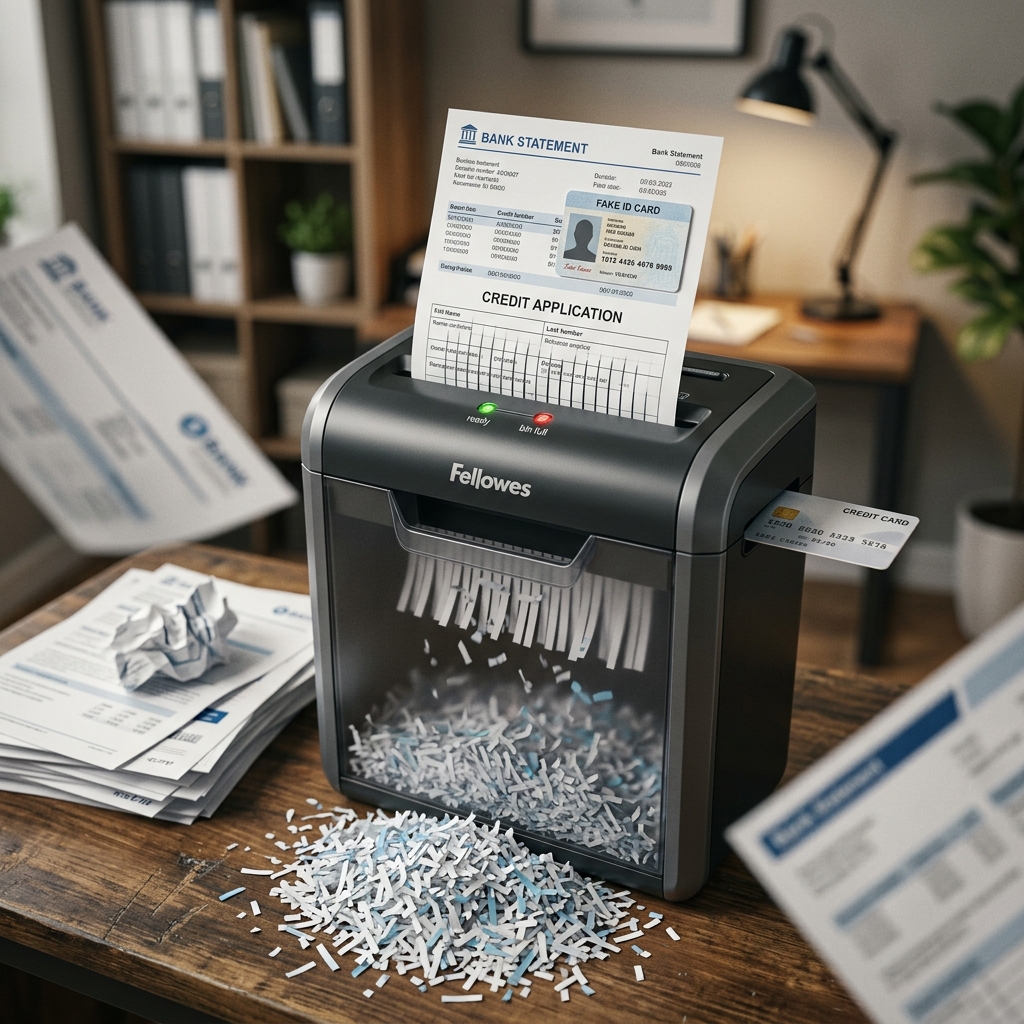
Paper records can be useful, but they can also become a liability when they contain personal, financial, or account information. The safest approach is not to treat shredding as a once-a-year cleanup task, but as a basic habit that protects your privacy throughout the year.
This guide explains how to decide what should be destroyed, what should be stored, and how to set up a simple routine so sensitive information does not end up in the wrong hands.
Why document disposal deserves attention
Many people think of identity theft as a digital threat, but discarded paper is still one of the easiest ways for criminals to collect useful details. A bank statement, medical bill, insurance notice, or tax form can reveal enough information to help someone open an account, answer security questions, or impersonate you.
That is why secure disposal matters. When a document no longer serves a legal, tax, or personal recordkeeping purpose, destroying it can be the simplest way to reduce exposure. The goal is not to shred everything automatically; it is to shred the right things at the right time.
Which papers should usually go into the shredder?
If a document contains information that could identify you, link you to an account, or reveal private details about your finances or health, it is usually a strong candidate for shredding once you no longer need it.
| Document type | Examples | Why it is sensitive |
|---|---|---|
| Financial records | Bank statements, credit card offers, loan paperwork | May expose account numbers, balances, or transaction details |
| Tax paperwork | Old returns, W-2s, 1099s, supporting documents | Contains income, address, and identity-related details |
| Medical information | Bills, explanation-of-benefits forms, appointment records | Can reveal insurance identifiers and health information |
| Identity documents | Copies of Social Security cards, passports, ID forms | Directly useful for fraud or impersonation |
| Mail with personal details | Preapproved credit offers, invoices, membership notices | Often includes names, addresses, or account references |
Even documents that seem harmless at first glance can matter if they include partial identifiers. A torn envelope, for example, may still show a name and account mailing address. A receipt may reveal the last four digits of a card. The safest habit is to review each page and ask whether it contains any data you would not want shared publicly.
What can often be kept instead of shredded?
Not every paper should be destroyed. Some records may need to be kept for legal, tax, warranty, insurance, or personal reference reasons. If you are unsure whether something should be retained, check whether it has continuing value or whether a digital copy is acceptable after proper storage.
- Recent tax records that may still be needed for filing, audits, or amended returns
- Warranties and receipts for expensive purchases
- Property documents, titles, and loan records
- Birth certificates, marriage records, and similar vital documents
- Proof of payment or correspondence related to unresolved accounts
A simple rule helps: if the document has a legal, financial, or long-term personal purpose, keep it in a secure place. If that purpose has passed, consider shredding it rather than letting it accumulate in drawers or boxes.
Build a retention habit before you shred
One of the biggest mistakes people make is shredding first and sorting later. That approach can destroy records too early and create problems when you need proof of payment, tax support, or warranty evidence. A better strategy is to decide in advance how long different categories of documents should be kept.
A retention plan does not need to be complicated. It can be as simple as a checklist that separates short-term papers from long-term records. Some people use folders labeled by year or category; others keep a small “to review” box and clear it every few months. The important part is consistency.
- Separate documents that have ongoing value from those that no longer do
- Review mail and statements as soon as they arrive
- Mark a regular time each month or quarter to clean out paperwork
- Store important records in a locked drawer, cabinet, or safe
Choose the right destruction method
Shredding is the most familiar option, but not all shredding methods offer the same level of protection. Strip-cut shredders cut paper into long ribbons, which can sometimes be reconstructed. Cross-cut or micro-cut shredders reduce documents into much smaller pieces and are generally better for sensitive material.
If you are disposing of a large volume of papers, a home shredder may be too slow or prone to overheating. In that case, a professional shredding service may be a better fit. Businesses and households with recurring disposal needs often benefit from secure pickup or drop-off services because they reduce the chance that sensitive files will sit unprotected for too long.
| Method | Best for | Security level |
|---|---|---|
| Strip-cut shredding | Low-risk papers | Lower |
| Cross-cut shredding | Most personal records | Higher |
| Micro-cut shredding | Highly sensitive documents | Highest for home use |
| Professional destruction | High-volume or business files | High when properly managed |
Do not forget envelopes, labels, and printouts
People often focus on the main page and overlook the surrounding paper materials that carry useful details. An envelope can show a full name and mailing address. A shipping label may include a tracking number or account number. A printer tray can hold copies of files with signatures, draft contracts, or internal notes.
It is smart to treat every part of the paper trail as potentially sensitive. If a sheet, label, or receipt links back to your identity or account activity, destroy it once you no longer need it.
- Check junk mail before tossing it
- Remove or shred labels with account information
- Destroy old boarding passes, itineraries, and similar travel documents if they include identifying details
- Review printer output and scrap paper used for notes
Make shredding part of your routine
The easiest way to stay protected is to make document disposal routine rather than reactive. A small shred bin placed near where mail is opened can prevent sensitive papers from piling up. A monthly cleanup session can keep paperwork from becoming overwhelming. For households with heavy mail volume, a weekly habit may be even better.
This routine works best when everyone in the home understands the basic rules. If family members know which papers are safe to discard normally and which should be destroyed, there is less chance of a mistake. Consistency also helps reduce clutter, which makes it easier to find the documents you actually need to keep.
- Open mail in one place so sensitive items are easier to spot
- Use a dedicated container for papers that will be shredded
- Empty the shred container before it becomes overfilled
- Review old folders at regular intervals instead of waiting for a major cleanup
Shredding at home or using a service
Both options can work. Home shredding gives you direct control, which is helpful for a small number of personal records. A professional service can save time, especially when you are clearing years of files or disposing of documents for a household or small business.
If you use a service, choose one with clear procedures for handling records securely. The vendor should explain how documents are collected, stored, destroyed, and tracked. For business use, it is reasonable to ask about chain-of-custody controls and proof of destruction. Those safeguards help confirm that sensitive materials were handled properly from pickup to final disposal.
Helpful questions to ask before you shred
Before placing a page in the shredder, it can help to pause and ask a few practical questions. This quick check prevents accidental disposal of important records and keeps your system organized.
- Does this document contain personal, financial, or account information?
- Do I still need it for taxes, warranties, legal proof, or personal records?
- Can I store a digital copy instead of the paper original?
- Would I be comfortable if this information were seen by someone else?
If the answer to the first question is yes and the answer to the second is no, shredding is usually the right move. If the document still has value, it belongs in a secure file system, not the wastebasket.
Common shredding mistakes to avoid
Secure disposal can fail when people rush. Some of the most common mistakes are easy to prevent with a little planning.
- Throwing sensitive mail into regular trash or recycling without destruction
- Keeping old records for so long that they turn into clutter and get mixed with junk
- Assuming a simple tear is enough protection
- Forgetting that labels, envelopes, and small printouts may also contain private data
- Shredding documents that should have been retained for tax or legal reasons
The best protection comes from a balanced approach: keep what you must keep, secure what still matters, and destroy what no longer does.
Frequently asked questions
Should every paper document be shredded?
No. Only documents that no longer need to be kept and that contain sensitive or identifying information should be destroyed. Important records should be stored securely until their retention period ends.
Is a strip-cut shredder enough for personal papers?
It may be adequate for low-risk materials, but cross-cut or micro-cut shredders usually provide better protection for personal and financial records because they make reconstruction much harder.
What if I have too many papers to shred at home?
If the volume is large, a professional shredding service may be more practical. It can save time and help ensure that sensitive papers are handled securely from start to finish.
Can I throw shredded paper in the recycling bin?
Policies vary by location, and shredded paper can be difficult to recycle cleanly. Follow local recycling guidance and make sure any discarded shredded material will not expose private information.
How often should I review documents for shredding?
A monthly or quarterly review works well for many households. The right schedule depends on how much mail and paperwork you receive and how quickly sensitive items accumulate.
A simple paper-security mindset
Good document disposal is less about dramatic cleanup and more about ordinary discipline. When you treat sensitive paper as something that needs a clear lifecycle, it becomes easier to know when to keep, when to store, and when to destroy.
That mindset helps protect your identity, reduce clutter, and make important records easier to manage. Whether you shred at home or use a service, the principle stays the same: if the information is no longer needed and could cause harm in the wrong hands, destroy it carefully.
References
- Best Practices for Document Shredding — Time Shred Services Inc. n.d. https://www.timeshred.com/best-practices-for-document-shredding/
- Tips for Safely Getting Rid of Paper Documents — U.S. Chamber of Commerce. n.d. https://www.uschamber.com/co/start/strategy/safely-get-rid-of-documents
- Document Destruction Best Practices: A Comprehensive Guide — EcoShredding. n.d. https://ecoshredding.com/document-destruction-best-practices/
- 4 best tips on how to organise and shred documents — Iron Mountain. n.d. https://resources.ironmountain.com/blogs-and-articles/b/4-best-tips-on-how-to-organise-and-shred-documents
- Decluttering Your Office: When & What to Shred — SecureShred. n.d. https://secureshred.org/decluttering-your-office-when-what-to-shred/
- The Importance of Shredding Documents — Corodata. n.d. https://corodata.com/blog/importance-of-shredding-documents
Similar Articles








Read full bio of medha deb




