
When Your Lease Looks Unfair: Smart Steps To Protect Tenants
Spot questionable lease terms early and learn the practical steps to protect your housing rights.
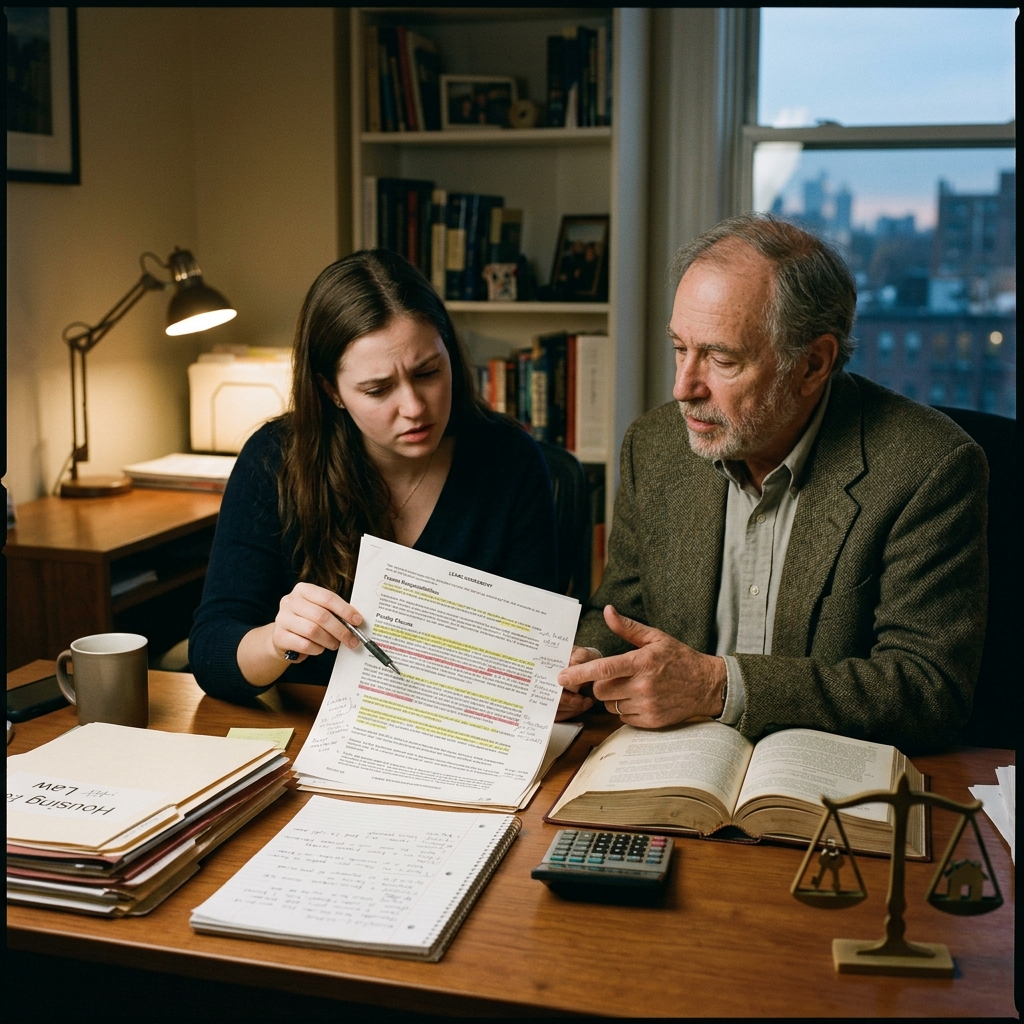
Renting an apartment or house often begins with a lease that looks routine at first glance. In practice, however, a rental agreement can contain terms that shift too much risk onto the tenant, create confusion about responsibilities, or limit practical options if a dispute arises. When a lease feels one-sided, the most important first step is not panic but a careful review of what the document actually says and how it affects your daily life as a renter.
Tenants facing a questionable lease usually have two broad choices: negotiate the language or decide not to sign. The right approach depends on the seriousness of the issue, the local rental market, and how willing the landlord is to revise the agreement. In some cases, a tenant can resolve concerns with direct communication. In others, the better choice is to step back before the lease becomes binding.
How to Recognize a Problematic Lease
An unfair lease is not always illegal, but it may still be impractical or risky. Some clauses are difficult to enforce, while others may conflict with tenant protections under state law. The key is to look beyond the rent amount and security deposit and examine the full set of obligations, deadlines, penalties, and restrictions.
- Payment terms that are vague, unusually strict, or difficult to meet.
- Clauses that allow the landlord to change rules without notice.
- Repair obligations that place normal maintenance on the tenant.
- Broad access rights that let the landlord enter too freely.
- Penalty provisions that create steep charges for minor violations.
- Restrictions on communication, subleasing, or early move-out that seem excessive.
Many tenants focus on whether a lease is short or long, but the wording matters more than the length. A one-page lease can still contain major risks if it gives one party too much power or leaves important issues unresolved.
Clauses That Deserve Extra Attention
Some lease provisions deserve a closer reading because they can affect your finances, privacy, and flexibility during the tenancy. These are not automatically unlawful, but they can become problems if they are drafted too broadly or if they conflict with local housing rules.
| Lease Issue | Why It Matters | What Tenants Should Check |
|---|---|---|
| Rent and late fees | Unexpected charges can increase housing costs quickly. | Due date, grace period, fee amount, and when penalties begin. |
| Maintenance duties | Tenants may be asked to handle tasks beyond normal care. | Who repairs appliances, plumbing, heating, and structural problems. |
| Entry rights | Privacy can be undermined if access is too broad. | How much notice is required and when entry is allowed. |
| Renewal and termination | Failure to act on time may trigger extra rent or penalties. | Notice deadlines and whether the lease renews automatically. |
| Subleasing and assignment | These rules matter if your plans change mid-lease. | Whether consent is required and whether it can be withheld. |
These topics are especially important because they often become dispute points later. A lease that looks acceptable at signing can become burdensome when the tenant wants to move, ask for repairs, or challenge a charge.
What Makes a Lease Feel Unfair in Practice
Fairness is not only about whether a clause is technically valid. A lease may feel unfair because it is unclear, imbalanced, or written in a way that makes ordinary tenant protections hard to use. For example, a landlord may reserve the right to impose fees but never clearly explain how they are calculated. Another lease may promise repairs in general terms while placing all real responsibility on the tenant.
Housing law often gives tenants rights that cannot be signed away through a private contract. That means a lease should be read as part of a larger legal framework, not as the final word on what is allowed. If a term seems inconsistent with local law, it is worth asking whether that term can actually be enforced.
First Response: Review, Organize, and Compare
Before reacting emotionally, gather the facts. Read the lease from beginning to end and mark the sections that create concern. Then compare those terms with any written advertising, move-in packet, email messages, or oral promises that were made before signing.
- Save all emails, texts, and listing screenshots.
- Highlight deadlines, fees, and repair promises.
- Note any terms that were not clearly explained before signing.
- Separate legal concerns from preferences that are merely inconvenient.
This step helps you decide whether the problem is a negotiable business issue or a more serious legal issue. It also creates a paper trail if a dispute later turns into a formal complaint or court case.
Negotiation Can Solve Many Lease Problems
If the lease is not yet signed, negotiation is often the most practical option. Many landlords are willing to revise language that is too harsh, too vague, or inconsistent with the tenant’s expectations. Even after signing, some disputes can still be addressed if both sides are open to changes in writing.
When you raise concerns, be specific about the clause that troubles you and explain what change would make it acceptable. A good negotiation request is calm, concise, and focused on the exact wording you want revised. Broad complaints are easier to ignore than targeted proposals.
- Ask for the clause to be removed or narrowed.
- Request a written explanation of how a term will be applied.
- Propose a compromise, such as a shorter notice period or capped fee.
- Confirm every agreed change in writing before moving forward.
Negotiation works best when the tenant acts before conflict escalates. Once a lease has been fully executed and the relationship has become tense, landlords may be less willing to modify the contract informally.
When It Is Better to Walk Away
Sometimes the safest answer is not to sign. If a lease includes several aggressive provisions, the landlord refuses to explain them, or the proposed changes are still unreasonable after discussion, walking away may be the wiser choice. This is especially true when the housing market gives you other options.
Walking away can feel inconvenient, but it may prevent months of conflict, surprise charges, or litigation. A lease that looks unfair on day one often becomes more difficult to live with later, especially if the landlord uses the unclear terms as leverage.
Consider leaving the deal if the landlord insists on terms that would make routine living difficult, such as excessive penalties, unpredictable access, or one-sided repair obligations. A tenant should not have to accept hidden risk just to secure housing.
Why Documentation Matters
Good records can make the difference between a disputed claim and a persuasive one. If a landlord says one thing and writes another, the written version usually matters more. Keeping a clean record also helps if you need to prove what was said during negotiations or show that you raised concerns promptly.
- Keep copies of the lease and all revisions.
- Save communications in their original form when possible.
- Take screenshots of texts and online messages.
- Store records of dates, phone calls, and promises made.
Written evidence is especially useful if a landlord later denies making a promise or claims that the tenant accepted a term without objection. Clear documentation can also help an attorney assess the strength of your position more quickly.
When Legal Help Is Worth It
Not every lease problem requires a lawyer, but some do. If a clause appears to contradict tenant protections, if the landlord is pressuring you to sign immediately, or if the lease includes language that could lead to serious financial loss, an experienced real estate or tenant attorney can provide valuable guidance.
Legal advice is especially useful before negotiations begin, because an attorney can identify which terms are likely enforceable and which ones may be vulnerable to challenge. In some cases, a brief review is enough to prevent a costly mistake. In others, a lawyer can help structure a response that protects your rights without creating unnecessary conflict.
- The lease contains dense legal language you do not understand.
- The landlord refuses to provide written clarification.
- You believe the lease may violate local tenant laws.
- The dispute involves major money, habitability, or eviction risk.
Questions Tenants Should Ask Before Signing
Asking the right questions can expose hidden problems early. Before you agree to a lease, make sure you understand how it works in ordinary life, not just on paper.
- What happens if rent is paid late by one day?
- Who is responsible for appliances and repairs?
- How much notice will the landlord give before entering?
- Can the lease be renewed automatically or terminated early?
- Are fees capped, or can new charges be added later?
These questions force the landlord to explain the lease in practical terms. If the answers are vague or inconsistent, that is a warning sign.
Frequently Asked Questions
Can I refuse to sign a lease if I think it is unfair? Yes. If the terms are too risky or the landlord will not revise them, you can choose not to sign and continue looking for housing.
Is every one-sided lease illegal? No. Some terms are simply unfavorable rather than unlawful. The key question is whether the clause violates tenant protections or creates unreasonable risk.
Should I negotiate before or after signing? Before signing is better because you still have leverage. After signing, changes are possible only if the landlord agrees.
What kind of proof should I save? Keep the lease, emails, texts, screenshots, notices, and any written promises about repairs, fees, or move-in conditions.
When should I contact a lawyer? Reach out if the lease seems to conflict with the law, if the landlord is refusing to explain key terms, or if the dispute could affect your housing stability or finances.
References
- What Can You Do If Your Lease Looks Unfair? — Super Lawyers. 2026-07-10. https://www.superlawyers.com/resources/landlord-and-tenant/tenant-rights/what-can-you-do-if-your-lease-looks-unfair/
- Residential Tenants’ Rights Guide — New York State Office of the Attorney General. 2026-01-01. https://ag.ny.gov/publications/residential-tenants-rights-guide
- Your Rights as Tenants — Florida Law Help. 2026-01-01. https://www.floridalawhelp.org/housing/tenants/your-rights-tenants
- What are Your Rights and Duties as a Tenant? — Oklahoma Bar Association. 2026-01-01. https://www.okbar.org/freelegalinfo/tenant/
- Understanding Landlord/Tenant Law in Pennsylvania — Pennsylvania legal aid resource. 2026-01-01. https://www.nplspa.org/what-we-do/legal-topics/housing-landlordtenant-rights/understanding-landlord-tenant-law-in-pennsylvania.html
Similar Articles








Read full bio of Sneha Tete


