
Probate Explained: 9 Clear Steps To Estate Administration Guide
Understand probate, which assets are affected, and why some estates need court supervision while others do not.
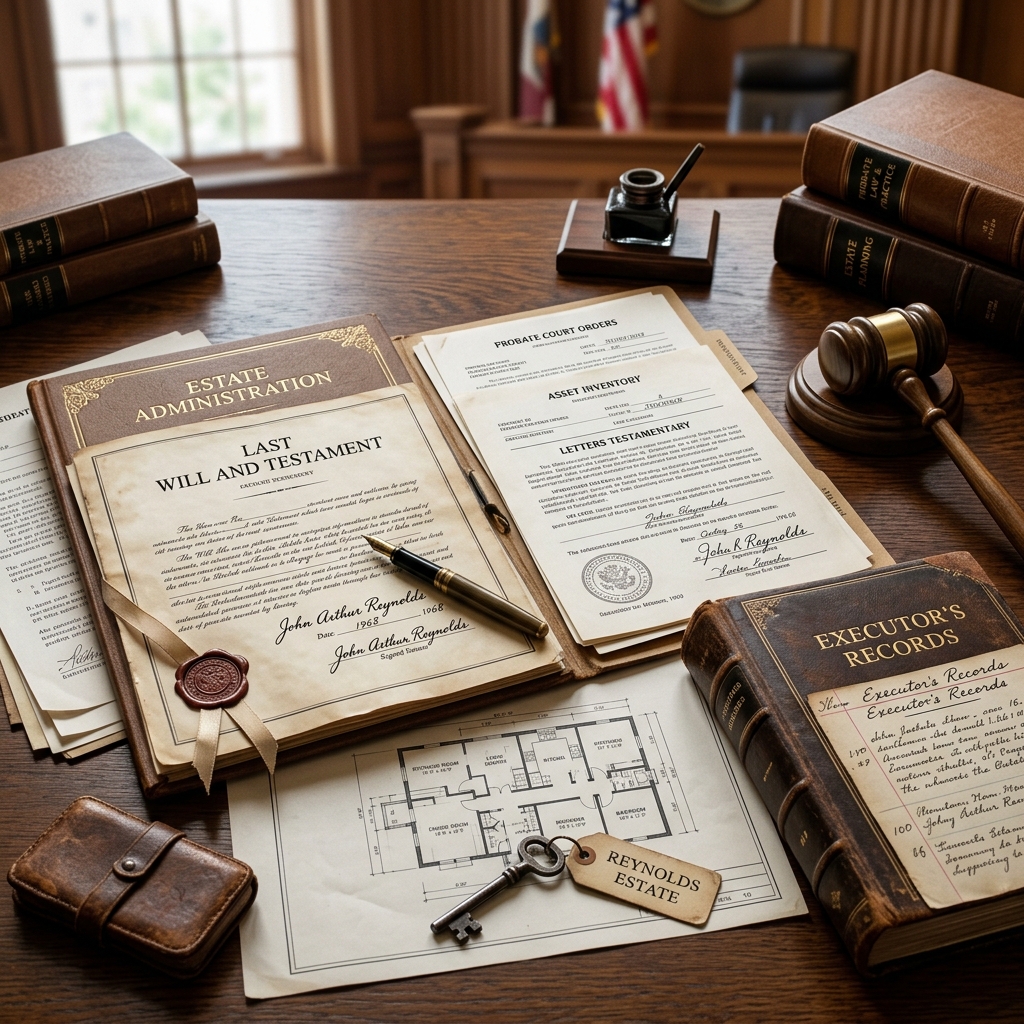
Understanding Probate in Plain Language
Probate is the court-supervised process used to settle a person’s estate after death. In practical terms, it is the legal framework that helps confirm who has authority to deal with the deceased person’s property, pay legitimate debts, and distribute what remains to the right beneficiaries or heirs. In many cases, probate is the step that turns a will from a private document into an enforceable plan for distributing assets.
Not every estate follows the same path. Some estates are simple and can be resolved with limited court involvement, while others require a formal application, notices to interested parties, asset valuations, and filings before property can be transferred. Whether probate is needed depends largely on the kind of property involved, how the property was owned, and whether beneficiary designations or other transfer mechanisms already exist.
Why Probate Exists
The probate process serves several practical purposes. It creates a formal record of death, confirms the authority of the person who will manage the estate, and gives creditors and beneficiaries an orderly way to make claims or receive notice. It also helps protect against disputes by providing a court-backed process for dealing with property that is still in the deceased person’s name.
From an administrative perspective, probate can be especially important when there is real estate, bank accounts, investments, personal possessions, or business interests that were not automatically transferred before death. When those assets are in the deceased person’s sole name, a financial institution, land registry office, or other third party may require probate before releasing or retitling them.
What Usually Happens During Probate
Although procedures differ by jurisdiction, the general structure of probate is similar in many places. First, the will is presented to the court if there is one. Then the court recognizes or appoints the person who will manage the estate, often called an executor or personal representative. That person is then responsible for collecting assets, identifying debts, notifying beneficiaries, and dealing with taxes or expenses before any final distribution is made.
The process often includes gathering documents, confirming the value of assets, locating beneficiaries, and reviewing liabilities. The executor may need to maintain the property, cancel services, close accounts, and communicate with government agencies or lenders. Only after the estate’s obligations are settled can the remainder be passed on to the people entitled to receive it.
Which Assets Commonly Go Through Probate
Probate generally applies to assets that were owned solely by the deceased person and do not have another transfer method built in. These are often called probate assets. A useful way to think about them is that they are assets that still need a legal instruction before ownership can move to someone else.
| Often subject to probate | Often outside probate |
|---|---|
| Property held only in the deceased person’s name | Jointly owned property with right of survivorship |
| Accounts without a named beneficiary | Accounts with a valid beneficiary designation |
| Real estate titled only to the deceased person | Assets placed in a properly structured trust |
| Personal belongings and household items | Assets that transfer automatically by contract or law |
This distinction matters because probate is not triggered simply by death alone. It is usually triggered when an asset still needs court recognition or a legal transfer process before someone else can take title or control.
What Usually Does Not Need Probate
Many estates include a mix of probate and non-probate property. Non-probate assets are those that pass outside the court process because they already have a designated transfer path. Common examples include jointly owned property that passes to the surviving owner, life insurance payable to a named beneficiary, or accounts that allow a direct transfer on death.
Trust property is also frequently outside probate when it has been properly transferred into the trust during life. That does not mean every trust-related asset avoids administration problems, but it does mean the court usually does not need to oversee the transfer in the same way it does for individually owned property.
What Happens When There Is No Will
If a person dies without a will, the estate is usually described as intestate. In that situation, the court does not have written instructions from the deceased person about who should inherit. Instead, the estate is distributed according to the local intestacy rules, which typically prioritize spouses, children, parents, and other family members in a set order.
Intestacy can make estate administration more complicated because there may be uncertainty about who should step in, what property belongs in the estate, and how the law directs the final distribution. Even without a will, however, the estate still may need to go through probate if there are assets that require court authority to transfer.
The Role of the Executor or Personal Representative
The executor is the person named in a will to carry out its instructions. If there is no will, the court may appoint a personal representative or administrator to perform the same basic job. This person acts as the estate’s manager during the probate period and must handle the estate responsibly.
Typical duties include locating the will, arranging for the death certificate, identifying assets, safeguarding property, notifying beneficiaries and creditors, paying valid bills, filing tax returns if required, and distributing what remains. This role can be time-consuming and may involve significant paperwork, especially when the estate contains real estate, investment accounts, or disputed claims.
Because the executor acts in a fiduciary capacity, they must put the estate’s interests ahead of personal convenience and keep clear records of what they do. In some cases, they may also need legal or accounting assistance to complete the work properly.
Why Some Estates Need Formal Court Involvement
Formal probate is most likely when the estate includes property that cannot be transferred privately, when the deceased person owned significant assets in their own name, or when there is disagreement about the will or the identity of the rightful heirs. Court involvement can also be necessary where there are creditor claims, unclear titles, missing beneficiaries, or disputes over the validity of the will.
Smaller or simpler estates may qualify for streamlined procedures in some jurisdictions, but those procedures still depend on local law. The key question is not whether a person had a will, but whether the assets can be transferred without court intervention. A valid will may reduce uncertainty, yet it does not automatically eliminate probate.
Typical Steps in the Estate Administration Process
While the precise sequence varies, the estate administration process usually follows a practical order:
- Locate the will and other important documents.
- Identify the person authorized to act for the estate.
- List the deceased person’s assets and debts.
- Determine which assets need probate and which do not.
- Apply to court if probate is required.
- Notify beneficiaries and creditors where needed.
- Collect and protect estate property.
- Pay taxes, debts, and administrative expenses.
- Distribute the remaining assets to the proper recipients.
In many estates, the first major task is simply organizing information. A clear inventory helps the executor understand what needs court approval, what can be transferred directly, and what obligations must be resolved before distribution.
Costs and Delays to Expect
Probate can involve filing fees, appraisal costs, accounting expenses, legal fees, and other administrative charges. These costs are often paid from estate funds, but they can still reduce the amount ultimately available to beneficiaries. The amount spent depends on the size and complexity of the estate and whether disputes arise.
Timing is another important issue. Probate is not always fast, especially where property values must be confirmed, multiple institutions need documentation, or interested parties disagree. Real estate, business interests, and contested wills can all lengthen the process. For that reason, many families benefit from preparing records in advance so the estate can be administered with fewer delays.
How to Reduce the Need for Probate
Although probate cannot always be avoided, some planning tools may reduce the amount of property that must go through it. Common strategies include joint ownership with survivorship rights, beneficiary designations on financial accounts, payable-on-death or transfer-on-death arrangements where available, and trusts that hold assets outside the individual’s name.
These tools are not interchangeable, and each has legal consequences. A strategy that works well for one family may create tax, control, or creditor issues for another. For that reason, estate planning usually works best when it is tailored to the person’s goals, the type of assets owned, and the rules in the relevant jurisdiction.
When Professional Help Is Worth Considering
Legal help is often useful when the estate includes real estate, business interests, blended family relationships, debts, tax questions, or uncertainty about a will. It may also be wise to seek help if there are signs of conflict among beneficiaries or if the executor is unsure about their authority.
Even relatively simple estates can benefit from advice if there are many accounts, unclear title documents, or assets spread across different institutions. A lawyer can help determine whether probate is needed, what documents must be filed, and how to reduce the risk of mistakes during administration.
Frequently Asked Questions
Is probate always required when someone dies?
No. Some property can transfer without probate if it is jointly owned, has a beneficiary designation, or is held in trust. Probate is generally needed only for assets that still require legal authority to be transferred.
Does having a will mean there will be no probate?
No. A will explains how the estate should be distributed, but some assets may still need court involvement before they can be transferred. A will can guide probate, but it does not automatically remove the need for it.
Who deals with the estate during probate?
The executor named in the will usually handles the estate. If there is no will, the court may appoint an administrator or personal representative to perform that role.
What happens if the deceased person had debts?
Valid debts are typically paid from the estate before beneficiaries receive their inheritance. The executor must usually determine which claims are legitimate and ensure the estate’s obligations are addressed in the correct order.
Can probate be avoided entirely?
Sometimes, but not always. Careful planning can reduce the amount of property that goes through probate, yet some assets may still require court approval depending on how they are owned and the laws that apply.
References
- What is probate, and how does it work? — Fidelity Investments. 2025-01-01. https://www.fidelity.com/learning-center/life-events/what-is-probate
- What does Probate Mean? — United Community Bank. 2025-01-01. https://ucbbank.com/resource-library/retirement-estate-planning/what-does-probate-mean
- Guide to property after someone dies — California Courts Self-Help. 2025-01-01. https://selfhelp.courts.ca.gov/probate
- What Is Probate in North Carolina? — Carolina Family Estate Planning. 2025-01-01. https://www.carolinafep.com/blog/what-is-probate-overview-of-the-north-carolina-probate-process.cfm
- probate estate | Wex — Cornell Law School, Legal Information Institute. 2025-01-01. https://www.law.cornell.edu/wex/probate_estate
Similar Articles








Read full bio of medha deb


