
Marital Status: 5 Legal Effects On Taxes, Property, Inheritance
A clear guide to how marital status affects rights, taxes, property, and family obligations.
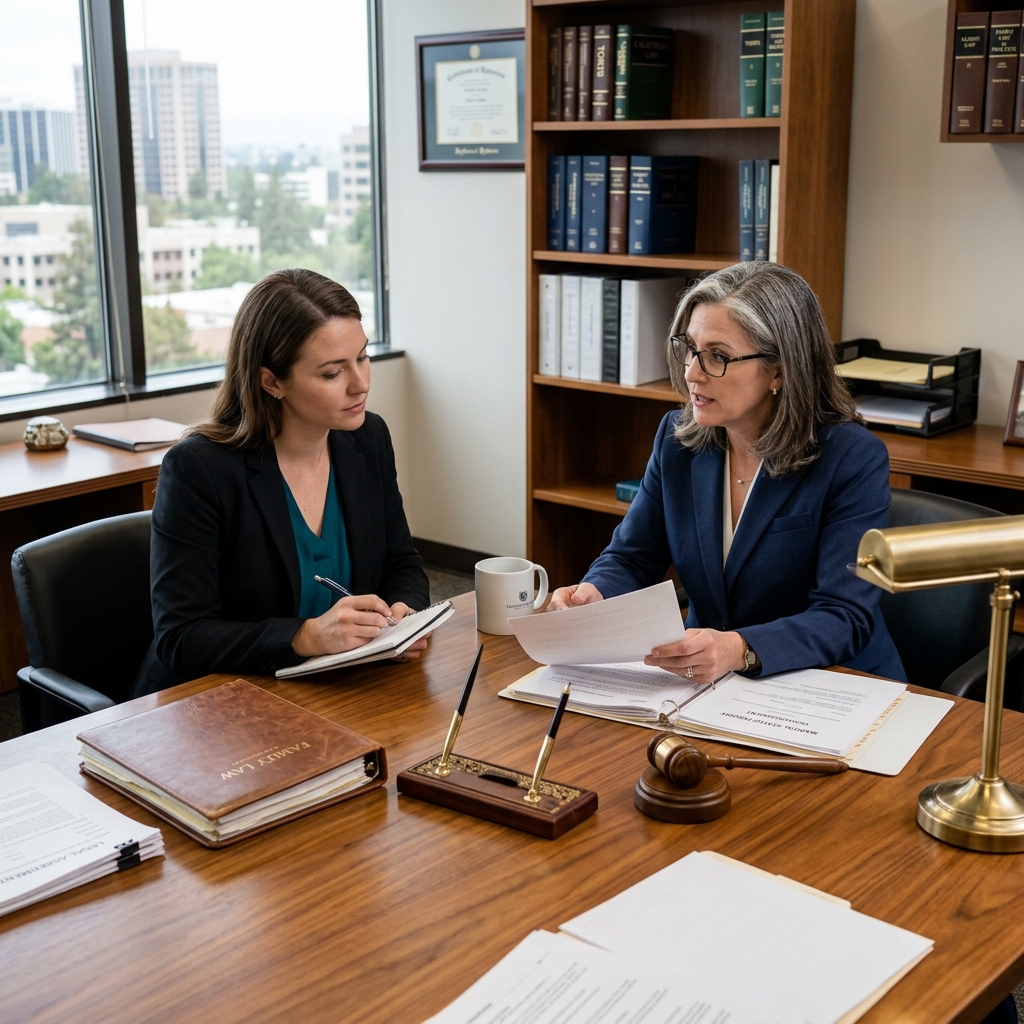
Marital status is more than a formality on an application or a box on a government form. It is a legal label that can affect your taxes, property rights, inheritance, benefits, and family responsibilities. In other words, your relationship status can have real legal consequences long after a wedding, separation, divorce, or bereavement changes your personal life.
In most legal systems, marital status describes whether a person is unmarried, married, divorced, widowed, or in another legally recognized relationship such as a civil partnership. Official statistical definitions also distinguish legal marital status from de facto living arrangements, meaning that a person may live with a partner without being legally married or partnered.
Why marital status matters beyond the personal side
People often think of marital status as a private matter, but the law uses it to decide who has rights, duties, and protections. That can affect everything from who may inherit property to how income tax is calculated. It can also shape what happens when couples separate, how shared assets are treated, and whether one partner can claim certain benefits after the other dies.
- Tax treatment: Some jurisdictions offer marriage-based tax benefits, while others use marital status to determine filing options and allowances.
- Property ownership: Marriage can change how assets acquired during the relationship are classified and divided.
- Inheritance: Spouses often receive stronger inheritance protections than unmarried partners.
- Government records: Marital status is used in census data, health reporting, and administrative forms to classify households and individuals.
The legal categories people usually mean
Although forms and laws can vary by country or state, marital status usually falls into a few broad categories. These labels are not just descriptive; they can determine which legal rules apply to you at a given time.
| Status | General legal meaning | Common legal effect |
|---|---|---|
| Single / never married | A person has not entered a legally recognized marriage | Usually no spousal rights or obligations |
| Married | A legally recognized union exists | Spousal rights, duties, and potential tax or inheritance effects |
| Separated | Spouses live apart but remain legally married | Marriage continues unless a court or legal process ends it |
| Divorced | The marriage has been legally terminated | Most spousal rights end, but some financial claims may remain |
| Widowed | A spouse has died | Surviving spouse may keep certain rights, depending on the law |
Marriage creates a legal relationship, not just a social one
Marriage is commonly defined as a legal union of individuals recognized by law. At its core, it requires legal capacity to marry, mutual consent, and compliance with the formal requirements of the relevant jurisdiction. Once a marriage is valid, the spouses are no longer treated as independent individuals for every legal purpose. Instead, the law may treat them as a unit in some contexts and as separate persons in others.
That legal connection matters because it can affect how the couple owns property, makes decisions, and shares financial responsibilities. In some places, assets acquired during marriage may be treated as jointly owned or subject to division rules if the relationship ends.
How property and money are affected
One of the most important consequences of marital status is the treatment of money and property. Married spouses often gain rights that unmarried partners do not automatically receive. Depending on the jurisdiction, property obtained during marriage may be presumed to belong to both spouses in some form, especially where matrimonial or marital property rules apply.
This does not always mean every item is automatically split equally. The exact outcome depends on local law, whether assets were kept separate, how property was titled, and whether any agreement changes the default rules. Still, the legal status of being married often gives spouses a stronger claim to shared assets than a dating or cohabiting partner would have.
- Shared bank accounts may be treated differently from individually held accounts.
- Homes bought during the marriage may be subject to marital property rules.
- Pensions, savings, and other long-term assets may be divided in a divorce.
- Debt may also matter, because some obligations can become shared depending on how they were incurred.
Taxes and allowances can change with marital status
Marital status often affects taxation. Some systems allow spouses to file jointly, transfer unused allowances, or claim special reliefs. The specific rules vary by country, but the key point is that marriage can create tax advantages that are unavailable to unmarried couples.
For example, certain tax systems permit a lower-earning spouse to transfer part of a personal allowance or benefit from a spouse-related tax adjustment. Other systems use marital status to decide whether a person may claim head-of-household treatment, joint filing status, or a surviving-spouse category. These benefits can be valuable, but they usually depend on strict eligibility rules and a specific legal status on the relevant date.
Inheritance rights are often stronger for spouses
Marital status also influences what happens when someone dies. In many legal systems, a surviving spouse receives automatic inheritance rights, tax relief, or a larger share of the estate than an unmarried partner would receive by default.
Some systems also allow spouses to transfer unused estate tax thresholds or exemptions to one another, which can reduce the tax burden on the surviving spouse or the estate. This is one reason why the legal label of marriage can matter even when a couple has lived together for many years.
Separation is not the same as divorce
Separation can be confusing because it changes the couple’s living arrangement without always changing legal status. Spouses may live apart, manage money separately, and prepare for a possible breakup, yet still remain legally married until a divorce or similar legal process ends the marriage.
That distinction matters. A separated person may still be unable to remarry, may still count as married for certain legal forms, and may still have obligations tied to the marriage. In some jurisdictions, a formal legal separation order can define rights and duties while the marriage remains intact.
Divorce ends the marriage, but not every possible claim
Divorce is the legal termination of a marriage. Once the process is complete, the parties are no longer spouses, and their marital status usually becomes divorced rather than married. Even so, divorce does not always erase every financial issue between former spouses.
Depending on the law and the terms of the divorce, a former spouse may still be able to make claims against assets or enforce ongoing obligations unless the court order fully settles those rights. For that reason, people often need both a divorce decree and a separate financial agreement or consent order to resolve property issues clearly.
Widowhood changes status, but not necessarily every benefit overnight
When a spouse dies, the surviving partner’s status usually changes to widowed. This can affect taxes, pension benefits, inheritance rights, and administrative records. In some cases, the surviving spouse may receive favorable treatment for a period of time or may be allowed to use special tax or benefit categories.
Widowhood is legally important because it confirms that the marriage ended by death rather than by divorce. That distinction can matter for estate administration and for rights that depend on the survival of a valid marriage at the time of death.
Common-law and civil partnerships can complicate the picture
Some jurisdictions recognize relationship statuses other than formal marriage. Civil partnerships, for example, may create legal consequences similar to marriage in certain places. Common-law marriage may also exist in some regions, giving couples legal recognition even without a ceremonial marriage license, though the rules are highly jurisdiction-specific.
This is why it is risky to assume that living together automatically creates the same rights as marriage. In many places, cohabitation alone does not trigger full spousal protections. The law looks for a recognized status, not simply a shared household.
Why forms and official records ask about it
Government agencies, employers, insurers, health systems, and statistical agencies all use marital status to classify people for different purposes. Official definitions often distinguish married, divorced, widowed, and never married categories, while some systems also separate legally married people from those who are only living as partners.
These categories help institutions apply the correct rules, but they also mean that accuracy matters. Selecting the wrong status on a form can create tax problems, eligibility issues, or inconsistent records. The safest approach is to use the legal status that applies on the relevant date, not the status that best describes a personal relationship.
Questions people often ask about marital status
Does dating someone change marital status?
No. Dating does not change legal status. A person remains single unless they enter a legally recognized marriage or partnership, or until divorce, widowhood, or another legal event changes the status.
Is separated the same as single?
No. A separated person is usually still legally married, even if the couple lives apart. That means the legal rights and duties of marriage may still apply until the marriage ends by divorce or another valid legal process.
Can unmarried partners automatically claim spousal rights?
Usually not. Some jurisdictions give limited rights to civil partners or common-law spouses, but unmarried partners often do not receive the same automatic protections as married spouses.
Why does legal status matter if the relationship feels the same?
Because the law often cares less about how a relationship feels and more about whether it meets formal legal requirements. Those requirements determine property rights, inheritance, tax treatment, and who can make claims if the relationship ends.
Practical steps if your status is changing
If marriage, separation, divorce, or widowhood has changed your circumstances, it is wise to review your documents and accounts. Marital status can affect many areas at once, so one update rarely fixes everything.
- Check tax filing status and withholding information.
- Review wills, beneficiary forms, and estate plans.
- Confirm whether property titles and bank accounts need updating.
- Look at pension, insurance, and employment benefits.
- Make sure court orders or settlement agreements are clear and complete.
Because the rules depend on the jurisdiction, people often need legal advice when a status change affects property, children, support, or taxes. The broad principle is simple: once the legal category changes, the practical consequences may follow quickly.
Marital status may look like a small administrative detail, but it is one of the legal system’s basic organizing tools. It can affect how you are taxed, what you own, what you inherit, and what obligations continue after a relationship ends. Knowing which category applies to you is the first step in understanding your rights and responsibilities.
References
- Legal marital status — Insee. 2026-07-10. https://www.insee.fr/en/metadonnees/definition/c1531
- Legal insight: What does your marital status really mean? — Rocket Lawyer UK. 2024-04-01. https://www.rocketlawyer.com/gb/en/family-and-personal/family-and-personal-insights/legal-guide/what-does-your-marital-status-really-mean
- What Does Marital Status Mean in the U.S. — Openbiz. 2025-01-15. https://openbiz.io/blog/what-does-marital-status-mean-and-what-are-its-legal-implications-in-the-united-states
- Six Types of Marital Status — LawDepot. 2025-03-20. https://www.lawdepot.com/us/resources/family-articles/marital-status/
- marriage — Cornell Law School, Legal Information Institute. 2025-06-30. https://www.law.cornell.edu/wex/marriage
- Legal marital status of person — Statistics Canada. 2026-01-08. https://www23.statcan.gc.ca/imdb/p3Var.pl?Function=DECI&Id=252478
- Marital status — Centers for Disease Control and Prevention. 2024-11-12. https://www.cdc.gov/nchs/hus/sources-definitions/marital-status.htm
Similar Articles








Read full bio of Sneha Tete


