
What Really Happens When You File for Bankruptcy
A practical, step‑by‑step look at the bankruptcy process, its protections, trade‑offs, and impact on your financial future.
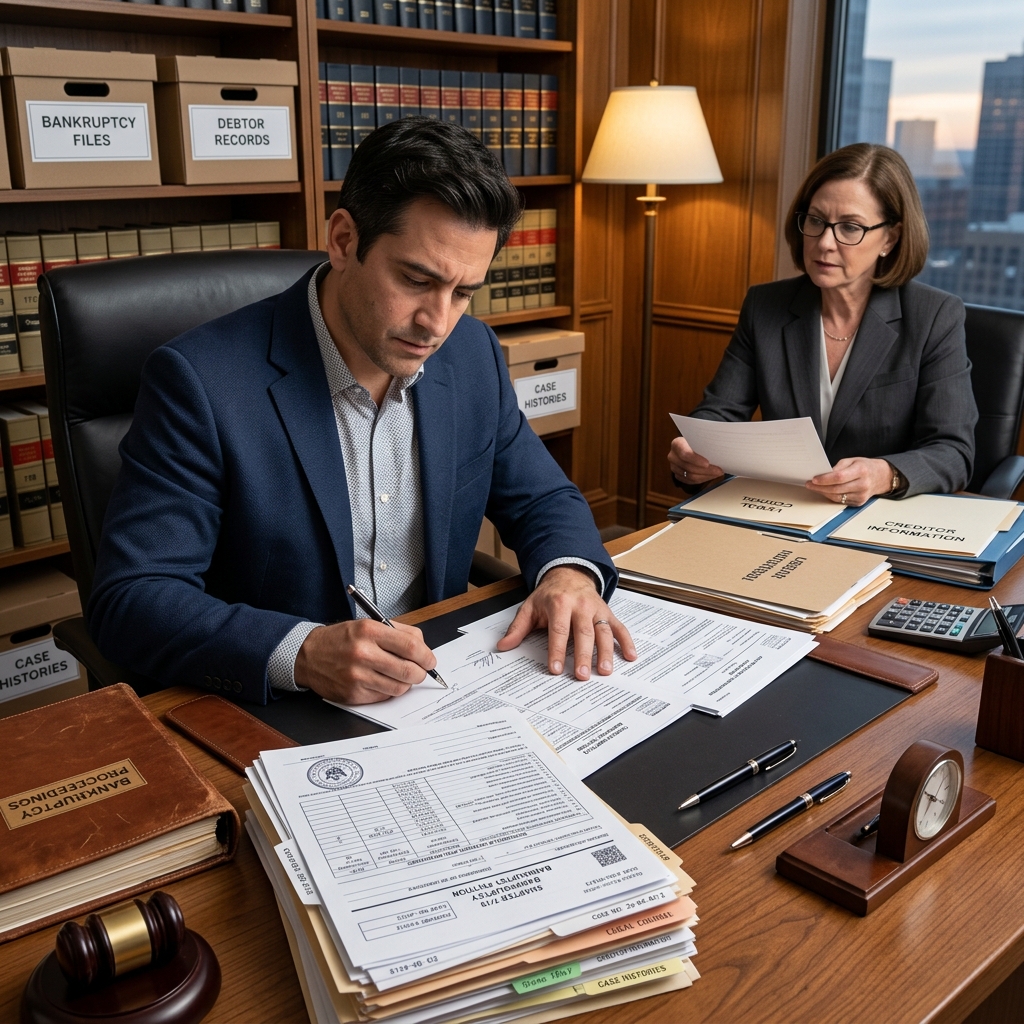
Filing for bankruptcy is more than signing a few forms and handing them to a court clerk. It is a formal legal process that can pause collection efforts, reshape how you deal with your debts, and eventually wipe out certain obligations while leaving others in place. Understanding each stage helps you decide whether bankruptcy fits into your broader plan for financial recovery.
Bankruptcy in Plain Terms
Bankruptcy is a federal court process that provides relief to people and businesses who can no longer meet their debt obligations. When you file, you ask a bankruptcy judge to either erase qualifying debts or approve a structured plan to repay them over time.
The core aims of bankruptcy are:
- Relief for debtors who are overwhelmed by bills they cannot pay.
- Fair treatment of creditors through rules on who gets paid and in what order.
- A fresh financial start after eligible debts are discharged and the case is completed.
Major Consumer Bankruptcy Types: Chapter 7 vs. Chapter 13
Most individuals use one of two types of bankruptcy under the U.S. Bankruptcy Code: Chapter 7 or Chapter 13. Each chapter leads to different outcomes for your property and repayment obligations.
| Feature | Chapter 7 Bankruptcy | Chapter 13 Bankruptcy |
|---|---|---|
| Basic approach | Liquidation of non‑exempt assets; unsecured debts often erased after the case. | Court‑approved repayment plan over 3–5 years; remaining eligible debts may be discharged at the end. |
| Typical duration | Often completed in about 4–6 months. | Usually 3–5 years, depending on income and plan length. |
| Who oversees the case | Bankruptcy judge and a Chapter 7 trustee appointed to manage assets and payments. | Bankruptcy judge and a Chapter 13 trustee who administers your repayment plan. |
| Effect on property | Non‑exempt property may be sold to pay creditors, but exempt items can be kept. | You generally keep your property if you follow the repayment plan and stay current on secured debts. |
| Credit report impact | Can remain on credit reports for up to 10 years from the filing date. | Usually remains on credit reports for 7 years from the filing date. |
Choosing a chapter is not simply a preference; income, assets, and past filings affect which option you are eligible to use. Many people consult a qualified attorney or legal aid service before deciding.
Preparing to File: What Happens Before the Case Starts
The road to bankruptcy begins before you ever step inside a courthouse. In most consumer cases, you will complete several important tasks first.
Reviewing Your Financial Picture
Before filing, you or your advisor typically gather and review key financial information:
- All current debts, including credit cards, medical bills, personal loans, tax obligations, and past‑due utilities.
- Sources of household income and regular expenses.
- Property you own, from bank accounts and vehicles to real estate and valuable personal items.
This overview helps determine whether bankruptcy is appropriate and which chapter you might qualify for.
Mandatory Credit Counseling
Federal law generally requires individuals to complete an approved credit counseling course within 180 days before filing. The purpose is to show the court that you explored alternative ways to manage your debts before turning to bankruptcy.
When You File: The Case Officially Begins
A bankruptcy case usually starts when you submit a petition and supporting documents to the bankruptcy court. This is the moment when the legal process is triggered.
Filing the Petition
Your petition lists key financial details, including your debts, assets, income, and recent financial transactions. Along with the petition, you file schedules and statements that provide the court and trustee a detailed picture of your situation.
The Automatic Stay: Immediate Protection
Once the case is filed, a powerful legal shield called the automatic stay generally takes effect. This stay halts most collection actions against you and your property.
Typically, the automatic stay can:
- Stop wage garnishments and most new attempts to garnish your income.
- Pause or prevent foreclosures and repossessions while the case is pending, subject to court orders and exceptions.
- Stop many collection calls, lawsuits, and other efforts to collect pre‑bankruptcy debts.
- Temporarily halt certain utility shut‑offs and may help restore service for a limited time.
Creditors must generally obtain permission from the bankruptcy court if they want to continue or start collection actions after the stay is in place.
Role of the Bankruptcy Trustee
A trustee is appointed in most consumer cases to oversee key aspects of your bankruptcy. The trustee represents the interests of the creditors and the integrity of the process.
- Review of your documents: The trustee examines your petition, schedules, and financial statements for accuracy and completeness.
- Questions about your finances: You will answer questions under oath about your income, expenses, and property at a formal meeting.
- Management of assets: In Chapter 7, the trustee can sell non‑exempt property and distribute proceeds to creditors; in Chapter 13, the trustee administers your repayment plan.
The Meeting of Creditors
Shortly after filing, you must attend a gathering commonly called the “meeting of creditors” (also known as a 341 meeting). Although creditors are invited, many do not appear; the trustee and you are the central participants.
At this meeting:
- You confirm under oath that the information in your bankruptcy papers is accurate.
- The trustee may ask about recent financial activity, such as large payments to certain creditors or transfers of property.
- Creditors, if present, can ask questions about your debts and assets.
What Happens to Your Property and Debts
One of the most important aspects of bankruptcy is how it treats your belongings and your different types of debts.
Keeping Everyday Property: Exemptions
Contrary to popular belief, most people do not lose everything when they file. Federal and state laws protect certain categories of property, known as exemptions.
Exemption rules often allow you to keep items such as:
- Basic clothing, household furniture, and appliances.
- Some equity in a primary residence and a vehicle, within defined limits.
- Personal items and tools needed for work, subject to the exemption rules in your jurisdiction.
Non‑exempt property, however, can be sold in Chapter 7, with proceeds shared among creditors. In Chapter 13, you may keep more property if your repayment plan satisfies legal requirements.
Which Debts Can Be Erased?
When a bankruptcy case is successfully completed, many unsecured debts can be discharged—meaning you are no longer legally required to pay them.
Dischargeable debts often include:
- Credit card balances and certain personal loans.
- Many medical bills and other unsecured obligations.
However, some debts usually cannot be discharged, such as certain tax debts, student loans in many cases, and family support obligations. These limits are set by federal law and interpreted by the courts.
Secured Debts and Liens
Secured debts—like mortgages or car loans—are tied to specific collateral. Bankruptcy may erase your personal obligation to pay the debt, but often does not remove the creditor’s lien on the property without additional legal steps.
If you stop paying a secured debt, the creditor may still be able to recover the collateral, even if your personal liability has been discharged.
Tax Debts and Government Creditors
Tax obligations and government agencies receive special treatment in bankruptcy. For example, if you list the Internal Revenue Service (IRS) as a creditor in your case, the IRS receives notice of the filing electronically from the bankruptcy courts.
While some tax debts may be addressed in bankruptcy, others remain fully collectible, and complex rules govern which taxes can be discharged and under what circumstances. Government agencies are generally required to respect the automatic stay, though specific exceptions apply under federal law.
Completing the Case and Getting a Discharge
The end goal of an individual bankruptcy case is usually a discharge of eligible debts. After this discharge, debt collectors may no longer attempt to collect on those obligations.
In Chapter 7:
- Most cases reach discharge within several months of filing, assuming all required steps are completed and there are no objections.
- The trustee finishes administering non‑exempt assets and reports to the court.
In Chapter 13:
- You make regular payments to the trustee for three to five years in accordance with the court‑approved plan.
- After successful completion of the plan, remaining eligible unsecured debts can be discharged.
Long‑Term Credit and Financial Impact
Bankruptcy is designed to give a second chance, but it also has lasting financial consequences.
- A Chapter 7 bankruptcy can appear on your credit report for up to 10 years from the filing date.
- A Chapter 13 filing generally remains for 7 years from the filing date.
- Credit scores often drop after filing, and access to new credit can be limited, especially in the short term.
Over time, consistent income, on‑time payments for new obligations, and responsible use of credit can help rebuild your credit profile after bankruptcy.
Is Bankruptcy the Right Step?
Because bankruptcy affects property rights, future borrowing, and even some tax matters, it is usually considered a last resort after other options have been explored.
People commonly weigh bankruptcy against strategies such as:
- Negotiating directly with creditors for lower payments or settlements.
- Working with approved credit counseling agencies on debt management plans.
- Adjusting budgets or seeking additional income to catch up on obligations.
If collection actions are escalating, wages are being garnished, or foreclosure is threatened, the automatic stay and structured relief provided by bankruptcy can be a powerful tool. However, practical advice from legal professionals or qualified nonprofit organizations can help you evaluate all options in light of your specific circumstances.
Common Questions About Filing for Bankruptcy
Does bankruptcy stop all collection activity immediately?
In most cases, the automatic stay stops a wide range of collection actions as soon as the case is filed. Some types of debts and proceedings are exempt from the stay or may resume if a creditor obtains court permission.
Will I lose my home or car?
Many filers keep their primary residence and vehicle if the equity is within exemption limits and they remain current on related secured debts. However, non‑exempt property or items with significant equity may be sold in Chapter 7 to help pay creditors.
Can tax debts be erased in bankruptcy?
Some older income tax debts may be dischargeable if strict conditions are met, but many tax obligations survive bankruptcy. The IRS is notified of your case through court systems when you list it as a creditor.
How long will the process take?
Chapter 7 cases are often completed within several months, from filing to discharge. Chapter 13 cases typically last three to five years because they involve long‑term repayment plans.
Is bankruptcy a public record?
Bankruptcy filings are generally public court records. Lenders and some employers may see them on credit reports or through background checks, but everyday acquaintances usually do not review court dockets unless they have a specific reason.
References
- Bankruptcy — United States Courts. 2023-05-01. https://www.uscourts.gov/court-programs/bankruptcy
- Bankruptcy Guide — California Courts Self-Help. 2024-01-10. https://selfhelp.courts.ca.gov/bankruptcy-guide
- Bankruptcy: What It Is, How It Works, & Types — Debt.org. 2024-03-15. https://www.debt.org/bankruptcy/
- When (and When Not) to File Bankruptcy — National Consumer Law Center Digital Library. 2023-09-20. https://library.nclc.org/article/when-and-when-not-file-bankruptcy
- Bankruptcy in New York — Legal Assistance of Western New York. 2022-11-30. https://www.lawny.org/page/80/bankruptcy-new-york
- Declaring Bankruptcy — Internal Revenue Service. 2022-06-01. https://www.irs.gov/businesses/small-businesses-self-employed/declaring-bankruptcy
- What Happens When You File Bankruptcy? — Experian. 2023-04-12. https://www.experian.com/blogs/ask-experian/what-happens-when-you-file-bankruptcy/
Similar Articles








Read full bio of medha deb




