
What Happens If You Ignore a Traffic Ticket?
Ignoring a traffic ticket can trigger fees, license problems, and court action.
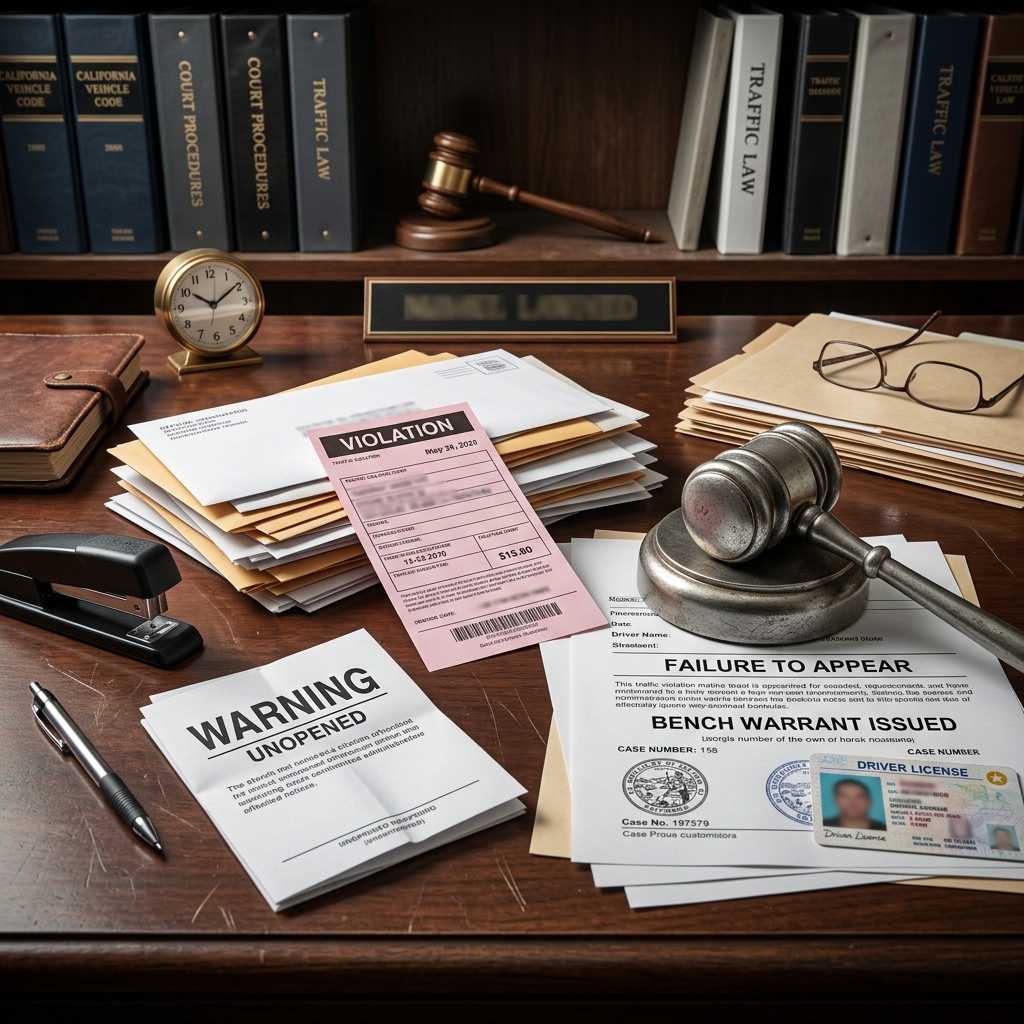
Ignoring a traffic ticket is rarely a harmless delay. In many states, a missed deadline can lead to added fees, court consequences, license trouble, and in some situations even a warrant for your arrest. The original citation may look minor, but the fallout from doing nothing often becomes much more expensive and disruptive than handling the ticket on time.
The exact outcome depends on the type of violation, the court that issued the ticket, and whether the citation required a payment, a written response, or a personal court appearance. Still, the basic pattern is the same: when a ticket is left unresolved, the matter usually escalates rather than disappears.
The first problem is usually more money
The most immediate effect of ignoring a traffic ticket is financial. Courts commonly add late fees, administrative charges, and other penalties once a deadline passes. What began as a manageable fine can quickly turn into a much larger debt.
In some places, the amount owed may continue to grow until the citation is resolved. If a driver waits too long, the court may also add collection-related costs or reinstatement fees later in the process. That means the total cost of delay can become far higher than the original fine.
- Late fees may be added after the due date
- Administrative charges may increase the total balance
- Reinstatement or compliance fees may apply later
- Unpaid balances may be sent to collections in some jurisdictions
The ticket may turn into a court default
When a driver does not respond to a citation, the court may treat the case as an unresolved default. That can mean the court acts as though the driver failed to answer the charge, failed to appear, or failed to comply with the ticket’s instructions.
This matters because once a ticket reaches that stage, the person receiving it often loses the chance to contest it in the normal way. If the deadline has passed, the court may proceed without hearing the driver’s explanation, especially if the ticket required a formal response or a mandatory appearance.
In practical terms, ignoring the citation can eliminate options that would have been available earlier, including requesting a hearing, negotiating a resolution, or asking for a reduced penalty.
Missing the deadline can affect your driving record
Traffic citations are not just about the fine. They can also create points, convictions, or other marks on a driving record once they are resolved by default or reported to the motor vehicle agency. Those entries may matter for both legal and insurance reasons.
Depending on the violation and the state, unresolved tickets may lead to points on the license or an automatic conviction for the offense. More points can bring additional penalties if a driver already has prior violations. They can also make a future traffic stop or court interaction more serious.
| Possible record impact | Why it matters |
|---|---|
| Points on the license | Can contribute to future suspension or higher penalties |
| Conviction or default judgment | May stay on the driving history and affect later cases |
| Report to motor vehicle authorities | Can trigger action on your license status |
License suspension is a common consequence
One of the most serious outcomes of ignoring a traffic ticket is a suspended driver’s license. Courts or licensing agencies may suspend driving privileges when a driver fails to pay, fails to appear, or fails to satisfy another requirement tied to the citation.
In many states, the court notifies the motor vehicle department after the deadline passes. Once that happens, the agency may place a hold on the license or issue a suspension until the matter is resolved. Drivers sometimes do not learn about the suspension until they try to renew their license or are stopped by police.
Driving with a suspended license can create a separate violation, which often brings additional penalties. That makes the original ticket far more serious than it first appeared.
- The state may suspend the license after notice from the court
- Renewal or registration problems may follow
- Driving while suspended can create a new violation
- Reinstatement may require payment of several separate fees
Failure to appear can lead to a warrant
Some traffic tickets require the driver to show up in court rather than simply pay the fine. If that appearance is missed, the court may treat the case as a failure to appear and issue a bench warrant or similar order.
A warrant does not always mean immediate arrest at home, but it can have serious practical effects. A driver may be taken into custody during a traffic stop, when renewing documents, or if another law enforcement contact reveals the outstanding warrant.
In other words, a ticket that starts as an administrative problem can become a legal enforcement issue. The longer the situation remains unresolved, the harder it usually becomes to fix quickly and quietly.
Insurance costs may rise after the ticket is ignored
Traffic violations can influence insurance rates, especially if the unresolved ticket leads to a conviction, points, or a suspension. Insurers often review a driver’s record when setting premiums, and a citation that becomes a formal violation may make coverage more expensive.
Even a relatively minor offense can affect how a carrier views risk. If the ticket results in a suspension or multiple points, the financial effect may last much longer than the original fine. In some cases, a driver may also face difficulty shopping for better rates after the violation appears on the record.
That means ignoring a ticket can create indirect costs that are easy to overlook at first but significant over time.
Out-of-state tickets are not always safe to ignore
Some drivers assume an out-of-state ticket can be forgotten once they return home. That is a mistake. Many states exchange information about traffic violations, and unpaid tickets may still affect a driver’s record, license status, or ability to renew documents in the home state.
This is especially important for people who travel often or live near state lines. A ticket received elsewhere may still follow the driver through court notifications, interstate record systems, or motor vehicle reporting rules. Ignoring it can create problems long after the trip ends.
If the original citation came from another state, it is still important to read the instructions carefully and respond before the deadline.
Some violations can become more serious than a traffic matter
Not every citation is treated the same way. While many tickets are civil or administrative in nature, some violations carry criminal exposure, especially if the driver ignores a court order, misses a mandatory appearance, or is cited for conduct that is already criminal under state law.
Once that happens, the consequences may extend beyond traffic penalties. A driver may face a criminal case, more severe fines, possible jail exposure in some jurisdictions, and a lasting mark on the record. That is one reason it is important to take every citation seriously, even if the charge seems routine at first glance.
What to do instead of ignoring the ticket
If you receive a traffic citation, the safest approach is to read it immediately and calendar the deadline. The ticket should explain whether you must pay, contest the charge, or appear in court. If anything is unclear, contact the court or a qualified lawyer before the deadline passes.
There are usually several options that are better than doing nothing:
- Pay the ticket by the deadline if you accept the violation
- Request a hearing if you want to contest the charge
- Ask about a payment plan if the court allows one
- Check whether traffic school or another diversion option is available
- Get legal advice if the ticket could lead to suspension or a warrant
Acting early can preserve more choices and may reduce the total amount you end up paying.
How to tell when a ticket deserves immediate attention
Some tickets are simple and can be paid quickly. Others need a closer look because they involve a required court date, a possible license hold, or a charge that could carry more serious consequences. A careful review matters because the wrong assumption can lead to missed deadlines.
You should pay special attention if the citation includes any of the following:
- A mandatory court appearance
- A warning about suspension or noncompliance
- Prior unpaid citations on your record
- A commercial driver’s license or professional driving role
- An out-of-state citation
In those situations, it is often wise to respond quickly rather than wait and see what happens.
Frequently asked questions
Will a traffic ticket go away if I ignore it?
No. In many cases, the court adds fees, reports the issue to licensing authorities, or escalates the case into a default, suspension, or warrant process.
Can I lose my license for not paying a ticket?
Yes. Many jurisdictions can suspend a driver’s license for nonpayment or failure to appear, even if the original violation was minor.
Can police arrest me for an unpaid ticket?
If a warrant has been issued, a police officer may be able to arrest you during a stop or another lawful encounter.
Will ignoring the ticket make it cheaper later?
Usually not. The balance often increases because of late fees, court costs, reinstatement charges, or other penalties.
Can an unpaid ticket affect my insurance?
Yes. If the ticket leads to points, a conviction, or a suspension, an insurer may treat you as a higher-risk driver.
References
- Traffic Tickets and Fines — United States Courts. 2025-01-01. https://www.uscourts.gov
- State Traffic Violation and License Suspension Information — New York State Department of Motor Vehicles. 2025-01-01. https://dmv.ny.gov
- Driver License Suspensions and Traffic Offenses — Texas Department of Public Safety. 2025-01-01. https://www.dps.texas.gov
- Traffic Violations and Court Procedures — California Courts. 2025-01-01. https://www.courts.ca.gov
- Driving Record Points and Insurance Impacts — National Association of Insurance Commissioners. 2025-01-01. https://content.naic.org
Similar Articles








Read full bio of Sneha Tete


