
What an Elder Law Attorney Actually Does
Understanding the real role of elder law attorneys in protecting seniors and families.
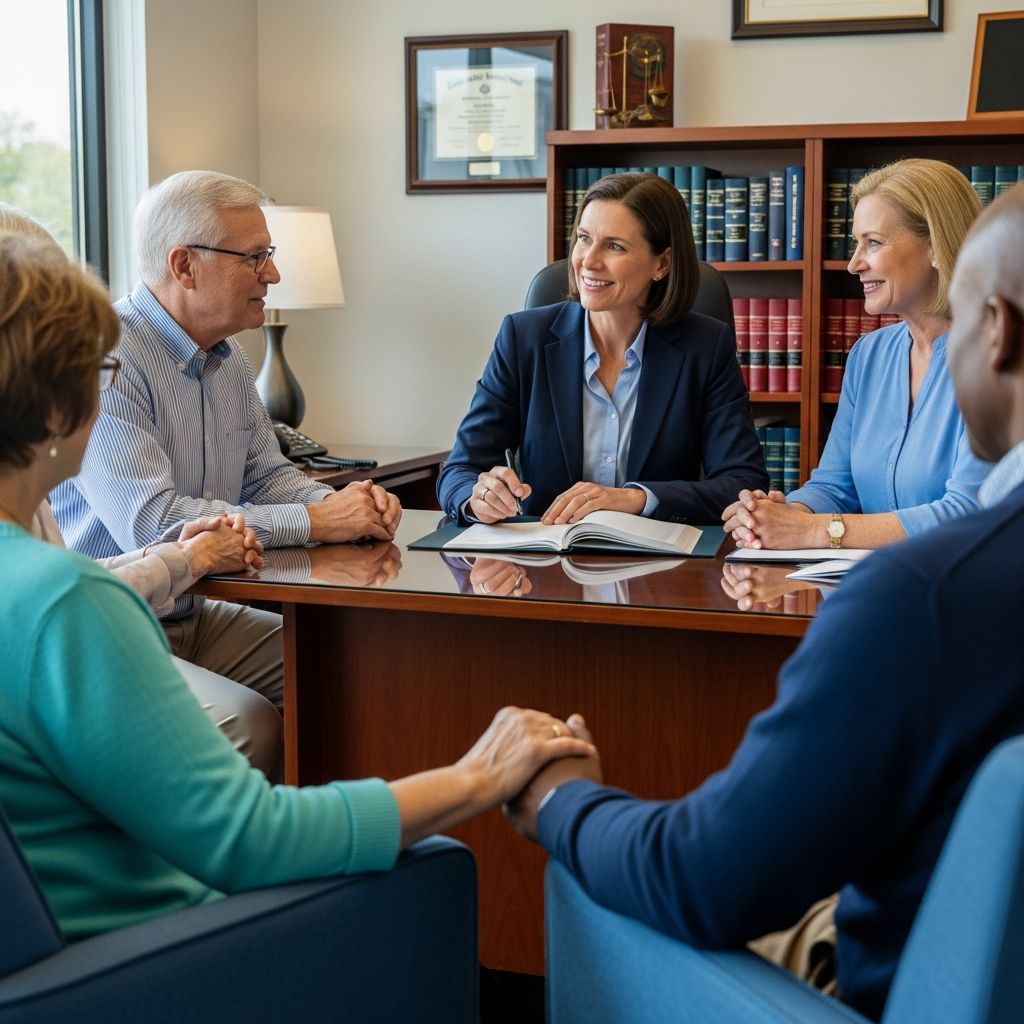
Understanding the Role of an Elder Law Attorney
As people age, their legal and financial needs become more complex. Health changes, retirement income, long-term care, and estate planning all require careful coordination. An elder law attorney is a legal professional who focuses specifically on the unique challenges faced by older adults and their families. These attorneys don’t just draft wills or handle probate; they help clients plan for the future, protect assets, access government benefits, and ensure that personal and medical decisions are respected if someone becomes unable to make them.
Planning for Long-Term Care and Health Decisions
One of the most important roles of an elder law attorney is helping clients and families plan for long-term care. This includes evaluating options such as in-home care, assisted living, and nursing homes, and understanding how each choice affects finances and quality of life.
Key areas of focus include:
- Assessing current and future care needs based on health and mobility
- Comparing the costs and services of different care settings
- Planning for how care will be paid for, including private funds, long-term care insurance, and government programs
- Helping families choose appropriate facilities and understand contracts and admission agreements
Because long-term care can be extremely expensive, early planning is critical. An elder law attorney can help clients structure their finances in a way that preserves assets while still qualifying for assistance when needed.
Medicaid and Government Benefits Guidance
Medicaid is a major source of funding for long-term care, especially nursing home care, but qualifying for it is not simple. Each state has its own rules about income, assets, and the so-called “look-back period,” which examines financial transfers made in the past five years.
An elder law attorney helps clients:
- Determine eligibility for Medicaid and other programs like Medicare, VA benefits, and Supplemental Security Income (SSI)
- Understand how income and assets affect qualification
- Plan transfers of assets in a way that complies with Medicaid rules and avoids penalties
- Appeal denials or reductions in benefits when necessary
Because Medicaid rules are complex and vary by state, having an attorney who specializes in elder law is often essential to avoid costly mistakes and ensure that clients receive the benefits they are entitled to.
Protecting Assets and Avoiding Financial Loss
Many seniors worry about losing their life savings to the high cost of long-term care or to scams and financial abuse. Elder law attorneys help protect assets through a combination of legal tools and proactive planning.
Common strategies include:
- Creating trusts that allow for management of assets if someone becomes incapacitated
- Structuring ownership of homes, bank accounts, and investments to reduce exposure to care costs
- Setting up powers of attorney and other documents that allow trusted family members to manage finances
- Putting safeguards in place to detect and prevent financial exploitation
These tools are not just about saving money; they are about giving clients control over their own lives and ensuring that their wishes are followed, even if they can no longer speak for themselves.
Advance Directives and Powers of Attorney
When a person becomes unable to make decisions due to illness or cognitive decline, someone else must step in. Without proper planning, this often requires a court process that is time-consuming, expensive, and stressful for families.
An elder law attorney helps clients avoid this by creating:
- Financial Power of Attorney: A document that names someone to manage finances, pay bills, and handle property if the client becomes incapacitated.
- Health Care Power of Attorney: A document that designates a trusted person to make medical decisions when the client cannot.
- Living Will or Advance Directive: A statement of the client’s wishes about life-sustaining treatment, resuscitation, and other end-of-life care.
These documents are especially important for people with conditions like dementia or Alzheimer’s, where decision-making ability may decline over time. By putting them in place early, clients maintain control and reduce the risk of family conflict later.
Guardianship and Conservatorship: When Court Involvement Is Needed
Despite best efforts, there are times when a person becomes incapacitated without having signed powers of attorney or advance directives. In these cases, a family member or other interested party may need to ask the court to appoint a guardian (for personal decisions) or conservator (for financial decisions).
Guardianship proceedings can be complex and emotionally difficult. An elder law attorney can:
- Advise whether guardianship is truly necessary or if less restrictive options exist
- Help prepare and file the required legal paperwork
- Represent the proposed guardian or the incapacitated person in court
- Ensure that the process follows state law and protects the rights of the individual
Because guardianship removes some of a person’s legal rights, courts take these cases seriously. Having an experienced attorney increases the chances of a smooth process and a decision that truly serves the senior’s best interests.
Estate Planning That Reflects Real-Life Needs
While many people think of estate planning as simply writing a will, elder law attorneys take a broader view. Their goal is not just to distribute assets after death, but to ensure that the client’s wishes are followed during life and that the estate is structured to minimize taxes, avoid probate, and protect beneficiaries.
Typical estate planning services include:
- Drafting wills that clearly state how assets should be distributed
- Creating revocable or irrevocable trusts to manage assets during life and after death
- Planning for blended families, second marriages, and children from previous relationships
- Addressing special needs beneficiaries through special needs trusts
- Coordinating beneficiary designations on retirement accounts, life insurance, and other assets
Because estate planning is closely tied to long-term care and Medicaid planning, an elder law attorney is often better equipped than a general estate planner to handle the full picture of an older client’s situation.
Preventing and Responding to Elder Abuse
Unfortunately, older adults are often targets of abuse, neglect, and financial exploitation. This can happen in the home, in assisted living facilities, or in nursing homes, and it can involve family members, caregivers, or strangers.
Elder law attorneys play a key role in both prevention and response:
- Helping families recognize warning signs of abuse or financial exploitation
- Setting up financial controls, such as requiring co-signatures on accounts or limiting access to certain assets
- Reporting suspected abuse to adult protective services or law enforcement
- Taking legal action to recover stolen assets or remove an abusive caregiver or guardian
- Advocating for better care and conditions in long-term care facilities
Because elder abuse can be subtle and emotionally charged, having an attorney who understands both the legal and human aspects of these situations is invaluable.
Special Situations: Veterans, Special Needs, and Blended Families
Many seniors have unique circumstances that require specialized planning. Elder law attorneys are often experienced in handling:
- Veterans benefits: Helping eligible veterans and their spouses access Aid and Attendance benefits, which can help pay for long-term care.
- Special needs planning: Creating special needs trusts so that a disabled beneficiary can receive government benefits without losing eligibility due to an inheritance.
- Blended families: Addressing the needs of stepchildren, children from previous marriages, and new spouses in estate and care planning.
- Divorce or separation in later life: Planning for asset division, spousal support, and long-term care needs after a late-life divorce.
These situations often involve overlapping legal, financial, and emotional issues, and an elder law attorney can help clients navigate them with clarity and confidence.
When to Consult an Elder Law Attorney
Many people wait until a crisis occurs before seeking legal help, but the best time to consult an elder law attorney is before problems arise. Consider reaching out when:
- A family member is diagnosed with a serious illness or dementia
- There are concerns about long-term care costs or how to pay for nursing home care
- Someone is approaching retirement and wants to plan for future care and asset protection
- There are signs of financial exploitation or abuse
- A family member is already in a nursing home and Medicaid planning is needed
- There is a need to create or update powers of attorney, advance directives, or estate plans
Even if no immediate crisis exists, an initial consultation can help families understand their options and create a roadmap for the future.
How Elder Law Attorneys Work With Other Professionals
Elder law is inherently interdisciplinary. Attorneys in this field often collaborate with:
- Financial planners and advisors to coordinate investment and retirement strategies
- Accountants and tax professionals to minimize taxes and ensure compliance with IRS rules
- Doctors, social workers, and care managers to understand medical needs and care options
- Insurance agents to review long-term care and life insurance policies
- Other legal specialists, such as real estate or business attorneys, when relevant
This team approach ensures that legal planning is aligned with financial, medical, and personal goals, giving clients a more complete and effective plan.
Choosing the Right Elder Law Attorney
Not all attorneys who handle wills or probate are true elder law specialists. When selecting an attorney, look for:
- Membership in professional organizations like the National Academy of Elder Law Attorneys (NAELA)
- Experience specifically with Medicaid planning, long-term care, and guardianship
- A practice focused primarily on older adults and people with disabilities
- Clear communication and a willingness to explain complex issues in plain language
- Comfort with discussing sensitive topics like death, incapacity, and family conflict
It’s also helpful to ask about fees, how the attorney prefers to communicate, and whether they offer initial consultations.
Frequently Asked Questions
What’s the difference between an elder law attorney and a general estate planning attorney?
An estate planning attorney typically focuses on wills, trusts, and probate. An elder law attorney has that knowledge but also specializes in long-term care planning, Medicaid, guardianship, and protecting seniors from abuse and financial loss. Elder law attorneys are better equipped to handle the full range of issues that arise as people age.
Can an elder law attorney help if my parent is already in a nursing home?
Yes. Even if a parent is already in a nursing home, an elder law attorney can help with Medicaid planning, asset protection, and ensuring that the facility is providing appropriate care. They can also review contracts and help with appeals if benefits are denied.
Do I need an elder law attorney if my family has modest assets?
Yes, especially if long-term care is a concern. Medicaid planning is often most important for middle-income families who have too many assets to qualify for benefits but not enough to pay for years of nursing home care. An elder law attorney can help structure finances to protect what the family has while still qualifying for assistance.
Can an elder law attorney help with VA benefits?
Many elder law attorneys are experienced in helping veterans and their spouses apply for VA benefits, including Aid and Attendance, which can help cover the cost of long-term care. They can advise on eligibility, help with applications, and appeal denials.
What if my family disagrees about care or finances?
Elder law attorneys can help mediate family disagreements and ensure that decisions are based on the senior’s best interests and wishes. They can also help set up decision-making structures, such as powers of attorney, to reduce conflict and clarify who has authority to act.
References
- National Academy of Elder Law Attorneys (NAELA) – What is Elder Law? — National Academy of Elder Law Attorneys. Accessed 2025. https://www.naela.org
- Medicaid Eligibility Handbook — Centers for Medicare & Medicaid Services (CMS). Updated 2024. https://www.medicaid.gov
- VA Aid and Attendance Benefit — U.S. Department of Veterans Affairs. Updated 2024. https://www.va.gov
Similar Articles








Read full bio of Sneha Tete


