
Voter ID Requirements Across the United States
Understanding state-by-state identification rules for voting in elections.
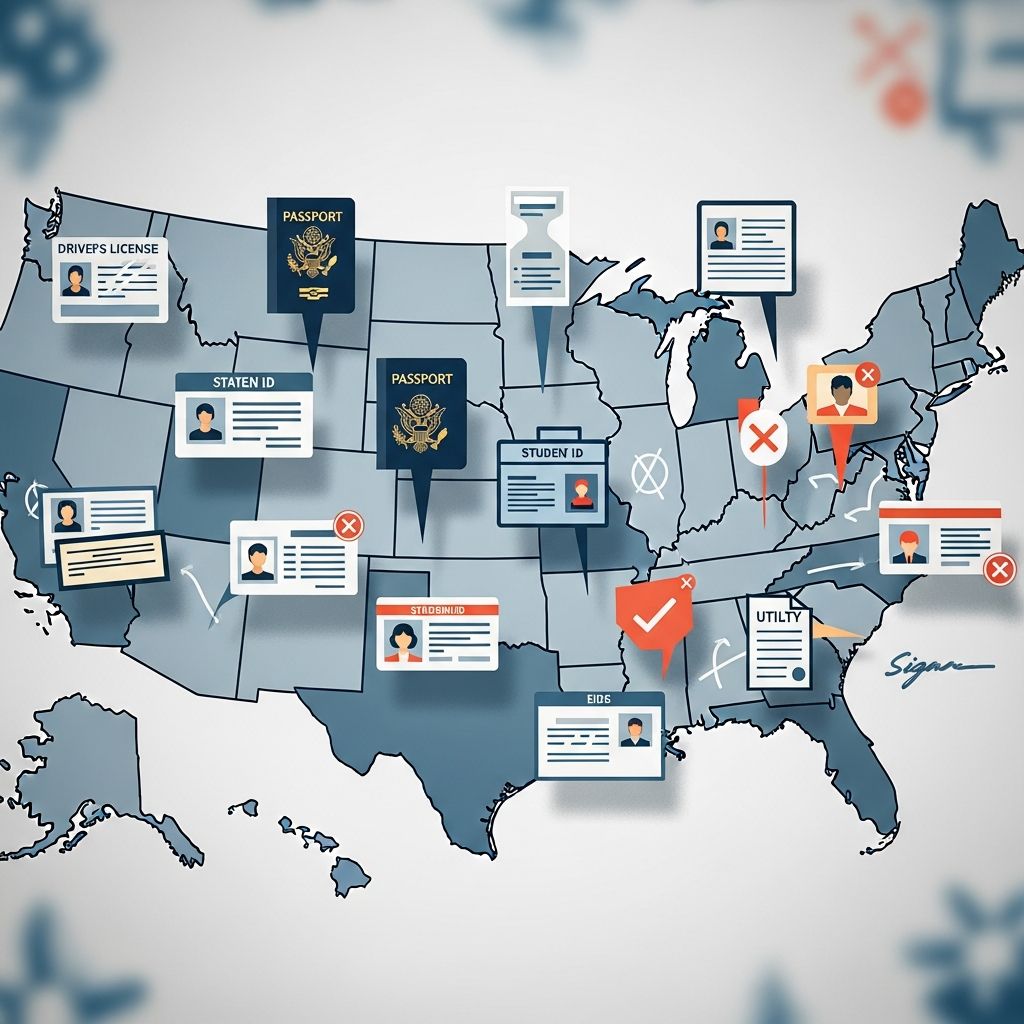
Understanding Voter Identification Requirements at the Polls
The ability to cast a ballot is a fundamental right in democratic society, yet the requirements to exercise this right vary significantly across the United States. One of the most debated aspects of voting access involves identification requirements at the polling place. Whether voters must present identification, what forms of identification are acceptable, and how strictly these requirements are enforced differ from state to state, creating a complex patchwork of election rules that citizens must navigate.
The Help America Vote Act establishes that all United States citizens must provide identification when registering to vote for the first time. However, the rules governing identification requirements at the actual polling place on Election Day—when citizens cast their votes—are determined by individual states. This creates substantial variation in voting procedures across the nation.
The National Landscape of ID Requirements
Current data reveals a divided nation regarding in-person voter identification mandates. According to recent surveys, thirty-five states require voters to furnish some form of identification when voting at the polls on Election Day. Conversely, sixteen states do not require voters to present identification at the polling place, though these states typically employ alternative verification methods to confirm voter eligibility.
Among the states that do require identification, the type of identification accepted varies considerably. Twenty-three states specifically require identification that includes a photograph, while twelve states accept identification documents that do not contain a photograph. This distinction creates important differences in what voters must prepare before casting their ballots.
States Implementing Strict Photo Identification Policies
A subset of states takes a rigorous approach to voter identification by requiring valid photo ID and offering few alternatives for those unable to present such documentation. These jurisdictions are categorized as “strict” photo ID states, meaning voters cannot simply cast a regular ballot if they lack the required identification. Instead, they must take additional steps, such as signing an affidavit or casting a provisional ballot that will only be counted after election officials verify the person’s eligibility.
The states enforcing strict photo ID requirements include:
- Alabama
- Georgia
- Indiana
- Kansas
- Mississippi
- North Dakota
- Tennessee
- Wisconsin
In these jurisdictions, voters should ensure they possess a valid government-issued photo ID before arriving at their polling place. Acceptable documents typically include driver’s licenses, state identification cards, passports, or military identification. The specific requirements and acceptable forms of identification can vary, so voters in these states are encouraged to verify their state’s particular rules in advance.
Flexible Photo ID Requirements with Limited Alternatives
A larger group of states takes a more moderate approach, requiring photo identification but allowing limited alternatives for voters who cannot present acceptable photo ID. These “non-strict” photo ID states still request identification but permit voters without such documents to cast ballots through provisional voting or other accommodations. The additional steps required typically involve signing affidavits or having election officials verify voter eligibility through other means.
States in this category include:
- Florida
- Idaho
- Iowa
- Louisiana
- Michigan
- Missouri
- New Hampshire
- North Carolina
- Rhode Island
- South Carolina
- South Dakota
- Texas
Voters in these states should still bring photo identification if possible, as it expedites the voting process. However, the absence of acceptable photo ID does not necessarily prevent voting; instead, it may require additional verification procedures or provisional ballot casting. Understanding these nuances helps voters prepare appropriately and avoid unexpected complications on Election Day.
Non-Photo Identification Acceptance
Recognizing that not all citizens possess government-issued photo identification, some states accept identification documents that lack photographs. These states still require voters to present identification but offer more flexible options regarding what constitutes acceptable proof of identity. Acceptable non-photo identification typically includes documents such as voter registration cards, hunting licenses, bank statements, utility bills, or other official documents bearing the voter’s name.
States accepting non-photo identification include:
- Alaska
- Arizona
- Arkansas
- Colorado
- Connecticut
- Delaware
- Hawaii
- Kentucky
- Montana
- Ohio
- Oklahoma
- Utah
- Virginia
- Washington
- West Virginia
In these jurisdictions, voters have multiple documentation options to choose from when verifying their identity. This approach aims to reduce barriers to voting for citizens who may not possess driver’s licenses or state identification cards while still maintaining election security through verification procedures. Voters should confirm what specific documents their state accepts, as acceptable forms of identification vary by jurisdiction.
States Without Voter ID Requirements
A significant portion of the country has chosen not to require identification at the polling place. Sixteen states currently do not require voters to present identification when casting ballots in person. In these jurisdictions, voter eligibility is confirmed through alternative means, such as signature verification, voter registration database checks, or other administrative procedures.
States with no identification requirement at the polls include:
- California
- Illinois
- Maine
- Maryland
- Massachusetts
- Minnesota
- Nevada
- New Jersey
- New Mexico
- New York
- Oregon
- Pennsylvania
- Vermont
- Wyoming
- District of Columbia
In these states and the District of Columbia, voters can proceed directly to the ballot without presenting identification documents. Election officials instead verify voter eligibility through registration records and other administrative checks. While some of these states may request identification from first-time voters or those with incomplete registration information, the absence of a strict ID requirement reflects a policy approach prioritizing voter access.
Special Circumstances and First-Time Voter Rules
Even in states that do not generally require identification, special rules often apply to first-time voters or individuals with incomplete voter registration records. Several states that appear to have no identification requirements may nonetheless request photo identification from voters casting ballots for the first time in their precinct or those whose registration information is incomplete. This dual approach balances election security with voting access by applying additional verification measures only when necessary.
Citizens who are voting for the first time should confirm whether their state applies special rules to their situation. Additionally, voters who have moved to a new precinct or jurisdiction should verify any special identification requirements that might apply. Taking these steps before Election Day helps ensure a smooth voting experience without unexpected delays or complications.
Preparing to Vote: Best Practices Regardless of State Rules
Regardless of whether your state requires identification, taking certain preparatory steps can improve your voting experience. First, verify your state’s specific identification requirements well in advance of Election Day. This information is typically available through your state’s election office website or nonpartisan voter information resources. Knowing the rules specific to your jurisdiction eliminates uncertainty on voting day.
Second, if your state accepts identification, bring an acceptable document even if not strictly required. Having identification readily available expedites the voting process and prevents any potential complications. Acceptable forms typically include:
- Driver’s license or state identification card
- Passport or passport card
- Military identification
- Voter registration card
- Utility bills or bank statements
- Official government documents bearing your name
Third, confirm your voter registration status before Election Day. Verify that your registration is current and that your information is accurate. If you have recently moved or changed your name, update your registration promptly. Many states allow online registration or status verification through their election offices.
The Debate Over Voter ID Requirements
Voter identification requirements remain a subject of significant policy debate in the United States. Proponents of strict ID requirements argue that such measures protect election integrity by preventing fraud and ensuring that only eligible voters cast ballots. They contend that identification requirements are reasonable security measures comparable to other forms of verification required in society.
Conversely, opponents argue that ID requirements create unnecessary barriers to voting, particularly for elderly citizens, people with disabilities, and socioeconomically disadvantaged individuals who may have difficulty obtaining acceptable identification documents. They note that documented voter fraud is extremely rare and that ID requirements may disenfranchise eligible voters who lack qualifying documents.
This debate has resulted in the diverse landscape of state requirements observed today. Different jurisdictions have reached different conclusions about the appropriate balance between election security and voting access, creating the varied requirements that voters across the nation must navigate.
Population Distribution Across Different ID Regimes
The impact of voter ID requirements varies significantly based on where Americans live. Approximately thirty-seven percent of the U.S. population resides in states with no identification requirement but with alternative verification procedures in place. These residents can vote without presenting identification, relying instead on signature verification and registration database checks. The remaining population is distributed across states with varying levels of ID requirements, from strict photo ID mandates to flexible non-photo identification acceptance.
Frequently Asked Questions About Voter ID Requirements
Q: What should I do if I don’t have identification but live in a state that requires it?
A: If your state requires identification, verify whether non-photo ID alternatives are accepted. If you lack any acceptable identification, contact your state or local election office to understand accommodations available. Many jurisdictions allow provisional ballot casting with subsequent verification of eligibility. Some states may accept signed affidavits as alternatives to identification.
Q: Can I use expired identification to vote?
A: This depends on your state’s rules. Some states accept expired photo identification if it is still recognizable, while others require only unexpired identification. Check your state’s specific requirements to confirm whether expired documents are acceptable.
Q: Do I need identification if I am voting by mail?
A: Mail-in voting has different requirements than in-person voting. Generally, mail-in ballots do not require identification in the same way as polling place voting. However, signature verification and other confirmation procedures apply. Contact your election office regarding specific requirements for mail-in voting in your state.
Q: What happens if I arrive at the polls without acceptable identification in a strict ID state?
A: In strict photo ID states, you will typically be offered a provisional ballot, which is set aside for later verification. Election officials will subsequently verify your eligibility and determine whether your provisional ballot counts. You may also have the opportunity to sign an affidavit or provide alternative verification of your identity.
Q: How can I find current information about my state’s requirements?
A: Visit your state’s election office website for the most current and authoritative information. The Secretary of State’s office and county election offices maintain official guidance on voter identification requirements. Additionally, nonpartisan voter information organizations maintain state-by-state directories of voting requirements.
Conclusion
Voter identification requirements in the United States reflect a complex balance between competing values and policy objectives. From strict photo ID mandates to states with no identification requirements, the American voting system encompasses diverse approaches to verifying voter eligibility. Understanding these requirements is essential for all citizens planning to exercise their voting rights. By learning your state’s specific rules, preparing appropriate documentation, and confirming your voter registration in advance, you can help ensure a smooth voting experience and reduce the likelihood of complications on Election Day. The variation in state requirements reflects federalism in action, with individual jurisdictions determining approaches that align with their policy priorities and communities’ needs.
References
- In-Person Voter ID at Polls — U.S. Vote Foundation. 2026-04-02. https://www.usvotefoundation.org/2026-in-person-voter-id-polls-by-state
- Voter Identification Requirements for In-Person Voting — Movement Advancement Project (MAP). 2026-04-02. https://www.lgbtmap.org/democracy-maps/in_person_voting
- The Help America Vote Act, 20 Years Later — National Conference of State Legislatures (NCSL). 2025-03-11. https://www.ncsl.org/state-legislatures-news/details/the-help-america-vote-act-20-years-later
- Voter ID Laws — National Conference of State Legislatures (NCSL). 2025-03-11. https://www.ncsl.org/elections-and-campaigns/voter-id
- Check Your State Rules — VoteRiders. 2026. https://voteriders.org/staterules/
Similar Articles








Read full bio of medha deb




