
Vehicle Vandalism Laws: Legal Consequences of Intentional Car Damage
Understanding the criminal penalties and legal ramifications of deliberately damaging someone's vehicle.
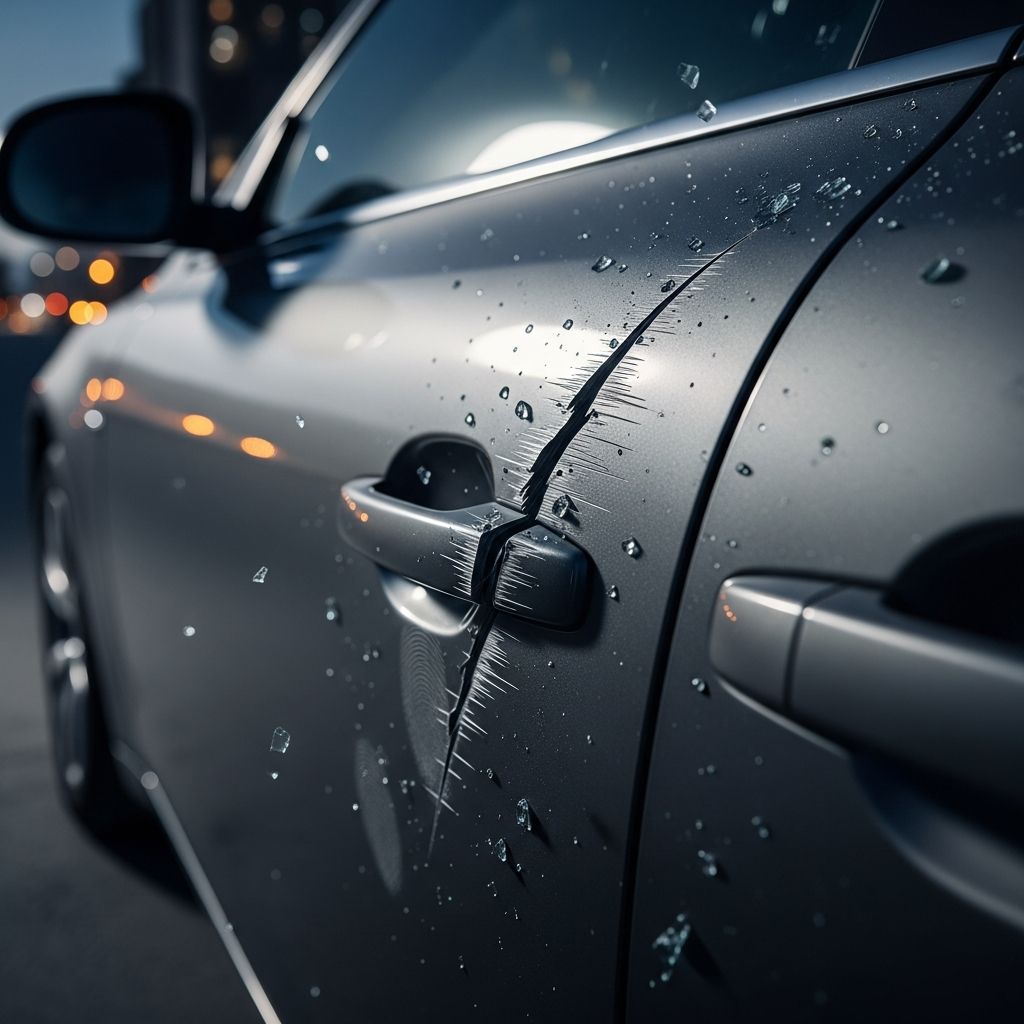
Understanding Vehicle Vandalism as a Criminal Offense
The deliberate scratching or defacement of someone’s vehicle represents more than a minor inconvenience—it constitutes a serious criminal matter in virtually all jurisdictions. When an individual intentionally damages another person’s automobile through methods such as keying, the action falls squarely within the legal definition of malicious destruction of property. This classification exists because courts and legislatures recognize that such conduct violates fundamental property rights and causes genuine financial harm to victims.
The legal system treats intentional vehicle damage with considerable seriousness, recognizing that these acts are deliberate violations of another person’s right to use and enjoy their possessions. Courts have consistently held that the manner in which damage is inflicted—whether through keying, slashing tires, or spray painting—does not diminish the criminal nature of the conduct. Rather, prosecutors evaluate the totality of circumstances to determine appropriate charges and sentencing recommendations.
Classification as Property Crime and Legal Definitions
Vehicle keying and similar vandalism incidents fall within the broader category of property crimes. These offenses specifically target the destruction, damage, or defacement of another person’s tangible property without authorization or legitimate justification. The key element distinguishing this conduct from accidental damage is the perpetrator’s intentional or reckless state of mind.
Legal definitions vary somewhat across jurisdictions, but most statutes require prosecutors to establish that the defendant acted knowingly and intentionally when causing the damage. Some jurisdictions also recognize variations based on recklessness—where the perpetrator knew or should have known that their actions would likely result in property damage. The specific language of applicable statutes determines whether intent or recklessness must be proven beyond a reasonable doubt.
Misdemeanor versus Felony Classification
The distinction between misdemeanor and felony charges in vehicle vandalism cases typically hinges on the monetary value of the damage caused. In Massachusetts, for example, repair costs exceeding $250 generally trigger felony classification, while damage valued below that threshold remains a misdemeanor offense. This damage-based threshold varies considerably among states, with some jurisdictions establishing higher or lower financial cutoffs.
The significance of this classification cannot be overstated. A felony conviction carries substantially more severe consequences than a misdemeanor adjudication, including longer potential prison sentences, higher fines, and more lasting collateral consequences affecting employment, housing, and professional licensing. Conversely, misdemeanor charges, while still serious, typically result in shorter jail sentences and lower fines.
In Virginia, for instance, destruction of property causing damage valued under $1,000 constitutes a misdemeanor punishable by up to one year of incarceration. When damage exceeds this threshold, the charge escalates to a Class 6 felony, permitting imprisonment for up to five years. Understanding these jurisdictional differences becomes crucial when evaluating the potential consequences in specific cases.
Potential Penalties and Sentencing Considerations
The consequences for vehicle vandalism extend far beyond the direct financial impact of repairs. Criminal penalties vary significantly based on the jurisdiction, the extent of damage, and whether aggravating factors exist. In the United Kingdom, keying a car that costs less than £5,000 to repair may result in a maximum fine of £2,500 and potentially three months imprisonment. More severe damage exceeding £5,000 in repair costs can lead to fines as high as £5,000 with similar or extended prison sentences.
Courts also consider whether any aggravating circumstances accompanied the offense. If the vandalism involved racial or religious motivation, many jurisdictions impose enhanced penalties. Young offenders typically face different sentencing considerations, often including community service requirements alongside monetary penalties.
Beyond incarceration and fines, convicted individuals may face:
- Restitution orders requiring payment for all repair costs and related expenses
- Probation periods with various conditions and restrictions
- Criminal record consequences affecting future employment prospects
- Driver’s license suspension or revocation in certain circumstances
- Mandatory counseling or educational programs
- Community service obligations
Probation Violations and Enhanced Consequences
For individuals already under probation, committing vehicle vandalism creates additional serious complications. A conviction for intentional property damage constitutes a direct violation of probation terms in virtually all cases. Such violations may result in the revocation of probation status, potentially requiring the offender to serve any remaining suspended sentence or face additional incarceration.
The implications extend beyond the immediate offense. Probation violations often trigger more stringent monitoring, increased supervision requirements, or the imposition of additional conditions. In some cases, probation revocation leads to harsher sentences than would have been imposed for the underlying vandalism charge alone.
Evidence Collection and Investigation Processes
Successfully prosecuting vehicle vandalism cases requires sufficient evidence establishing the perpetrator’s identity and intent. Eyewitness testimony from the victim or others present at the time of the incident provides valuable direct evidence. However, relying solely on witness identification can prove problematic if memory is unclear or the perpetrator fled quickly.
Security camera footage has become increasingly important in vandalism investigations. Victims should inquire whether the location where the incident occurred features surveillance cameras—either operated by private businesses, property owners, or municipal authorities. Dash cameras mounted in vehicles can also capture evidence of vandalism as it occurs. When pursuing footage from public surveillance systems, victims may need to work with law enforcement or provide specific incident details including date, time, location, and vehicle information.
Additional evidence gathering strategies include:
- Documenting damage through detailed photographs and video
- Obtaining repair estimates from qualified mechanics
- Preserving any physical evidence at the scene
- Identifying and interviewing potential witnesses
- Reviewing nearby business security footage
- Filing police reports to establish an official record
Civil Remedies and Insurance Considerations
Beyond criminal prosecution, victims of vehicle vandalism possess civil remedies allowing recovery of repair costs through lawsuits against identified perpetrators. Many comprehensive auto insurance policies cover vandalism-related damage, providing an alternative avenue for financial recovery without necessarily pursuing criminal charges. However, third-party only insurance policies typically exclude vandalism coverage.
Victims must weigh various factors when deciding whether to pursue insurance claims, including the deductible amount, potential impact on premiums, and extent of damage. Some insurance providers recognize that vandalism represents circumstances beyond the victim’s control and maintain no-claims discounts despite claims being filed. Others treat all claims similarly, potentially increasing premiums regardless of fault.
Reporting and Notification Obligations
Upon discovering vehicle vandalism, victims should contact law enforcement authorities through appropriate channels, typically by calling the non-emergency police line for incidents reported after the fact. In the United Kingdom, citizens contact police via the 101 non-emergency number. Even if authorities cannot immediately identify the perpetrator, they will generate a crime reference number essential for insurance claims and establishing an official record.
Simultaneously, victims should notify their insurance companies, providing all relevant details and the police reference number. Insurance companies require accurate information about the incident timing, location, and nature of damage to process claims properly. Early notification prevents potential claim denials based on delayed reporting.
Jurisdictional Variations in Vandalism Laws
Vehicle vandalism statutes vary substantially across different jurisdictions, affecting both prosecution strategies and potential penalties. Some states impose lighter penalties for first-time offenders, while others maintain consistent sentencing guidelines regardless of prior criminal history. Certain jurisdictions treat vandalism affecting commercial vehicles more severely than damage to personal automobiles.
International differences prove even more pronounced. While most developed nations criminalize intentional vehicle damage, the specific elements required for prosecution and the severity of available penalties differ considerably. Understanding applicable local statutes becomes essential for anyone facing potential charges in specific jurisdictions.
The Role of Intent and Malice in Prosecution
Prosecutors must establish that vehicle vandalism occurred intentionally—that the accused knew their actions would damage another’s property and proceeded anyway. This requirement distinguishes intentional vandalism from negligent or accidental property damage. The concept of “malice” in property crime statutes does not necessarily require hatred or ill-will in the colloquial sense; rather, legal malice simply means acting intentionally or with reckless disregard for the consequences.
Defenses to vandalism charges often focus on challenging whether the defendant acted with requisite intent. Claims of accidental damage, mistaken identity, or misunderstandings regarding property ownership may provide viable defensive theories in appropriate circumstances.
Frequently Asked Questions
Q: Is keying a car always prosecuted as a felony?
A: No. Most jurisdictions classify vehicle keying as a misdemeanor unless the repair costs exceed specified thresholds. For example, damage under $250 in Massachusetts typically remains a misdemeanor, while higher damage amounts trigger felony charges.
Q: Can victims pursue criminal charges without police assistance?
A: While victims cannot personally prosecute criminal cases, they can file reports and provide evidence to police and prosecutors. In some jurisdictions, victims can initiate proceedings by filing complaints at magistrate’s offices.
Q: What happens if someone on probation keys a car?
A: Such conduct violates probation terms and can result in probation revocation, potentially requiring the person to serve previously suspended sentences in addition to facing charges for the new vandalism offense.
Q: Does comprehensive insurance cover keyed car damage?
A: Most comprehensive policies include vandalism coverage, but not all do. Policyholders should verify their specific coverage by contacting insurance providers, as third-party only policies typically exclude vandalism.
Q: Can I recover damages through civil court if the perpetrator isn’t criminally prosecuted?
A: Yes. Civil lawsuits for damages may proceed independently of criminal prosecution. If you identify the perpetrator, you can sue for repair costs and related expenses in small claims or civil court.
Q: How important is video evidence in vandalism cases?
A: Video evidence substantially strengthens cases by definitively establishing the perpetrator’s identity and actions. Security camera footage from nearby businesses, dash cameras, or municipal CCTV systems often proves decisive in investigations.
References
- Is keying a car a crime? – Legal Answers — Avvo. 2026. https://www.avvo.com/legal-answers/is-keying-a-car-a-crime–2346706.html
- What should I do if someone has keyed my car? — Compare the Market. 2026. https://www.comparethemarket.com/car-insurance/content/what-to-do-if-someone-keyed-your-car/
- Is Keying a Car Illegal in Massachusetts? — Afford Law. 2026. https://www.youtube.com/watch?v=yZJB_wy0ZbI
Similar Articles








Read full bio of medha deb




