
Using BBB Scam Tracker to Outsmart Online Fraud
Learn how to use BBB Scam Tracker and smart shopping habits to avoid fake deals, phishing schemes, and other online scams before you click buy.
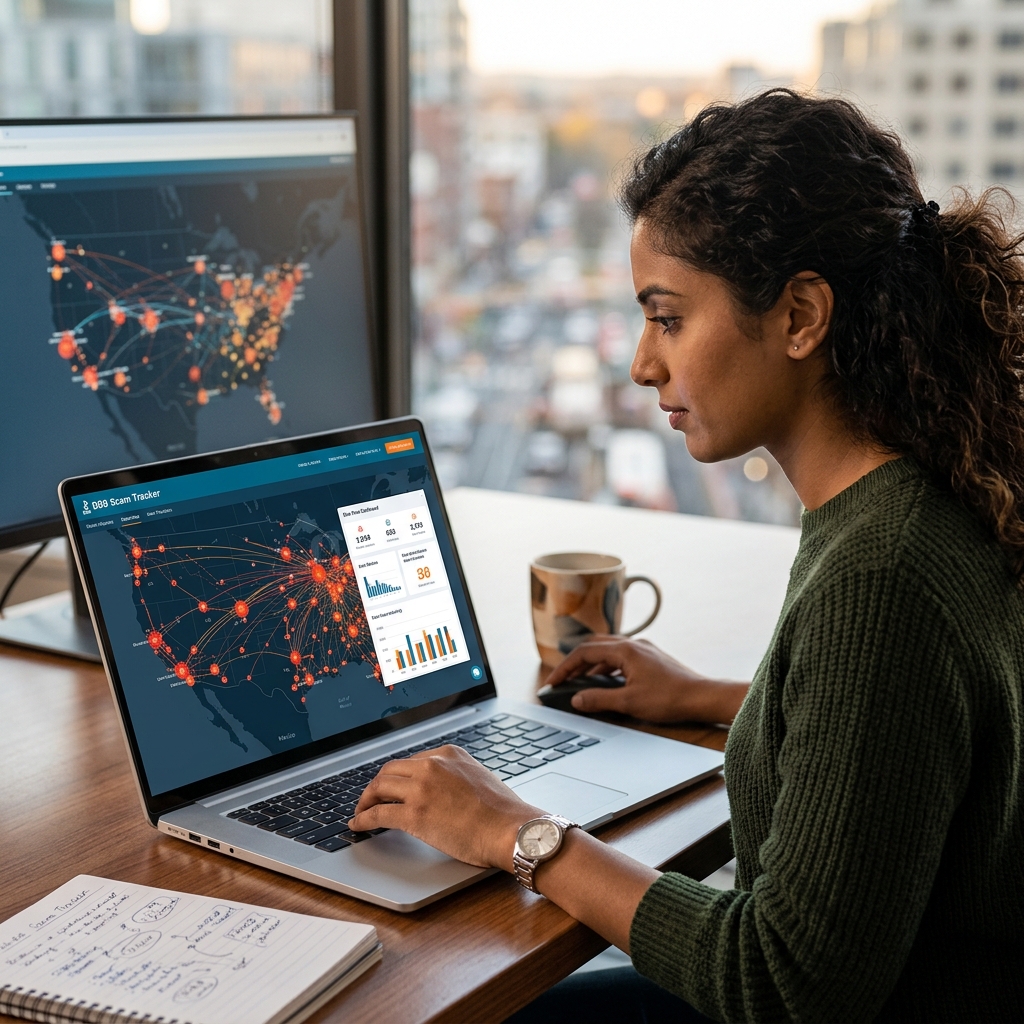
Online deals can be convenient and affordable, but they also attract fraudsters who design deceptive websites, fake social media offers, and bogus messages to steal your money or personal information. The Better Business Bureau (BBB) Scam Tracker is a free tool that helps you spot and report scams, making it easier to shop safely and avoid costly mistakes.
This guide explains how BBB Scam Tracker works, how to recognize common online shopping scams, and what steps you can take before, during, and after a purchase to protect yourself.
Why Online Deals Need Extra Caution
Online shopping has grown steadily for years, and with it, the number and complexity of scams. Fraudsters rely on speed, anonymity, and volume; a single fake promotion can reach thousands of potential victims in minutes. BBB regularly warns that online purchasing scams are among the top reported categories, especially around peak shopping seasons and major sales events.
Some reasons online deals are riskier than traditional purchases include:
- Distance and anonymity: You rarely see the seller or storefront in person, making it harder to verify legitimacy.
- High-pressure offers: Time-limited discounts, flash sales, and countdown timers can push you to act before you investigate.
- Easy impersonation: Scammers can copy logos, product photos, and design elements from real businesses to create convincing fake pages.
- Complex payment methods: Digital wallets, peer-to-peer payment apps, and cryptocurrency can make funds difficult or impossible to recover once sent.
Because of these risks, checking deals against tools like BBB Scam Tracker before completing a purchase can significantly reduce your chances of being scammed.
What Is BBB Scam Tracker and How Does It Help?
BBB Scam Tracker is an online database where consumers and businesses can report scams and search for fraud incidents in their area or related to specific companies, websites, phone numbers, or emails.
Key features include:
- Searchable scam reports: You can look up scams by keyword, business name, website, email, phone number, or location.
- Geographic filters: Users can search by ZIP code or region to see which scams are active in their community.
- Real-time warning system: Newly reported scams appear in the database quickly, helping others avoid the same trap.
- Reporting tool: Victims or targets of scams can submit details of what happened, even if they did not lose money, to assist investigations and warn others.
The BBB Institute for Marketplace Trust describes Scam Tracker as an online prevention and recovery tool that supports both consumers and businesses in identifying and avoiding fraudulent schemes.
How to Use BBB Scam Tracker Before You Click “Buy”
Using BBB Scam Tracker is straightforward, and even a brief search can reveal useful information about a seller or type of deal. Here is a step-by-step overview:
1. Start Your Search
When you encounter an online deal, especially one that seems unusually cheap or urgent, take a moment to search for relevant details.
- Open BBB Scam Tracker’s search page.
- Enter the website URL, company name, email address, or phone number associated with the deal.
- Optionally, add your ZIP code if you want to see scams reported near you.
2. Review Reported Incidents
Search results will show icons or entries describing different scams. Each report typically includes a brief description of the interaction, how the scam worked, whether money was lost, and any identifying details about the scammer.
Pay particular attention to:
- Patterns in complaints: Multiple reports of non-delivery, fake tracking numbers, or unexpected subscription charges suggest a serious issue.
- Similar offers or wording: If Scam Tracker shows reports about identical language or pricing used in your deal, treat this as a red flag.
- Recent activity: A cluster of new reports may indicate an ongoing campaign targeting current shoppers.
3. Decide Whether to Proceed
If Scam Tracker reveals several complaints or describes scams that closely match what you are seeing, it is safer to avoid the deal altogether. Even a single well-documented report may be enough reason to reconsider.
On the other hand, if you find no negative reports, you should still use basic safety checks—such as verifying the business through BBB’s main directory, reading independent reviews, and ensuring secure payment methods—but the absence of scam reports can be a helpful data point.
Common Online Shopping Scams You Can Spot
BBB frequently publishes alerts about online shopping scams, many of which follow repeating patterns. Understanding these patterns can help you interpret Scam Tracker entries and recognize danger signs even when a specific seller has not yet been reported.
Fake Online Stores and Non-Delivery
A classic online scam involves a professional-looking website selling popular goods at unusually low prices. Common features include:
- Limited or generic contact information (no physical address or only an email form).
- Copied product photos and descriptions from legitimate retailers.
- Only unconventional payment options, such as wire transfers or peer-to-peer apps.
Victims often report paying for items that never arrive, receiving incorrect products, or being sent fake tracking numbers. BBB has documented such scams involving everything from electronics to specialized items like shipping containers.
Social Media Discount Code Scams
According to BBB Scam Tracker reports, some scams spread via short videos or posts claiming to share insider discount codes from disgruntled employees or secret promotions.
Typical warning signs include:
- Stories about employees “getting revenge” by leaking codes.
- Links to unfamiliar sites asking for full payment and personal details.
- Promises of extremely steep discounts or free goods after paying small fees.
These offers often lead to non-delivery or unauthorized charges rather than legitimate savings.
Overpayment and Digital Wallet Tricks
Scams can also target people who are selling items online. BBB reports cases where buyers offer more than the asking price and then introduce complicated payment scenarios.
One pattern involves instructing the seller to upgrade their digital wallet or payment app in order to receive funds, sometimes by sending money to a third party or paying a “verification” fee. BBB Scam Tracker entries warn that these tactics are designed to trick sellers into sending money or credentials while receiving nothing in return.
Subscription and Trial Offer Scams
Complaints to BBB have described situations where consumers believed they were making a one-time purchase or trying a free sample but were actually enrolled in recurring subscription charges.
Warning signs include:
- Small initial charges that later escalate.
- Fine print hidden in lengthy terms and conditions.
- Difficult cancellation processes or unresponsive customer service.
Before signing up for trial offers, research the company, check Scam Tracker for similar complaints, and read all disclosures carefully.
Practical Safety Steps for Online Shoppers
BBB recommends combining Scam Tracker checks with basic online safety practices to reduce your risk of fraud. The table below summarizes practical steps you can take.
| Safety Step | Why It Matters |
|---|---|
| Search BBB Scam Tracker before purchasing | Shows reported scams involving similar businesses, URLs, or offers, helping you spot patterns of fraud. |
| Verify the business on BBB.org | BBB business profiles can show accreditation status, complaint history, and customer reviews. |
| Use secure payment methods | Credit cards often provide better fraud protection and dispute rights than wire transfers or peer-to-peer apps. |
| Watch for “too good to be true” pricing | Extremely low prices or unrealistic discounts are common hallmarks of fraudulent offers. |
| Check for clear contact information | Legitimate businesses typically list a physical address, phone number, and customer support channels. |
| Read independent reviews | Reviews from multiple sources can reveal whether others have had problems with non-delivery or unexpected charges. |
If You Encounter or Fall Victim to a Scam
Even careful shoppers can encounter sophisticated scams. Prompt action helps limit damage and protects others.
Report the Scam to BBB
BBB encourages anyone who has encountered a scam, whether or not money was lost, to submit a report through Scam Tracker.
- Visit the reporting page and provide details about the scam interaction, including dates, payment methods, and contact information for the alleged scammer.
- Indicate whether you lost money and how much.
- Describe how you found the offer (social media, search engine ad, email, text message, etc.).
These reports assist consumer education and can support investigations conducted by BBB or law enforcement.
Contact Your Financial Institution
If you paid a suspected scammer, contact your bank or card issuer as soon as possible. Many card networks provide chargeback rights or fraud departments that can help stop or reverse unauthorized transactions, depending on the timing and circumstances.
Monitor and Protect Your Identity
If you shared personal or login details, consider updating passwords, enabling multi-factor authentication, and monitoring credit or account activity for unusual behavior. Government consumer protection agencies, such as the U.S. Federal Trade Commission (FTC), provide detailed guidance on steps to take following potential identity theft.[FTC]
Frequently Asked Questions (FAQs)
Is BBB Scam Tracker free to use?
Yes. BBB Scam Tracker is a free tool available to both consumers and businesses. You can search the database and submit scam reports without paying any fees.
Do I need to have lost money to file a report?
No. BBB specifically notes that Scam Tracker accepts reports even when no financial loss occurred. Near misses, suspicious contacts, and attempted scams can be just as valuable for warning others.
Will my personal information be visible in Scam Tracker reports?
When you submit a report, you provide contact details so BBB can follow up if necessary. Public entries focus on describing the scam rather than exposing your sensitive information. BBB’s privacy policies govern how data is handled.
Is every complaint in Scam Tracker verified?
Scam Tracker is a consumer-reporting tool, so entries reflect user submissions. BBB may review and analyze patterns, but reports do not always represent legally proven fraud. Treat Scam Tracker as an early-warning and research resource rather than a legal finding.
Does Scam Tracker cover non-shopping scams?
Yes. Scam Tracker includes a wide variety of schemes, from fake investment opportunities to employment scams, romance scams, and government impostor calls. While this guide emphasizes online shopping, the tool can be used for many types of fraud.
Can businesses use Scam Tracker?
Businesses can search Scam Tracker to identify scams targeting their customers or brand and can submit reports when they learn of fraudulent activity impersonating their company. This can help protect reputation and inform public warnings.
Using BBB Scam Tracker as Part of Your Routine
Incorporating Scam Tracker into your regular online shopping routine does not require much time but can significantly reduce your risk. Consider these practical habits:
- Check Scam Tracker whenever a deal seems unusual: If the price, story, or requested payment method raises questions, search before you buy.
- Look up unfamiliar businesses: For new brands, especially those discovered through ads or influencer posts, combine Scam Tracker with BBB business profiles and independent reviews.
- Educate family members: Share the tool with relatives who are active online, particularly older adults or teens who may be targeted by scams.
- Report your own experiences: Whether you avoided a scam at the last minute or unfortunately lost money, adding your story improves the collective protection for others.
Scam awareness is an evolving skill. By using BBB Scam Tracker and staying informed about current fraud trends, you increase your chances of keeping both your finances and personal information safe.
References
- BBB Scam Tracker — BBB Institute for Marketplace Trust. 2024-03-15. https://bbbmarketplacetrust.org/scamtracker/
- Search for Scams | BBB Scam Tracker — Better Business Bureau. 2024-02-10. https://www.bbb.org/ScamTracker
- Online Shopping Scams — Better Business Bureau. 2023-11-20. https://www.bbb.org/all/online-shopping/online-shopping-scams
- Latest Scams News — Better Business Bureau. 2024-04-05. https://www.bbb.org/us/news/scams
- Report a Scam | BBB Scam Tracker — Better Business Bureau. 2024-01-18. https://www.bbb.org/scamtracker/reportscam
- BBB Scam Tracker: CBD Discount Complaints — WHNT News 19. 2021-01-15. https://www.facebook.com/whntnews19/posts/bbb-scam-tracker-received-dozens-of-reports-from-frustrated-consumers-who-though/10158944310671045/
- FTC Identity Theft Resources — Federal Trade Commission. 2023-06-01. https://www.identitytheft.gov/
Similar Articles








Read full bio of medha deb


