
Using Bankruptcy to Confront Home Foreclosure
Understand how Chapter 7 and Chapter 13 bankruptcy interact with foreclosure, the automatic stay, and your options for keeping or surrendering your home.
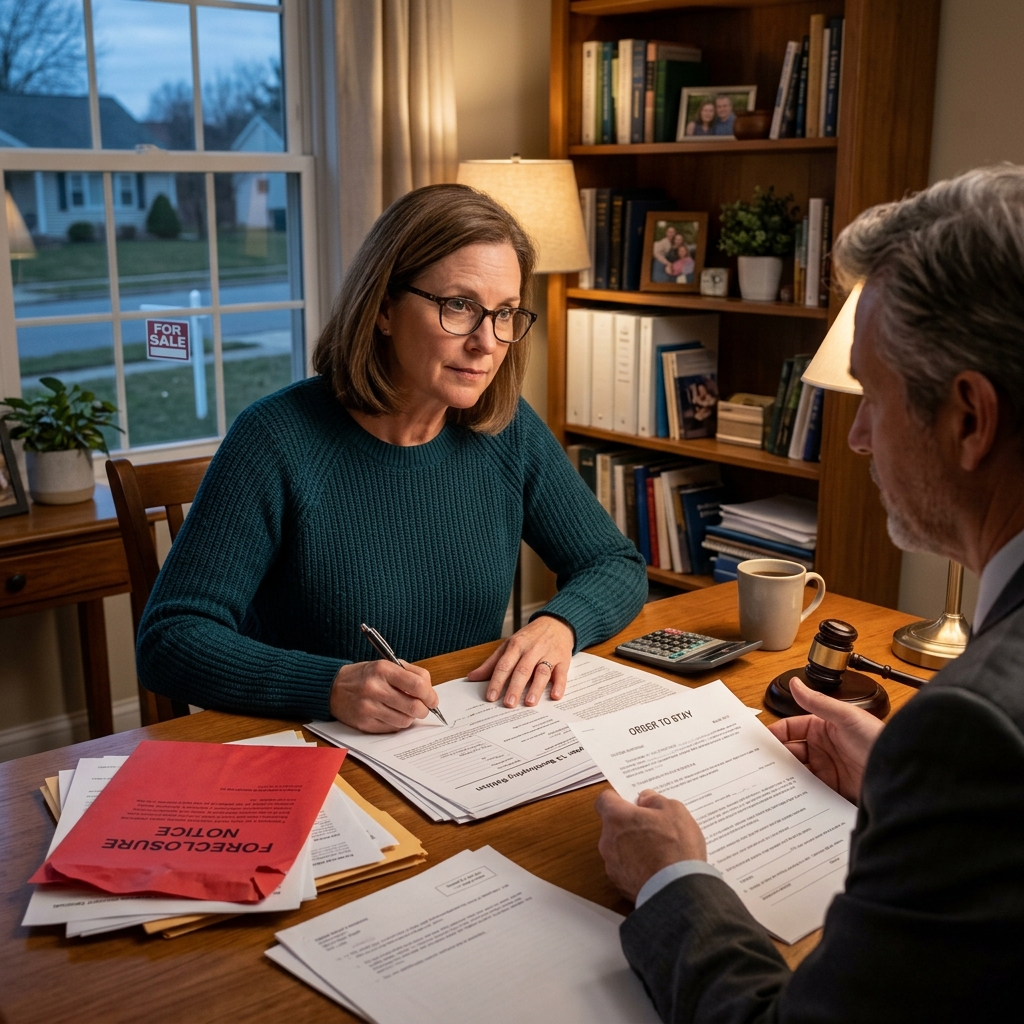
Facing the prospect of losing your home to foreclosure is deeply stressful, but you may have more options than you realize. One of the most powerful legal tools available is bankruptcy. Used carefully, bankruptcy can temporarily halt foreclosure, give you time to reorganize your finances, and in some cases help you save your home entirely.
This article explains how bankruptcy interacts with foreclosure, compares Chapter 7 and Chapter 13, and outlines practical steps to decide whether bankruptcy is an appropriate strategy in your situation. It is informational and not a substitute for individualized legal advice.
Foreclosure and Mortgage Default: The Basic Landscape
Foreclosure is the legal process a lender uses to recover money when a borrower stops making required mortgage payments. The lender typically seeks to sell the property at auction and apply the proceeds to the outstanding debt.
Although procedures vary by state, homeowners commonly experience the following stages:
- Missed payments – Late fees, collection calls, and written notices begin.
- Formal default notice – The lender issues a notice of default or similar warning, often required by state law.
- Pre-foreclosure period – The homeowner may still negotiate, cure the default, or pursue loss mitigation options.
- Scheduled sale – The property is set for a foreclosure auction; a specific sale date is established.
- Post-sale consequences – Depending on state law and sale price, the homeowner may face a deficiency balance (the gap between sale proceeds and the debt) that the lender can attempt to collect.
Bankruptcy interacts with this timeline at multiple points. In many cases, filing before the foreclosure sale occurs offers more meaningful options than waiting until after the sale has taken place.
Bankruptcy as a Foreclosure Tool: What It Can and Cannot Do
Bankruptcy is a federal legal process designed to help people who are unable to manage their debts. In the foreclosure context, bankruptcy can:
- Pause collection actions, including foreclosure, through the automatic stay.
- Discharge certain debts, such as deficiency balances or unsecured credit obligations.
- Restructure repayment of mortgage arrears over time, especially under Chapter 13.
However, bankruptcy cannot:
- Force a lender to accept below-market payments indefinitely.
- Eliminate your obligation to pay current mortgage installments if you want to keep the property.
- Remove tax debt or domestic support obligations such as child support in most situations.
Understanding these limits is essential: bankruptcy is powerful, but it is not a magic solution that automatically guarantees you will keep your home.
The Automatic Stay: Immediate Protection Against Foreclosure
One of the most important features of bankruptcy is the automatic stay. The moment you file a bankruptcy petition, a court order arises that generally stops creditors from continuing collection actions, including foreclosure proceedings and scheduled foreclosure sales.
Key aspects of the automatic stay include:
- Scope – Foreclosure efforts, lawsuits, wage garnishments, and most other collection activities must cease.
- Timing – The stay begins as soon as the case is filed, before any hearing occurs.
- Duration – The stay typically lasts until the case closes or the court grants a creditor permission to lift the stay.
Lenders may ask the court to lift the stay if you are unable to make ongoing mortgage payments or if the property has little or no equity. If the court approves the motion, foreclosure can resume despite your ongoing bankruptcy case.
How Long Does the Automatic Stay Last?
| Bankruptcy Chapter | Typical Stay Duration | Practical Effect on Foreclosure |
|---|---|---|
| Chapter 7 | Approximately 4–6 months, the usual length of a Chapter 7 case. | Foreclosure is paused temporarily; the lender can resume once the case closes or if the stay is lifted. |
| Chapter 13 | Up to 3–5 years, matching the repayment plan term. | Foreclosure can be prevented long term if you maintain plan payments and meet mortgage obligations. |
Because the automatic stay is time-limited and can be modified by the court, homeowners should treat it as a tool to implement a broader strategy, not as an end in itself.
Chapter 7 Bankruptcy: Short-Term Relief and Debt Discharge
Chapter 7 bankruptcy is often called liquidation bankruptcy. Its main function is to discharge unsecured debts such as credit cards, medical bills, and personal loans after eligible non-exempt assets are used, if necessary, to pay creditors.
In a foreclosure context, Chapter 7 offers several important benefits, but also significant limitations:
Advantages of Chapter 7 When Facing Foreclosure
- Immediate pause – Filing stops foreclosure temporarily through the automatic stay, buying you several months to prepare for next steps.
- Discharge of deficiency debt – If the home is ultimately sold and the sale proceeds do not cover the full mortgage balance, the remaining unsecured debt may be dischargeable in Chapter 7, depending on state law and case specifics.
- Relief from other debts – By eliminating unsecured debts, Chapter 7 can free up income for housing costs, potentially helping you stabilize your situation even if the current home cannot be saved.
Limitations of Chapter 7 for Saving Your Home
- No long-term repayment mechanism – Chapter 7 does not provide a structured path to cure mortgage arrears over years; it offers only short-term delay.
- Risk to non-exempt equity – If your home has significant non-exempt equity, the bankruptcy trustee may sell it to pay creditors, subject to state and federal exemption rules.
- Credit report impact – A Chapter 7 bankruptcy can remain on your credit report for up to ten years, which may affect future borrowing, insurance, and housing options.
Chapter 7 is often most useful for homeowners who recognize they cannot keep the property but want to delay the sale, manage the transition, and discharge remaining debt.
Chapter 13 Bankruptcy: Reorganizing to Keep Your Home
Chapter 13 bankruptcy is a reorganization process designed for individuals with regular income. Instead of liquidating assets, you propose a repayment plan lasting three to five years, during which you make monthly payments to a bankruptcy trustee who distributes funds to creditors.
Key Benefits of Chapter 13 in Foreclosure Situations
- Structured cure of arrears – Missed mortgage payments can be spread out and repaid over the life of the plan, allowing you to catch up gradually while maintaining current payments.
- Extended automatic stay – As long as you comply with the plan, the automatic stay can protect you from foreclosure for the entire plan term.
- Potential lien stripping – In some cases, if junior mortgages are not supported by actual equity in the home, they can be treated as unsecured debts and potentially stripped through the Chapter 13 process.
- Consolidated debt management – Chapter 13 allows you to address mortgage arrears and other debts (such as car loans or unsecured balances) in a single organized framework.
Challenges and Requirements of Chapter 13
- Ability to pay – You must have sufficient, reliable income to make both your ongoing mortgage payments and the Chapter 13 plan payments addressing arrears and other obligations.
- Long commitment – The plan typically lasts three to five years; missing payments can result in case dismissal and renewed foreclosure risk.
- Credit consequences – Chapter 13 also appears on your credit report, usually for up to seven years, which can affect future financial opportunities.
For many homeowners who want to stay in their homes and can afford a reasonable repayment plan, Chapter 13 is often more effective than Chapter 7 at preventing foreclosure long term.
Choosing Between Bankruptcy Options and Alternatives
Deciding whether to file bankruptcy—and which chapter to use—requires a careful analysis of your finances, goals, and local law. Homeowners typically consider the following questions:
- Do you want to keep the home or surrender it and move on?
- Can you realistically afford the current mortgage payment plus arrears over several years?
- Are you struggling mainly with unsecured debts, or is the mortgage itself unaffordable?
- How much equity is in the home, and how do exemption laws apply?
Bankruptcy vs. Non-Bankruptcy Approaches
In addition to bankruptcy, several other foreclosure-avoidance strategies may be available:
- Loan modification – Negotiating new mortgage terms with the lender (interest rate, loan length, or principal adjustments).
- Forbearance or repayment agreements – Temporarily reducing or suspending payments, followed by a defined catch-up plan.
- Refinancing – Replacing the existing mortgage with a new loan, if credit and equity permit.
- Sale of the home – Selling before foreclosure, sometimes through a short sale if the property value is less than the mortgage balance.
- HUD-approved housing counseling – Working with a trained housing counselor who can help evaluate options and negotiate with your lender.
Because bankruptcy has long-term consequences for your credit, many experts recommend exploring these alternatives first, unless your overall debt situation is clearly unsustainable.
Practical Steps if You Are Considering Bankruptcy to Address Foreclosure
If you are behind on your mortgage and fear foreclosure, a proactive approach can improve outcomes significantly. Consider taking the following steps:
- Contact your lender early – Communicate as soon as you know you may miss payments; lenders often have programs to help avoid foreclosure, especially before legal action begins.
- Review your mortgage documents – Understand your rights, obligations, and any timelines specified in the note and deed of trust or mortgage.
- Consult a bankruptcy attorney – A local attorney can assess your eligibility for Chapter 7 or Chapter 13 and explain how state law, exemptions, and local court practices affect your case.
- Seek HUD-approved counseling – Housing counselors funded by the U.S. Department of Housing and Urban Development provide free or low-cost guidance, help organize your finances, and may represent you in conversations with the lender.
- Prepare a realistic budget – Evaluate your income and expenses to determine whether you can afford a Chapter 13 plan or should consider surrendering the property and focusing on long-term stability.
How Bankruptcy Affects Your Credit and Future Financial Options
Bankruptcy and foreclosure both have serious, but somewhat different, impacts on your credit profile. Understanding these effects can help you choose the lesser long-term cost.
- Bankruptcy reporting period – Chapter 7 can remain on your credit report for up to 10 years; Chapter 13 typically stays for around 7 years.
- Foreclosure reporting – Foreclosure itself is a negative entry that may also remain for several years and can affect your ability to obtain new mortgages or other credit.
- Debt-to-income ratio improvements – Discharging unsecured debt through bankruptcy can eventually enhance your capacity to manage future credit if you rebuild responsibly.
- Rebuilding strategies – After bankruptcy, consistent on-time payments, responsible use of any new credit, and maintaining low balances can help you restore your financial profile over time.
Frequently Asked Questions (FAQs)
Does filing bankruptcy always stop foreclosure?
Bankruptcy nearly always halts foreclosure temporarily through the automatic stay, as long as the foreclosure sale has not already occurred and you are eligible for the stay. However, lenders can ask the court to lift the stay, and long-term protection depends on your ability to meet requirements under Chapter 7 or Chapter 13.
Which is better for my home: Chapter 7 or Chapter 13?
Chapter 7 is generally better if you cannot realistically afford the mortgage and intend to surrender the home while discharging related debts. Chapter 13 is usually more suitable if you have regular income and want to keep the property by catching up on missed payments over several years.
Can bankruptcy remove my entire mortgage?
Bankruptcy does not simply cancel a mortgage if you intend to keep the home; you must continue making current payments and cure arrears under Chapter 13. In Chapter 7, the personal liability on the mortgage debt may be discharged, but the lender usually retains the right to foreclose on the property if payments are not made.
What happens if I miss payments during a Chapter 13 plan?
If you fall significantly behind on Chapter 13 plan payments or ongoing mortgage obligations, your case may be dismissed or converted, and the lender can resume foreclosure. Early communication with your attorney and the trustee is crucial if financial circumstances change.
Should I talk to a housing counselor before filing bankruptcy?
Yes. HUD-approved housing counselors can help you understand your options, evaluate affordability, and negotiate with your lender, all at low or no cost. They often work alongside bankruptcy attorneys to craft a coordinated strategy.
References
- How Bankruptcy Can Help With Foreclosure — Nolo. 2023-05-01. https://www.nolo.com/legal-encyclopedia/bankruptcy-help-with-foreclosure-29631.html
- Filing for Bankruptcy to Prevent Foreclosure & Potential Legal Alternatives — Justia. 2022-04-15. https://www.justia.com/foreclosure/alternatives-to-foreclosure/filing-for-bankruptcy-to-avoid-foreclosure/
- Does Bankruptcy Stop Foreclosure? — Experian. 2023-08-10. https://www.experian.com/blogs/ask-experian/does-bankruptcy-stop-foreclosure/
- A Chapter 13 Bankruptcy May Stop a Foreclosure Permanently — National Consumer Law Center. 2021-09-30. https://library.nclc.org/book/surviving-debt/chapter-13-bankruptcy-may-stop-foreclosure-permanently
- Considering Foreclosure and Bankruptcy — University of Wisconsin-Madison Division of Extension. 2022-02-01. https://finances.extension.wisc.edu/articles/considering-foreclosure-and-bankruptcy/
- Avoiding Foreclosure — U.S. Department of Housing and Urban Development (HUD). 2023-01-20. https://www.hud.gov/helping-americans/avoiding-foreclosure
- Providing Foreclosure Prevention Counseling — HUD Exchange. 2023-04-05. https://www.hudexchange.info/programs/housing-counseling/foreclosure-prevention/
Similar Articles








Read full bio of medha deb




