
Consequences of Unpaid Property Taxes in Pennsylvania
Understand the escalating penalties, liens, sales, and legal actions for delinquent property taxes in PA and how to avoid them.
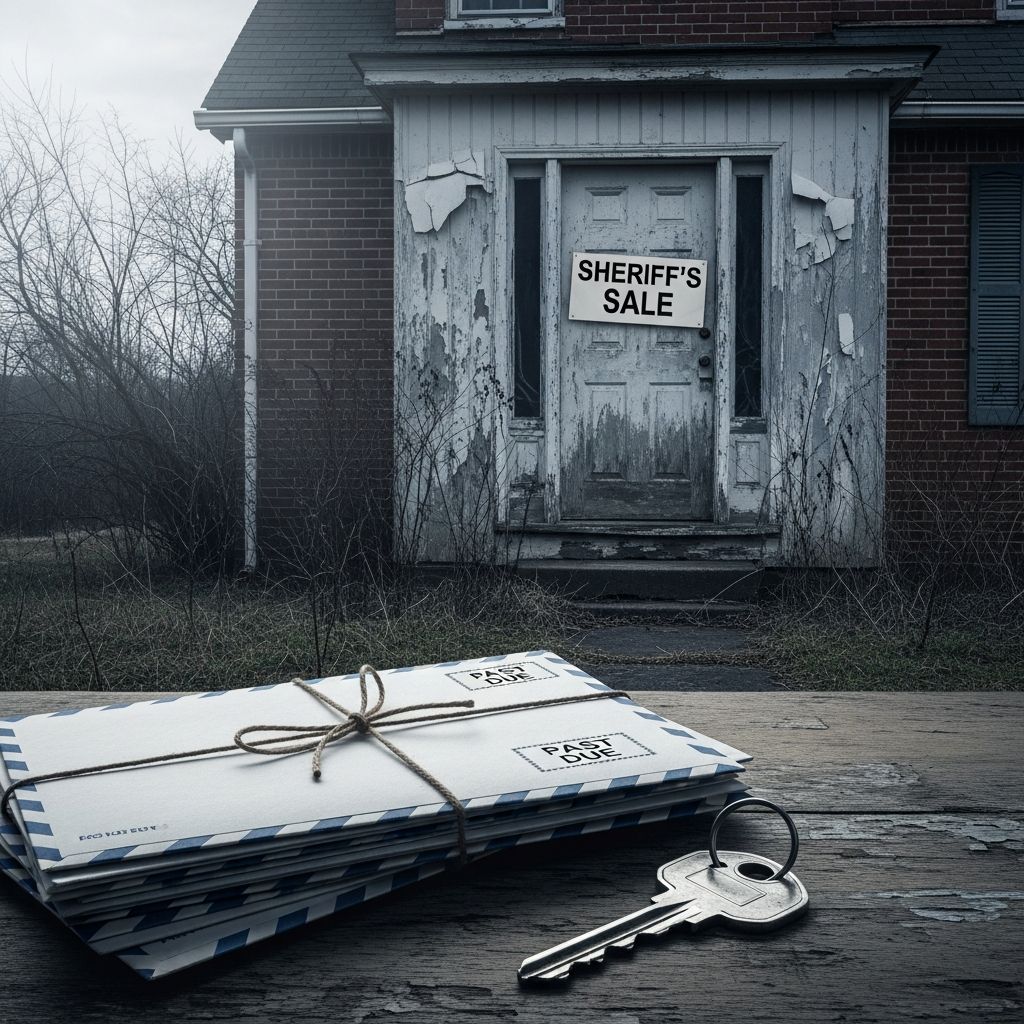
Property taxes fund essential local services in Pennsylvania, such as schools, roads, and emergency services. Failing to pay them triggers a series of escalating enforcement measures designed to recover owed amounts. Homeowners who ignore these obligations risk financial penalties, legal claims on their assets, and even loss of property ownership. This article explores the timeline of consequences, regional variations, protective measures, and strategies for resolution.
Initial Financial Penalties and Interest Accumulation
When property tax payments are missed, the first repercussions are automatic fees that compound over time. In Pennsylvania, delinquent taxes accrue interest at rates set quarterly by the state, often around 6% to 10% annually, depending on local ordinances. For instance, Hanover Township imposes a flat 10% penalty four months after the due date. These charges apply monthly in places like Philadelphia, where unpaid bills become past due immediately after deadlines, leading to rapid debt growth.
Penalties can reach 25% of the owed amount for certain taxes, with additional monthly increments for prolonged delays. This creates a snowball effect: a modest initial bill can double or triple within a year. Property owners receive repeated notices from county tax collectors or city revenue departments, urging payment to halt further escalation.
- Interest Rates: Adjusted quarterly; compounds daily in some counties.
- Penalty Caps: Vary by locality, often 10-25% total.
- Notification: Bills escalate to certified mail and third-party collectors.
Tax Liens: The First Legal Claim on Your Property
After sustained non-payment, typically within months to a year, a tax lien is filed. This is a public legal notice asserting the government’s priority claim over the property to secure the debt. The Pennsylvania Department of Revenue or local tax claim bureaus file these with the county Prothonotary. Liens attach to real estate, vehicles, or even bank accounts, becoming public records that damage credit scores and hinder sales or refinancing.
In Philadelphia, liens are filed annually for unpaid taxes and water/sewer charges, adding legal fees to the balance. Statewide, under the Real Estate Tax Sale Law (excluding Allegheny and Philadelphia counties), liens prioritize tax debts above most other claims. Act 93 further allows tax judgments to lien all of a owner’s real estate in the county once entered in the judgment index, expanding enforcement reach.
| Timeline | Action | Impact |
|---|---|---|
| 1-3 Months Delinquent | Interest & Penalties Begin | Debt Grows 1-2% Monthly |
| 3-12 Months | Lien Filed | Credit Hit; Sale/Refi Blocked |
| 1+ Year | Judicial Action | Property at Risk of Sale |
Collection Tactics: Levies, Garnishments, and Seizures
Beyond liens, aggressive collections target liquid assets. The state can levy bank accounts, seizing funds directly, or garnish wages by withholding paycheck portions. These measures follow ignored notices and are authorized under Pennsylvania tax enforcement statutes. In multi-property scenarios, liens extend across holdings, pressuring owners of rentals or investment portfolios.
Philadelphia employs additional tools like rent sequestration, where a court-appointed sequestrator collects rents from tenants to pay taxes until debts clear. Personal lawsuits target owners with multiple delinquent properties, potentially leading to trials if unresolved. These steps underscore Pennsylvania’s multi-pronged approach to recovery.
Property Sales: Upset Sales and Judicial Auctions
The most severe outcome is property sale. After one year of delinquency, many counties schedule an “Upset Sale,” a public auction to recoup taxes. Proceedings cost owners fees and take about six months, during which payment can redeem the property up to auction day. Philadelphia uses tax sale petitions in Court of Common Pleas; non-appearance risks a decree for auction.
Upset sales set a minimum bid covering taxes, penalties, and costs; higher bids go to owners post-sale. Failure to act until sale time forfeits redemption rights. In Wyoming County, constant outreach precedes sales, but persistence leads to auction. These processes prioritize tax recovery over owner retention.
Criminal Ramifications for Willful Evasion
While most cases remain civil, intentional evasion elevates to criminal territory. Underreporting income, hiding assets, or falsifying records can lead to tax evasion charges, punishable by fines, restitution, and imprisonment. Prosecutors must prove willful intent, but convictions carry lasting records. Owners facing such allegations should seek counsel immediately.
Regional Differences Across Pennsylvania Counties
Enforcement varies: Philadelphia’s OOPA aids owner-occupants with installment plans. Rural counties like Wyoming emphasize pre-sale negotiations. State laws like the Real Estate Tax Sale Law apply uniformly outside major cities, but local tweaks (e.g., Hanover’s 10% penalty) create nuances. Owners must check county tax claim bureaus for specifics.
Protection and Relief Programs for Struggling Owners
Pennsylvania offers paths to avoid catastrophe. Payment plans like OOPA allow monthly installments for eligible homeowners, often with hearing continuances. Hardship abatements or installment interest waivers exist under statutes like the Local Delinquent Tax Return Law. Contacting collectors early yields stays on sales or liens.
- Enroll in payment agreements before delinquency deadlines.
- Apply for owner-occupied programs in cities like Philadelphia.
- Seek housing counselors at tax sale hearings.
- Pay before auction to redeem property fully.
Steps to Resolve Delinquent Taxes Proactively
Act swiftly upon receiving notices: calculate totals via county portals, negotiate plans, or sell assets if needed. Legal aid can challenge improper liens or excessive penalties. Prevention—budgeting taxes quarterly—avoids the cascade. For multi-property owners, prioritizing high-lien risks preserves portfolios.
Frequently Asked Questions (FAQs)
How quickly do penalties start on unpaid PA property taxes?
Penalties often begin immediately or within months; e.g., 10% after four months in some townships, with monthly interest elsewhere.
Can a tax lien affect my ability to sell my home?
Yes, liens must be cleared at closing; they block transfers and harm credit.
What is an Upset Sale, and can I stop it?
A public auction for delinquent properties after ~1 year; pay in full before hammer falls to redeem.
Are there payment plans for delinquent taxes?
Yes, like Philadelphia’s OOPA for owners, with installments and potential fee waivers.
Can unpaid taxes lead to jail time?
Only for proven willful evasion, a criminal charge beyond civil collections.
References
- What Happens When You Don’t Pay Your Taxes in Pennsylvania — Gibperk. 2024. https://www.gibperk.com/what-happens-when-you-dont-pay-your-taxes-in-pennsylvania-legal-consequences/
- What happens if you don’t pay your Philly property tax? — City of Philadelphia. 2024-04-30. https://www.phila.gov/2024-04-30-what-happens-if-you-dont-pay-your-philly-property-tax/
- Tax Claim – Delinquent Taxes — Wyoming County, PA. Accessed 2026. https://wyomingcountypa.gov/tax-claim/tax-claim-delinquent-taxes/
- § 501. Penalty for Delinquent Payment — Hanover Township, PA Code. Accessed 2026. https://codelibrary.amlegal.com/codes/hanovertwp/latest/hanovertwp_pa/0-0-0-14521
- Unpaid Real Estate Tax Can Become a Lien on All of a Property Owner’s Real Estate in Pennsylvania — Barley Snyder. Accessed 2026. https://www.bipc.com/unpaid-real-estate-tax-can-become-a-lien-on-all-of-a-property-owner%E2%80%99s-real-estate-in-pennsylvania
- PA Tax Liens — Pennsylvania Department of Revenue. Accessed 2026. https://www.pa.gov/agencies/revenue/tax-compliance/pa-tax-liens
Similar Articles








Read full bio of Sneha Tete


