
Consequences of Unpaid Property Taxes in Colorado
Understand the risks of missing property tax payments in Colorado, from liens and interest to potential property loss.
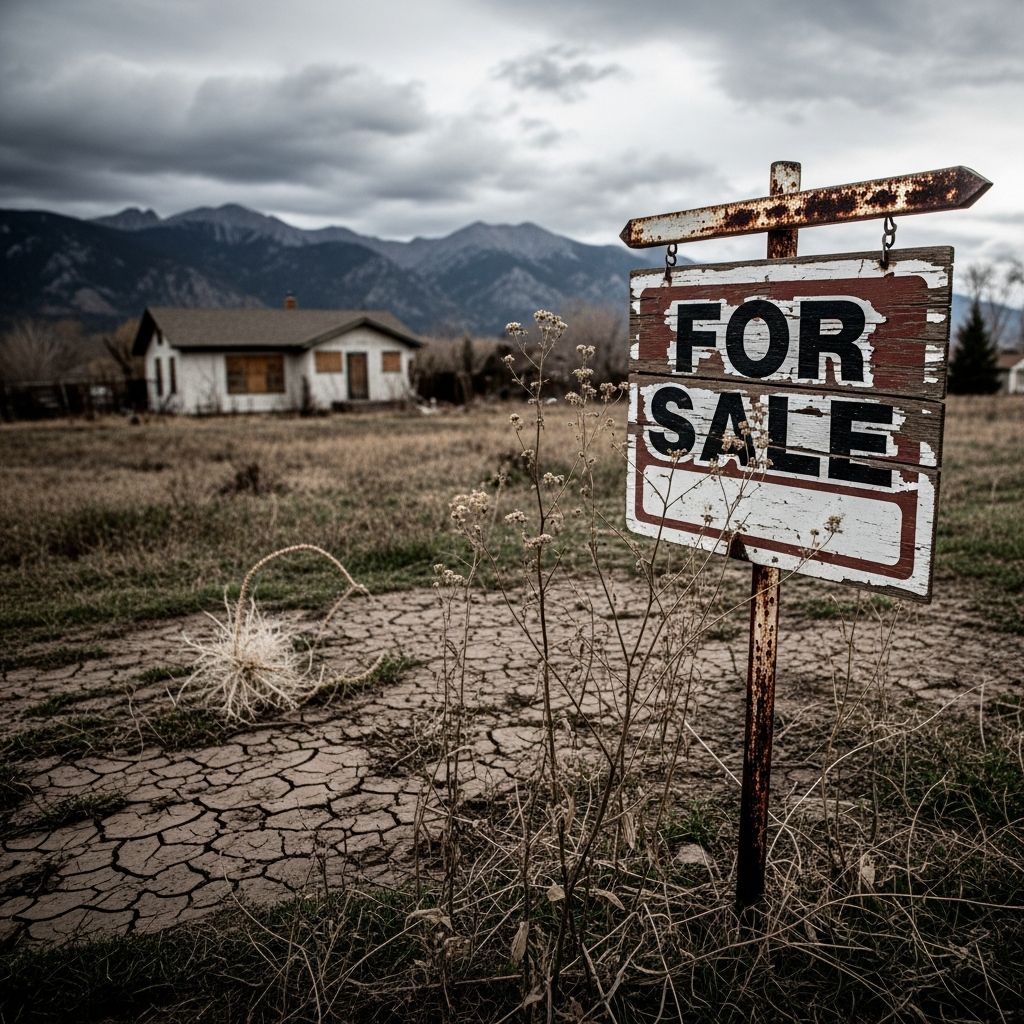
Property taxes fund essential public services in Colorado, such as education, infrastructure, and emergency response. When owners fail to pay these taxes on time, a series of escalating consequences unfolds, potentially leading to financial penalties, liens, and even loss of property. This comprehensive guide outlines the process, timelines, redemption options, and strategies to avoid foreclosure through tax sales.
Understanding Property Taxes and Payment Obligations
Colorado property taxes are assessed annually based on a home’s or land’s market value, determined by county assessors. Owners receive tax notices typically in the fall, with payments due the following year. Most mortgages include escrow accounts where lenders collect and pay taxes, but non-escrowed owners must pay directly to the county treasurer.
Taxes become due on January 1 and delinquent after June 15 (or specific half-payment deadlines like April 30 for full payments or February 28/June 15 for halves, varying slightly by county). Failure to pay triggers immediate interest at 1% per month, plus potential fees.
- Key Deadlines: Full payment by April 30 (no penalty); half-payments by February 28 and June 15.
- Interest Rate: 1% monthly on delinquent amounts, compounding over time.
- Notice Requirement: Owners are responsible even if they don’t receive a bill (C.R.S. § 39-10-103).
Initial Penalties for Late Payments
Delinquency starts simple but grows quickly. By early July, county treasurers mail notices detailing the owed amount, accrued interest, and warnings of further action like tax lien sales. For example, Lake County sends these in the first week of July.
| Timeframe | Action | Consequences |
|---|---|---|
| After June 15 | Delinquent Notice Mailed | 1% monthly interest begins |
| July | Treasurer’s Warning | Notice of impending lien sale (at least 15 days ahead) |
| September 1 or Later | Lien Sale Notice | Auction scheduled if unpaid |
Returned checks or failed electronic payments incur additional $20 fees (C.R.S. § 13-21-109). These early steps aim to prompt payment before escalation.
The Tax Lien Auction Process
If taxes remain unpaid, counties auction tax liens publicly, often online. Eligible properties enter the sale the year delinquency occurs, with notices mailed no later than September 1, giving at least 15 days’ warning (C.R.S. § 39-11-101).
The highest bidder receives a certificate of purchase, entitling them to collect the tax debt plus interest (up to 15% annually in some cases) and fees from the owner. If no bids, the county “strikes off” the lien to itself (C.R.S. § 39-11-108).
- Bidders pay the delinquent taxes upfront.
- Owners can still redeem by paying the full amount plus bidder’s costs.
- Lien holders earn interest until redeemed or escalated.
Owner Redemption Rights and Periods
Colorado provides generous redemption windows post-auction. Owners can reclaim property by paying:
- Delinquent taxes and interest.
- Lien purchaser’s costs and fees.
- Potentially higher interest rates set at auction.
Redemption periods vary but often extend 3 years or more, depending on property value and lien type. During this time, the property remains titled to the owner, but the lien encumbers it.
Pro Tip: Contact the county treasurer immediately upon notice to negotiate payment plans, which some counties offer to avoid sales.
Escalation to Tax Deed and Property Auction
If unredeemed, the lien holder can apply for a tax deed, triggering a court-ordered public auction of the property. Recent 2024 legislation (House Bill 24-1056, effective July 1, 2024) reformed this under C.R.S. § 39-11.5-101 et seq., aligning with the U.S. Supreme Court’s Tyler v. Hennepin County ruling.
The Court deemed it unconstitutional for governments to retain surplus proceeds from tax sales exceeding the debt. Now, properties sell at fair market value auctions, with overbids returned to owners upon claim (contact treasurer for process).
Impact on Mortgaged Properties
Lenders monitor tax payments. If taxes lapse, they may:
- Pay the delinquency themselves.
- Add the amount (plus fees) to your mortgage balance.
- Initiate foreclosure if not repaid.
This often precedes or parallels tax actions, creating dual threats. Escrow users rarely face this directly, as servicers handle payments.
Recent Legislative Protections for Homeowners
House Bill 24-1056 modernized the tax deed process post-Tyler, ensuring:
- Fair Market Sales: Properties auctioned for true value, not minimum bid.
- Equity Returns: Owners entitled to surplus funds (must claim actively).
- Transparency: Updated notices and procedures (effective 2024).
This protects against inequitable forfeiture, especially for low-value debts on high-value homes.
Strategies to Resolve Delinquent Taxes
- Pay Immediately: Stop interest and avoid liens.
- Request Extensions: Some counties waive initial interest (e.g., COVID-era policies).
- Payment Plans: Negotiate installments with treasurers.
- Seek Assistance: Programs for seniors, veterans, or low-income owners via state resources.
- Legal Aid: Challenge assessments or sales if errors occur.
Acting early preserves equity and credit.
County Variations and Best Practices
While state law governs, counties like Denver (1% monthly interest), Jefferson (statutory fees), and Delta apply nuances. Always check your county treasurer’s site.
- Monitor bills online.
- Set calendar reminders for deadlines.
- Verify escrow if mortgaged.
Frequently Asked Questions
Can I lose my home over unpaid taxes in Colorado?
Yes, through tax lien sales leading to tax deed auctions, though redemption periods and new laws provide protections.
How much interest accrues on late property taxes?
Typically 1% per month on the delinquent balance.
What if I never received my tax bill?
You remain liable; payment is your responsibility regardless (C.R.S. § 39-10-103).
How do I redeem after a tax lien sale?
Pay taxes, interest, and fees to the treasurer or lien holder within the redemption period.
Do I get extra money if my property sells for more than owed?
Yes, under 2024 laws; contact the treasurer to claim overbid funds.
Does mortgage escrow protect against this?
Usually, as lenders pay taxes, but lapses trigger advances added to your loan.
This guide empowers Colorado property owners to navigate tax delinquencies proactively, safeguarding assets amid evolving laws.
References
- What Happens If I Don’t Pay Property Taxes in Colorado? — Nolo. 2024. https://www.nolo.com/legal-encyclopedia/what-happens-if-i-dont-pay-property-taxes-colorado.html
- FAQs | Lake County, CO — Lake County Government. Accessed 2026. https://lakecountyco.gov/523/FAQs
- Filing Requirements – Colorado Division of Property Taxation — Colorado Department of Local Affairs. Accessed 2026. https://dpt.colorado.gov/filing-requirements
- Late Payment & Delinquent Interest Policy for Property Tax Payments — Boulder County Government. 2020-03-24. https://bouldercounty.gov/news/late-payment-delinquent-interest-policy-for-property-tax-payments/
- Tax Topics: Penalties and Interest | Department of Revenue — Colorado Department of Revenue. Accessed 2026. https://tax.colorado.gov/tax-topics-penalties-and-interest
- Guideline to Paying Your Taxes | Park County, CO — Park County Government. Accessed 2026. https://www.parkcountyco.gov/445/Guideline-to-Paying-Your-Taxes
- Real Estate Delinquent Taxes and Tax Lien Sale — City and County of Denver. Accessed 2026. https://denvergov.org/Government/Agencies-Departments-Offices/Agencies-Departments-Offices-Directory/Department-of-Finance/Our-Divisions/Treasury/Property-Taxes/Real-Estate-Delinquent-Taxes-and-Tax-Lien-Sale
Similar Articles








Read full bio of Sneha Tete


