
Unpaid Parking Tickets: Hidden Risks and Real Consequences
Ignoring parking tickets can trigger fines, license problems, debt collection, and long-term financial headaches you didn’t bargain for.
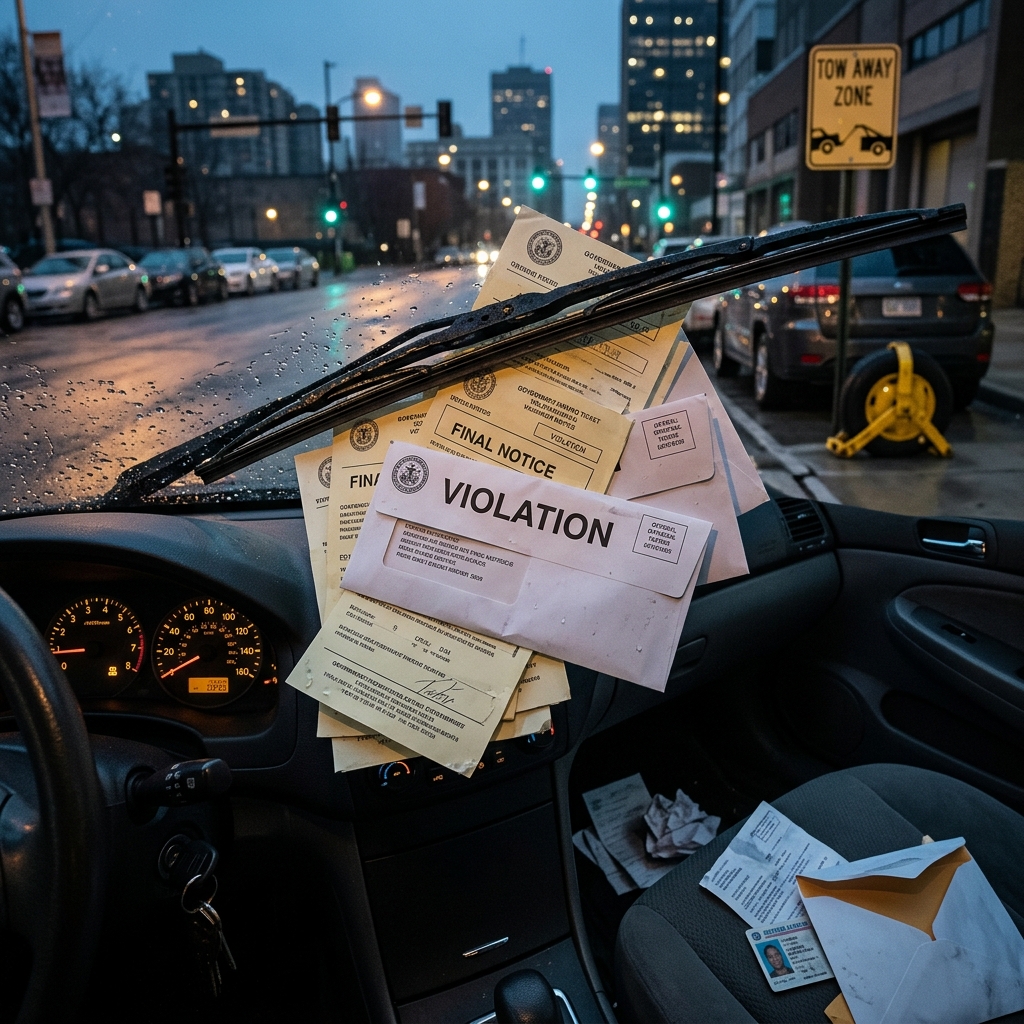
Parking tickets often feel like a minor annoyance — a slip of paper you toss in the glove box and plan to handle “later.” The problem is that later can quickly turn into never, and unpaid parking tickets rarely disappear on their own. Instead, they can grow into serious legal and financial issues that are far more costly than the original fine.
This guide explains what can happen when you ignore parking tickets, why the consequences vary by location, and what you can do to keep a simple parking mistake from spiraling into a long-term problem.
Why Unpaid Parking Tickets Are a Bigger Deal Than They Look
Parking violations are usually treated as civil or administrative matters, not criminal offenses, but that doesn’t mean they’re harmless. Cities and states rely on parking enforcement to manage traffic, ensure safety, and generate revenue. When tickets go unpaid, they use a variety of tools to collect what’s owed.
- Governments have strong collection powers – they can hold your vehicle registration, place liens, send debts to collections, or block license renewal.
- Penalties escalate over time – late fees, interest, and administrative charges can easily double or triple the original fine.
- Multiple tickets are treated more seriously – a single overdue ticket might generate reminders, but a pattern of unpaid citations can trigger booting, towing, or court action.
In short, even though a parking ticket starts small, ignoring it repeatedly can affect your ability to drive legally, keep your car on the road, and maintain a healthy credit profile.
Common Consequences of Ignoring Parking Tickets
The specific outcome of an unpaid ticket depends on local laws, the number of tickets you owe, and how long they have been outstanding. However, certain consequences appear again and again across different cities and states.
1. Escalating Fines and Late Fees
The first and most immediate consequence is simple: the amount you owe increases over time.
- Late penalties are often added if you don’t pay within a set window (for example, 10–30 days after the ticket is issued).
- Collection or administrative fees may be added when the matter is referred to a collection agency or special enforcement unit.
- Compound increases can cause the total to double or triple compared with the original fine, especially if you ignore multiple notices.
Some jurisdictions even publish schedules showing how unpaid tickets increase after 30, 60, and 90 days, making clear that delay is expensive.
2. Vehicle Registration Holds
Many departments of motor vehicles (DMVs) will not allow you to renew your vehicle registration if you owe substantial parking fines.
That can lead to a chain reaction:
- You attempt to renew your registration and discover a hold tied to unpaid parking tickets.
- You must pay or arrange to resolve the tickets before the DMV will process your renewal.
- If you keep driving with expired registration, you risk additional citations or even impoundment.
Registration holds are especially common when you accumulate multiple citations or ignore overdue notices for a long period.
3. Booting and Towing of Your Vehicle
Another powerful enforcement tool is immobilizing or removing your car from the street.
- Booting involves attaching a locking device to one of your wheels, preventing you from driving until you pay the outstanding fines and boot removal fee.
- Towing and impoundment can occur when a vehicle has multiple delinquent tickets or is found with expired registration connected to unpaid fines.
- Storage and release costs add significantly to what you owe — towing, storage, and administrative charges can run into the hundreds of dollars in some cities.
In many places, enforcement officers use license plate databases to identify cars with outstanding tickets and decide whether they should be booted or towed.
4. Court Notices and Bench Warrants
Ignoring tickets can eventually pull you into the court system. While a single parking ticket might not lead directly to arrest, persistent refusal to pay or respond can cause legal escalation.
| Stage | What Happens | Potential Outcome |
|---|---|---|
| Notice to Appear | The court sends you a letter ordering you to appear to address unpaid tickets. | Opportunity to pay, contest the ticket, or set up a payment plan. |
| Missed Court Date | You ignore the notice or fail to appear at the scheduled hearing. | The judge may issue a bench warrant for your arrest. |
| Bench Warrant Enforced | Police encounter you during a stop or other contact. | You can be arrested or detained until the warrant is cleared and fines are addressed. |
Bench warrants typically arise from failure to comply with a court order (such as appearing in court), rather than the parking violation itself, but the ticket is what started the process.
5. Driver’s License Issues
Unpaid parking tickets can affect your ability to hold a valid driver’s license, though exactly how depends heavily on state law.
- In some states, unpaid parking or traffic fines can lead directly to license suspension or revocation until the debt is resolved.
- Other states prohibit suspension solely for unpaid tickets, but failure to appear in traffic court can still lead to suspension.
- Driving with a suspended license is a more serious offense that can bring higher fines, criminal charges, and insurance consequences.
This means that ignoring a ticket can indirectly move you from a minor civil infraction to a serious driving offense if you continue to avoid the issue.
6. Collections, Judgments, and Credit Score Damage
When local governments cannot collect fines directly, they often turn to outside collection agencies or pursue civil judgments.
- Debt collection agencies may be hired to pursue unpaid tickets, adding fees and increasing the total amount owed.
- Civil judgments can allow a city to pursue wage garnishment or other collection methods, depending on state law.
- Once a ticket debt is reported to credit bureaus by a collection agency, it can negatively impact your credit score, making borrowing more expensive or difficult.
Although a single small ticket may not itself wreck your credit, a pattern of unpaid fines sent to collections can contribute to a lower score over time.
Do Unpaid Parking Tickets Affect Insurance Rates?
Parking violations are usually treated differently from moving violations (such as speeding) when it comes to auto insurance. As a rule:
- Parking tickets do not typically appear on your driving record, and insurers generally do not raise premiums based on parking fines alone.
- However, consequences linked to unpaid tickets — like license suspension or driving with expired registration — can influence how insurers view your risk profile.
- Multiple related issues (suspensions, court actions, or criminal driving charges) may lead to higher premiums or difficulty qualifying for standard coverage.
In practical terms, paying your tickets promptly is part of keeping your driving record clean and avoiding secondary issues that cause insurance costs to rise.
How Consequences Differ by Location
One of the most important points about unpaid parking tickets is that the rules are highly local. City ordinances, state statutes, and DMV policies all play a role, so two drivers in different states can face very different outcomes for similar behavior.
Some factors that vary by jurisdiction include:
- Grace periods before late fees or penalties apply.
- Thresholds for booting, towing, or registration holds (for example, number of unpaid tickets or total amount owed).
- Whether unpaid tickets can trigger license suspension directly or only through failure-to-appear charges.
- Whether the government uses collection agencies routinely or only in certain cases.
Because of this variation, reading the back of your ticket and checking the issuing authority’s website are essential steps to understanding the specific risks you face.
Practical Steps to Avoid Serious Problems
Even if you already have unpaid tickets, you can take practical, proactive steps to limit the damage.
1. Respond Quickly to Every Ticket
- Pay the ticket by the initial due date whenever possible to avoid late fees.
- If you believe the ticket was issued in error, follow the listed appeal or contest procedure promptly — deadlines are often short.
- Keep copies of all payments, appeal submissions, and correspondence for your records.
2. Don’t Ignore Court Notices
- If you receive a notice to appear in court related to unpaid tickets, do not ignore it — missing the date is what often leads to bench warrants.
- Contact the court in advance if you need to reschedule or discuss your situation.
- Ask about payment plans or reduced fines if you are unable to pay the full amount at once; many courts have options for low-income individuals.
3. Check Your DMV and City Accounts Regularly
- Use online portals (where available) to check for outstanding tickets tied to your license plate or driver’s license.
- Verify that your vehicle registration is current and that no holds are in place.
- If you have moved, update your mailing address so you don’t miss future notices.
4. Address Collection Letters Promptly
- If a collection agency contacts you about ticket debt, confirm the amount and origin of the debt.
- Consider negotiating payment terms; in some cases, agencies may agree to settlements.
- Monitor your credit report to see whether the debt appears and verify that any payments are properly reflected.
5. Consider Legal Advice for Large or Complex Debts
- If you face a large number of tickets, a bench warrant, or license suspension, speaking with a qualified attorney can help you understand your options.
- Traffic or consumer law attorneys may be able to assist with challenging improper tickets, negotiating with the court, or addressing credit and collection issues.
Frequently Asked Questions About Unpaid Parking Tickets
Do parking tickets ever expire or get erased?
In most places, parking tickets do not simply disappear with time. Some jurisdictions have limitations on how long they can enforce or collect certain debts, but unpaid tickets can remain active for years and may continue to generate penalties or collection efforts until resolved.
Can I be arrested just for a parking ticket?
Typically, the parking violation itself is not an arrestable offense. However, if you ignore court orders related to unpaid tickets (such as a notice to appear), a judge can issue a bench warrant. If police encounter you after that, you can be arrested or detained based on the warrant.
What if I move to another state?
Moving does not necessarily erase unpaid tickets. Some states and cities share information with each other, and unpaid fines can follow you through DMV databases or collection agencies. In some cases, out-of-state tickets can still lead to registration or license issues where you currently live.
Do private parking lot tickets work the same way?
Tickets issued by private parking operators (such as malls or campus lots) may be enforced differently than government-issued citations. While they might not directly involve the DMV, unpaid private tickets can still lead to booting, towing, restrictions on using the lot, or collection efforts. Always read the terms on the ticket and check who issued it.
Will paying my old tickets fix my credit?
Paying a collection account related to parking tickets will not erase the history of the debt, but it can stop further negative reporting, and over time your score may improve as the account ages and is marked paid. Checking your credit reports and ensuring the status is updated correctly is an important step.
Key Takeaways
- Unpaid parking tickets can lead to rapidly increasing fines due to late fees and administrative penalties.
- Authorities may respond with vehicle registration holds, booting, towing, and court action when tickets remain unpaid.
- Persistent nonpayment can escalate into bench warrants, license suspension, and debt collection, with possible credit score impacts.
- Rules and consequences vary by location, so it is crucial to review the specific instructions on your ticket and the issuing agency’s website.
- Responding quickly, exploring appeal options, and seeking help for larger debts can keep a minor parking mistake from turning into a serious legal or financial problem.
References
- What Happens If You Don’t Pay Parking Tickets? — Direct Auto Insurance. 2023-08-15. https://www.directauto.com/learning-center/driving-laws-and-safety/what-happens-if-you-dont-pay-parking-tickets
- Here’s What Happens When You Don’t Pay a Parking Ticket — SpotAngels. 2022-05-10. https://www.spotangels.com/blog/what-happens-when-you-dont-pay-your-parking-tickets/
- Unpaid Parking Tickets in Columbus — Luftman, Heck & Associates. 2023-03-01. https://www.columbuscriminalattorney.com/traffic-lawyer/unpaid-speeding-parking-tickets/
- What Happens if You Don’t Pay a Parking Ticket? — Law Offices of Ronald Brower. 2024-12-05. https://www.ronaldbrower.com/blog/2024/12/what-happens-if-you-dont-pay-a-parking-ticket/
- Overdue Parking Violations Notice Letter and Statute — University of Tennessee Municipal Technical Advisory Service (MTAS). 2019-04-12. https://www.mtas.tennessee.edu/mknowledge/overdue-parking-violations-notice-letter-and-statute
- Understanding the Consequences of Unpaid NYC Parking Tickets — FineHero. 2021-11-20. https://finehero.com/articles/ticket-fines-and-penalties/understanding-the-consequences-of-unpaid-nyc-parking-tickets
Similar Articles








Read full bio of Sneha Tete


