
When an Unlicensed Driver Hits Your Car: Rights, Risks, and Next Steps
Understand your legal rights, insurance options, and practical steps if your vehicle is damaged in a crash caused by an unlicensed driver.
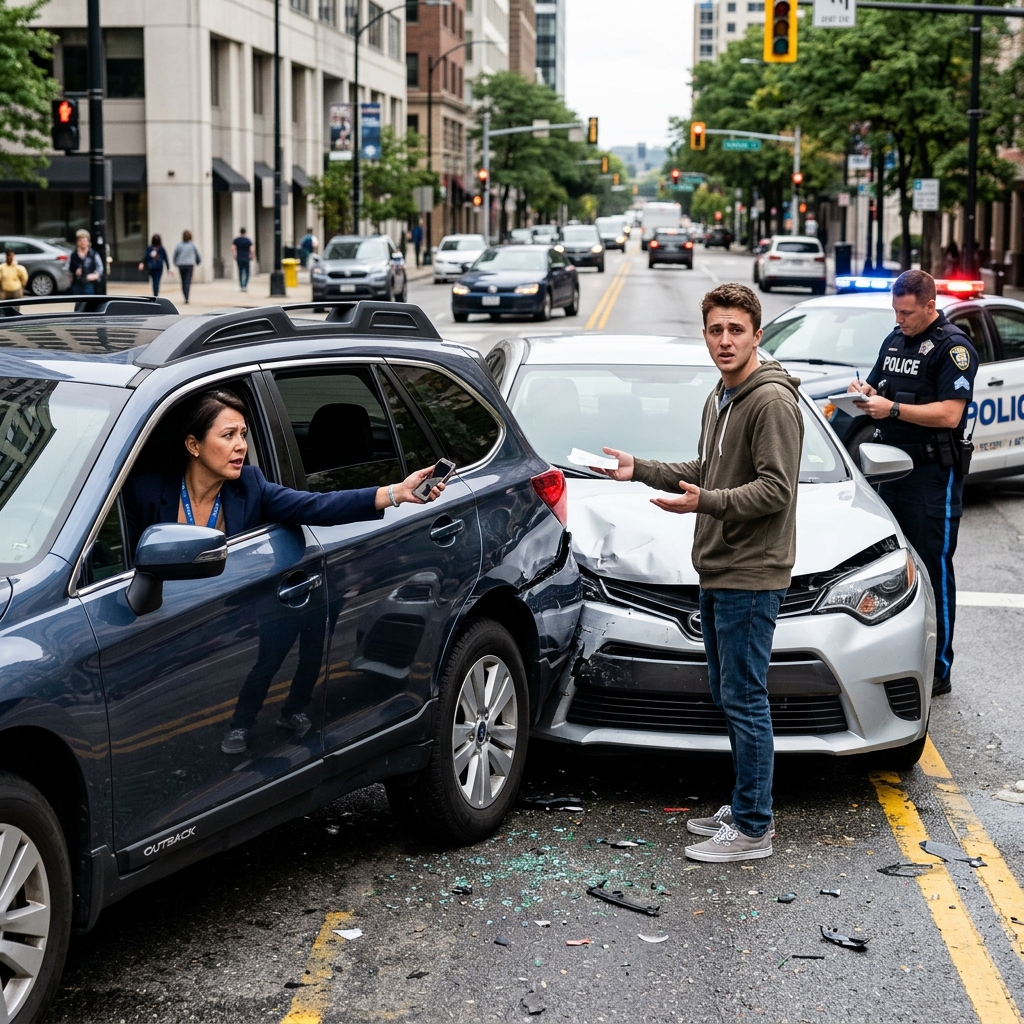
If your car is hit by an unlicensed driver, the situation can feel especially alarming. You may worry that you cannot be compensated, that your insurance will not respond, or that fault rules work differently. In reality, most of the usual principles of negligence and auto insurance still apply, but there are important differences you need to understand.
This guide explains how fault is determined, how insurance coverage works, what practical steps to take at the scene, and what legal options are available if an unlicensed driver damages your vehicle or causes injuries.
1. Core Principle: License Status Does Not Decide Fault
Many people assume that an unlicensed driver is automatically at fault for any crash. That is not correct. Fault is generally based on negligence — for example, violating traffic laws, following too closely, or failing to yield — not on whether someone holds a valid license.
- Negligence, not license status, determines who pays for damages in most states.
- Driving without a license is often a separate traffic offense or misdemeanor, handled independently from the accident claim.
- Courts and insurers look at evidence like police reports, witness statements, and physical damage patterns to determine fault.
In some jurisdictions, driving without a license may be considered strong evidence of negligence, but even there, investigators still analyze how the collision occurred. That means you can still be found at fault even when the other driver is unlicensed, and conversely, an unlicensed driver can be found not at fault if you caused the crash.
2. How Insurance Coverage Works When the Other Driver Is Unlicensed
The presence or absence of a valid driver’s license matters significantly to insurance coverage, even if it does not dictate fault.
2.1 Is the Unlicensed Driver Insured?
An unlicensed driver might still be covered by an auto policy — for example, driving another person’s insured car. In many states and policies, coverage primarily follows the vehicle, not the driver.
- If the unlicensed driver was operating an insured vehicle with permission, the vehicle’s liability coverage may apply to your property damage or injuries.
- If the driver is not listed or excluded on the policy, the insurer may attempt to deny coverage depending on the policy terms and state law.
- Some policies contain unlicensed-driver exclusions; these can limit coverage, though certain states restrict the use of such exclusions for specific benefits such as medical payments.
2.2 What If the Unlicensed Driver Has No Insurance?
When the at-fault unlicensed driver is also uninsured, you typically turn to your own coverage.
- Uninsured motorist (UM) coverage can pay for injuries and sometimes property damage if the at-fault driver lacks insurance.
- Underinsured motorist (UIM) coverage may apply when the at-fault driver has some insurance but not enough to cover all your losses.
- In mandatory insurance states like Pennsylvania, victims often rely on UM coverage when the at-fault driver is both unlicensed and uninsured.
Because policy language and state law vary, it is important to review your declarations page and speak with your insurer or an attorney to confirm what coverage you actually have.
2.3 When Your Own Car Is Involved With an Unlicensed Driver
The analysis changes if an unlicensed driver was operating your vehicle when the accident occurred. If you knowingly allowed an unlicensed person to drive your car, you may face additional legal and insurance consequences.
- Some states make it illegal to permit an unlicensed driver to operate your vehicle, exposing you to fines or charges.
- Your insurer may deny coverage or cancel your policy if you knowingly entrusted your car to an unlicensed driver, especially when policy terms require all regular drivers to be licensed.
- You may be personally liable for damages the unlicensed driver causes, including injuries to third parties.
For these reasons, it is generally risky to let someone without a valid license operate your car, whether they are a family member, friend, or employee.
3. Practical Steps to Take Right After the Crash
Your actions immediately after the collision can affect both fault determinations and your ability to recover compensation later.
3.1 Ensure Safety and Call the Authorities
- Move to a safe location if the vehicles are creating a hazard.
- Call 911 or local law enforcement to report the accident, especially when you suspect the other driver is unlicensed.
- Accept medical evaluation at the scene; injuries like whiplash or concussions can be delayed.
A police report is particularly important in crashes involving unlicensed drivers. It helps document the driver’s identity, licensing status, and observations about how the crash occurred.
3.2 Exchange Information and Document the Scene
Even if the other driver admits they have no license, you should still gather as much information as possible.
- Obtain the driver’s name, contact information, and any state-issued identification they have.
- Record the vehicle’s make, model, color, and license plate number.
- Ask whether the vehicle is insured and, if so, write down the insurance company name and policy number.
- Take photos of both vehicles, any visible injuries, skid marks, traffic signs, and road conditions.
- Collect contact details from any witnesses and, if possible, brief written statements.
This documentation can be crucial when contending with insurer disputes or proving that the unlicensed driver was at fault.
3.3 Notify Your Insurance Company Promptly
Report the crash to your own insurer as soon as practical, even if you believe the other driver’s insurance should ultimately pay.
- Explain that the other driver appeared to be unlicensed and provide the police report number.
- Share photos, witness information, and any details you collected on insurance coverage.
- Ask whether your collision, UM, or UIM coverage may apply if the other driver is uninsured or excluded.
Insurers typically conduct their own investigations. Being forthcoming and organized can help the process move more smoothly and may support your claim.
4. Liability and Damages: What You Can Potentially Recover
If the unlicensed driver is found at fault, you may be entitled to a range of damages similar to those available in any other car accident case.
| Type of Damage | Examples |
|---|---|
| Medical expenses | Emergency care, surgery, hospital stays, physical therapy, follow-up visits. |
| Lost income | Wages missed due to time off work; reduced hours; lost tips or commissions. |
| Property damage | Repair or replacement of your vehicle; towing; rental car or loss of use. |
| Loss of earning capacity | Long-term reduction in ability to earn due to serious injuries. |
| Non-economic damages | Pain and suffering, emotional distress, loss of enjoyment of life. |
An unlicensed driver can still seek compensation for their own injuries if someone else is at fault.[10] Likewise, you retain the right to pursue compensation even though the other driver broke licensing laws.
5. Special Legal Issues in Unlicensed Driver Crashes
Crashes involving unlicensed drivers often raise additional legal questions beyond ordinary accident claims.
5.1 Criminal and Administrative Consequences for the Unlicensed Driver
Driving without a license is typically a criminal or administrative offense, separate from civil liability for the crash.
- In some states, it is a misdemeanor to drive without having been issued a license.
- If the license is suspended or revoked, penalties can be more severe, and this fact may be treated as strong evidence of negligence.
- Convictions may lead to fines, probation, or longer license suspensions, but they do not automatically dictate who pays for accident damages.
5.2 Owner Liability When They Allow an Unlicensed Driver to Use a Vehicle
Vehicle owners who permit an unlicensed driver to operate their car can expose themselves to significant liability.
- Some states explicitly prohibit knowingly allowing an unlicensed person to drive your vehicle.
- Owners may face civil claims under theories such as negligent entrustment, especially if they knew the driver was unlicensed or unsafe.
- Insurance carriers may argue that the owner violated policy terms by entrusting the car to an unlicensed driver, attempting to limit or deny coverage.
5.3 Policy Exclusions and State Restrictions
Insurance policies sometimes include language excluding coverage when an unlicensed driver is involved. However, state statutes can restrict those exclusions.
- In Pennsylvania, for example, courts have limited insurers’ ability to deny certain first-party medical benefits based on unlicensed-driver exclusions, to preserve broader protection for injured parties.
- Other coverage types, such as property damage or liability, may still be subject to exclusions depending on circumstances and policy wording.
- Because these rules are state-specific, consulting a local attorney can clarify how exclusions apply to your particular accident.
6. When to Consider Legal Help
Not all accidents involving unlicensed drivers require an attorney, but legal advice is especially useful in complex scenarios.
- The unlicensed driver denies fault despite clear evidence.
- The insurer argues that coverage is excluded because the driver was unlicensed or not listed on the policy.
- You suffered significant injuries, permanent impairment, or extensive property damage.
- Multiple parties may share responsibility, such as the vehicle owner, employer, or a bar that overserved an intoxicated driver.
Personal injury attorneys familiar with motor vehicle law and insurance disputes can help you:
- Review policy language for potential coverage under liability, UM, UIM, and medical benefits.
- Gather and preserve evidence such as reports, medical records, and expert opinions.
- Negotiate with insurers and, if necessary, file a lawsuit against responsible parties.
7. FAQs About Accidents Involving Unlicensed Drivers
FAQ 1: Can I recover compensation if the at-fault driver has no license?
Yes. Your ability to recover compensation depends on proving that the other driver was negligent, not on whether they had a valid license. You may pursue claims against the driver, the vehicle owner, and, in many cases, through your own UM or UIM coverage if the driver is uninsured or underinsured.
FAQ 2: Does the unlicensed driver automatically lose any claim they might have?
No. An unlicensed driver can still file a claim or lawsuit for injuries if another party caused the crash. Courts generally separate the traffic offense of driving unlicensed from the negligence analysis determining fault for the accident.[10]
FAQ 3: Will my insurance premiums go up if I was hit by an unlicensed driver?
Premium changes depend on your insurer’s rating rules and who is deemed at fault. If you are not at fault and your claim is paid under the at-fault driver’s policy, your rates may be less affected. However, if you need to use your own coverage (such as UM or collision), a rate increase is possible depending on company practices and state regulations.
FAQ 4: What if I accidentally let an unlicensed friend drive my car and they cause a crash?
If you knowingly allowed an unlicensed person to drive, you could face legal and insurance consequences, including potential denial of coverage and personal liability for damages. You should notify your insurer immediately and seek legal advice, as policy terms and state law will strongly influence the outcome.
FAQ 5: Is driving without a license always a serious crime?
Driving without a license is unlawful everywhere, but the severity varies. In some states, failing to carry a valid license or letting it lapse briefly may be treated as a lesser infraction, while driving with no license ever issued or with a revoked license can be a misdemeanor offense. These distinctions matter primarily for criminal consequences, not for civil fault.
8. Key Takeaways for Drivers
Crashes involving unlicensed drivers are legally complex but manageable if you keep several key points in mind:
- Fault is based on negligence, not simply on license status.
- Unlicensed drivers may or may not be insured; coverage often depends on whether the vehicle itself is insured and policy terms.
- Your own UM and UIM coverage can be crucial when the at-fault unlicensed driver lacks adequate insurance.
- Never assume you are unprotected; document the crash carefully and consult your insurer and, if needed, an attorney.
- Avoid allowing unlicensed individuals to drive your car, as this can expose you to criminal charges and denial of insurance benefits.
Understanding how licensing, insurance, and negligence interact can help you respond calmly and strategically if your car is struck by an unlicensed driver, preserving both your safety and your right to fair compensation.
References
- What Happens If You Get Hit By An Unlicensed Driver in California? — Cutter Law. 2023-06-01. https://cutterlaw.com/faqs/what-happens-if-you-get-hit-by-unlicensed-driver-california/
- What Happens in an Accident Involving an Unlicensed Driver? — Jacoby & Meyers. 2022-09-15. https://www.jacobyandmeyers.com/blog/what-happens-in-an-accident-involving-an-unlicensed-driver/
- What Happens If an Unlicensed Driver Crashes Your Car? — Whitley Law Firm. 2023-03-10. https://whitleylawfirm.com/faqs/what-happens-if-an-unlicensed-driver-crashes-your-car/
- Are Unlicensed Drivers Covered by Insurance? — KGG Law. 2022-05-20. https://www.kgglaw.com/bergen-county-car-accident-lawyer/are-unlicensed-drivers-covered-by-insurance/
- Legal Recourse for Injuries by Unlicensed Drivers — WMKY Law. 2023-08-01. https://www.wmkylaw.com/blog/legal-recourse-for-injuries-by-unlicensed-drivers/
- Colorado Accident When You Have No License — Daniel R. Rosen. 2019-10-11. https://www.danielrrosen.com/what-if-youre-involved-in-an-accident-while-driving-without-a-license/
- What Happens if an Unlicensed Driver Has an Accident With My Car in PA? — Cohen, Feeley, Altemose & Rambo. 2022-11-30. https://www.cohenfeeley.com/news/what-happens-if-an-unlicensed-driver-has-an-accident-with-my-car-in-pa/
Similar Articles








Read full bio of Sneha Tete


