
Unknown Area Code Calls: How to Spot and Stop Phone Scams
Learn how to recognize suspicious area codes, avoid one‑ring scams, and safely handle mystery calls and texts without risking your money or privacy.
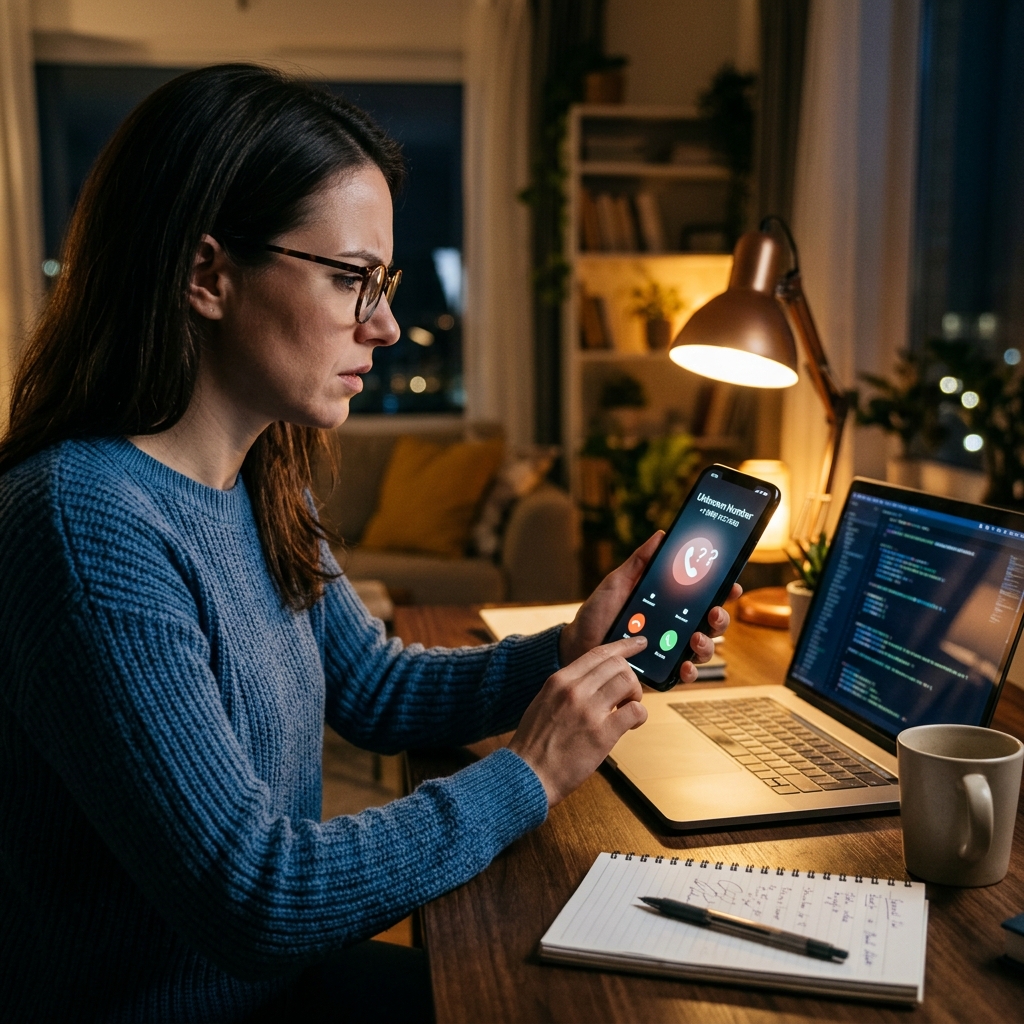
Phone scams have evolved from obvious telemarketing pitches into highly sophisticated schemes that rely on mystery calls, strange area codes, and urgent text messages to trick people into losing money or sharing sensitive data. Many of these schemes start with a simple, unexpected call or text from an unfamiliar area code.
This article explains why some area codes are frequently linked with scams, what the one‑ring scam is, and how you can safely respond to unknown calls or texts. You will also learn about official tools, such as the National Do Not Call Registry and federal reporting systems, that can help you reduce unwanted calls and assist law enforcement.
Why Area Codes Matter in Modern Phone Scams
An area code is the first three digits of a phone number and typically identifies a geographic region. Scammers exploit area codes in several ways:
- International area codes that resemble U.S. numbers can trick people into calling expensive overseas numbers.
- Domestic area codes linked with traffic pumping may be used to generate large volumes of calls to increase carrier revenue at your expense.
- Local spoofed area codes create the impression that a call is coming from your community or a nearby business.
Regulators have repeatedly warned that some area codes are disproportionately used in scams, especially in one‑ring schemes that rely on consumer curiosity and confusion.
Common Scam‑Linked Area Codes and What They Mean
Scam calls can come from any area code, but consumer protection agencies and credit unions have identified certain codes that appear frequently in fraud reports. These include both international destinations and domestic regions associated with problematic calling practices.
| Type | Example Area Codes | Typical Risk |
|---|---|---|
| International one‑ring hotspots | 268, 284, 473, 664, 649, 767, 809, 829, 849, 876 | Calls may trigger high per‑minute charges if you call back; often used in one‑ring scams. |
| Domestic traffic pumping areas | 712, 218 | High‑volume calling patterns to increase revenue; may show up as suspicious, short calls. |
| Broad domestic scam reports | Various U.S. area codes (e.g., 216, 469, 657, 332) | Frequently listed in media coverage and consumer reports as associated with robocalls or fraud attempts. |
It is important to understand that an area code alone does not prove that a call is fraudulent. However, appearance of these codes — especially in combination with other warning signs — should prompt you to pause and verify before responding.
The One‑Ring Scam: How a Single Missed Call Can Cost You
One of the most common area‑code‑based schemes is the one‑ring scam. In this ruse, a scammer places a very brief call that disconnects after one or two rings, often at odd hours.
How the One‑Ring Scam Works
The goal is to get you to call back. When you do:
- Your call may be routed to a premium‑rate international number, generating high charges almost immediately.
- The scammer or a recorded system may try to keep you on the line as long as possible, increasing the bill.
- Charges can appear on your phone bill as legitimate international call fees, making them difficult to dispute.
Regulators have specifically highlighted several Caribbean and other international area codes that are frequently used in one‑ring scams. These include:
- 268 – Antigua and Barbuda
- 284 – British Virgin Islands
- 473 – Grenada, Carriacou and Petite Martinique
- 664 – Montserrat
- 649 – Turks and Caicos Islands
- 767 – Commonwealth of Dominica
- 809, 829, 849 – Dominican Republic
- 876 – Jamaica
If you see a missed call from an unfamiliar international area code — particularly one of these — do not call back until you confirm the source.
Other Scam Tactics Using Area Codes
Scammers do not rely on one‑ring tricks alone. They combine suspicious area codes with other deceptive methods to increase the chance that you will answer.
Local Spoofing and Neighbor Calls
Many robocalls now use so‑called neighbor spoofing, in which the scammer fakes a caller ID that appears to be from your own area code and prefix. This technique makes the call look familiar, as if a nearby person or business is contacting you.
- Calls may display the same first six digits as your number (area code + exchange).
- Scammers hope you assume it is a local school, clinic, or neighbor.
- Once you answer, they deliver a pre‑recorded sales pitch or fraudulent scheme.
Because spoofing is so widespread, no area code is truly safe; cautious behavior is your best defense.
Traffic Pumping and High‑Volume Calls
Some domestic area codes have become known for traffic pumping, a practice in which certain carriers or service providers generate large volumes of calls to or from high‑cost rural exchanges. Consumers may experience:
- Repeated short calls from unfamiliar numbers in these regions.
- Unexplained long‑distance charges after returning calls.
- Confusing billing descriptions that disguise the origin of the charges.
Credit unions and consumer advocates warn that area codes such as 712 and 218 have been associated with these practices, urging customers to treat unknown calls from these codes with extra caution.
Red Flags: When to Treat a Call or Text as Suspicious
Area code is only one clue. To protect yourself, watch for a combination of behavioral and technical warning signs that often accompany scams.
- Unexpected call or text from a number you do not recognize, especially late at night.
- Only one or two rings, followed by a missed call notification.
- Pressure to act immediately, such as threats of account closure or legal action.
- Requests for personal or financial information, including Social Security numbers, bank details, or one‑time passcodes.
- Confusing or generic caller ID, like “Customer Service” or unknown abbreviations.
- Links in text messages from unfamiliar numbers, urging you to click to claim prizes or resolve problems.
According to consumer protection guidance, legitimate organizations rarely demand sensitive information or payment during an unsolicited call, and they are willing to let you hang up and call back using a verified number.
Safe Response Strategy: What to Do When You Get a Mystery Call
When you receive a call or text from an unfamiliar area code, adopt a simple, consistent approach. Financial institutions and regulators emphasize that this basic discipline dramatically reduces your risk.
Step‑by‑Step Checklist
- Let unknown calls go to voicemail. If the call is important, the caller can leave a message with details.
- Do not call back numbers that ring only once. Treat one‑ring calls, especially from unfamiliar area codes, as potential scams.
- Check the area code and number online. Use a search engine to see whether others have reported the number as fraudulent.
- Verify using official contact details. If the caller claims to be from a bank, government agency, or company, hang up and call the number listed on its official website.
- Never share sensitive information. Do not disclose account numbers, PINs, Social Security numbers, or authentication codes to unsolicited callers.
Following these steps every time you encounter an unknown number helps build habits that make you less vulnerable to scams.
Tools and Services to Reduce Scam Calls and Texts
While no solution can block every unwanted call, there are several official and widely recommended tools that can help you reduce exposure and support enforcement efforts.
National Do Not Call Registry
The U.S. National Do Not Call Registry, maintained by the Federal Trade Commission (FTC), allows consumers to register their phone numbers to limit legitimate telemarketing calls. Once registered:
- Most legal telemarketers are prohibited from calling your number.
- Registration is free and does not expire.
- It does not block scams or illegal robocalls directly, but can reduce overall call volume.
Carrier Call‑Blocking and Labeling
Many phone providers offer built‑in tools to identify and block potential scam calls.
- Call labeling marks suspicious calls as “Spam risk” or similar warnings.
- Network‑level blocking automatically stops known fraudulent numbers.
- Some carriers allow you to block categories of calls, such as international or anonymous calls.
Checking with your provider about available call‑blocking options is one of the most effective ways to reduce robocalls.
Smartphone Filters and Third‑Party Apps
Modern smartphones include spam filtering features that can be enabled in settings, and reputable third‑party apps can supplement carrier tools.
- Automatic detection of high‑volume robocalls based on user reports.
- Custom blocking rules, including entire area codes or prefixes.
- Integration with call‑screening to send suspicious calls directly to voicemail.
When choosing an app, look for transparent privacy policies and strong reviews, and avoid tools that request excessive permissions.
Reporting Phone Scams: Helping Regulators Fight Fraud
Consumer reports are a critical resource for authorities investigating large‑scale robocall operations. Federal agencies encourage people to report phone scams, even when individual losses are small, because patterns in complaints can reveal organized activity.
- Federal Trade Commission (FTC): The FTC collects reports on deceptive practices, including phone scams and illegal robocalls.
- Federal Communications Commission (FCC): The FCC regulates telecommunications and tracks unlawful calling practices; it provides guidance on robocalls and spoofing.
- Federal Bureau of Investigation (FBI): Fraud involving significant financial loss or organized crime may be reported through the FBI’s Internet Crime Complaint Center.
In addition, you can often report suspicious calls directly to your carrier, which may use the information to improve internal blocking systems.
Frequently Asked Questions (FAQs)
1. Should I ever answer a call from an unfamiliar area code?
Consumer protection guidance recommends that you let calls from unfamiliar numbers go to voicemail and review any message before deciding how to respond. Answering is not inherently unsafe, but listening first and verifying the caller dramatically reduces risk.
2. Are all calls from the highlighted area codes scams?
No. Area codes such as 268, 473, 712, or 218 correspond to real places and legitimate customers. They are considered higher‑risk because scam reports are common, but many lawful businesses and individuals use those numbers. Treat the codes as warning signs, not automatic proof of fraud.
3. What if the caller claims to be my bank or a government agency?
Do not rely solely on caller ID. Hang up and call back using a verified number from an official website or your bank card. Legitimate organizations will understand your caution and allow you to reconnect through secure channels.
4. Does registering with the National Do Not Call Registry stop scam calls?
The registry reduces legitimate telemarketing calls but does not stop illegal robocalls or fraudsters, who ignore the rules. However, being on the registry makes it easier to identify illegal callers and may reduce the overall volume of nuisance calls.
5. How can I avoid being targeted in the first place?
You cannot completely prevent your number from being dialed by automated systems, but you can limit how widely your number is shared. Avoid posting it publicly online, be cautious when entering it on websites, and review privacy settings with service providers. Using call‑blocking tools and practicing safe response habits further reduces your vulnerability.
References
- Avoiding Scams: Don’t Answer Calls From These Area Codes — AGCU. 2023-08-15. https://agcu.org/avoiding-scams-dont-answer-calls-from-these-area-codes/
- Don’t Answer Calls from These Area Codes — OE Federal Credit Union. 2022-06-10. https://www.oefederal.org/resources/blog/dont-answer-calls-from-these-area-codes
- National Do Not Call Registry FAQs — Federal Trade Commission. 2022-01-20. https://www.ftc.gov/business-guidance/resources/do-not-call-registry-faqs-marketers
- Stopping Unwanted Robocalls — Federal Communications Commission. 2023-04-12. https://www.fcc.gov/consumers/guides/stop-unwanted-robocalls-and-texts
- Scammer Phone Numbers You Need To Block and Ignore — Aura. 2023-07-01. https://www.aura.com/learn/scammer-phone-numbers
- 30 Scam Phone Numbers To Block and Area Codes To Avoid — GoBankingRates. 2023-05-05. https://www.gobankingrates.com/money/financial-planning/list-of-scammer-phone-numbers/
- Scammer phone numbers and area codes to block — Coveron. 2024-02-10. https://coveron.com/blog/scam-numbers/
Similar Articles








Read full bio of medha deb


