
Understanding Your Rights During a Traffic Stop
Learn what you must do, what you can refuse, and how to stay safe and protect your rights during any traffic stop.
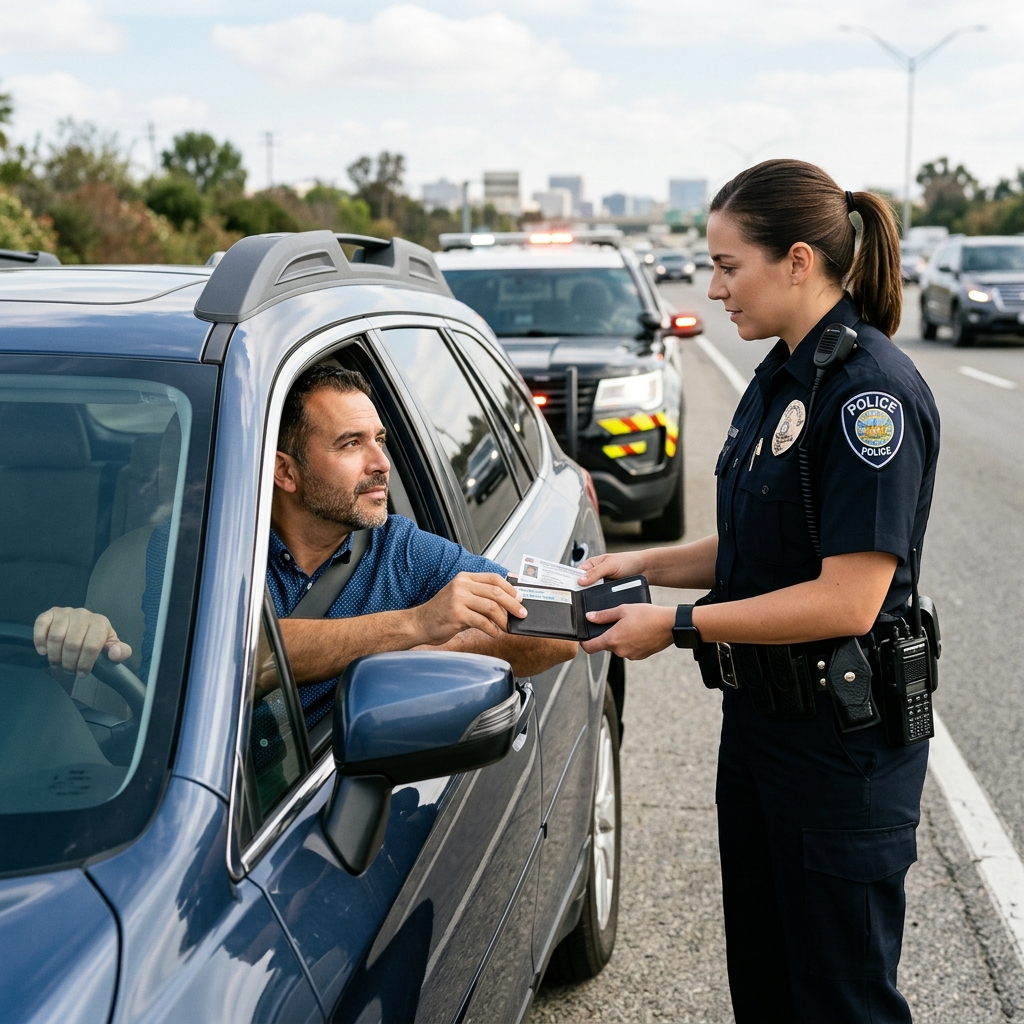
Being pulled over by law enforcement can be stressful, even when you believe you have done nothing wrong. Knowing your rights and responsibilities during a traffic stop helps you stay safer, avoid making the situation worse, and protect yourself legally.[10] This guide explains what police may lawfully do, what you are required to do, and what choices you can make to assert your rights respectfully.
Why Traffic Stop Rights Matter
Traffic stops are one of the most common forms of contact between the public and law enforcement. They can lead to citations, searches, arrests, or later court proceedings. Your behavior and understanding of the law in those few minutes can significantly influence the outcome.
At the same time, constitutional protections, especially under the Fourth Amendment (prohibiting unreasonable searches and seizures) and the Fifth Amendment (protecting against self-incrimination), apply when police stop your car. Recognizing these protections and using them in a calm, clear way is key.
What To Expect When You Are Pulled Over
Most traffic stops follow a similar pattern. Understanding the typical sequence makes it easier to respond appropriately.
- You see flashing lights or hear a siren.
- You are expected to safely pull over as soon as practical, usually to the right side of the road.
- The officer approaches your vehicle, often on the driver side, and may ask for documents and basic information.
- The officer may ask questions about your destination, activities, or the reason for the stop.
- Depending on the situation, the officer may issue a warning or citation, request consent to search, run your information, or in some cases, make an arrest.
Throughout this process, you retain certain rights, but you also have legal obligations. The next sections explain both.
Your Core Rights During a Traffic Stop
Several rights apply in most states when you are stopped in a vehicle. Exact rules can vary by jurisdiction, so always check your specific state law, but generally you have the following core protections.[10]
Right to Be Free from Unreasonable Searches and Seizures
The Fourth Amendment limits how and why police may stop and search you. A traffic stop is usually considered a “seizure” because you are not free to leave until the officer ends the encounter. A stop typically must be based on reasonable suspicion or probable cause that a traffic violation or crime has occurred.
Once stopped, the scope of the officer’s authority is tied to the reason for the stop and safety concerns. For example:
- Police may visually inspect the inside of the car from outside.
- If they have probable cause (such as smelling marijuana or seeing contraband), they may search parts of the vehicle without a warrant in many circumstances.
- Without probable cause, they usually need your consent or a warrant for more intrusive searches.[10]
Right to Remain Silent
You generally have the right to remain silent about most questions beyond basic identifying information.[10] You do not have to explain where you have been, where you are going, or what you were doing.
To exercise this right, many civil rights organizations advise saying calmly:
- “I am choosing to remain silent.”
Once you state this, avoid volunteering more information. Silence can protect you from unintentionally incriminating yourself or others.
Right to Refuse Consent to a Search
In most situations, you have the right to refuse consent to a search of your vehicle, your body, or your belongings.[10] Police may still conduct a limited search if they have specific legal grounds, but your refusal can affect whether evidence is admissible in court.
If an officer asks, “Do you mind if I search your car?” and you do not want to consent, civil liberties groups recommend saying:
- “I do not consent to a search.”
Say this clearly but respectfully. Do not physically resist if the officer proceeds anyway; disputes over legality are handled later by lawyers and courts, not on the roadside.
Right to an Attorney if You Are Arrested
If a traffic stop escalates into an arrest, you gain the right to an attorney. You can request a lawyer before answering questions, and if you cannot afford one, a public defender is usually available.
To invoke this right, you may say:
- “I want to speak to a lawyer before answering any questions.”
Right to Ask if You Are Free to Leave
At some point, the encounter may shift from a mandatory stop to a voluntary conversation. You can ask:
- “Am I being detained, or am I free to go?”
If the officer says you are free to go, you may leave calmly. If the officer says you are being detained, you generally must stay, but you still retain rights to remain silent and to refuse consent to searches.
Your Legal Responsibilities During a Traffic Stop
While you have important rights, you also have specific obligations. Failing to follow them can lead to additional charges or safety risks.
Providing Identification and Vehicle Documents
Most states require drivers to produce certain documents during a lawful traffic stop:
- Driver’s license
- Vehicle registration
- Proof of insurance
Even though you generally have the right to remain silent, refusing to show required documents can lead to arrest, additional charges, or fines. Passengers may have different obligations depending on the state; in many places, they do not have to show ID unless there is a lawful reason, such as specific suspicion or a “stop and identify” law.
Signing a Citation
If you are given a ticket, you may be asked to sign it. The signature usually indicates that you received the citation, not that you admit guilt. Refusing to sign can itself be grounds for arrest in some jurisdictions.
Following Lawful Orders
During a traffic stop, officers may give commands related to safety, such as asking you to:
- Keep your hands visible, often on the steering wheel.
- Exit the vehicle.
- Move the car to a safer location, if initially stopped in a dangerous spot.
Generally, you must comply with lawful orders. If you believe an instruction is improper or unlawful, it is safer to obey first and challenge it later through legal channels rather than arguing on the roadside.
Staying Safe and Calm During a Traffic Stop
Legal rights are most useful when combined with practical safety steps. Police and civil liberties organizations agree on several best practices to reduce risk for everyone involved.
Practical Safety Tips
- Pull over promptly but safely when you see lights or a siren.
- Stay inside your vehicle unless the officer instructs you to get out.
- Keep your hands where the officer can see them, such as on the steering wheel.
- If you need to reach for your license or documents, tell the officer where they are before moving: “My registration is in the glove box; I am going to reach for it now.”
- Avoid sudden movements, especially toward the floor, rear seat, or passenger area.
- Do not run, argue, or physically resist, even if you feel the stop is unfair.
Communication Tips
- Use a calm voice and neutral body language; strong emotions can escalate tension.
- Be polite, even while asserting your rights. Phrases like “with respect” and “I understand” can help keep interactions civil.
- If you want to ask why you were stopped, you can do so, but officers may not always be required to answer, depending on state law.
- If you believe your rights are being violated, avoid arguing on the scene. Instead, focus on staying safe and gathering information for later complaints or legal action.
Passengers: What Rights Do They Have?
Passengers also experience traffic stops and have rights of their own. Courts have recognized that passengers, like drivers, are seized during a stop and may challenge its legality.
| Issue | Driver | Passenger |
|---|---|---|
| Must show license/registration/insurance | Generally yes if requested. | Usually no, unless state law or specific suspicion requires ID. |
| Right to remain silent about activities | Yes.[10] | Yes.[10] |
| Right to refuse consent to search of personal belongings | Yes.[10] | Yes, for bags or items they own or control.[10] |
| Ability to challenge legality of stop | Yes. | Yes, under Fourth Amendment case law. |
What Happens If You Are Arrested During a Traffic Stop?
Sometimes a stop leads to arrest, for example due to suspected impairment, outstanding warrants, or discovery of contraband. If this occurs, several additional rights become critical.
Miranda Rights and Questioning
If you are taken into custody and questioned, you should be informed of your Miranda rights, which typically include:
- The right to remain silent.
- Anything you say can be used against you in court.
- The right to an attorney, and to have one appointed if you cannot afford one.
Even if you have not yet heard these warnings, you still have the right to remain silent and to request a lawyer. Clearly stating these requests helps protect you.
Phone Calls and Legal Assistance
Rules about phone calls after arrest differ by state, but some jurisdictions recognize specific rights, such as multiple calls within a set time frame to contact a lawyer or family. Ask officers about your ability to make calls and use them to reach legal help as soon as possible.
Documenting the Incident
Once you are safe, whether or not you are arrested, it is helpful to document what happened:
- Write down the date, time, location, and a description of the events.
- Note the officers’ names, badge numbers, and patrol car numbers if available.
- Identify potential witnesses and gather contact information.
- Take photographs of any injuries or property damage as soon as possible.
This information can support complaints to internal affairs, civilian review boards, or legal claims in court.
Common Mistakes to Avoid
Many problems during traffic stops arise from misunderstandings or emotional reactions. Being aware of typical mistakes can help you avoid them.
- Lying or presenting false documents: Providing fake identification or false information can lead to serious charges beyond the original reason for the stop.
- Arguing on the roadside: Disputes about guilt or officer behavior are better handled later in court or complaint processes, not during the encounter.
- Physically resisting: Even if you believe the stop or search is unlawful, physical resistance greatly increases risk of harm and additional charges.
- Suddenly stopping cooperation without explanation: If you choose to remain silent, say so clearly instead of abruptly refusing to talk mid-conversation.
Frequently Asked Questions (FAQs)
1. Do I have to answer questions about where I’m going or what I was doing?
No. You usually only need to provide required identifying information and documents. Questions about your plans, activities, or companions are generally optional, and you may decline to answer by invoking your right to remain silent.[10]
2. Can I record the traffic stop on my phone?
In many places, you may legally film police in public as long as you do not interfere with their work or violate other laws. However, rules can vary by jurisdiction, and officers may react strongly. If you choose to record, keep the device visible, remain calm, and comply with lawful orders.
3. What if I think the officer pulled me over for an unfair or discriminatory reason?
Even if you believe the stop was based on discrimination, you should focus on staying safe, asserting your rights respectfully, and documenting details. Later, you can speak with an attorney or civil rights group about filing a complaint or exploring legal options.
4. Do I have to let police search my car if they ask?
No, not in most situations. You may say, “I do not consent to a search.”[10] If officers have independent legal grounds (probable cause, certain exceptions, or a warrant), they may still search, but your refusal can be important in later legal proceedings.
5. If I am just a passenger, can I leave?
It depends on the situation. Because passengers are also considered “seized” in many traffic stops, officers may require them to stay temporarily. You can ask, “Am I free to go?” If the officer says yes, you may leave calmly; if not, you should remain but still retain rights to remain silent and refuse consent to searches of your personal belongings.[10]
Preparing Yourself Before You Drive
Good preparation can make any traffic stop simpler and safer.
- Keep your license, registration, and proof of insurance easily accessible, so you do not need to dig through bags or reach into hidden areas.
- Store unnecessary objects out of the vehicle cabin to reduce misunderstandings about suspicious items.
- Know the basic rights and responsibilities described in this guide and share them with family members or young drivers.[10]
- Consider carrying contact information for a lawyer or legal aid organization in your wallet or phone.
References
- Your Rights and the Police — Georgia Legal Aid. 2023-05-01. https://www.georgialegalaid.org/resource/your-rights-and-the-police-1
- Stopped by Police — American Civil Liberties Union. 2022-06-15. https://www.aclu.org/know-your-rights/stopped-by-police
- Know Your Rights: Police Interactions — ACLU of Northern California. 2023-03-10. https://www.aclunorcal.org/know-your-rights/police-interactions
- When Stopped by an Officer — ACLU of Southern California. 2023-07-20. https://www.aclusocal.org/know-your-rights/when-stopped-officer
- FOURTH AMENDMENT: Passengers and Police Stops — U.S. Courts. 2018-01-01. https://www.uscourts.gov/sites/default/files/rights-police-stops.pdf
- What To Do If Stopped By The Police: Know Your Rights and Responsibilities — Central Connecticut State University Police Department. 2021-09-01. https://www.ccsu.edu/police/what-do-if-stopped-police-know-your-rights-and-responsibilities
- What Are My Rights When Stopped by the Police? — Super Lawyers. 2022-11-30. https://www.superlawyers.com/resources/civil-rights/what-are-my-rights-when-stopped-by-the-police/
Similar Articles








Read full bio of medha deb


