
Understanding Washington’s Human Composting Law
How Washington’s natural organic reduction law works, who can use it, and what it means for modern estate planning.
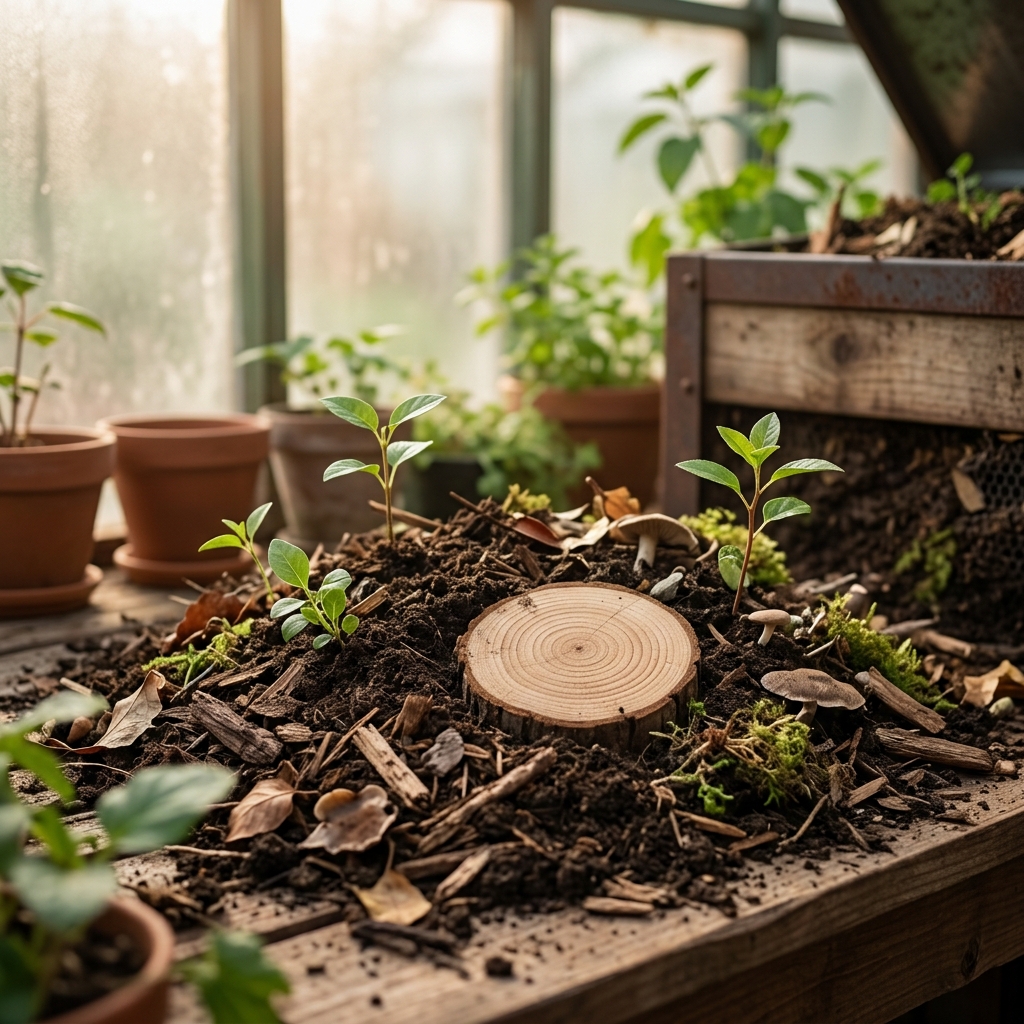
Washington State was the first jurisdiction in the United States to legalize human composting, known in the statute as natural organic reduction, giving residents a new, environmentally focused option for the disposition of human remains.
This article explains how the law works, what the process involves, how to plan for it in your estate documents, and practical considerations for families who are exploring alternatives to conventional burial and cremation.
1. Background: How Human Composting Became Legal in Washington
Washington’s natural organic reduction law was enacted in 2019, when the legislature passed ESSB 5001 and the governor signed it, with the law taking effect in May 2020.
The statute made Washington the first state in the country to expressly authorize the conversion of human remains to soil through a controlled composting process, alongside existing options like burial and cremation.
- Legislative purpose: expand consumer choice and encourage environmentally conscious disposition methods.
- Legal terminology: the law uses the term “natural organic reduction” rather than “human composting.”
- Regulatory oversight: natural organic reduction facilities must be licensed and comply with public health and environmental standards.
The idea builds on established agricultural practices where livestock carcasses are composted safely and efficiently, adapted to human remains with additional regulatory safeguards.
2. What Natural Organic Reduction Means Under Washington Law
Under Washington law, natural organic reduction is defined as a contained, accelerated conversion of human remains into soil.
The process takes place in a controlled environment—often a tank, vessel, or cylinder—where the body is combined with plant-based materials and carefully monitored.
2.1 Core Elements of the Legal Definition
- Contained system: remains are placed inside a closed vessel or chamber designed for composting.
- Organic materials: wood chips, straw, alfalfa, or similar plant matter are added to support decomposition.
- Managed conditions: temperature, moisture, oxygen, and aeration are controlled to promote microbial activity.
- Resulting product: a stable soil-like material that can be used much like other compost.
In practice, the human body and organic materials are mixed and periodically turned or aerated over several weeks, allowing natural decomposition to proceed efficiently.
2.2 Timeframe and output
Studies and early operational data indicate that the process typically takes about one to two months to complete, depending on the facility’s methods and monitoring.
- Initial breakdown into largely skeletal remains can occur within four to seven weeks.
- Facilities may further process bone material (often by pulverizing) to achieve a uniform soil.
- Each person’s remains generally produce around one cubic yard of composted material.
The resulting soil can be used in gardens, forests, conservation projects, or other applications, subject to legal and environmental guidelines.
3. How Human Composting Works in Practice
Although each provider has its own specific technology and procedures, the practical steps of human composting in Washington follow a common pattern.
3.1 Typical process steps
- Intake and preparation: The deceased is transported to a licensed natural organic reduction facility, where staff prepare the remains and remove certain medical devices if required.
- Placement in vessel: The body is placed into a cradle or vessel with organic materials such as wood chips, straw, and alfalfa.
- Controlled decomposition: The vessel is kept at elevated temperatures, and the contents may be mixed or aerated to maintain appropriate oxygen levels and moisture.
- Monitoring and adjustments: Facility operators track conditions and adjust heat, air, and moisture to promote safe microbial activity.
- Final processing: After several weeks, remaining bone fragments may be reduced further to create a consistent soil product.
- Return or use of soil: Families can receive some or all of the soil, or authorize its use for conservation projects, reforestation, or other land stewardship purposes.
Throughout the process, facilities must comply with state rules on testing and quality control to ensure that the resulting material is safe for environmental use.
3.2 Safety and testing requirements
Washington regulations require natural organic reduction facilities to test reduced remains for contaminants and pathogens, using established compost testing methods.
- Representative sampling: facilities collect samples from each instance of natural organic reduction or from a defined portion of their monthly activity, depending on how many cases they have completed.
- Physical contaminants: reduced remains must contain less than a specified amount of physical contaminants such as intact bone, dental fillings, and medical implants.
- Chemical and biological tests: operators must test for metals including arsenic, cadmium, lead, mercury, and selenium, and for fecal coliform or salmonella.
If test results exceed permitted limits, facilities are not allowed to release the material and must address the issue before the soil can be distributed.
4. Comparing Human Composting to Burial and Cremation
Natural organic reduction offers a different balance of cost, environmental impact, and personal values compared with traditional burial and cremation.
| Method | Approximate Cost Range | Environmental Considerations | Key Features |
|---|---|---|---|
| Traditional Burial | Often around $8,000 or more, depending on services and cemetery fees. | Uses embalming chemicals, caskets, vaults, and long-term land resources. | Conventional, widely understood; cemetery plot and headstone provide a fixed location. |
| Cremation | Frequently in the $1,500 range, with variations based on services. | Requires significant energy and can generate greenhouse gases; no long-term land use. | Flexible; ashes can be kept, scattered, or incorporated into memorial objects. |
| Human Composting (Natural Organic Reduction) | Commonly cited ranges from about $3,000 to $7,000 in Washington. | Avoids embalming, turns remains into carbon-sequestering soil, and can reduce methane formation compared to some decomposition scenarios. | Produces usable soil; can be used for conservation, gardens, or memorial plantings. |
For many families, the appeal of human composting lies in its lower environmental footprint, the symbolism of returning to the earth, and the opportunity to support ecological restoration with the resulting soil.
5. Availability and Eligibility in Washington
Since the law took effect, several licensed providers have opened facilities in Washington to offer human composting services.
5.1 Where services exist
- Facilities are currently concentrated in central and western Washington, with options serving the Seattle metro area and beyond.
- Residents from other parts of the state can still choose human composting, though transportation logistics and costs must be considered.
Operators may offer on-site ceremonies or viewing options, as well as arrangements for the distribution or donation of the resulting soil, depending on their business model.
5.2 Eligibility considerations
Not every case is automatically eligible for human composting; facilities may impose restrictions based on health concerns, legal issues, or logistics.
- Medical and safety factors: certain infectious diseases or conditions might require special handling or make natural organic reduction impractical under health regulations.
- Legal requirements: as with other disposition methods, the death must be properly certified and any required permits obtained.
- Consent and authority: providers generally require proof that the person authorized human composting, or that the legally recognized next of kin or agent has authority to choose it.
Prospective clients should speak with individual providers to understand any eligibility rules and what documentation is necessary.
6. Incorporating Human Composting Into Estate Planning
Washington law allows individuals to set out instructions for the disposition of their remains, typically through a written directive or appointment of an agent, and human composting can be one of the options selected.
6.1 Choosing your preferred disposition method
From an estate planning perspective, clearly stating your wishes helps prevent disputes and ensures that funeral providers can follow your instructions.
- Directive for remains: many Washington residents use a statutory or customized document specifying whether they prefer burial, cremation, or natural organic reduction.
- Appointment of an agent: you may designate a person to make decisions about your remains, giving them authority to contract with a human composting provider and coordinate arrangements.
- Coordination with other documents: your will, powers of attorney, and advance health care directives should align with your disposition preferences to avoid confusion.
Discussing your wishes with family and your attorney can help ensure that everyone understands your choice and is prepared to carry it out.
6.2 Prepayment and cost planning
Some human composting providers in Washington offer the option to prepay for services, which can simplify matters for your survivors and lock in certain arrangements.
- Prepayment can be coordinated with funeral trusts, insurance, or other estate planning tools.
- Specifying the provider and payment details in your documents can reduce delays and uncertainty at the time of death.
Clients should review contracts carefully and ensure that they comply with Washington law governing prepaid funeral and disposition services.
7. Environmental and Ethical Considerations
Human composting is often chosen for its environmental advantages and its alignment with certain ethical or spiritual values about returning to the earth.
7.1 Environmental impacts
- Reduced chemical use: natural organic reduction does not rely on embalming fluids typically used in traditional burials.
- Lower greenhouse gas footprint: the process uses energy for heating and aeration, but it can avoid some of the emissions associated with cremation and unmanaged decomposition; carefully aerated composting tends to produce more carbon dioxide and less methane, and methane is a much more potent greenhouse gas.
- Soil generation: each person’s remains become a quantity of compost that can contribute to soil restoration and carbon sequestration.
These factors appeal to individuals seeking sustainable end-of-life options that align with broader climate and conservation goals.
7.2 Ethical and cultural questions
Human composting also raises questions about cultural norms, religious traditions, and personal comfort with newer technologies.
- Some communities may embrace the symbolism of life continuing through soil and plant growth.
- Others may prefer more familiar practices or have doctrinal views that affect whether natural organic reduction is acceptable.
- Families should explore their own values and, where relevant, consult religious or cultural authorities when considering this option.
8. Practical Tips for Washington Residents Considering Human Composting
For those interested in natural organic reduction, a few practical steps can make the process smoother.
- Research providers: review licensed facilities in Washington, comparing costs, services offered, ceremonial options, and locations.
- Talk with an attorney: integrate your choice into your estate planning documents to ensure legal clarity.
- Discuss with family: share your reasons and preferences, and let loved ones know where your directive or instructions are kept.
- Consider soil destination: decide whether you want the soil to be used in a specific place—such as a family garden, conservation area, or memorial forest—and communicate those wishes.
- Plan for logistics: if you live far from a facility, talk with providers about transportation, timing, and any additional costs.
9. Frequently Asked Questions (FAQs)
9.1 Is human composting legal everywhere in the United States?
No. Human composting, or natural organic reduction, is not yet legal in every state. Washington was the first to adopt such a law in 2019, effective in 2020, and other states have gradually considered or enacted similar measures.
9.2 How long does the process take from start to finish?
In Washington facilities, natural organic reduction typically takes about one to two months from placement in the vessel to a finished, tested soil product, though the exact timeframe varies by provider and process.
9.3 Is the resulting soil safe to use?
State regulations require facilities to test reduced remains for certain metals and pathogens and to ensure that physical contaminants are minimized before releasing the soil. When test results meet regulatory limits, the material is considered suitable for use much like other composted materials.
9.4 Can my family keep the soil or use it in a specific location?
Yes. Many providers allow families to receive some or all of the soil and to use it in gardens, forests, or other sites, subject to local rules and any restrictions on scattering or land use.
9.5 How do I make sure my wish for human composting is honored?
The most effective approach is to sign a written directive for the disposition of remains or appoint an agent with clear instructions to choose natural organic reduction, and to communicate your decision to your family and professionals who will assist at the time of death.
References
- Natural Composting of Human Remains – A First for Washington State — Municipal Research and Services Center (MRSC). 2019-05-30. https://mrsc.org/stay-informed/mrsc-insight/may-2019/bill-allows-natural-composting-of-human-remains
- Washington’s Human Composting Law and How It Works — Super Lawyers. 2020-02-18. https://www.superlawyers.com/resources/estate-planning-and-probate/washington/washingtons-human-composting-law-and-how-it-works/
- Washington Becomes First US State to Legalise Human Composting — BBC News. 2019-05-22. https://www.bbc.com/news/world-us-canada-48359571
- An Update on Human Composting in Washington State — Montgomery Purdue. 2023-03-08. https://www.montgomerypurdue.com/blog/an-update-on-human-composting-in-washington-state/
- Study Provides Details on Human Composting Process Set to Begin in Washington State — American Association for the Advancement of Science (AAAS). 2019-12-09. https://www.aaas.org/news/study-provides-details-human-composting-process-set-begin-washington-state
- WAC 246-500-055: Natural Organic Reduction Facility Operator Requirements — Washington State Legislature. Last updated 2020. https://app.leg.wa.gov/wac/default.aspx?cite=246-500-055
Similar Articles








Read full bio of Sneha Tete


