
Voter Intimidation: 5 Ways To Spot It And Report Securely Now
Learn what voter intimidation is, how the law treats it, and where voters can report it.
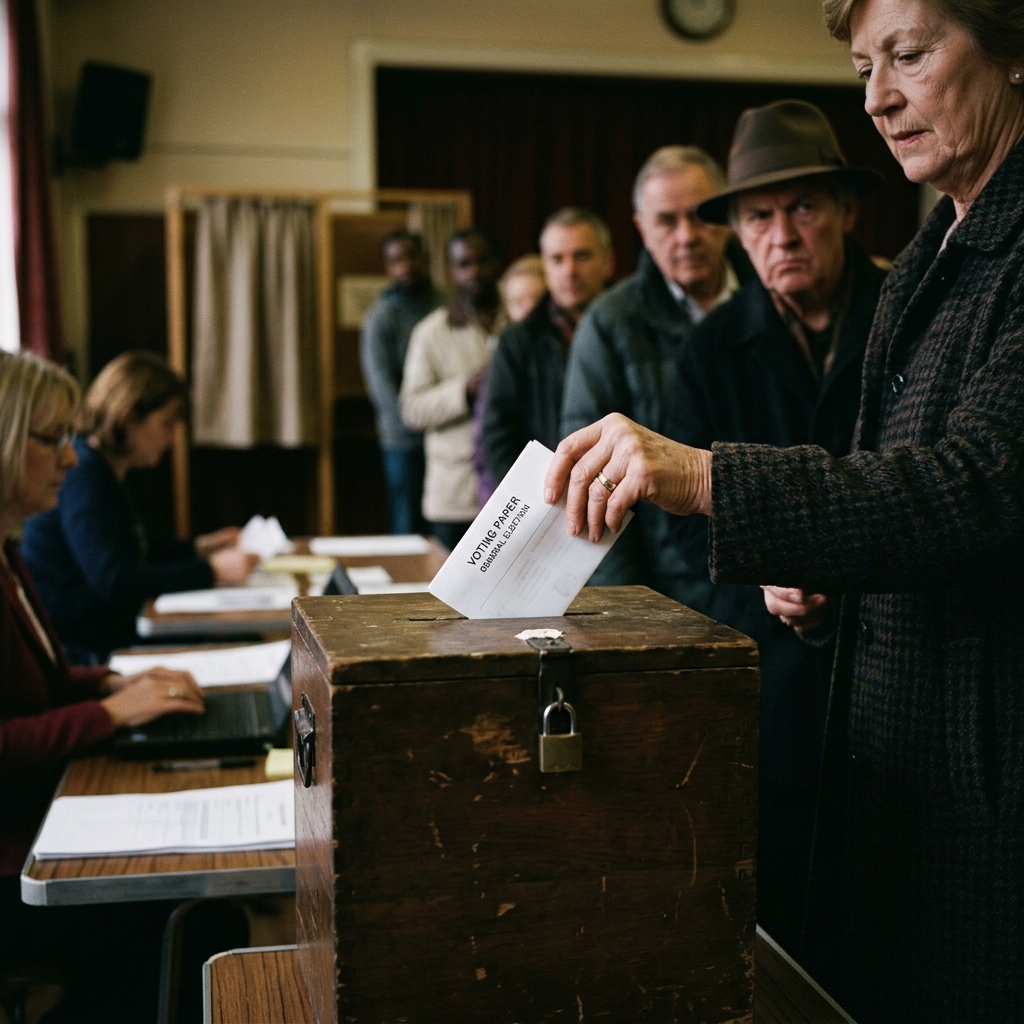
Voter intimidation is any threatening, coercive, or obstructive conduct that interferes with a person’s ability to vote freely. Federal law prohibits this behavior, and states also enforce their own protections to keep elections accessible, orderly, and fair.
Although the phrase can sound broad, the legal idea is straightforward: if someone uses pressure, fear, harassment, or misinformation to influence whether, how, or for whom another person votes, that conduct may cross the line into unlawful voter intimidation.
What counts as voter intimidation?
At its core, voter intimidation involves conduct intended to interfere with the right to vote. Federal law makes it unlawful to intimidate, threaten, coerce, or attempt to intimidate, threaten, or coerce another person for the purpose of interfering with voting rights.
This protection is not limited to one type of election activity. Guidance from election-rights organizations and government sources shows that intimidation can happen before Election Day, inside or near polling locations, and during ballot processing in some contexts.
- Threatening a voter with harm if they choose a certain candidate.
- Following voters in a way that creates fear or pressure.
- Blocking access to a polling place or ballot drop box.
- Spreading false information about who can vote or what identification is required.
- Pretending to be an election official to control or confuse voters.
Why the law treats intimidation seriously
Voting is a protected civic right, and intimidation undermines the fairness of elections by discouraging lawful participation. Federal criminal law specifically targets threats and coercion tied to voting because fear can be just as effective as physical obstruction in keeping eligible voters away from the polls.
The federal statute applies to elections for major federal offices, including President, Vice President, U.S. Senate, and U.S. House races. State laws often provide additional protections and may apply to state and local elections as well.
Common forms of illegal conduct
Not every uncomfortable election interaction is unlawful, but several recurring behaviors are widely recognized as potential intimidation. The exact line depends on the facts, especially the intent behind the conduct and its effect on voters.
| Behavior | Why it may be unlawful |
|---|---|
| Threatening language | Can frighten voters into staying away or changing their choices. |
| Physical hovering or blocking | May create fear or prevent lawful access to voting locations. |
| False voting information | Can mislead eligible voters about ID rules, registration, or eligibility. |
| Recording or following voters aggressively | May be used to pressure, identify, or discourage participation. |
| Impersonating election staff | Can confuse voters and interfere with the voting process. |
Examples discussed by election-rights groups include standing too close to voters, confronting them verbally, posting threatening notices, photographing voters in restricted areas, and obstructing parking or entry routes in a way that hinders access.
Who is protected?
Federal and state protections generally apply to all eligible voters, and many state frameworks also protect election workers, volunteers, and people assisting voters. In practice, intimidation may disproportionately affect people who are easier to target with confusion or fear, including first-time voters, voters with limited English proficiency, and people unfamiliar with polling-place procedures.
Protection also extends beyond a single moment in line. The Brennan Center notes that anti-intimidation rules may apply throughout the election cycle, including registration, ballot casting, counting, and certification-related activities.
Federal law and possible penalties
The main federal criminal statute is 18 U.S.C. § 594. It prohibits intimidating, threatening, or coercing another person, or attempting to do so, in order to interfere with that person’s voting rights.
Under the federal statute, a person convicted of voter intimidation may be fined, imprisoned for up to one year, or both. Some states impose additional or separate penalties, and in certain jurisdictions the consequences can be more severe depending on the conduct involved.
Because the law also reaches attempts, a person does not need to succeed in stopping someone from voting for liability to arise under federal law.
How to recognize intimidation versus lawful election activity
Election seasons often include advocacy, campaign messaging, and public discussion. Those activities are not automatically illegal. The important question is whether the conduct is aimed at protecting free choice or at restricting it through fear or pressure.
Lawful political expression may include handing out flyers, encouraging turnout, or discussing policy positions in permitted areas. By contrast, conduct becomes more concerning when it singles out voters, creates a threatening environment, or conveys false consequences for lawful voting behavior.
- Encouraging turnout is generally lawful.
- Threatening someone for supporting a candidate is not.
- Providing correct voting information is lawful.
- Giving false eligibility rules to deter voting may be unlawful.
What voters can do if intimidation happens
Anyone who experiences or witnesses suspected intimidation should report it promptly. The U.S. Department of Justice advises contacting local law enforcement immediately if there is criminal activity connected with voting, and calling 911 if there is imminent danger.
Voters can also report concerns to state or local election officials. The Department of Justice and election-rights organizations also identify the FBI and voter-protection hotlines as additional reporting channels.
- Call local police or election security personnel if safety is at risk.
- Notify the county clerk, state board of elections, or poll workers.
- Contact the U.S. Department of Justice Voting Rights Hotline.
- Report serious criminal conduct to the FBI.
- Use a voter protection hotline if you need guidance on next steps.
What information to document
Clear documentation can help officials evaluate a report. If it is safe to do so and local law allows it, voters should record details such as the time, place, names or descriptions of people involved, what was said, and whether anyone was blocked, threatened, or misled.
Photos or video may sometimes be useful, but recording rules differ by state and location. Guidance from advocacy groups and government sources emphasizes that voters should follow local laws and avoid escalating a confrontation.
How states may add extra protection
State laws vary, but many states expressly prohibit intimidation at polling places, ballot drop boxes, and election offices. Some states also restrict campaign activity near voting sites or give election officials authority to remove disruptive people.
For example, state guidance may specify who is allowed inside a polling place while voting occurs and where complaints should be directed. These rules can differ significantly from one state to another, so local election guidance matters.
Practical examples of conduct that can cross the line
Although each case turns on its facts, the following examples illustrate the kinds of actions that can create legal risk:
- Asking voters aggressive questions about citizenship or criminal history in a manner meant to discourage voting.
- Displaying signs that falsely warn about criminal penalties for voting.
- Standing so close to voters that they feel watched or threatened.
- Parking vehicles or placing objects to make polling access difficult.
- Targeting non-English speakers or voters of color with deceptive or harassing conduct.
These examples matter because intimidation is not limited to direct threats. Harassment and misinformation can be just as harmful when they are used to alter a person’s willingness to participate in elections.
FAQs
Is voter intimidation always a federal crime?
No. It is a federal crime when the conduct fits the federal statute and concerns protected federal election activity, but state law may also apply independently.
Do I have to be physically assaulted for it to count?
No. Intimidation can involve words, conduct, misinformation, or pressure that is intended to interfere with voting. Physical violence is not required.
Can someone be punished for trying to intimidate a voter even if the voter still votes?
Yes. Federal law covers attempts to intimidate, threaten, or coerce, not just successful interference.
Where should I report suspected voter intimidation?
Start with local law enforcement or election officials if there is an immediate issue, and use federal reporting channels or a voter protection hotline for broader assistance.
Does voter intimidation only happen at polling places?
No. It can also occur during registration, at ballot drop boxes, near election offices, and in other parts of the voting process, depending on the law and the facts.
When to seek legal help
People who have been accused of intimidating voters should speak with a lawyer quickly, because these cases can involve criminal exposure, election-law rules, and state-specific procedures. Voters who believe their rights were threatened may also benefit from legal guidance, especially if the incident involved repeated harassment, false accusations, or interference with access to the polls.
Because election rules differ by jurisdiction, legal advice can be especially helpful when the situation involves close questions about recording, campaigning near polling places, or the authority of election workers and law enforcement.
References
- Intimidation of voters — Ballotpedia. 2020-01-01. https://ballotpedia.org/Intimidation_of_voters
- 18 U.S. Code § 594 – Intimidation of voters — Cornell Law School, Legal Information Institute. 2026-07-09. https://www.law.cornell.edu/uscode/text/18/594
- Voter Intimidation: What It Is, and What to Do — FindLaw. 2026-07-09. https://www.findlaw.com/voting/how-do-i-protect-my-right-to-vote/voter-intimidation-what-is-it-and-what-to-do.html
- Protecting Voters from Intimidation — Campaign Legal Center. 2026-07-09. https://campaignlegal.org/democracyu/inclusion/protecting-voters-intimidation
- Guidance on Voter Intimidation and Discriminatory Conduct — New Mexico Secretary of State. 2026-07-09. https://www.sos.nm.gov/voting-and-elections/voter-information-portal-nmvote-org/guidance-on-voter-intimidation-and-discriminatory-conduct/
- Guide to Laws Against Intimidation of Voters and Election Workers — Brennan Center for Justice. 2026-07-09. https://www.brennancenter.org/our-work/research-reports/guide-laws-against-intimidation-voters-and-election-workers
- Voter Intimidation Under Federal Law — U.S. Department of Justice, Civil Rights Division. 2026-07-09. https://www.justice.gov/crt/media/1348556/dl?inline
Similar Articles








Read full bio of Sneha Tete




