
Understanding Vehicle Repossession and Your Consumer Rights
Learn what lenders can and cannot do, and the critical rights you have before, during, and after a vehicle repossession.
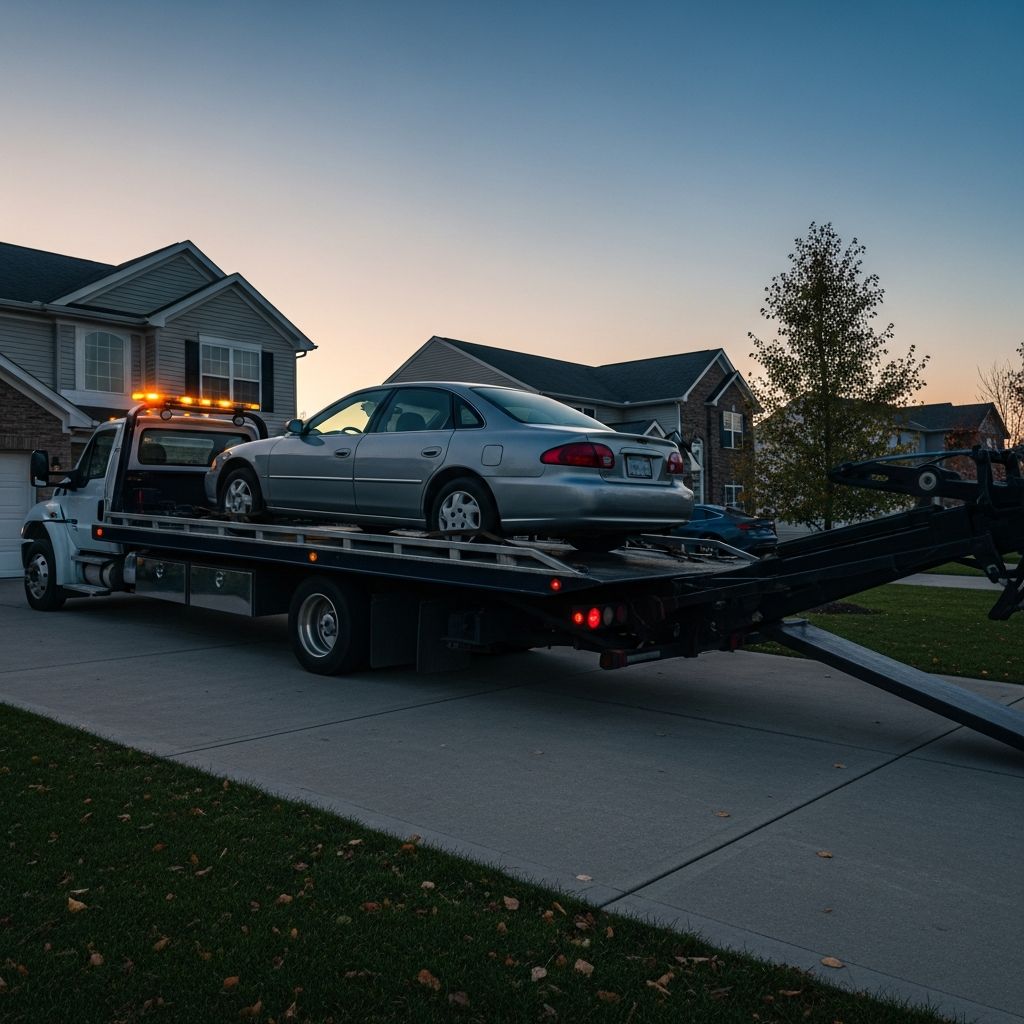
Falling behind on car payments can quickly lead to vehicle repossession. When that happens, lenders and repossession companies must follow specific rules, and you have important rights that can affect your money, your credit, and your ability to get the vehicle back. Understanding these rules before a problem occurs can help you make better decisions if you ever face default.
1. How Vehicle Repossession Works
Most auto loans and leases give the lender a security interest in the vehicle. That means the car itself acts as collateral; if you default, the lender can take the vehicle and sell it to help recover the unpaid balance.
| Stage | What Typically Happens |
|---|---|
| Before Default | You make regular payments as required by your contract. |
| Default | You miss payments or otherwise violate loan terms (for example, not having required insurance), depending on your contract and state law. |
| Repossession | The lender or a repossession company takes the vehicle, often without going to court first in states that allow self-help repossession. |
| Sale of the Vehicle | The lender sells the vehicle, usually at auction or private sale, and applies the proceeds to your debt. |
| Deficiency or Surplus | You may owe a remaining balance (deficiency) if the sale does not cover the full debt, or you might be owed money if the sale brings in more than you owe. |
Exact procedures and timelines depend on state law and your contract, so it is crucial to review your loan documents and check any state-specific protections.
2. When a Lender May Take Your Vehicle
In many states, a lender can take your vehicle as soon as you are in default, which might be after a single missed payment or another contract violation, depending on your agreement.
- Some contracts define default broadly, covering missed payments, lapses in required insurance, or using the vehicle in prohibited ways.
- State law may limit how quickly a lender can treat a late payment as default or may give you cure or reinstatement rights.
- Lenders may choose to send reminder or demand letters before repossession, but in many states they are not legally required to do so before taking the car.
Lenders often hire licensed repossession companies to carry out the actual taking of the vehicle. These companies must follow both state licensing rules and general consumer protection laws.
3. Rules Repossession Agents Must Follow
Even when a lender has the right to take your car, the process must be done lawfully. Many states allow self-help repossession only if it can be done without a breach of the peace.
3.1 What Counts as a Breach of the Peace
While definitions vary by state, breaching the peace typically includes:
- Threatening or using physical force against you or others.
- Removing a vehicle from a closed or locked garage without your permission.
- Continuing the repossession when you clearly and firmly object in a way that could lead to confrontation.
In some states and situations, you may be able to:
- Use a breach of the peace as a defense to reduce what you owe after the vehicle is sold.
- Seek damages if the repossession company or lender violated state law or federal debt collection rules.
3.2 Access to Your Property and Home
Repossession agents typically may:
- Take the vehicle from public streets or open parking lots.
- Reposses the car even if you are not present, as long as they do not break the peace.
They generally may not:
- Break into a locked garage or gated area without permission.
- Physically restrain you, make violent threats, or damage property to take the vehicle.
In some jurisdictions, you have the right to ask for proof that the person taking your vehicle is properly licensed as a repossession agent or works for a licensed company.
4. What Happens to Your Personal Belongings
Repossession affects the vehicle as collateral, not the personal property you left inside. State laws commonly require creditors or repossession companies to safeguard your belongings and provide a way to get them back.
- You generally retain ownership of personal items left in the car, such as clothing, documents, and portable electronics.
- Items that are considered permanently attached to the vehicle—like some custom audio systems or special wheels—may be treated as part of the car under state law or your contract.
- Companies may charge reasonable storage fees for holding your personal property, and you may need to make an appointment to pick it up.
It is wise to document what was in the car and its approximate value as soon as possible. If anyone demands money before releasing your personal property, some regulators have treated that as an unfair practice, and you may wish to contact a consumer law attorney or enforcement agency.
5. Your Rights After the Car Has Been Repossessed
Once a repossession occurs, you still have important rights regarding notices, opportunities to get the vehicle back, and how the lender sells the car.
5.1 Notice Before the Vehicle Is Sold
Under federal and state law, lenders must usually send you a post-repossession notice that explains what they plan to do with the vehicle and outlines your options.
Depending on your state, this notice may include:
- Whether the lender intends to sell the vehicle at a public auction or a private sale.
- The date or time frame of the planned sale.
- How to find out the exact amount you must pay to get the vehicle back.
- A description of how the proceeds of the sale will be applied to your account and how any deficiency will be calculated.
This notice gives you a last opportunity to act before the lender disposes of the vehicle.
5.2 Getting the Vehicle Back: Redemption and Reinstatement
Many states allow one or both of the following options:
- Redemption
You pay the entire remaining balance on the loan or lease plus allowable fees and repossession costs to permanently regain ownership of the vehicle. This can be expensive but may stop the sale and close out the debt. - Reinstatement
You pay past-due amounts, late fees, and repossession-related charges to bring the loan current, rather than paying it off completely. This option is available in some states and typically must be exercised within a short time frame after you receive the lender’s notice.
The specific deadlines, eligibility rules, and how many times you can use these rights vary by state law and your contract. Lenders must usually provide contact information so you can request the payoff or reinstatement amount.
6. How the Sale of the Vehicle Affects Your Debt
After repossession, the lender sells the vehicle and applies the sale proceeds to your account. The way this sale is handled can significantly affect your remaining balance.
6.1 Commercial Reasonableness
Most states require that lenders conduct the sale in a commercially reasonable way, which generally means:
- Using common industry practices for repossessed vehicle sales.
- Providing appropriate advertising or notice of a public auction.
- Avoiding artificially low prices caused by unfair or collusive sale practices.
If the sale does not meet these standards, you may be able to challenge the amount the lender claims you still owe or seek other legal remedies.
6.2 Deficiency Balances and Surpluses
Once the vehicle is sold, the lender will calculate:
- Deficiency balance – The difference between what you owe (including allowed fees) and what the lender received from the sale. The lender may attempt to collect this amount from you, and in many states can sue you for it.
- Surplus proceeds – If the sale price exceeds your total debt and allowable costs, you are generally entitled to the extra money, subject to any other liens on the vehicle.
If you disagree with the sale price, the fees charged, or the calculation of a deficiency, consider seeking legal advice. Improper notices, illegal repossession practices, or unreasonable sale methods may reduce or eliminate the amount the lender can collect.
7. Credit Report and Long-Term Impact
A repossession can have serious long-term financial consequences:
- Late payments and the repossession itself may appear on your credit report for up to seven years, depending on national credit reporting rules.
- A deficiency balance that goes unpaid may be sent to collections or lead to a court judgment, which can further damage your credit and, in some cases, result in wage garnishment or liens, subject to state law.
- Future lenders may see a repossession as a high-risk factor, making it more difficult or expensive to obtain credit.
Because of these effects, many consumers try to work with their lender as soon as they anticipate trouble, rather than waiting until repossession occurs.
8. Steps to Take if You Are at Risk of Repossession
If you know you may not be able to make a payment, acting early can preserve more options and reduce long-term damage.
- Review your contract carefully. Look for terms that define default, grace periods, late fees, and any rights to cure or reinstate the loan.
- Contact your lender quickly. Ask whether they offer hardship programs, deferments, or modified payment arrangements. Lenders are not required to agree, but many will consider alternatives that may be less costly than repossession.
- Consider selling or refinancing. If you have equity in the vehicle or can find a more affordable loan, acting before repossession can give you more control over the outcome.
- Seek reputable help. Government agencies and nonprofit organizations may offer free or low-cost counseling on debt and credit issues.
Document all communications with your lender, including dates, times, and the names of people you spoke with. Written confirmations of any modified agreements are especially important.
9. What to Do After a Repossession Occurs
If your vehicle has already been taken, you still have key decisions to make.
- Confirm who took the vehicle. Contact your lender to verify that the repossession was authorized and to get the name and contact information of the repossession company.
- Ask about your options. Request written information about your right to redeem or reinstate the loan, the total amount due, and deadlines for taking action.
- Retrieve personal property. Arrange to pick up your belongings and ask about any storage fees or required identification.
- Watch for required notices. Keep copies of all letters that describe the lender’s plan to sell the vehicle and any deficiency they claim you owe after the sale.
- Get legal advice if you suspect violations. If there was violence, threats, a nighttime break-in of a locked garage, or refusal to return personal items without payment, it may be worth speaking with a consumer rights attorney or filing a complaint with a regulator.
10. Frequently Asked Questions About Vehicle Repossession
Q1: Can a lender repossess my car without telling me first?
In many states, yes. If your loan is in default, lenders may be able to repossess the vehicle without going to court and without advance notice, as long as they follow state law and do not breach the peace. However, they usually must send you a notice before selling the vehicle.
Q2: Can repossession agents break into my garage?
Generally, no. Taking a vehicle from a locked garage or closed structure without permission is often considered a breach of the peace and may violate state law. If this happens, you may have grounds to challenge the repossession or seek damages.
Q3: Am I still responsible if the sale does not cover my entire loan?
Often, yes. After the lender sells the car, the remaining unpaid amount (plus allowed costs) is called a deficiency balance. In many states, the lender can attempt to collect this amount and may sue you for it, subject to any defenses you have regarding the repossession or sale.
Q4: What if my belongings are missing from the repossessed car?
Contact the repossession company and your lender immediately, and document what is missing and its value. Creditors are generally required to safeguard your personal property and provide a way for you to retrieve it. If items are lost, stolen, or withheld until you pay extra fees, you may wish to consult an attorney or notify consumer protection authorities.
Q5: How can I find out my rights in my specific state?
Because repossession rules vary, check resources from your state attorney general, state consumer protection office, or official legal aid organizations, and review any guidance from federal agencies such as the Consumer Financial Protection Bureau.
References
- Vehicle Repossession — Federal Trade Commission. 2023-05-01. https://consumer.ftc.gov/articles/vehicle-repossession
- What happens if my car is repossessed? — Consumer Financial Protection Bureau. 2021-09-30. https://www.consumerfinance.gov/ask-cfpb/what-happens-if-my-car-is-repossessed-en-865/
- Consumer Guide to Vehicle Repossession — California Bureau of Security and Investigative Services. 2019-04-01. https://www.bsis.ca.gov/about_us/agendas/repo_guide_draft.pdf
- Car Repossession in California: Know Your Rights — Upsolve. 2024-02-15. https://upsolve.org/ca/repo-laws/
- Vehicle Replevin & How the Legal Process Differs from Repossession — Justia. 2022-06-10. https://www.justia.com/debt-management/car-repossessions/replevin-of-vehicles/
Similar Articles








Read full bio of medha deb


