
Understanding U.S. Police Misconduct Laws and Your Rights
A clear, plain‑language guide to the main U.S. laws that address police misconduct and how people can seek help when rights are violated.
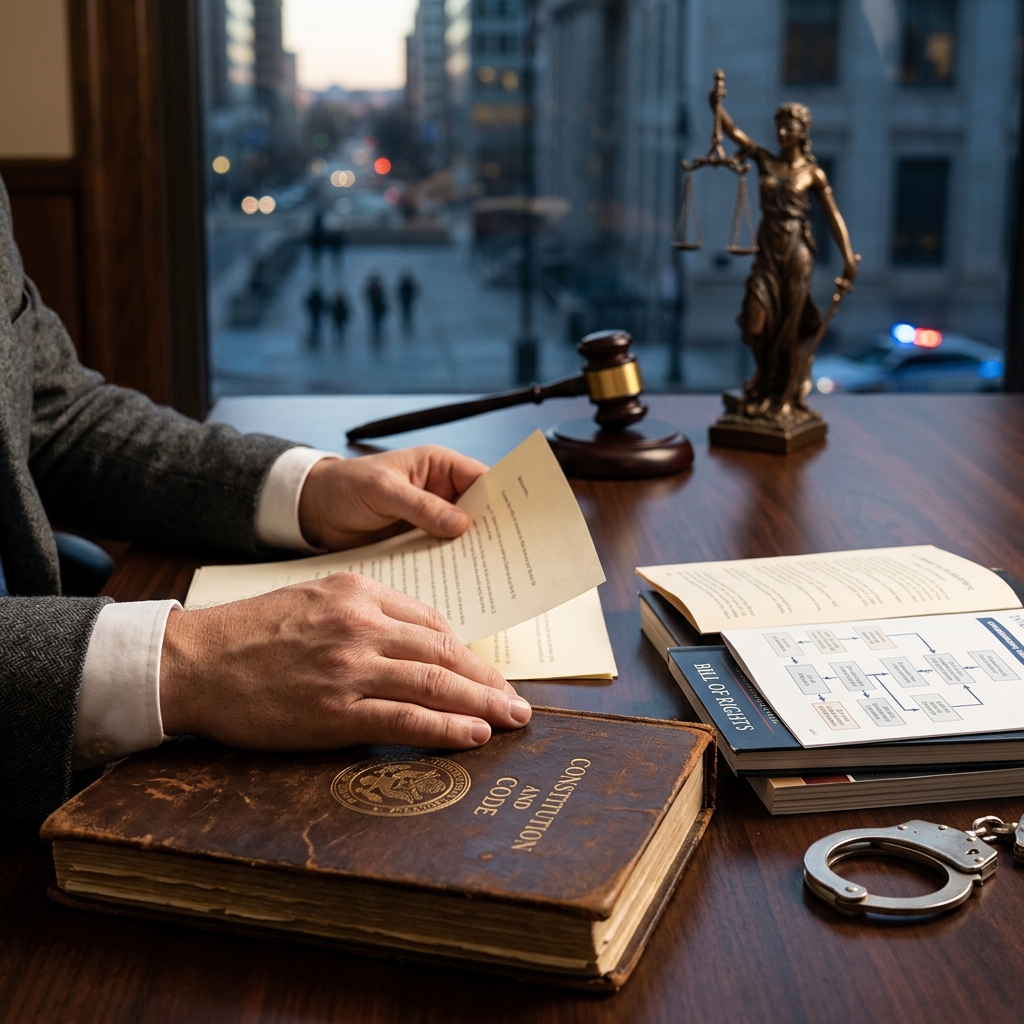
Police officers and correctional officials have powerful legal authority: they can detain, search, arrest, and use force. Federal civil rights laws set firm limits on how that power can be used and provide tools to address police misconduct when officers cross constitutional or statutory lines.
This article explains the basic legal framework the U.S. federal government uses to address misconduct by state, local, and federal law enforcement agencies, and what individuals can do if they believe their rights have been violated.
1. What Counts as Police Misconduct Under Federal Law?
“Police misconduct” is not a single statute; instead, it is a broad term that covers a range of illegal actions by law enforcement officers. Federal civil rights laws focus on conduct that violates the Constitution or specific federal statutes.
1.1 Common Types of Misconduct
Federal law can apply to many kinds of behavior by officers, including those working in jails and prisons.
- Excessive force – using more force than is reasonably necessary under the circumstances, including deadly force.
- Sexual misconduct or assault – coercive sexual activity, harassment, or assault by an officer, especially toward people in custody.
- False arrest or unlawful detention – arresting or detaining someone without probable cause or a lawful basis.
- Discriminatory policing – treating individuals differently because of race, color, national origin, sex, religion, or disability.
- Unlawful searches and seizures – stopping, searching, or seizing property without legal justification.
- Theft or corruption – stealing from individuals, extorting money, or abusing the badge for personal gain.
- Deliberate indifference to serious risk – ignoring serious medical needs or substantial risks of harm to people in custody.
- Retaliation – punishing people for filing complaints or speaking out about misconduct.
These behaviors may violate criminal laws, civil rights statutes, or both, depending on the facts of the case.
1.2 Who Is Protected?
Federal civil rights laws enforced by the Department of Justice (DOJ) protect all persons in the United States, including citizens and non-citizens.
- People stopped or questioned on the street
- Individuals under arrest or in pretrial detention
- People incarcerated in jails, prisons, or juvenile detention centers
- Individuals interacting with probation, parole, or other correctional officials
The laws generally cover state, county, local, and many federal officers and agencies.
2. Key Federal Criminal Law: Individual Officer Liability
When an officer personally violates someone’s constitutional rights, federal prosecutors may rely on a core criminal civil rights statute: 18 U.S.C. § 242.
2.1 What 18 U.S.C. § 242 Prohibits
Section 242 makes it a federal crime for anyone acting “under color of law” to willfully deprive a person of rights protected by the Constitution or federal law.
To obtain a conviction, the government must prove beyond a reasonable doubt that:
- The victim had a right protected by the Constitution or federal law.
- The officer deprived the victim of that right.
- The officer acted willfully—knowing the conduct was wrong and against the law, and choosing to do it anyway.
- The officer was acting under color of law, meaning using or misusing official authority.
Examples include:
- Beating a handcuffed person who is not resisting.
- Sexually assaulting someone in custody who has not consented.
- Intentionally fabricating evidence that leads to wrongful imprisonment.
- Deliberately ignoring a serious medical emergency of a person in custody.
2.2 Special Concepts in Criminal Cases
Federal criminal law also recognizes important concepts such as:
- Deliberate indifference – when an officer is aware of a substantial risk of serious harm to a person in custody and fails to take reasonable steps to reduce that risk.
- Failure to intervene – an officer can be liable for failing to stop another officer’s ongoing constitutional violation when there is a realistic opportunity to intervene.
Convictions under § 242 can lead to imprisonment, fines, or both. The severity of the penalty depends on the harm caused, including whether the victim was seriously injured or died.
3. Civil Pattern-or-Practice Law: Reforming Agencies
Criminal prosecutions focus on individual officers. Sometimes, however, civil rights violations stem from systemic problems such as poor training, bad policies, or lack of supervision. To address these issues, Congress gave DOJ authority to challenge patterns of misconduct by law enforcement agencies through 34 U.S.C. § 12601.
3.1 What the Pattern-or-Practice Law Does
Under § 12601, it is unlawful for a state or local law enforcement agency to engage in a “pattern or practice” of conduct that deprives people of constitutional or federal rights.
Key points:
- The law targets agencies, not individual officers.
- DOJ investigates whether repeated incidents, complaints, or data show systemic problems.
- Misconduct may include excessive force, discriminatory stops, unlawful arrests, coercive sexual conduct, or retaliation.
- The primary remedies are injunctive and declaratory relief—court orders to change policies, training, and oversight—not money damages.
There is no private right of action under § 12601. Only the U.S. Department of Justice can file suit in federal court using this statute.
3.2 Typical Outcomes of Pattern-or-Practice Investigations
When DOJ finds systemic misconduct, it may negotiate an agreement with the agency or seek a court order. Many cases result in:
- Consent decrees or court-enforceable settlement agreements overseen by a federal judge.
- Requirements to revise use-of-force policies, stop-and-search rules, and complaint procedures.
- Improved training on constitutional policing and non-discriminatory practices.[10]
- Better systems for tracking complaints, reviewing body-worn camera footage, and disciplining officers.[10]
- Mechanisms for community input and transparency, such as public reports.
The goal is long-term structural change within the agency to prevent future civil rights violations.
4. Federal Civil Rights Protections Against Discrimination
In addition to criminal and pattern-or-practice laws, several civil rights statutes protect people from discriminatory treatment by law enforcement agencies, especially when those agencies receive federal funding.
| Law | Who It Covers | Protected Characteristics | Examples in Law Enforcement |
|---|---|---|---|
| Title VI of the Civil Rights Act of 1964 | State and local agencies receiving federal financial assistance | Race, color, national origin | Racially selective traffic stops or language access failures for limited English speakers |
| Office of Justice Programs Statute | Justice system programs funded by DOJ grants | Race, color, national origin, sex, religion | Sex-based harassment by officers in a DOJ-funded program |
| Americans with Disabilities Act & Rehabilitation Act | State and local law enforcement agencies and most public entities | Disability | Failure to modify practices for people with disabilities or denial of effective communication |
These laws allow DOJ and, in many circumstances, private individuals to challenge discriminatory policies and practices.
5. How Federal and Private Lawsuits Fit Together
Federal enforcement is only one piece of the system that addresses police misconduct. Individuals may also seek remedies in court, often under 42 U.S.C. § 1983, which allows lawsuits against state or local officials for constitutional violations.
- Criminal prosecutions (e.g., § 242) can result in prison or fines for officers but do not provide compensation to victims.
- Pattern-or-practice cases (e.g., § 12601) focus on institutional reform and usually do not provide money damages to individuals.
- Private civil suits (e.g., § 1983 or other statutes) can provide damages and injunctive relief directly to victims and families.
Findings from federal investigations can sometimes influence or support private litigation, and vice versa. However, each case follows its own legal standards and procedures.
6. What To Do If You Believe Your Rights Were Violated
If you think your rights were violated by a law enforcement officer, you have several options. The best course will depend on your circumstances, safety, and access to legal advice.
6.1 Immediate Safety and Documentation
- Seek medical attention right away if you are injured.
- Write down everything you remember as soon as possible: date, time, location, badge numbers, vehicle numbers, and witness contact information.
- Save photos, videos, medical records, and any communications related to the incident.
Accurate documentation can be critical for any later complaint, investigation, or lawsuit.
6.2 Filing a Complaint with the Department of Justice
The Civil Rights Division of the Department of Justice accepts complaints about police misconduct, including from people in jail or prison.
In a typical complaint, you should:
- Describe what happened, including dates, times, and locations.
- Identify the agencies and officers involved, if known.
- Explain how you believe your rights were violated.
- Attach supporting documents such as medical records, court papers, or photographs, if available.
Submitting a complaint does not guarantee that DOJ will open a criminal case or pattern-or-practice investigation, but complaints help the Department identify serious problems and potential patterns across the country.
6.3 Local and State Complaint Options
Many states and localities have additional mechanisms to address police misconduct, including:
- Complaints to internal affairs units within a police department.
- Independent civilian review boards or oversight agencies.
- Complaints to state law enforcement standards or licensing commissions.
- Reports to state attorneys general or other state civil rights offices.
Some states also provide specific procedures to challenge police certification or seek disciplinary action through regulatory bodies.
6.4 Consulting an Attorney
Because civil rights law is complex and deadlines for filing cases can be short, many people benefit from speaking with an attorney experienced in civil rights or police misconduct cases.
- Lawyers can help evaluate whether you have a viable civil claim.
- They can advise on preserving evidence and avoiding actions that might harm your case.
- Legal aid organizations, bar association referral services, and civil rights groups can sometimes assist in finding counsel.
7. Frequently Asked Questions
7.1 Does federal law apply only to local police?
No. Federal civil rights laws generally cover state, county, local, and many federal officers, including those who work in prisons, jails, or juvenile facilities. Some statutes are limited to state and local agencies, particularly those tied to federal funding, while others also reach federal officers.
7.2 Can I personally sue under the pattern-or-practice statute?
No. The pattern-or-practice law, 34 U.S.C. § 12601, can be enforced only by the U.S. Department of Justice. Individuals cannot file their own lawsuits under that statute, but they may pursue other legal avenues, such as § 1983 claims or state law actions.
7.3 Does DOJ handle every complaint it receives?
DOJ reviews all complaints, but it cannot open investigations or cases in response to every allegation. The Department evaluates factors such as jurisdiction, evidence, severity, and whether the allegations suggest a pattern of misconduct. Even when DOJ does not open a case, complaints may still help identify broader problems.
7.4 Is discrimination required for conduct to be illegal?
No. Some laws, such as Title VI, specifically target discrimination based on protected characteristics. Others, like § 242 or § 12601, focus on constitutional violations more broadly, regardless of the victim’s race, gender, or other traits, though discriminatory intent can be an aggravating element.
7.5 Are there remedies for people with disabilities?
Yes. The Americans with Disabilities Act (ADA) and the Rehabilitation Act prohibit discrimination on the basis of disability in most law enforcement services and activities. This includes obligations to provide reasonable modifications to policies and effective communication with individuals who have disabilities.
7.6 What if my family member is in jail or prison and experiencing abuse?
People in custody are protected by the Constitution and federal statutes. Deliberate indifference to serious medical needs, unsafe conditions, or sexual abuse may violate federal law, including § 242 and pattern-or-practice provisions. Family members can help by documenting what is happening, encouraging the person to seek medical care and file internal grievances if safe to do so, and submitting complaints to DOJ or other oversight bodies.
8. Why Understanding These Laws Matters
Federal laws addressing police misconduct serve several crucial purposes:
- Protecting individual rights by defining limits on law enforcement authority.
- Deterring abuse through the possibility of criminal prosecution, civil enforcement, and damages.
- Promoting institutional reform by targeting systemic problems, not just individual bad actors.
- Supporting public trust by signaling that no one is above the law, including those who enforce it.
While the system is far from perfect and many instances of misconduct never lead to accountability, understanding the legal framework is a starting point for advocacy, reform, and individual protection. Knowing your rights, documenting violations, and using available complaint channels can contribute to broader efforts to improve policing and corrections across the United States.
References
- Addressing Police Misconduct Laws Enforced by the Department of Justice — U.S. Department of Justice, Civil Rights Division. 2023-05-31. https://www.justice.gov/crt/addressing-police-misconduct-laws-enforced-department-justice
- Law Enforcement Misconduct — U.S. Department of Justice, Civil Rights Division. 2022-08-18. https://www.justice.gov/crt/law-enforcement-misconduct
- Preventing and Remedying Patterns or Practices of Law Enforcement Misconduct — U.S. Commission on Civil Rights. 2001-11-01. https://www.usccr.gov/files/pubs/guard/ch5.htm
- Preventing Law Enforcement From Gross Misconduct — NAACP. 2016-07-01. https://naacp.org/resources/preventing-law-enforcement-gross-misconduct
- Complaint Procedures — Texas Commission on Law Enforcement. 2024-02-01. https://www.tcole.texas.gov/content/complaint-procedures
Similar Articles








Read full bio of medha deb




