
Understanding Typical DUI Probation Requirements
Learn the most common DUI probation rules, how they work, and what happens if you break them after a drunk driving conviction.
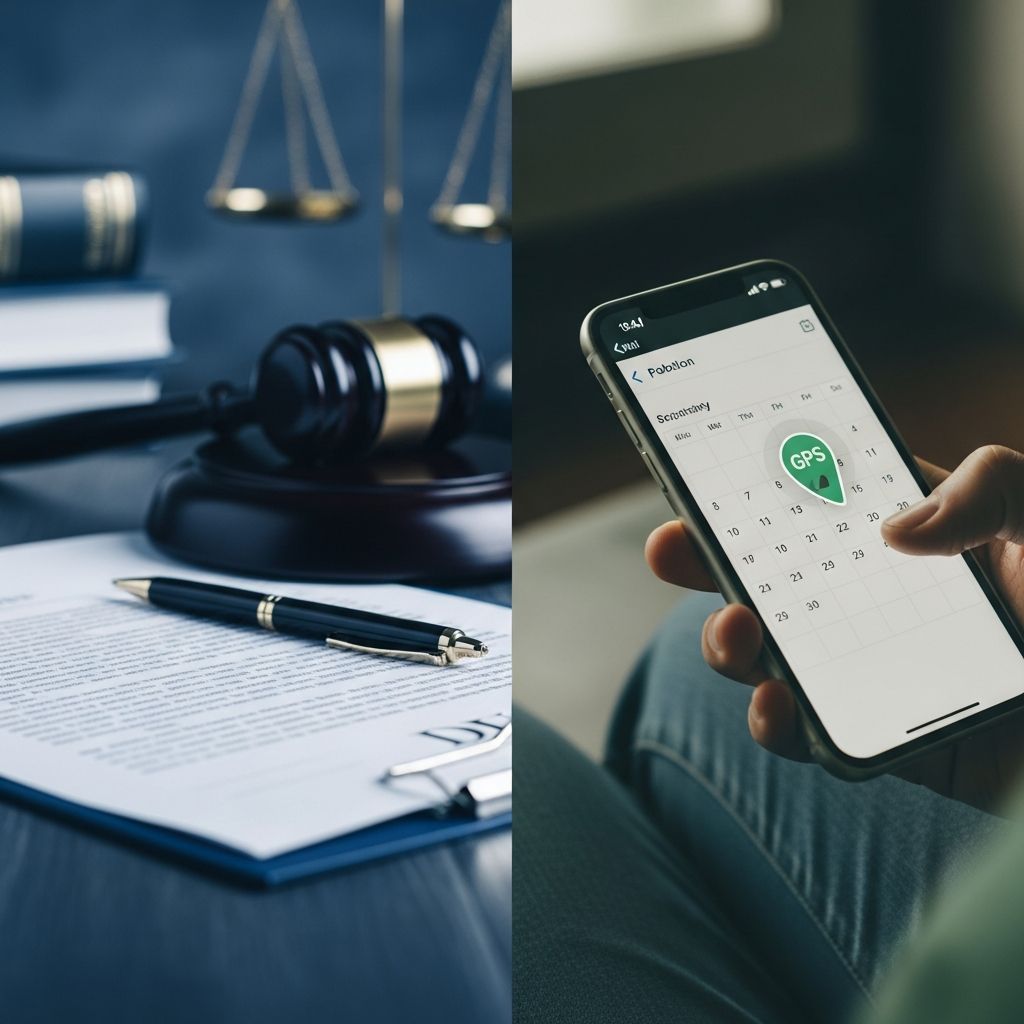
For many people convicted of driving under the influence (DUI), probation is the alternative to spending a full sentence in jail. Instead of being incarcerated, you remain in the community but must follow a series of strict rules for a set period of time. These rules are called probation conditions, and violating them can quickly land you back in court and potentially behind bars.
This guide explains the most common DUI probation conditions, why courts use them, and what you can do to successfully complete your probation term.
How DUI Probation Works
Probation is a court-ordered period of supervision that allows a defendant to remain in the community under conditions instead of serving all of their sentence in custody. In many jurisdictions, DUI probation is referred to as community supervision or conditional discharge and may follow state statutes and local rules.
| Aspect | Typical DUI Probation Feature |
|---|---|
| Purpose | Rehabilitation, public safety, and accountability |
| Length | Often 6–24 months for first offenses; longer for repeat or aggravated cases |
| Supervision | Regular contact with a probation officer and compliance checks |
| Core Obligations | No new crimes, abstain from alcohol/drugs, pay fines/fees, complete programs |
| Consequences for Violations | Warning, tighter conditions, extended probation, or jail/prison time |
Although local rules differ, many DUI probation orders contain a similar set of core conditions focused on three goals:
- Deterring repeat drunk driving by restricting alcohol and monitoring behavior
- Rehabilitating the driver through education, treatment, and counseling
- Protecting the public by limiting driving and high-risk activities
1. Mandatory Reporting to a Probation Officer
Most DUI probationers must report regularly to a probation officer, either in person, by phone, or electronically. The officer’s job is to monitor compliance and help you stay on track.
Common elements of reporting include:
- Initial intake interview after sentencing
- Scheduled monthly or bi-monthly check-ins
- Review of employment, housing, and law enforcement contacts
- Verification of completed classes, treatment, and community service
Missing appointments, lying to your officer, or failing to provide documentation can be treated as a violation of probation conditions.
2. No New Criminal Offenses and General Law-Abiding Conduct
Every probation order includes the requirement to commit no new crimes and to obey all laws. For a DUI probationer, this usually means:
- No new DUI, reckless driving, or traffic crimes
- No drug possession, assault, theft, or other criminal conduct
- No disobeying court orders, such as protective orders or driving bans
Even minor law violations can trigger a probation review, while serious new charges can lead to an immediate motion to revoke probation and impose jail time.
3. Alcohol and Drug Abstinence with Testing
Because DUI is an alcohol- or drug-related offense, courts routinely order complete abstinence from alcohol and illegal drugs while on probation, regardless of the person’s legal drinking age.
To enforce this condition, the court may require:
- Random urine, breath, or blood tests for alcohol and controlled substances
- Testing at probation visits or via call-in/randomized systems
- Use of continuous alcohol monitoring devices in higher-risk cases
Testing positive, skipping a scheduled test, or tampering with monitoring equipment can all be treated as probation violations.
4. DUI Education Courses and Impact Panels
DUI probation almost always includes educational programs designed to change behavior and improve decision-making.
Typical requirements include:
- State-approved DUI education classes that cover impairment, legal penalties, and safer choices
- Substance abuse screening to assess risk and recommend further treatment if needed
- Victim impact panels, where offenders hear from victims and families affected by impaired driving
These programs usually have strict attendance rules and completion deadlines, and proof of completion must be given to the court or probation officer.
5. Treatment, Counseling, and Evaluations
Where screening shows a possible substance use issue, judges frequently order treatment and counseling in addition to basic classes.
Depending on the evaluation, conditions may require:
- Outpatient substance use counseling sessions
- Intensive outpatient or residential treatment programs
- Individual or group therapy focused on alcohol or drug misuse
- Ongoing monitoring of attendance and progress by the provider
Ignoring treatment recommendations or dropping out of counseling often leads to tighter supervision or a probation violation hearing.
6. Ignition Interlock and Driving Restrictions
In many states, DUI probation comes with driver’s license restrictions and technology-based safeguards such as an ignition interlock device (IID).
Common driving-related conditions include:
- Suspension or restriction of driver’s license for a defined period
- Permission to drive only for work, school, treatment, or probation visits
- Mandatory installation of an IID that requires a clean breath sample to start and continue driving
- Prohibitions on driving any vehicle without an approved IID, if ordered
Failing to install an IID, driving a non-equipped vehicle when prohibited, or attempting to bypass the device are serious violations that can quickly return a DUI defendant to court.
7. Community Service and Restitution
Courts often require DUI probationers to perform community service and in some cases to pay restitution to anyone harmed by the offense.
Typical features include:
- Completion of a set number of volunteer hours with approved organizations
- Work related to public safety, traffic awareness, or general community benefit
- Deadlines for finishing hours, sometimes spread over the probation term
- Payment of restitution for medical bills, property damage, or other losses if ordered
Failure to document community service or to make good faith efforts toward restitution can affect whether probation is extended, modified, or revoked.
8. Fines, Fees, and Financial Obligations
DUI convictions are often expensive. In addition to any criminal fines, probation orders regularly impose court costs, supervision fees, and costs for classes, treatment, or IIDs.
Financial obligations may include:
- Criminal fines set by statute and the sentencing judge
- Monthly probation supervision fees, often capped or regulated by law
- Program fees for education classes and treatment services
- IID installation and monthly monitoring charges
Courts often expect timely payments or a documented payment plan. Ignoring financial obligations can lead to sanctions, though judges may consider ability to pay and alternatives in many jurisdictions.
9. Employment, Travel Limits, and Curfew Rules
Some DUI probation orders include lifestyle-related conditions designed to stabilize the defendant’s life and reduce risk.
These may include:
- Maintaining lawful employment or full-time enrollment in school
- Obtaining advance permission before moving or leaving the area
- Restrictions on out-of-state travel or international trips
- Curfew requirements or, in some cases, electronic monitoring for higher-risk individuals
While not imposed in every case, these conditions become more likely with repeat offenses, high blood alcohol levels, crashes, or injuries.
10. What Happens If You Violate DUI Probation?
When a probation officer believes that you broke a condition, they may file a violation report or a motion to revoke or modify probation with the court.
Possible outcomes at a violation hearing include:
- Warning or counseling, especially for first or minor violations
- Added conditions such as more testing, classes, or tighter supervision
- Extension of the probation term within legal limits
- Short jail stays as a sanction
- Full revocation of probation and imposition of the original suspended jail or prison sentence
Because proof standards at probation hearings are often lower than at a criminal trial, it can be easier for the state to show a violation than to win a new conviction. Consulting an attorney quickly after any alleged violation is usually critical to protecting your rights.
Practical Tips for Successfully Completing DUI Probation
Although probation can feel overwhelming, many people complete it successfully. The following strategies can help:
- Read your order carefully and ask your lawyer or probation officer to explain anything you do not understand.
- Track all deadlines, including class start dates, completion dates, payment due dates, and service hour requirements.
- Keep records of every payment, attendance sheet, certificate, and letter related to your conditions.
- Stay proactive: if you cannot meet a requirement due to illness, job loss, or another serious issue, contact your attorney and probation officer as early as possible.
- Build a support system with family, friends, counselors, or support groups who understand your goals and help you avoid high-risk situations.
Frequently Asked Questions About DUI Probation
How long does DUI probation usually last?
The length varies by state and by case. For many first-time DUI convictions, probation often lasts between six months and two years, while repeat or aggravated cases can involve longer supervision terms.
Can I drink alcohol at home if I am on DUI probation?
In many DUI cases, the court orders complete abstinence from alcohol during probation, not just a ban on driving after drinking. If your order includes a no-alcohol condition, you can be violated for drinking anywhere, including at home.
Do I have to install an ignition interlock device for every DUI?
Not every DUI requires an ignition interlock device, but many states mandate or strongly favor IIDs for higher blood alcohol levels, repeat offenses, or where the court believes an additional safety measure is necessary. The exact rules depend on your jurisdiction’s statutes.
What if I cannot afford all the probation fees and program costs?
Court systems recognize that not everyone can pay large sums immediately. Judges may consider payment plans, extended deadlines, or alternatives in appropriate cases, especially when the defendant shows good faith efforts and communicates early. You should never simply stop paying without speaking to your attorney and probation officer.
Will completing DUI probation erase the conviction from my record?
Successfully completing probation usually prevents you from serving the suspended jail sentence, but it does not automatically erase the conviction. Whether you can later seal or expunge the record depends on your state’s laws and the type of disposition you received. Consult a local attorney for advice on record relief options in your jurisdiction.
References
- Conditions of Probation and Supervised Release — U.S. District Court, Western District of Texas. 2022-12-01. https://www.txwd.uscourts.gov/wp-content/uploads/2022/12/Conditions-of-Probation-and-Supervised-Release.pdf
- Felony Probation Conditions — McLennan County Community Supervision and Corrections Department. 2023-01-01. https://www.mclennan.gov/189/Felony-Probation-Conditions
- DWI Probation In Texas — Varghese Summersett PLLC. 2023-05-10. https://versustexas.com/dwi-probation-in-texas/
- DWI Probation in Texas — Napier Law Firm. 2023-03-15. https://www.thenapierlawfirm.com/dwi-probation-what-you-need-to-know/
- DWI Probation Rules in Texas — Texas DWI Site. 2022-08-20. https://www.texasdwisite.com/dwi-probation-rules-in-texas/
- DWI Probation in Fort Worth — Andrew Deegan Attorney at Law. 2022-06-01. https://www.andrewdeeganlaw.com/dwi-defense/dwi/probation
- DWI Probation in Texas: Get the Facts — Thiessen Law Firm. 2022-07-01. https://www.thetexastrialattorney.com/blog/dwi-probation-texas/
Similar Articles








Read full bio of medha deb




