
Texas Paternity Suits: 3 Ways To Establish Paternity, Deadlines
A practical guide to how Texas paternity suits work, who can file them, key deadlines, and what to expect from the legal process.
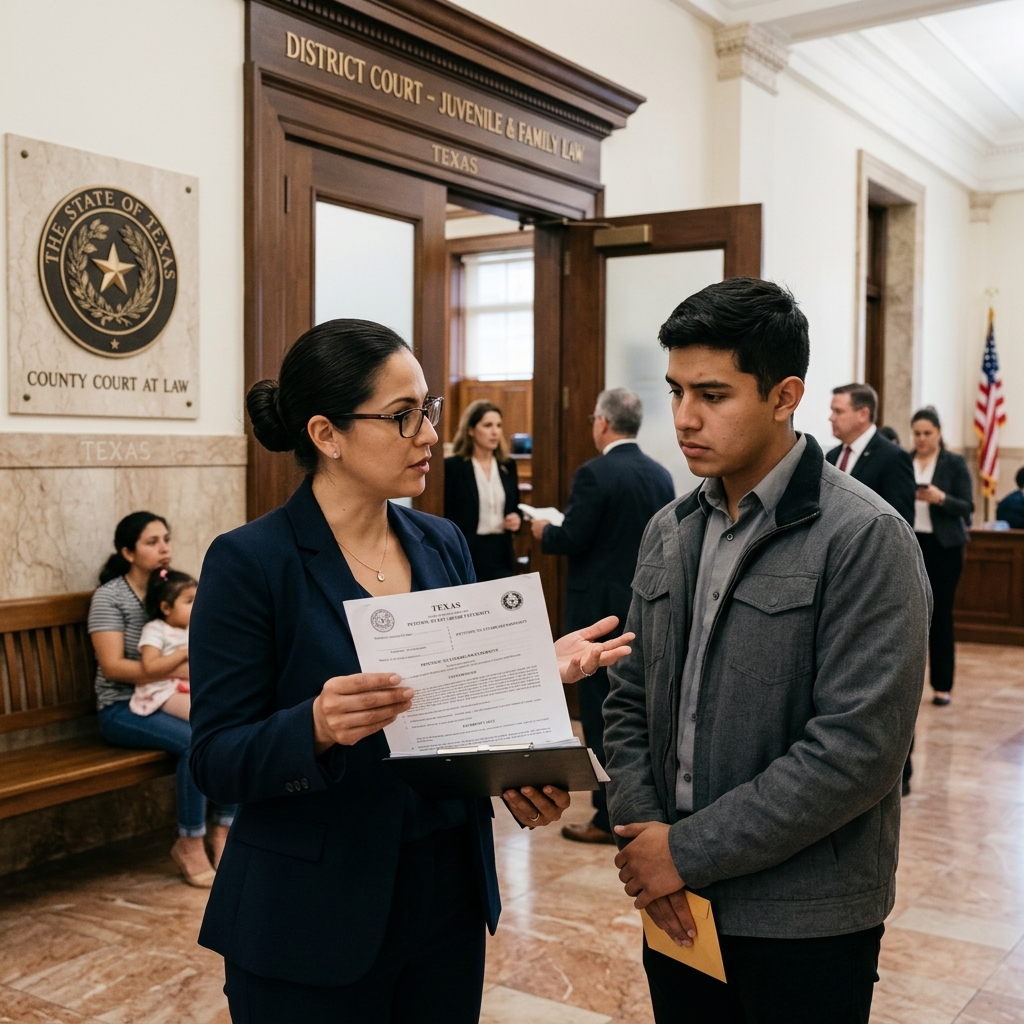
Paternity suits in Texas play a central role in defining who a child’s legal father is, and in turn, who has rights and responsibilities toward that child. A Texas paternity order can address custody, visitation, child support, and medical support, making it one of the most important building blocks of a family law case.
What “Paternity” Means Under Texas Law
In everyday conversation, paternity often refers to biological fatherhood. Under Texas law, however, paternity focuses on legal fatherhood—who the law recognizes as the child’s father, regardless of biology. A man can be a legal father even if he is not genetically related to the child, while a biological father may have no legal rights until paternity is formally established.
Once legal paternity is established, the father typically gains:
- The right to seek custody and visitation orders.
- The obligation to financially support the child, usually through child support.
- The right to participate in major decisions about the child’s education, health care, and welfare.
Paternity suits can both create these rights and obligations, and in some cases, challenge or terminate them.
How Texas Recognizes a Father: Presumed, Acknowledged, and Adjudicated
Texas law uses several categories to describe a child’s legal father. Understanding these categories helps explain when a paternity suit is needed and what deadlines apply.
| Type of Legal Father | How Status Arises | Need for Court Case? |
|---|---|---|
| Presumed father | Typically the husband when the child is born during a marriage. | Often no case needed to establish; may need a suit to challenge. |
| Acknowledged father | Parents sign and file an Acknowledgment of Paternity (AOP). | No case needed to create status; may require a suit to undo. |
| Adjudicated father | A court issues an order naming the legal father after a paternity suit. | Yes, established through a court proceeding. |
Presumed Father
When a child is born to married parents, Texas automatically presumes the husband is the legal father. His name usually appears on the birth certificate, and no additional steps are needed to establish paternity.
This presumption also applies when a mother becomes pregnant while unmarried but marries before the baby is born. Because of this presumption, a child may have a legal father even if the husband is not the biological parent, which can later lead to paternity disputes.
Acknowledged Father
For unmarried parents who agree on who the father is, Texas offers a streamlined option: the Acknowledgment of Paternity (AOP). An AOP is a voluntary legal document that both parents sign to confirm the identity of the child’s father, and file with the appropriate state office.
Key features of an AOP include:
- It is used primarily when the parents are not married but agree on paternity.
- Once properly filed, it creates legal fatherhood without the need for a court hearing.
- If there is already a presumed father, a corresponding Denial of Paternity (DOP) from that man is required to make the AOP effective.
Adjudicated Father
When parents do not agree on paternity—or when paperwork like an AOP is disputed—the issue is resolved by a judge in a paternity suit. After reviewing evidence, including DNA testing when appropriate, the court may issue an order naming the adjudicated father.
That order often comes packaged with related rulings on custody, possession, visitation schedules, child support, and medical or dental support.
Who Can File a Paternity Suit in Texas?
When no clear legal father exists or an existing status is contested, a variety of people and entities can bring a paternity case. Texas law generally allows the following to file:
- The child’s mother – often to secure child support and formalize the father’s legal responsibilities.
- The man who believes he is the father – to gain custody or visitation rights and be legally recognized.
- A man alleged to be the father – sometimes to contest a claim or seek clarity through genetic testing.
- The child – usually after turning 18, in cases where no legal father has previously been established.
- Government agencies, such as the Office of the Attorney General’s Child Support Division – especially when public benefits are involved and fatherhood must be determined for support purposes.
Each type of filer may have different strategic goals. For instance, a mother might focus on financial support and healthcare coverage, while a father may prioritize visitation or shared decision-making authority.
Deadlines for Filing Texas Paternity Cases
Deadlines, known as statutes of limitation, are critical in Texas paternity suits. They depend heavily on whether the child already has a presumed, acknowledged, or adjudicated father.
No Existing Legal Father
When a child has no presumed, acknowledged, or adjudicated father, Texas allows paternity to be established at almost any time. A case can be filed while the child is a minor or even after adulthood, though once the child turns 18, typically only the child may bring the case.
Child With a Presumed Father
When there is a presumed father—most commonly the mother’s husband—the law generally requires that a paternity challenge be filed within four years from the child’s birth. This four-year window is designed to create stability for the child and the family.
There are limited exceptions allowing challenges beyond four years, especially where the presumed father did not live with the mother or did not have sexual relations during the likely conception period, or where he may have been misled.
Child With an Acknowledged Father
When an AOP has been signed and filed, Texas law restricts later challenges. A paternity suit may be possible only if the challenger did not sign the AOP or related Denial of Paternity, and if either it has been less than four years since the AOP took effect or the AOP is legally void.
Texas law also recognizes situations where a person who signed an AOP or DOP later seeks to rescind, or take back, that form within a specific time frame or under particular conditions.
Ways to Establish Paternity in Texas
Although the underlying law can be complex, most Texas paternity situations follow three main paths to establishing legal fatherhood.
1. Marriage
If the parents are married when the child is born, paternity is generally automatic. The husband is presumed to be the legal father and is usually listed on the birth certificate. No additional paperwork or court action is needed unless someone later disputes this presumption.
2. Voluntary Acknowledgment of Paternity (AOP)
For unmarried parents who agree about who the father is, an AOP offers a relatively quick and low-conflict method of establishing paternity.
Important points about the AOP process include:
- Both parents sign the AOP, which is a formal legal document.
- They typically work with an AOP-certified entity to complete and file the form.
- Once filed with the state’s Vital Statistics Unit, the genetic father becomes the legal father with all the rights and duties of a parent.
- If there is a presumed father, a Denial of Paternity must be signed by that man to clear the way for the AOP.
3. Court-Ordered Paternity (Paternity Suit)
When there is disagreement, uncertainty, or fraud concerns, paternity is resolved by filing a paternity suit and obtaining a court order.
Parents or alleged parents can reach court in several ways:
- By hiring a private attorney and filing a lawsuit in a family court.
- Through the Office of the Attorney General’s Child Support Division, which can initiate paternity proceedings and seek child support.
- Through agreed orders that may be approved by the court without a full trial when all parties concur on paternity.
During these proceedings, judges often rely on genetic testing and other evidence to decide whether the alleged father is the child’s biological and legal parent.
Role of DNA Testing in Paternity Cases
DNA testing is the backbone of modern paternity suits in Texas. It provides highly accurate evidence about biological relationships and is regularly used when paternity is in dispute.
In many cases:
- The court orders genetic testing when an alleged father denies biological parentage.
- The Office of the Attorney General’s Child Support Division uses DNA testing to confirm or rule out an alleged father.
- A father who previously signed an AOP but later questions paternity may seek genetic testing and challenge the existing legal status through statutory procedures.
Texas has also addressed situations where men discover they are not the biological father after years of paying child support. Statutory changes allow courts to consider genetic test results to terminate certain parent–child relationships and related financial obligations, subject to strict timing rules and exceptions.
What a Paternity Order Can Include
When a Texas court issues a paternity order, it often addresses more than just the identity of the legal father. Typical components of a comprehensive order may include:
- Parentage determination – A clear statement naming the child’s legal father or, in some cases, stating that a particular man is not the legal father.
- Custody (conservatorship) provisions – Allocating decision-making authority and primary residence rights.
- Visitation and possession schedules – Detailing when each parent will spend time with the child.
- Child support orders – Setting the amount and frequency of financial support.
- Medical and dental support – Requiring health insurance or payment of medical and dental expenses.
These orders are enforceable; failing to comply can lead to serious legal consequences, including wage withholding, license suspension, or contempt proceedings in more severe cases.
Practical Steps to Start a Texas Paternity Suit
Although individual circumstances vary, many Texas paternity cases follow a similar practical pathway.
- Gather key documents – Birth certificate, existing court orders, and any signed AOP or DOP forms.
- Determine whether an AOP is feasible – If both parents agree on paternity and no conflicting presumed father exists, an AOP may be faster and less adversarial than a court case.
- Consult the Office of the Attorney General or a private attorney – The Child Support Division can help start paternity proceedings, especially when child support is at issue.
- Prepare for possible DNA testing – If paternity is contested, expect genetic testing to be part of the process.
- Complete the required legal forms – This usually includes a petition to adjudicate parentage and related proposed orders covering conservatorship and support.
- Participate in hearings or negotiations – Parties may resolve matters through agreed orders, or the judge may decide after a contested hearing.
Frequently Asked Questions About Texas Paternity Suits
Do unmarried fathers automatically have rights in Texas?
No. For unmarried parents, the biological father does not have legal rights to the child until paternity is formally established through an AOP or a court order.
Can a paternity order be used to say a man is not the father?
Yes. Paternity proceedings can result in orders declaring that a particular man is not the child’s legal father, especially when genetic tests show no biological relationship and statutory requirements are met.
Is there a deadline to file if my child has no legal father?
When a child has no presumed, acknowledged, or adjudicated father, Texas generally allows a paternity case to be filed at any time. After the child turns 18, typically only the child may initiate the case.
What if I signed an AOP and later have doubts?
Texas law provides limited opportunities to rescind an AOP or challenge paternity based on genetic testing, but strict deadlines and conditions apply. People in this situation usually need specific legal advice because the rules are technical.
Does a paternity suit always involve child support?
Often yes, because establishing legal fatherhood makes it possible for courts to order child support and medical support. However, the exact terms depend on the facts of the case and the judge’s orders.
References
- Paternity — Office of the Attorney General of Texas. 2024-01-15. https://www.texasattorneygeneral.gov/child-support/paternity
- I Need a Paternity Order — TexasLawHelp.org. 2023-06-01. https://texaslawhelp.org/guide/i-need-a-paternity-order
- Paternity — Texas Law Help (Family, Divorce & Children). 2022-09-10. https://texaslawhelp.org/family-divorce-children/paternity
- Paternity — Texas Access / Office of the Attorney General. 2023-04-20. https://txaccess.org/paternity
- Acknowledgment of Paternity (AOP) — Office of the Attorney General of Texas. 2023-11-05. https://www.texasattorneygeneral.gov/child-support/paternity/acknowledgment-paternity-aop
- Child Custody & Support: Paternity — Texas State Law Library. 2022-03-18. https://guides.sll.texas.gov/child-custody-and-support/paternity
- TX Passes Law to Correct Unfair Treatment of Paternity Fraud Victims — The Shapiro Law Firm. 2012-08-30. https://www.theshapirolawfirm.com/news-and-resources/articles/tx-passes-law-to-correct-unfair-treatment-of-paternity-fraud-victims/
Similar Articles








Read full bio of Sneha Tete


