
Understanding Stalking and Cyberbullying in Canada
Learn how Canadian law responds to stalking and cyberbullying, and what practical steps you can take to stay safe and seek help.
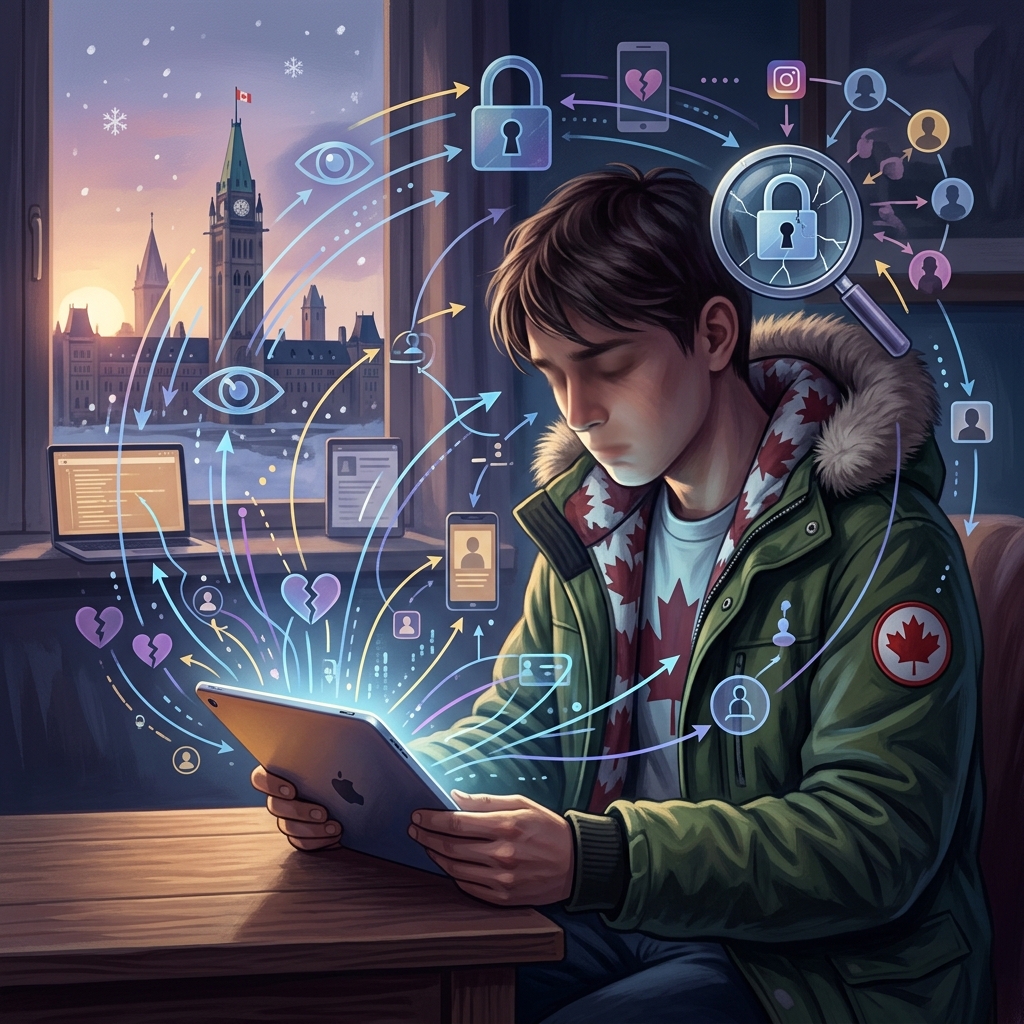
Stalking and cyberbullying are forms of persistent harassment that can cause serious psychological, social, and sometimes physical harm. They often involve repeated behaviour that makes a person feel unsafe, watched, or targeted, whether in person or online.
In Canada, these behaviours may be treated as criminal harassment or related offences under the Criminal Code, even though there is no single offence called “stalking” or “cyberbullying.” This guide explains what these behaviours look like, how the law responds, and what practical steps you can take if you or someone you care about is affected.
1. What Stalking and Cyberbullying Involve
Stalking and cyberbullying can take many forms, but they share common features: persistence, unwanted contact, and a harmful impact on the target’s sense of safety.
1.1 Common Patterns of Stalking
Stalking typically refers to repeated, unwanted behaviour that focuses obsessively on a specific person. It can happen offline, online, or both.
- Following or watching: showing up at a person’s home, workplace, school, or places they frequently go without a legitimate reason.
- Persistent contact: repeatedly phoning, texting, emailing, or messaging after being asked to stop.
- Monitoring movements: tracking someone through social media check-ins, GPS, or watching where they live or work.
- Implicit or explicit threats: suggesting harm to the person, their loved ones, or their pets.
- Using others as intermediaries: asking friends or family to pass on messages or information as a way to keep contact.
These behaviours, especially when repeated and unwanted, may amount to criminal harassment if they cause the person to reasonably fear for their safety or the safety of someone they know.
1.2 How Cyberbullying Manifests
Cyberbullying involves using technology to harass, threaten, or humiliate others. It often happens on social media, messaging apps, gaming platforms, forums, or by text and email.
- Harassing messages: repeated hurtful comments, insults, or threats sent electronically.
- Doxxing: posting someone’s personal or identifying information online without consent.
- Impersonation: creating fake profiles or accounts to damage someone’s reputation or trick others.
- Exclusion: deliberately shutting someone out of online groups or conversations to isolate them socially.
- Sharing intimate images without consent: distributing sexual or nude images of a person without their permission.
Cyberbullying can occur once or many times, but its impact is often amplified by the speed and reach of online platforms. Harmful content can be quickly shared, commented on, and preserved, making it difficult for victims to escape.
2. Psychological and Social Impact
Stalking and cyberbullying can have serious short- and long-term effects, even if no physical harm occurs. Canadian policing and public safety agencies recognize that these behaviours may lead to anxiety, depression, and other mental health challenges.
2.1 Emotional Consequences
- Fear and hypervigilance: constantly feeling watched or unsafe, especially in familiar places.
- Stress and anxiety: worrying about what might happen next, particularly when threats are involved.
- Shame and embarrassment: feeling responsible for the abuse or embarrassed about what has been shared online.
- Sleep and concentration problems: difficulty focusing at school or work, or trouble sleeping due to fear and rumination.
2.2 Social and Practical Effects
- Withdrawal from activities: avoiding social events, school, or online communities to escape harassment.
- Damage to reputation: false posts, impersonation, or intimate image sharing can harm how others view the victim.
- Academic or work impact: decreased performance or attendance due to stress and avoidance.
- Financial costs: paying to remove harmful content, change phone numbers, or increase home and digital security.
Recognizing these impacts is important when explaining your situation to police, support workers, lawyers, or trusted adults. The way harassment affects your daily life can be as significant as specific messages or incidents.
3. How Canadian Law Addresses Stalking and Cyberbullying
Canada does not have a single offence called “cyberbullying” or “stalking,” but several offences in the Criminal Code can apply, depending on what the person does and how serious the behaviour is.
3.1 Criminal Harassment
Criminal harassment is a key offence used to respond to stalking and some forms of cyberbullying. It involves repeated conduct that causes a victim to reasonably fear for their safety or the safety of someone they know.
- Repeatedly following a person from place to place.
- Repeatedly communicating directly or indirectly with a person (including online messages).
- Watching over where someone lives, works, or happens to be.
- Engaging in threatening behaviour toward the person or someone close to them.
If this conduct makes the person reasonably fearful, it can become a criminal offence and the police may investigate and lay charges.
3.2 Other Relevant Criminal Code Offences
Depending on the behaviour, several other offences may apply to stalking or cyberbullying incidents.
| Type of behaviour | Possible offence | Examples |
|---|---|---|
| Threatening to harm someone | Uttering threats (s. 264.1) | Messages saying you will hurt, kill, or seriously damage someone or their property. |
| Extreme intimidation or coercion | Intimidation (s. 423) | Using threats or violence to force someone to do or not do something. |
| Tampering with data | Mischief in relation to data (s. 430(1.1)) | Deleting, altering, or blocking access to computer data or systems. |
| Accessing systems without permission | Unauthorized use of computer (s. 342.1) | Logging into someone’s accounts or devices without consent. |
| Pretending to be someone else | Identity fraud (s. 403) | Using another person’s identity to cause loss or damage. |
| Sharing intimate images without consent | Non-consensual distribution of intimate images (s. 162.1) | Sending or posting sexual images of someone without their permission. |
| Repeated harassing phone or online messages | False messages, indecent or harassing calls (s. 372) | Persistent abusive communications via phone or similar technologies. |
Where cyberbullying includes hate speech, child sexual exploitation, or promotion of violence against a group, additional offences such as incitement of hatred or child pornography offences may apply.
3.3 Sharing Intimate Images Without Consent
Canadian law specifically criminalizes sharing an “intimate image” of a person without their consent.
- An intimate image generally shows explicit sexual activity or a sexual organ, anal region, or breast, where the person had a reasonable expectation of privacy when the image was made.
- It is a crime to distribute such an image without the person’s permission, even if they originally agreed to have the photo or video taken.
- People convicted can face up to five years in prison, loss of the device used to share the image, and orders to repay the costs of removing the image from the internet or other locations.
This offence often arises in situations of relationship breakdown or harassment, but the law applies to everyone, not just minors.
4. Practical Steps to Protect Yourself
If you are experiencing stalking or cyberbullying, there are concrete actions you can take to increase your safety and preserve evidence, whether you ultimately involve the authorities or not.
4.1 Immediate Safety Measures
- Call emergency services if you are in danger: If you fear for your safety or that of someone else, contact 9-1-1 or your local police immediately.
- Avoid direct confrontation: Engaging with the harasser can escalate the situation. In many cases, it is safer not to respond.
- Change routines when necessary: Consider varying travel routes, times, or locations if you believe someone is watching or following you.
4.2 Digital Safety and Platform Tools
- Block offending accounts: Most social media platforms and messaging apps allow you to block users, preventing further direct contact.
- Report abusive content: Online services often prohibit bullying and harassment under their terms of use. Reporting can lead to removal of posts or suspension of accounts.
- Review privacy settings: Limit who can see your profile, posts, and contact information to reduce opportunities for abuse.
- Use strong authentication: Enable multi-factor authentication and strong passwords to help prevent unauthorized access to your accounts.
4.3 Documenting Harassment
Keeping a clear record is vital for demonstrating patterns of behaviour to police, courts, schools, or other authorities.
- Save messages and posts: Keep screenshots, copies of emails, texts, and social media messages, including dates and times.
- Note offline incidents: Record when and where someone followed you, watched you, or appeared unexpectedly.
- Track impact: Write down how the behaviour affects your sleep, work, school, or relationships. This can help show the seriousness of the situation.
5. Reporting and Seeking Legal Help
Deciding whether to report stalking or cyberbullying can be difficult. Understanding your options may help you make an informed choice.
5.1 When to Contact Police
- Threats or fear for safety: If there are explicit threats or you reasonably fear for your safety, police involvement is strongly recommended.
- Ongoing harassment: Persistent, unwanted contact that does not stop after you say no may be investigated as criminal harassment.
- Serious online offences: Sharing intimate images without consent, identity fraud, or serious data mischief are criminal matters that should be reported.
Police can assess whether an incident appears to meet the threshold for a criminal offence. They may collect evidence, interview witnesses, and consider laying charges.
5.2 Other Reporting Paths
- School authorities: If bullying or harassment occurs among students, schools may impose discipline, provide supports, and enhance safety measures.
- Online reporting services: For certain online offences involving children, specialized agencies such as national cyber tip lines may assist with reporting and evidence preservation.
- Platform reporting tools: Social media, messaging apps, and gaming services usually provide mechanisms to report harassment, threats, or non-consensual image sharing.
5.3 Legal Advice and Civil Remedies
In addition to criminal law, civil options may be available.
- Consult a lawyer: Legal advice can help you understand whether you can sue for defamation, invasion of privacy, or other civil wrongs.
- Restraining or protective orders: In some circumstances, courts can issue orders limiting a person’s contact with you or their ability to come near your home or workplace.
- Compensation claims: Victims may seek compensation for financial losses or damages to reputation, depending on the circumstances and local law.
6. Supporting Someone Experiencing Harassment
Friends, family members, and colleagues can play a crucial role in supporting someone who is being stalked or cyberbullied.
6.1 Being a Supportive Ally
- Listen without judgment: Allow the person to share what is happening and how they feel, without minimizing the situation.
- Validate their experience: Acknowledge that the behaviour is serious and that they deserve safety and respect.
- Encourage documentation: Help them save evidence and keep notes if they feel overwhelmed doing it alone.
- Respect their choices: Some victims may not be ready to involve authorities. Provide information and support while respecting their decisions whenever safely possible.
6.2 When to Take Further Action
- If there is immediate danger: Contact emergency services if you reasonably believe someone is at risk of serious harm and cannot call themselves.
- If the victim is a minor: Adults have additional responsibilities to safeguard children and youth. This may include reporting to school officials, child protection services, or police.
- Connect to professional support: Encourage contact with counsellors, victim services, or community organizations experienced in dealing with harassment.
7. Prevention and Long-Term Safety Planning
Prevention strategies can reduce the risk of stalking and cyberbullying and empower individuals to respond more effectively if problems arise.
7.1 Digital Literacy and Boundaries
- Understand the platforms you use: Learn how privacy settings, blocking tools, and reporting mechanisms work on social media, messaging apps, and games.
- Limit personal information: Avoid posting details like home address, school, workplace, or daily routines publicly.
- Think before sharing: Consider how a message, photo, or video could be used or misused before sending it or posting it.
7.2 Family and Community Strategies
- Talk openly with children and youth: Discuss respectful online behaviour, the impact of bullying, and what to do if they experience or witness harassment.
- Create agreements for online use: Families can develop clear expectations around time online, privacy, and how to respond to disrespectful behaviour.
- Watch for warning signs: Sudden reluctance to use devices or go to school, secretive online behaviour, or mood changes may indicate bullying or stalking.
8. Frequently Asked Questions
8.1 Is all bullying or stalking a crime in Canada?
No. Many forms of bullying, such as one-time name calling or social exclusion, do not necessarily meet the threshold for a criminal offence. However, when behaviour becomes threatening, persistent, or causes a person to reasonably fear for their safety, criminal provisions such as criminal harassment or uttering threats may apply.
8.2 Do I need to prove physical harm for the police to help?
Physical harm is not required. The law focuses on the conduct and whether it causes reasonable fear or serious distress. Repeated unwanted contact, credible threats, or sharing intimate images without consent may justify police involvement even without physical injury.
8.3 What should I do if intimate images of me are shared online?
Preserve evidence by taking screenshots and noting links, then report the incident to police as soon as possible. You can also use reporting tools on the platforms involved to request removal of the content. The law allows courts to order removal and to require offenders to compensate victims for the costs of taking down intimate images.
8.4 Will the person who is harassing me automatically go to jail?
Not necessarily. Police decide whether to lay charges, and courts determine the outcome if a person is convicted. Possible consequences include probation, fines, court orders limiting contact, and, in serious cases, imprisonment.
8.5 Can schools act if cyberbullying happens off school property?
Yes, many education laws and policies consider serious bullying behaviour, including cyberbullying, whether it happens on or off school property, if it affects the school environment or student safety. Schools may investigate, impose discipline, and offer supports even when incidents occur online or outside school hours.
References
- Cyberbullying: Bullying through social media — LawNow Magazine. 2020-10-01. https://www.lawnow.org/cyberbullying-bullying-through-social-media/
- Legal consequences of cyberbullying — Public Safety Canada. 2018-07-31. https://www.canada.ca/en/public-safety-canada/campaigns/cyberbullying/cyberbullying-against-law.html
- Cyberbullying and the Non-consensual Distribution of Intimate Images — Department of Justice Canada. 2015-01-08. https://www.justice.gc.ca/eng/rp-pr/other-autre/cndii-cdncii/p4.html
- Bullying and cyberbullying — Royal Canadian Mounted Police. 2022-03-15. https://www.rcmp.ca/en/youth/bullying-and-cyberbullying
- Bullying & Cyber bullying — Edmonton Police Service. 2021-06-10. https://www.edmontonpolice.ca/CommunityPolicing/FamilyProtection/ChildProtection/BullyingAndCyberbullying
- Legal Consequences of Cyberbullying — PREVNet. 2019-09-01. https://www.prevnet.ca/bullying/cyberbullying/legal-consequences-of-cyberbullying/
Similar Articles








Read full bio of medha deb


