
Understanding Sex Offender Registries in the United States
A practical legal guide to how sex offender registries work, who must register, and what it means for communities and individuals.
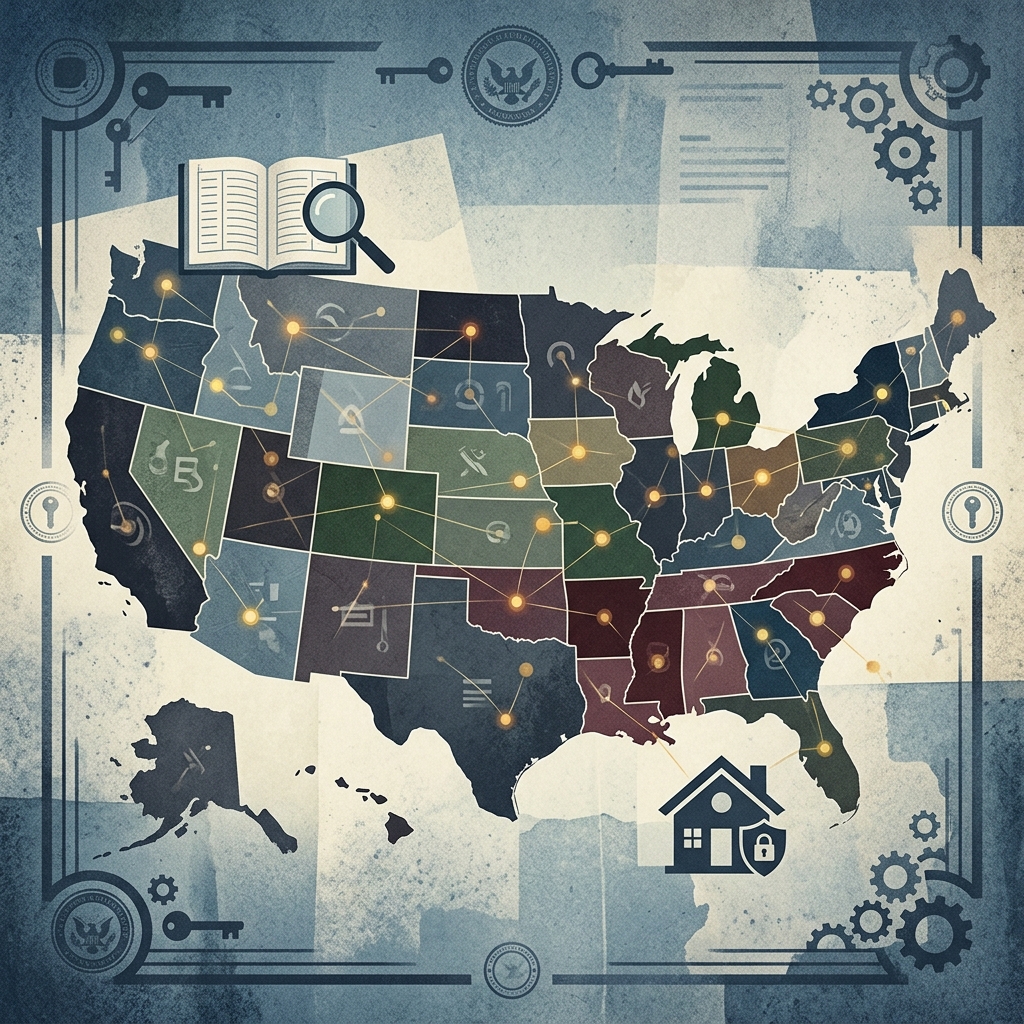
Sex offender registries are a central part of the United States’ strategy for monitoring individuals convicted of certain sexual offenses and informing the public and law enforcement about their whereabouts. These systems raise important legal, practical, and ethical questions for offenders, victims, and communities alike.
This article explains how registries work, who must register, how the public can access information, and what the law requires of people on the registry. It is designed for general information only and is not a substitute for legal advice about a specific case.
Core Purpose of Sex Offender Registries
At their most basic, sex offender registries are government databases that track individuals convicted of qualifying sexual offenses after they return to the community. Registries serve two primary purposes:
- Monitoring and tracking individuals so that law enforcement knows where they live, work, or attend school.
- Public notification, giving the public access to certain information about registered offenders, usually through state or federal websites.
These systems were expanded and standardized under federal law in response to concerns about repeat offending and gaps between state laws. Title I of the Adam Walsh Child Protection and Safety Act of 2006 created a nationwide baseline through the Sex Offender Registration and Notification Act (SORNA).
Key Legal Framework: SORNA and State Laws
Sex offender registration in the United States operates on two levels: federal standards and state-specific rules.
| Aspect | Federal (SORNA) | State and Local Laws |
|---|---|---|
| Primary Role | Sets national minimum standards for registration and notification. | Implements detailed rules on who registers, duration, and public disclosure. |
| Coverage | Applies to qualifying sex offenses under federal law and provides a framework for states. | All 50 states, D.C., territories, and many tribal jurisdictions maintain registries. |
| Enforcement | Creates a federal crime for knowingly failing to register or update information as required. | States may impose additional penalties and specific procedures for reporting. |
| Public Websites | Supports the National Sex Offender Public Website (NSOPW). | Each state maintains its own registry website with public-facing information. |
While SORNA establishes minimum requirements, states have broad discretion to go further. For example, some states make information for all registered offenders publicly available, even though federal law allows limited exclusions for lower-tier offenders.
Who Has to Register as a Sex Offender?
Registration is generally required for individuals who have been convicted of certain sex crimes or who have pleaded guilty to those offenses. Which crimes qualify differs among jurisdictions, but they typically include:
- Sexual assault and rape
- Sexual offenses against minors (such as child molestation or exploitation)
- Possession, distribution, or production of child sexual abuse material
- Certain kidnapping or unlawful restraint offenses involving a minor
Under SORNA, registration requirements are linked to the type and seriousness of the offense and are organized into different tiers, which affect how long a person must remain on the registry and what information may be publicly available.
Important points to keep in mind:
- Registration is typically triggered by a conviction or guilty plea, not merely an arrest.
- Even relatively less serious offenses may still require registration, depending on state law.
- In many jurisdictions, out-of-state convictions can create registration obligations when a person moves, works, or attends school in a new state.
What Information Registries Collect and Display
Sex offender registries collect detailed identifying information about registrants, both for law enforcement use and, in many cases, for public disclosure.
According to federal guidance and victim-service organizations, typical registry entries include:
- Name and known aliases
- Current residential address
- Workplace and school locations, if applicable
- Photograph and physical description (height, weight, distinguishing features)
- Details of qualifying sex offense convictions
- Vehicle information, such as license plates and descriptions
- Other identifiers, which can include email addresses or online usernames in some jurisdictions
What the public sees depends on state law and the offender’s classification. Some states limit public access for lower-risk or lower-tier offenders, while others publish nearly all registry information online.
How the National Sex Offender Public Website Works
In addition to individual state registries, the federal government maintains the Dru Sjodin National Sex Offender Public Website (NSOPW.gov), a centralized search tool that compiles information from state, territorial, and tribal registries.
Features of NSOPW
- It is free and open to the public, providing access to registry information from all 50 states, D.C., principal U.S. territories, and more than 150 Indian tribes.
- Data is pulled directly from official registries and updated regularly to maintain accuracy.
- Searches can be performed by name, state, ZIP code, or a specific address with a radius.
- Search results typically include an alphabetical list of offenders, photographs, and links to detailed profiles on the originating jurisdiction’s site.
NSOPW is managed by the U.S. Department of Justice’s Office of Sex Offender Sentencing, Monitoring, Apprehending, Registering, and Tracking (SMART). It is distinct from the National Sex Offender Registry database managed by the FBI, which is reserved for law enforcement and is not publicly searchable.
Obligations of Registered Sex Offenders
Being on a sex offender registry carries ongoing legal obligations. These duties exist under both federal law (SORNA) and state statutes.
Basic Registration Duties
- Initial registration shortly before or after release from custody or upon entering a new jurisdiction.
- Periodic verification, often requiring in-person visits to a local law enforcement agency to confirm or update information.
- Timely updates when changing residence, employment, or school, usually within a short window defined by law.
- Compliance with documentation requirements, such as being photographed, fingerprinted, or providing additional identifying information like DNA samples where required.
Under SORNA, offenders must register and update their information in every jurisdiction where they live, work, or go to school. Failing to do so is a serious offense.
Penalties for Failing to Register
Federal law makes it a crime to knowingly fail to register or update registration as required by SORNA. Consequences can include federal prosecution and additional prison time. Victim-advocacy sources note that if an unregistered offender is convicted of a new violent federal crime, substantial additional prison time may be added to the sentence under federal law.
States also have their own penalties for noncompliance, which may include:
- New criminal charges
- Revocation of probation or parole
- Extended registration periods
Because laws vary significantly by jurisdiction, anyone subject to registration should speak with a qualified criminal defense lawyer to understand local requirements.
Public Safety, Residency Rules, and Community Impact
Sex offender registries are justified in law as tools for public safety, providing communities with information about individuals convicted of qualifying sex offenses. Many states supplement registry systems with additional restrictions, particularly for offenders in higher risk categories.
Examples of State-Level Restrictions
- Residency limitations, such as bans on living within a certain distance of schools, childcare centers, or parks.
- Presence restrictions limiting where offenders can loiter or be physically present—for example, near playgrounds or school campuses.
- Special conditions of supervision during probation or parole, which may include curfews, electronic monitoring, or internet-use restrictions.
Community members may be notified about nearby registrants through online searches, mailings, or public meetings, depending on local practice. Advocacy organizations encourage families who discover that a registered offender lives nearby to combine awareness with practical safety measures, such as open communication with children and coordination with caregivers.
Using Registries as a Safety Tool
For members of the public, especially parents and guardians, sex offender registries can be one part of a broader safety strategy. Victim-service organizations recommend the following when using registry information:
- Understand what the registry can and cannot do. Registries show convicted offenders, not all individuals who might pose a risk, and they do not predict behavior.
- Talk with children in an age-appropriate way. Explain that some people are not safe and define what it means to avoid unsafe situations or individuals.
- Coordinate with caregivers and schools. Make sure babysitters, relatives, and schools know about any specific safety rules you have concerning certain individuals.
- Learn your state’s laws. State registry sites often contain information about local restrictions and may list community meetings or police contacts.
- Report suspicious behavior. If you are concerned about a registrant’s conduct, contact local law enforcement or the offender’s supervising officer.
The National Sex Offender Public Website and state registries are tools; they are most effective when used alongside other safety strategies, such as education, supervision, and community engagement.
Frequently Asked Questions (FAQs)
Are sex offender registries public in every state?
Yes. All 50 states and the District of Columbia maintain sex offender registries that provide information through public-facing websites, although the exact amount of information disclosed varies by jurisdiction.
Is there one national list for the entire country?
There is no single nationwide registry that replaces state systems, but the Dru Sjodin National Sex Offender Public Website (NSOPW.gov) compiles data from state, territorial, and tribal registries and allows users to search across jurisdictions in one place.
How many people are on sex offender registries in the U.S.?
Independent analyses using public registry data report that more than 795,000 people were listed on state sex offender registries in 2024, an increase of about 8,000 from the previous year. Exact numbers change as new offenders are added and others are removed under state law.
Does everyone convicted of a sex crime stay on the registry for life?
No. Registration periods depend on the type of offense, risk level, and the law of the governing jurisdiction. Some offenders must register for a limited time (such as 15 or 25 years), while others are subject to lifetime registration, especially for more serious offenses or repeat convictions.
What happens if someone moves to another state?
Under SORNA, offenders must register in each jurisdiction where they live, work, or attend school. Moving to another state usually requires re-registration under that state’s law and timely updating of registry information.
Are registries only for adults?
Not necessarily. Some states require registration by certain juveniles adjudicated for serious sex offenses, although rules can be more limited and are often treated differently than adult registration. Whether a juvenile must register depends heavily on the jurisdiction and the offense.
Can someone be removed from the registry?
In some states, individuals may eventually be eligible to come off the registry once their required registration period ends or through specific legal procedures. Removal is highly jurisdiction-specific and may require court action, proof of compliance, or demonstration of reduced risk. Legal counsel is usually necessary to explore these options.
Practical Takeaways for Offenders, Families, and Communities
Sex offender registries affect many different groups. Understanding their basic features can help those groups navigate the system more effectively.
- For individuals required to register: Know your reporting deadlines, keep track of any changes in residence or employment, and consult a criminal defense attorney to ensure full compliance with federal and state rules.
- For victims and families: Use registries as one of several safety tools, combining awareness of nearby offenders with communication, education, and support resources.
- For community members: Stay informed about local laws and use official registry websites or NSOPW to access accurate information, rather than relying on rumors or unofficial sources.
Registries are complex, and policy debates continue about their scope and impact. Regardless of those debates, current law imposes serious obligations on registrants and provides broad access to information for the public. Understanding how these systems operate is essential for informed decision-making, whether you are subject to registration or simply want to better understand public safety tools in your area.
References
- Sex Offender Registration and Notification Act (SORNA) — U.S. Department of Justice, Criminal Division. 2023-05-01. https://www.justice.gov/criminal/criminal-ceos/sex-offender-registration-and-notification-act-sorna
- Sex Offender Registry Websites — Federal Bureau of Investigation. 2023-08-10. https://www.fbi.gov/how-we-can-help-you/scams-and-safety/sex-offender-registry
- The National Sex Offender Public Website: Your Go-To Resource for Sex Offender Information — U.S. DOJ SMART Office. 2022-11-18. https://smart.ojp.gov/blog/national-sex-offender-public-website-your-go-resource-sex-offender-information
- How To Use the Sex Offender Registry — RAINN. 2024-02-01. https://rainn.org/strategies-to-reduce-risk-increase-safety/how-to-use-the-sex-offender-registry
- Sex Offender Registries in the United States — National Center for Missing & Exploited Children data summarized via public sources. 2016-09-01. https://en.wikipedia.org/wiki/Sex_offender_registries_in_the_United_States
- How Many Registered Sex Offenders Are in Your State? — SafeHome.org. 2024-08-20. https://www.safehome.org/data/registered-sex-offender-stats/
Similar Articles








Read full bio of Sneha Tete




