
Securities-Based Lending: Guide To Risks, Benefits, And Tips
How borrowing against your investment portfolio works, including risks, rules, and practical uses.
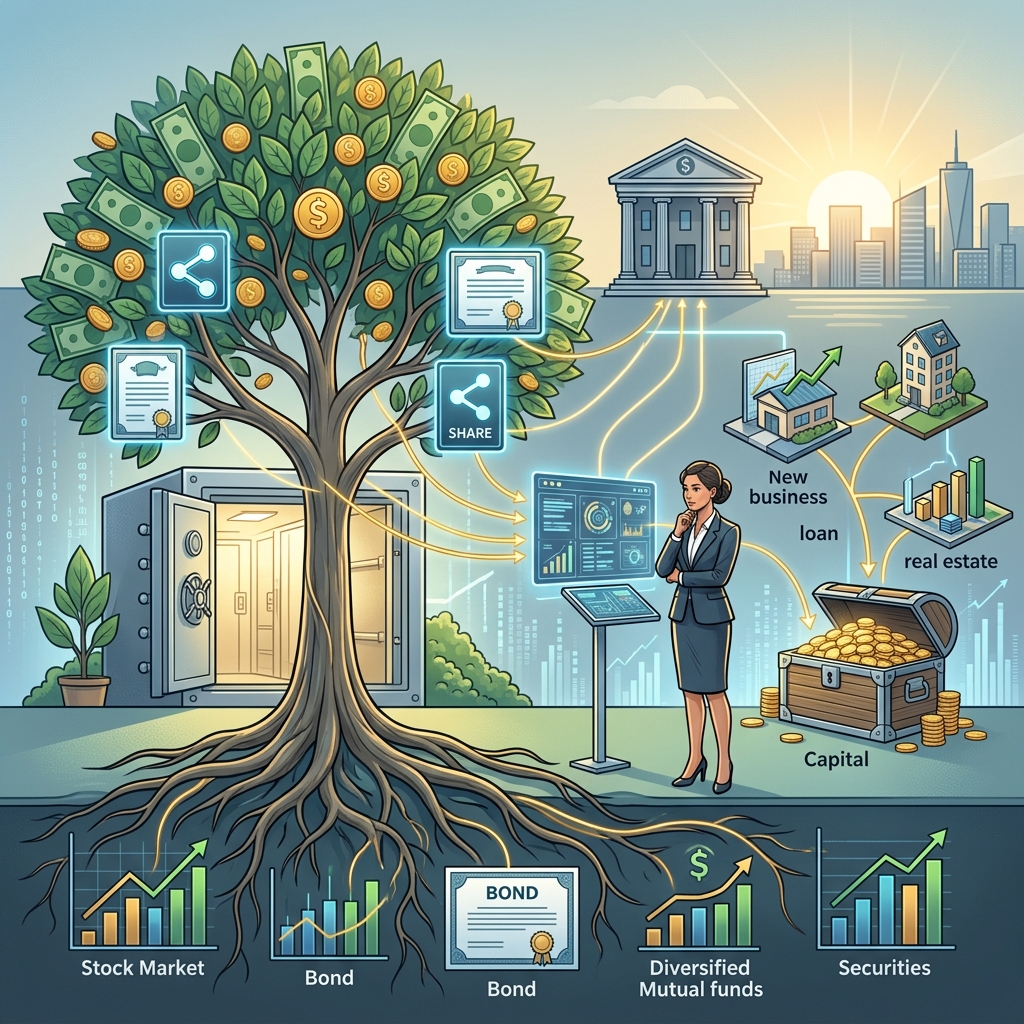
Securities-based lending gives investors a way to borrow money by pledging the assets in their investment accounts as collateral, instead of selling those investments to raise cash. It can be a flexible source of credit, but it also exposes borrowers to market risk, strict collateral requirements, and potential forced liquidation of their securities if the value of their portfolio falls.
What Is Securities-Based Lending?
In simple terms, securities-based lending is a type of credit where a bank or brokerage firm extends a loan or line of credit secured by your marketable securities, such as stocks, bonds, mutual funds, and exchange-traded funds (ETFs). Instead of selling investments to pay for major expenses, you temporarily use them as collateral while retaining ownership.
The most common structure is a securities-backed line of credit (SBLOC)—a revolving credit line that lets you borrow, repay, and borrow again, much like a home equity line of credit.
- You pledge eligible securities in a brokerage or investment account.
- The lender sets a maximum credit limit based on the value and type of those assets.
- You make monthly interest-only payments; principal can be repaid at any time.
- The loan typically has no fixed maturity date, as long as collateral requirements are met.
How Securities-Based Lines of Credit Work
Securities-based lending arrangements are usually documented through a credit agreement and a pledge of securities. Once established, the SBLOC operates with several standard features that borrowers should understand before drawing funds.
Typical Eligibility Requirements
Lenders generally require:
- Minimum portfolio value – Many institutions expect at least around $100,000 in eligible assets to open a line of credit.
- Eligible securities – Fully paid stocks, bonds, mutual funds, and ETFs held in non-retirement accounts are commonly accepted.
- Exclusion of retirement accounts – Assets in tax-advantaged retirement accounts (such as IRAs) typically cannot be pledged as collateral.
Advance Rates and Lending Value
The amount you can borrow is based on the advance rate, or lending value, assigned to each type of security. This is the percentage of the market value that the lender is willing to extend as credit.
| Asset Type | Typical Advance Rate Range | Reason |
|---|---|---|
| Large-cap stocks / ETFs | 50–70% | Moderate volatility and good liquidity |
| Investment-grade bonds | 60–80% | Lower volatility, predictable cash flows |
| U.S. Treasury securities | Up to 90–95% | Viewed as very low risk and highly liquid |
| Highly concentrated or volatile stocks | Below 50% or ineligible | Greater market and liquidity risk |
These ranges are illustrative only; actual advance rates vary by firm and asset class, and each institution applies its own underwriting criteria.
Interest Rates and Repayment
Interest on securities-based loans is commonly variable and tied to benchmark rates such as the Secured Overnight Financing Rate (SOFR) or a prime rate, plus a spread that depends on the size of the credit line and the risk profile of the pledged assets.
- Interest is calculated daily and billed monthly.
- Payments are typically interest-only, with no scheduled principal amortization.
- You can repay principal at any time and borrow again during the draw period, subject to collateral requirements.
Non-Purpose Use: What You Can and Cannot Finance
Under U.S. Federal Reserve rules, most SBLOCs are considered non-purpose loans, meaning the proceeds cannot be used to purchase or carry securities. This is a key legal distinction from margin loans, which do finance securities purchases.
Permitted Uses
Borrowers generally may use SBLOC funds for almost any lawful personal or business purpose other than buying or trading securities.
- Real estate-related expenses, such as bridge financing or down payments
- Tuition and education costs
- Large one-time purchases or lifestyle expenses
- Tax payments or short-term liquidity needs
- Debt consolidation (excluding margin debt) when permitted by the lender
Restricted Uses
Loan documents typically prohibit borrowers from using proceeds to:
- Purchase, carry, or trade securities in any account with the lender
- Repay margin loans or other securities-based borrowing
- Engage in investment strategies that would circumvent non-purpose lending rules
Benefits of Securities-Based Lending
For eligible investors, securities-based lending can offer several advantages compared with conventional credit options or selling investments.
Access to Liquidity Without Selling Investments
One of the primary benefits is the ability to tap the value of your portfolio while keeping your long-term investment strategy intact. Instead of realizing gains or disrupting allocations, you borrow against your holdings and keep them invested.
- Helps avoid immediate capital gains recognition that might result from sales.
- Maintains exposure to the market, with potential for continued growth or income.
- Allows investors to address short-term cash needs without revising their financial plan.
Potentially Competitive Interest Rates
Because the loan is secured by marketable securities, lenders may offer interest rates lower than those on unsecured personal loans or credit cards.
- Rates often improve with larger pledged asset amounts.
- Some lenders charge limited or no application and maintenance fees.
Flexible Borrowing Structure
Securities-based credit lines are designed to be relatively flexible:
- Revolving access to funds (draw, repay, and draw again).
- Interest-only payments with no fixed repayment date as long as collateral conditions are satisfied.
- Funds may be used for a broad range of lawful purposes, subject to non-purpose loan restrictions.
Key Risks and Drawbacks
Despite their attractive features, securities-based loans carry significant risk. Borrowers should carefully consider how market volatility and collateral requirements could affect their financial position.
Market Risk and Collateral Calls
Because the value of your collateral is driven by market prices, a decline in your portfolio can trigger a maintenance call or other collateral demand. If the value of pledged securities falls below specified thresholds, the lender may require you to add assets or reduce the loan balance.
- Failure to meet a maintenance call can result in forced sale of securities by the lender to cover the shortfall.
- Sales may occur at unfavorable prices during market downturns.
- Forced liquidation can lead to realized capital gains or losses and may disrupt your long-term investment strategy.
Interest Rate and Liquidity Risk
Variable rates mean borrowing costs can rise if benchmark interest rates increase. In addition, relying heavily on an SBLOC for recurring expenses may create liquidity strain if markets decline or lending policies change.
- Higher rates can make previously affordable borrowing expensive.
- Reductions in advance rates or credit limits during volatile markets may require rapid repayment or additional collateral.
Concentration and Behavioral Risk
Securities-based lending can tempt investors to over-borrow against concentrated or volatile positions. This leverage amplifies the impact of market swings on both their portfolio and their ability to repay.
- Borrowing heavily against a single stock or sector magnifies downside risk.
- Using credit to fund lifestyle inflation rather than temporary or strategic needs can undermine financial stability.
Securities-Based Lending vs. Margin Loans
Securities-based lines of credit share some similarities with margin loans, but they are distinct products with different purposes and regulatory treatment.
| Feature | Securities-Backed Line of Credit (SBLOC) | Margin Loan |
|---|---|---|
| Primary purpose | General liquidity for non-investment uses (non-purpose loan) | Buying and carrying securities in a brokerage account |
| Permitted use of proceeds | Almost any lawful purpose except purchasing or trading securities | Directly financing securities transactions in the account |
| Collateral | Eligible marketable securities in investment accounts | Securities held in margin accounts |
| Regulatory framework | Non-purpose credit under Federal Reserve rules | Subject to margin requirements and securities regulations |
| Risk profile | Market risk plus liquidity and collateral call risk | Leverage risk directly linked to securities trading |
Who Might Consider Securities-Based Lending?
Securities-based lending is not appropriate for every investor. It tends to be used by individuals and families with significant, diversified portfolios and clearly defined liquidity needs.
- High-net-worth investors seeking temporary cash for taxes, real estate, or business opportunities without disturbing investment holdings.
- Clients with diversified portfolios where collateral is spread across asset classes, reducing concentration risk.
- Borrowers with strong risk awareness who understand the potential for collateral calls and have backup sources of liquidity.
On the other hand, investors with highly volatile or undiversified portfolios, limited emergency savings, or short time horizons may find securities-based borrowing too risky.
Practical Tips Before Using an SBLOC
Before entering a securities-based lending arrangement, consider these practical guidelines:
- Match the credit line to a specific plan – Identify what you are financing, how long you expect to carry the loan, and how you will repay it.
- Stress-test your collateral – Ask your advisor or lender to illustrate what happens if the value of your pledged assets falls by 10%, 20%, or more.
- Limit leverage on concentrated positions – Avoid borrowing heavily against a single stock or sector.
- Understand all fees and rate structures – Review how your interest rate is determined and how it may change over time.
- Review loan documents carefully – Pay attention to non-purpose use restrictions, collateral call procedures, and rights of the lender to liquidate securities.
Frequently Asked Questions
Is securities-based lending the same as a margin loan?
No. Although both use securities as collateral, margin loans are designed to finance securities purchases, while most securities-backed lines of credit are non-purpose loans that cannot be used to buy or trade securities.
Can I pledge my retirement account assets?
Generally, no. Assets held in tax-advantaged retirement accounts cannot be used for securities-based lending, and lenders typically restrict collateral to non-retirement investment accounts.
How much of my portfolio can I borrow against?
Lenders often permit borrowing between roughly 50% and 95% of eligible asset value, depending on the type of securities, diversification, and overall risk profile. Each firm sets its own advance rates, so the exact percentage varies.
What happens if my collateral value drops?
If your pledged securities fall in value and no longer meet required maintenance levels, the lender can issue a collateral call requiring you to add assets or reduce your outstanding balance. If you cannot comply, the firm may liquidate securities to satisfy the call.
Is securities-based lending safe?
It can be an effective tool for certain investors, but it is not risk-free. Market volatility, interest rate changes, and collateral calls can quickly turn a convenient line of credit into a source of financial stress. Careful planning and risk management are essential.
References
- Securities-Backed Lines of Credit Explained — FINRA. 2023-06-15. https://www.finra.org/investors/insights/securities-backed-lines-credit
- What Is a Securities-Based Line of Credit? — Charles Schwab. 2023-08-01. https://www.schwab.com/learn/story/what-is-securities-based-lending
- What is Securities Based Lending? — 1834 Wealth Management. 2022-05-10. https://www.1834.com/insights/securities-based-lending/
- Securities-Based Lending — Truist Bank. 2023-03-20. https://www.truist.com/wealth/solutions/securities-based-lending
- A Guide to Securities-Based Borrowing — Wells Fargo Advisors. 2023-02-01. https://www.wellsfargoadvisors.com/why-wells-fargo/products-services/lending/securities-based.htm
- SBLOC 101: Guide to Securities-based Lines of Credit — Regions Bank. 2022-11-08. https://www.regions.com/insights/wealth/article/securities-based-line-of-credit-guide
- Securities-Based Lending: Unlocking Cash, Benefits, and Pitfalls — Investopedia. 2024-01-12. https://www.investopedia.com/terms/s/securitiesbased-lending.asp
Similar Articles








Read full bio of medha deb




