
Understanding Pennsylvania Dog Bite Liability
Learn how Pennsylvania handles dog bite injuries, owner responsibilities, dangerous dog rules, and victim compensation options.
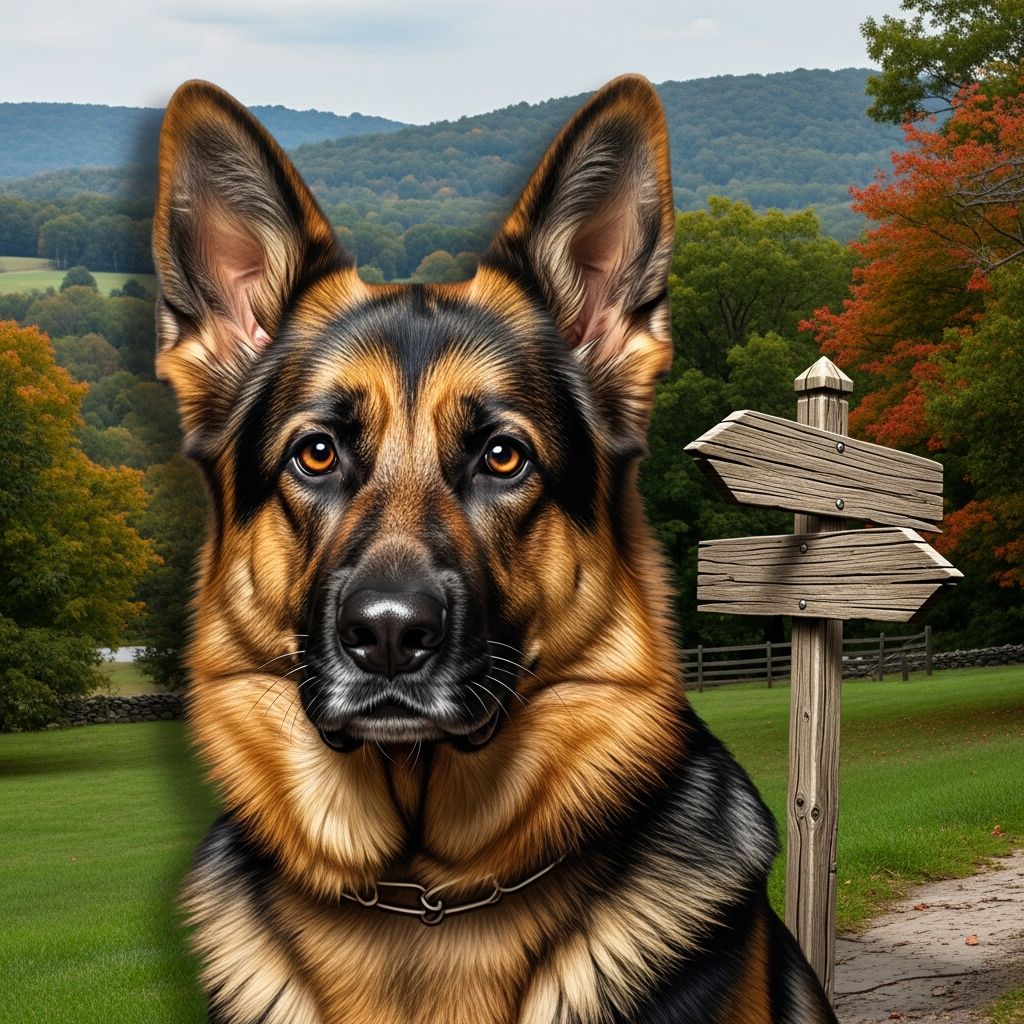
Pennsylvania has specific rules that govern what happens when a dog bites or attacks someone. These laws determine when a dog owner is responsible, what victims can recover, how the state handles dangerous dogs, and how long you have to file a lawsuit. Understanding these rules helps both dog owners and victims make informed decisions after an incident.
Big Picture: How Pennsylvania Treats Dog Bite Claims
Pennsylvania uses a mix of strict liability and negligence principles in dog bite cases. Under the state Dog Law, an owner or keeper must pay for all medical treatment when their dog bites or attacks someone, even if they did nothing wrong. However, to recover additional damages like lost income or pain and suffering, the victim usually must prove that the owner was negligent or the dog had known dangerous tendencies.
- Strict liability for medical bills: Victims can recover the cost of necessary medical care without proving fault.
- Negligence-based liability for other losses: For broader compensation, the victim must show the owner failed to act reasonably or violated the Dog Law.
- No traditional “one bite rule”: A dog does not get a free first bite if the law’s standards are met.
Owner Responsibilities Under Pennsylvania Dog Law
Pennsylvania’s Dog Law requires owners to keep their dogs under reasonable control and to prevent them from running at large. These duties exist to protect people and other animals from preventable attacks.
Confinement and Control Requirements
Key expectations for dog owners under Pennsylvania law include:
- Maintaining reasonable control over the dog at all times.
- Keeping the dog confined on the owner’s property or properly restrained when off the property.
- Preventing the dog from roaming freely in public or on others’ property without permission.
If a dog bites or attacks a human, the animal must be confined in approved quarters, typically for a 10-day observation period to monitor for rabies or other health concerns.
Negligence and Negligence Per Se
When an owner violates the Dog Law—for example, by letting a dog run loose—courts may treat that violation as negligence per se if certain legal tests are met. This can make it easier for a victim to prove fault because the breach of the statute itself substitutes for proving unreasonable behavior in some circumstances.
Strict Liability for Medical Expenses
Pennsylvania imposes strict liability on owners for medical treatment costs caused by a dog bite or attack. The Dog Law specifically states that any cost to the victim for medical treatment resulting from an attacking or biting dog must be fully paid by the dog’s owner or keeper.
| Type of Damage | Is Owner Automatically Liable? | What the Victim Must Show |
|---|---|---|
| Medical bills (treatment, hospital, surgery) | Yes, under strict liability | That the dog caused the injury and treatment was necessary |
| Pain and suffering | No automatic liability | Evidence of owner negligence or dangerous propensities |
| Lost wages or reduced earning capacity | No automatic liability | Proof that owner breached a duty and caused the loss |
| Property damage (e.g., torn clothing) | Not strictly automatic | Typically requires proof of negligence or statutory violation |
This framework means a victim can usually recover medical costs even in a close case on fault, but must present stronger evidence to obtain broader financial compensation.
Dangerous Dogs: Definition and Consequences
Pennsylvania has a specific classification for dangerous dogs. A dog may be declared dangerous if, without provocation, it does one of the following:
- Inflicts severe injury on a person on public or private property.
- Kills or seriously injures a domestic animal (like a dog or cat) while off the owner’s property.
- Attacks a person.
- Is used in the commission of a crime.
Under the Dog Law, a severe injury is defined as a physical injury that results in broken bones or disfiguring lacerations requiring multiple sutures or cosmetic surgery. Once a dog is officially labeled dangerous, its owner faces stricter obligations and potential criminal penalties for any future incidents.
Special Rules for Owners of Dangerous Dogs
Owners of registered dangerous dogs must comply with heightened safety requirements. If a dangerous dog attacks again due to intentional, reckless, or negligent conduct of the owner, criminal charges can follow.
- Non-severe injuries to a person or domestic animal can lead to a second-degree misdemeanor, which may include fines and up to two years in prison.
- Severe injury or death to a person can lead to a first-degree misdemeanor, with exposure of up to five years in prison.
- The dog may be confiscated and, in serious cases, euthanized, especially if the owner fails to comply with legal safeguards.
Does Pennsylvania Have a “One Bite Rule”?
Historically, many states followed a “one bite rule,” where an owner was generally not liable for an animal’s first bite unless they already knew it was dangerous. Pennsylvania has moved away from that approach.
Courts have interpreted amendments to Pennsylvania’s Dog Law as removing the idea that an owner is protected from liability the first time a dog causes severe injury. Case law has confirmed that a single incident of severe injury can trigger criminal liability and dangerous dog classification, without any prior attack history. As a result, Pennsylvania is often described as a state without a traditional one-bite rule, especially in situations involving serious harm.
Types of Compensation Available to Dog Bite Victims
A person injured by a dog in Pennsylvania may be able to pursue several categories of damages, depending on the facts of the case. At a high level, they fall into three groups:
- Economic damages
- Medical bills and rehabilitation costs (strictly recoverable from the owner).
- Lost wages from missed work.
- Future loss of earning capacity if the injury causes long-term impairment.
- Non-economic damages
- Pain and suffering.
- Emotional distress, including anxiety or fear of dogs.
- Scarring or disfigurement, particularly for visible injuries.
- Property-related damages
- Damage to clothing, eyeglasses, phones, or other personal property during the attack.
The automatic strict liability rule in Pennsylvania extends only to medical expenses, not to all of these damage categories. For broader compensation, a victim generally must show that the owner failed to confine the dog appropriately, ignored known dangers, or otherwise acted unreasonably under the circumstances.
Time Limits: Pennsylvania’s Statute of Limitations
Dog bite claims fall under the general Pennsylvania statute of limitations for personal injury. In most cases, a victim has two years from the date of the injury to file a lawsuit in court.
- If a case is not filed within two years, the claim may be permanently barred, regardless of its strength.
- Waiting can make it harder to gather evidence, locate witnesses, or obtain accurate medical records.
- Parents or guardians typically bring claims on behalf of children, and special court rules apply to settlements involving minors.
The two-year deadline makes it important for victims to seek legal advice and document their injuries soon after an incident.
How Courts Evaluate Fault in Dog Bite Cases
Beyond the strict liability rule for medical costs, Pennsylvania courts look at whether the owner breached a duty of care and whether that breach caused the injury. Some factors that can influence a negligence analysis include:
- Whether the dog was roaming at large or properly restrained.
- Whether the dog previously showed aggressive or dangerous behavior, such as prior bites or attacks.
- Compliance with local leash ordinances or state confinement rules.
- Statements from neighbors, witnesses, or animal control officers about the dog’s temperament.
- Evidence that the victim provoked the dog, which can reduce or bar recovery in certain circumstances.
In some cases, the behavior of the victim may also be evaluated under Pennsylvania’s comparative negligence rules, especially if the evidence suggests teasing or provoking the animal.
Practical Steps After a Dog Bite in Pennsylvania
Whether you are a victim or a dog owner, actions taken immediately after a bite can influence medical outcomes and legal rights.
For Victims
- Obtain prompt medical care and follow treatment recommendations.
- Report the incident to local police or the appropriate animal control authority.
- Gather information about the dog and owner (name, address, vaccination status).
- Photograph injuries, torn clothing, and the scene of the incident.
- Collect names and contact details of any witnesses.
- Preserve medical records, receipts, and any documentation of missed work.
For Dog Owners
- Ensure the victim receives necessary medical attention.
- Cooperate with public health and animal control officials.
- Comply with any confinement or quarantine orders issued under the Dog Law.
- Notify your homeowners or renters insurance carrier if the incident may lead to a claim.
- Review and, if necessary, strengthen measures for controlling and confining the dog.
Frequently Asked Questions About Pennsylvania Dog Bite Laws
Q: Is a dog owner always responsible if their dog bites someone?
A: Under Pennsylvania law, owners are strictly liable for the victim’s reasonable medical expenses whenever their dog bites or attacks someone. For additional damages—like pain and suffering or lost wages—the victim must usually show that the owner was negligent, violated the Dog Law, or knew the dog had dangerous propensities.
Q: What counts as a “severe injury” under the Dog Law?
A: A severe injury is defined as a physical injury causing broken bones or disfiguring lacerations that require multiple sutures or cosmetic surgery. This definition is important because it can trigger dangerous dog classification and enhanced criminal penalties for the owner.
Q: Can a single bite make a dog a “dangerous dog”?
A: Yes. If one incident meets the statutory criteria—such as inflicting a severe injury on a person without provocation—a dog can be classified as dangerous after a single event. Prior history of aggression is not always required.
Q: How long do I have to sue after a dog bite in Pennsylvania?
A: In most cases, you have two years from the date of the dog bite or attack to file a personal injury lawsuit in Pennsylvania. If you do not file within that time, your claim may be dismissed as untimely.
Q: Does homeowner’s insurance cover dog bite claims?
A: Many homeowner’s and renter’s insurance policies provide coverage for liability arising from dog bites, subject to policy limits and exclusions. Whether coverage applies in a specific case depends on the policy language, the breed of dog, and any prior claims history.
References
- Pennsylvania Dog Law Overview — Edgar Snyder & Associates. 2024-03-01. https://www.edgarsnyder.com/resources/pennsylvania-dog-law
- Pennsylvania Dog Bite Law — Dogbitelaw.com (Kenneth M. Phillips). 2023-11-15. https://www.dogbitelaw.com/statutory-strict-liability-state__trashed/pennsylvania-dog-bite-law/
- Does Pennsylvania Have a One Bite Rule? — The Levin Firm. 2023-06-20. https://www.levininjuryfirm.com/blog/does-pennsylvania-have-a-one-bite-rule/
- Guide to Pennsylvania Dog-Bite Laws — Nolo. 2024-02-10. https://www.nolo.com/legal-encyclopedia/pennsylvania-dog-bite-laws.html
- Section 14 – Dog Law — Pennsylvania General Assembly. 2008-10-09. https://www.palegis.us/statutes/unconsolidated/law-information/view-statute?ACTNUM=0119.&CHPT=000.&SCTN=014.
Similar Articles








Read full bio of medha deb


