
Understanding Oregon Traffic Laws for Safer Driving
A practical guide to Oregon traffic rules, penalties, and safe driving habits for residents and visitors.
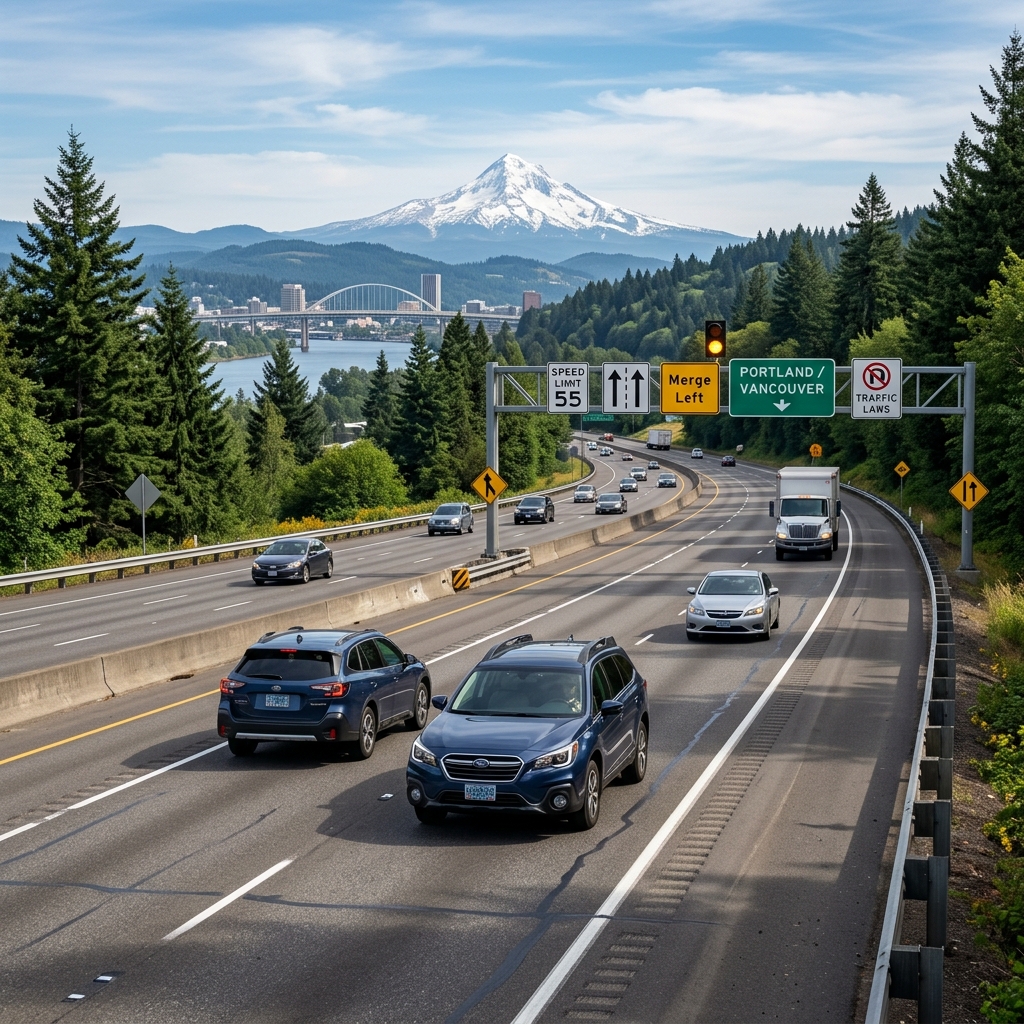
Oregon drivers are expected to follow a detailed set of rules designed to keep roads safe for motorists, cyclists, and pedestrians. Learning the basics of Oregon traffic laws helps you avoid tickets, protect your license, and reduce the risk of serious crashes. This guide provides an accessible overview of major rules, common violations, and what can happen if you ignore them, drawing on Oregon statutes and official guidance.
Why Oregon Traffic Laws Matter
Traffic laws in Oregon are not just technical rules; they are the framework that keeps traffic moving predictably and reduces collisions. Violations can lead to fines, court costs, higher insurance premiums, and even jail time for serious offenses.
- Safety – Rules on speed, right-of-way, lane usage, and impaired driving are designed to prevent crashes and protect vulnerable road users like pedestrians and cyclists.
- Legal consequences – Oregon treats many traffic offenses as violations, but some conduct is classified as a crime, such as reckless driving or DUII.
- License impact – Rather than a points system, Oregon uses a habitual offender approach: repeated traffic convictions can lead to license suspension.
Understanding the core rules before you drive—especially if you are new to the state—reduces your chance of costly mistakes.
Core Speed Rules and Limits in Oregon
Oregon’s approach to speed regulation combines a general safety standard with specific posted limits. Drivers must comply with both.
The Basic Speed Rule
Oregon’s basic speed rule requires drivers to travel at a speed that is reasonable and prudent for existing conditions, regardless of the posted limit. That means you can violate the law even while traveling at or below the signposted speed if conditions demand slower driving.
Conditions to consider include:
- Traffic density and flow
- Weather (rain, fog, snow, ice)
- Visibility, including glare or darkness
- Road surface and curves
- Presence of pedestrians, cyclists, or work zones
Driving too fast for conditions is a frequent factor in Oregon crashes, and the basic rule allows enforcement even when the posted limit is not exceeded.
Typical Statutory Speed Limits
Unless otherwise posted, Oregon law sets default speed limits for common areas.
| Location type | Default speed limit |
|---|---|
| Alleys and narrow residential streets | 15 mph |
| Business districts and school speed zones | 20 mph |
| Residential districts, public parks, certain ocean shores | 25 mph |
| Most rural roads and highways (unless posted otherwise) | 55 mph |
Cities may adjust limits on certain local streets, and recent legislative changes expanded authority for lower limits and enforcement using photo radar in some situations.
Safe Speed Habits
- Scan ahead for changes – Start adjusting your speed as soon as you see school zones, sharp curves, or crosswalks.
- Match speed to conditions – In rain or fog, reduce speed and increase following distance, even if the posted limit is higher.
- Stay right except to pass – On multilane highways, slower traffic should use the right lane, helping avoid bottlenecks and aggressive passing.
Right-of-Way and Intersections
Right-of-way rules determine who can proceed first in competing traffic situations. Oregon law requires drivers to yield in several specific circumstances, especially where pedestrians and crosswalks are involved.
General Intersection Rules
When approaching controlled or uncontrolled intersections, Oregon drivers should follow predictable patterns:
- If two vehicles arrive at the same time at an intersection without signals, the driver on the left must yield to the driver on the right.
- The first vehicle to stop at a stop sign generally has the right-of-way to proceed first.
- Drivers entering a road from a driveway, alley, or private road must yield to traffic already on the roadway.
These rules aim to avoid confusion and reduce crashes at intersections, particularly in residential and urban areas.
Pedestrians and Crosswalks
Oregon has protective rules for pedestrians at crosswalks. Drivers must stop and remain stopped for people legally crossing the street.
- Yield to pedestrians at all marked crosswalks, and at unmarked crosswalks at intersections.
- Stop well before the crosswalk line to give people room to cross and avoid blocking their path.
- Do not pass a vehicle stopped at a crosswalk; a pedestrian may be crossing in front of them.
Failing to yield to pedestrians can trigger fines and, in serious cases, civil liability if a collision occurs.
Emergency Vehicles and Special Situations
When emergency vehicles approach with lights and sirens, Oregon drivers are required to yield immediately.
- Move to the right side of the road and stop until the emergency vehicle passes, when practical.
- Do not enter a roundabout at the same time as an approaching emergency vehicle; allow it full use of the roadway.
- Funeral processions have special right-of-way protections under Oregon law, and other motorists must yield accordingly.
Lane Use, Passing, and Merging
Many crashes occur when drivers change lanes or pass improperly. Oregon’s driver manual and statutes explain how to safely share lanes and pass other vehicles.
Lane Discipline
Oregon law expects drivers to stay in their lane and use signals clearly before moving. Safe lane practice includes:
- Signal at least 100 feet before turning or changing lanes.
- Check mirrors and blind spots before every lane change.
- Use the right lane if you drive below the normal speed of traffic on freeways.
Weaving through lanes or failing to signal can be cited as improper lane usage and may contribute to fault in a collision.
Passing Rules
On two-lane roads, passing is only allowed when it can be completed safely and where markings permit it.
- Pass to the left of the vehicle, starting in a designated passing zone and finishing before entering a no-passing zone.
- Never exceed the speed limit to complete a pass; speeding is illegal even while passing.
- Solid yellow lines and no passing zone signs indicate locations where passing is prohibited.
Recent legislative changes allow limited passing in no-passing zones in specific low-speed obstruction situations, but drivers must still ensure no oncoming traffic and maintain a safe margin under the posted limit.
Merging Onto Freeways
Merging safely onto Oregon freeways requires cooperation between entering and existing traffic.
- Drivers entering a freeway must yield to traffic already on the freeway.
- Use on-ramps to accelerate to the approximate speed of traffic, checking mirrors and blind spots before merging.
- Existing freeway traffic should adjust speed when reasonable to facilitate a smooth, safe merge.
Impaired and Distracted Driving (DUII and Devices)
Oregon has strict rules addressing driving under the influence and distracted driving, reflecting the serious safety risks both behaviors pose.
Driving Under the Influence of Intoxicants (DUII)
Oregon uses the term DUII (Driving Under the Influence of Intoxicants) for offenses involving alcohol, drugs, or a combination. A driver may be cited for DUII if they operate a vehicle with a blood alcohol concentration (BAC) at or above the legal limit or if their driving is impaired by intoxicants.
- Drivers 21 and over fail a chemical test at a BAC of 0.08% or greater.
- Drivers under 21 are subject to Oregon’s zero tolerance law and can fail a test at any measurable BAC.
DUII penalties can include fines, license suspension, mandatory treatment programs, and possible jail time, especially for repeat offenders or cases involving injury.
Cell Phones and Electronic Devices
Oregon restricts cell phone use and mobile devices while driving due to the high crash risk associated with distraction.
- Drivers under 18 are prohibited from using any mobile electronic device while operating a vehicle.
- Drivers 18 and older must use a hands-free accessory and may only interact with it minimally (such as a single finger tap) to activate or deactivate the device.
- Activities like texting, reading, applying makeup, or eating while driving are considered dangerous distractions and can be cited.
Best practice is to set your navigation and music before moving and avoid handling your phone until you are parked.
Traffic Violations, Fines, and Habitual Offenders
Oregon divides unlawful driving conduct into traffic violations and traffic crimes. Enforcement tools include fines, jail sentences for serious offenses, and license consequences using a habitual offender system rather than a point-based model.
Common Traffic Violations
Typical traffic violations in Oregon include:
- Speeding or violating the basic speed rule
- Running red lights or stop signs
- Passing in prohibited zones
- Failing to yield right-of-way at intersections or crosswalks
- Improper lane changes or failure to signal
- Using a mobile device illegally while driving
Many of these violations are handled as non-criminal offenses, but repeated violations can accumulate legal consequences over time.
Traffic Crimes and Serious Offenses
Some driving behavior crosses the line into criminal conduct and may carry heavier penalties, including possible jail sentences.
- Reckless driving – Operating a vehicle with willful or wanton disregard for the safety of persons or property; in Oregon, this can be classified as a Class A misdemeanor, which may include up to a year in jail and substantial fines.
- DUII – As discussed, driving under the influence is a crime with mandatory minimum penalties.
- Driving with a suspended or revoked license – Can be treated as a criminal offense, particularly where suspension is related to DUII or prior serious violations.
Fines and Ticket Costs
Traffic tickets in Oregon typically involve a base fine that varies by the violation class, with additional amounts for certain zones. Work zones and school zones often carry higher penalties to reflect increased safety concerns.
Although specific amounts are set in statute and by local courts, a single ticket can range from around one hundred dollars to several thousand, especially for serious offenses combined with court fees and assessments.
Habitual Offender Program
Oregon does not use a point system to track driver behavior. Instead, the state can designate a driver as a habitual offender based on the number and type of traffic convictions over a defined period.
- Multiple serious traffic convictions can trigger license suspension or revocation.
- Certain offenses, such as DUII, may result in automatic license suspension under Oregon law.
Because every conviction counts toward this record, even minor violations can accumulate into major consequences when repeated.
Practical Safety Tips to Avoid Oregon Traffic Tickets
Official manuals and safety programs in Oregon highlight simple behaviors that dramatically reduce your risk of a crash or citation.
- Stop completely at stop signs and red lights before turning right on red; use a brief pause, then scan for cross traffic and pedestrians.
- Maintain a space cushion – Leave enough following distance so you can react to sudden stops or hazards.
- Slow for crosswalks and school zones – Assume people may enter the roadway and drive at a speed that allows you to stop in time.
- Adjust for weather and visibility – Reduce speed and avoid sudden lane changes in poor conditions.
- Leave your phone alone – Set everything before driving, and do not touch the device until you are parked.
Many violations can be avoided simply by staying alert, anticipating others’ actions, and prioritizing caution over convenience.
Frequently Asked Questions About Oregon Traffic Laws
Can I turn right on a red light in Oregon?
Yes, Oregon generally allows right turns on red after coming to a complete stop and checking carefully for oncoming traffic, pedestrians, and cyclists. You must yield to anyone already in the intersection or crosswalk, and you cannot turn if a sign specifically prohibits right on red.
Does Oregon have a driver’s license point system?
No. Oregon does not assign points for individual violations. Instead, the state uses a habitual offender system where multiple traffic convictions over time can lead to suspension or revocation of your driving privileges.
What happens if I speed in a school or work zone?
Speeding in school or work zones can carry higher fines than similar violations elsewhere due to the elevated safety risks. Courts and statutes allow enhanced penalties in these areas, and fines can reach hundreds of dollars or more depending on the severity.
Are hands-free devices always legal for adult drivers?
Adult drivers may use hands-free accessories, but Oregon law requires that they involve only minimal manual interaction, such as a brief finger tap. Extended interaction, looking away from the road, or handling the phone directly can still be considered distracted driving and may lead to citations or increased liability after a crash.
Do pedestrians always have the right-of-way?
Pedestrians have strong protections, especially at crosswalks and intersections, where drivers must stop and allow them to cross. However, pedestrians also have responsibilities and should not suddenly leave the curb into the path of a vehicle that cannot reasonably stop. Both drivers and pedestrians must act with care.
References
- ORS Chapter 811 – Rules of the Road for Drivers — OregonLaws. 2024-01-01. https://oregon.public.law/statutes/ors_chapter_811
- Oregon Driver Manual – Lane Travel — Oregon Department of Transportation (ODOT). 2023-01-01. https://www.oregon.gov/odot/dmv/pages/online_manual/study-section_2.aspx
- Oregon Driver Manual – Safe and Responsible Driving — Oregon Department of Transportation (ODOT). 2023-01-01. https://www.oregon.gov/odot/dmv/pages/online_manual/study-section_7.aspx
- New Laws for 2024 Promote Safety on Oregon’s Roads — Oregon Department of Transportation (GovDelivery bulletin). 2023-12-21. https://content.govdelivery.com/accounts/ORDOT/bulletins/3832679
- Yielding the Right-of-Way Law in Oregon: An Overview — Roy Dwyer Law. 2022-06-01. https://roydwyer.com/yielding-the-right-of-way-law-in-oregon-an-overview/
- Common Driver Mistakes in Oregon and How to Avoid Them — Oregon Friendly Driver (ODOT-supported program). 2022-09-01. https://www.oregonfriendlydriver.org/common-driver-mistakes-in-oregon-and-how-to-avoid/
- Traffic Law and Auto Accidents — Oregon State Bar. 2023-05-01. https://www.osbar.org/public/legalinfo/traffic.html
Similar Articles








Read full bio of medha deb


