
Understanding Oklahoma Bail Types and Posting Procedures
A practical guide to Oklahoma bail options, how amounts are set, and what families should know before posting bond for a loved one.
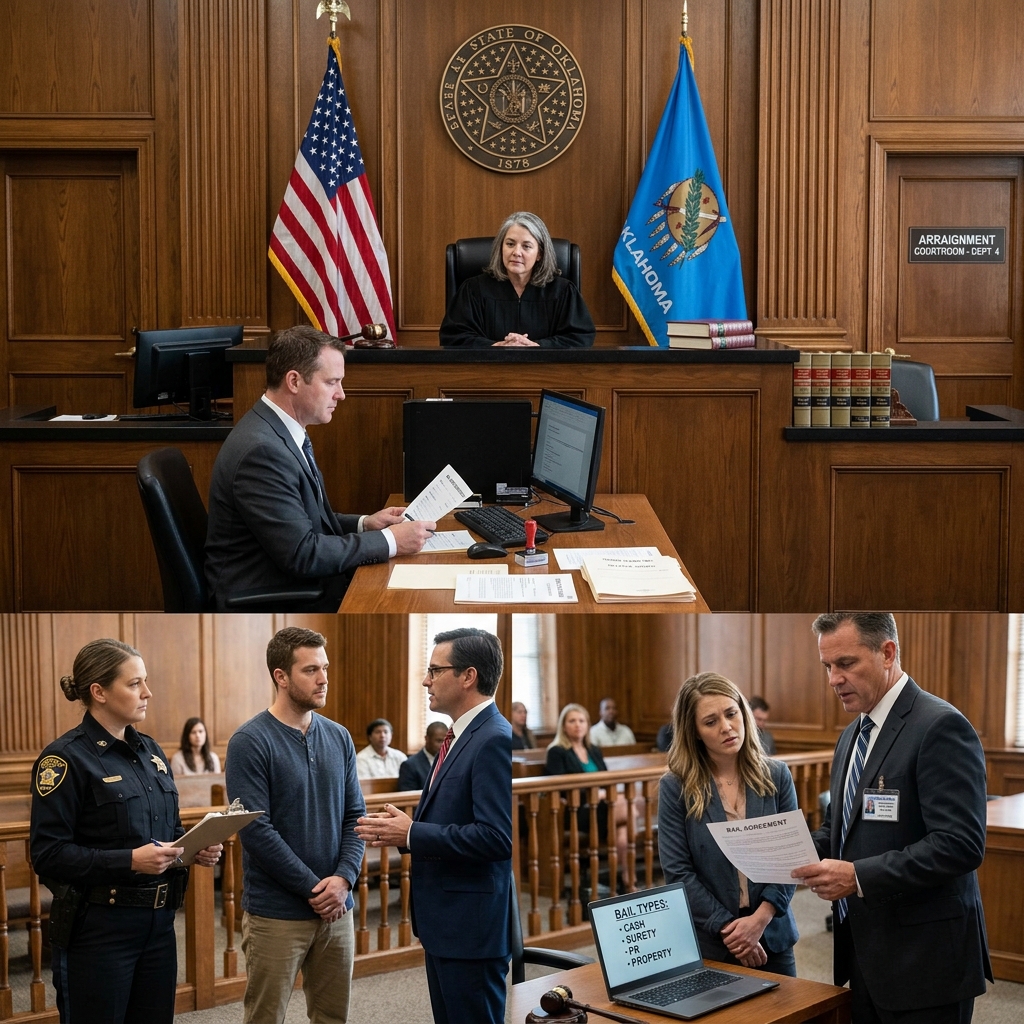
Bail in Oklahoma is a critical part of the criminal justice process, determining whether a person accused of a crime waits for trial in jail or remains free while their case moves through the courts. For families and defendants, knowing the types of bail available, how amounts are set, and the practical steps to post bail can prevent costly mistakes and unnecessary time behind bars.
This guide explains the main forms of bail used in Oklahoma, how judges decide on bail, what happens at the initial bail hearing, and how to work with courts and bail bondsmen effectively. It is based on publicly available information about Oklahoma bail practices and regulatory guidance on bail bondsmen.
What Bail Is and Why Oklahoma Courts Use It
Bail is a financial or property-based guarantee that a defendant will return to court for all required hearings after being released from jail. If the defendant appears as ordered, the money or collateral is generally returned at the end of the case, minus any applicable court costs. If they fail to appear, the court can forfeit the bail and issue an arrest warrant.
Key purposes of bail
- Ensuring court attendance: Bail gives defendants a strong incentive to attend all hearings and comply with court orders.
- Balancing liberty and public safety: Judges use bail to decide when it is safe and appropriate to release someone pending trial.
- Reducing pretrial detention: Alternatives like personal recognizance release help avoid unnecessary jail stays, particularly for lower-risk defendants.
Oklahoma law and local court rules shape how bail is used, but individual judges have significant discretion in setting bail amounts and conditions in each case.
Major Types of Bail Available in Oklahoma
Courts in Oklahoma commonly rely on several distinct bail mechanisms. Understanding each type helps defendants and families choose the option that best fits their financial situation and risk profile.
| Bail Type | How It Works | Who Commonly Uses It | Refundable? |
|---|---|---|---|
| Surety bond | Bail bondsman guarantees full bail to the court for a non-refundable fee. | Defendants who cannot afford full cash bail | Fee is not refunded; bail itself may be released back to bondsman if defendant appears. |
| Cash bond | Full bail amount is paid directly to the court in cash or certified funds. | Defendants or families with sufficient funds | Generally refundable at case end if defendant appears, minus fees. |
| Property bond | Real property pledged as collateral up to the bail amount. | Defendants with equity in Oklahoma real estate | Collateral can be released when case ends if obligations are met. |
| Personal recognizance (PR) / OR bond | Defendant signs a promise to appear; no money paid up front. | Lower-risk defendants, often in minor or nonviolent cases | No payment if defendant complies; may owe set amount if they fail to appear. |
Surety Bonds: Working With Bail Bondsmen
A surety bond is bail posted by a third party—usually a licensed bail bondsman—who promises to pay the full bail amount if the defendant does not appear in court. In exchange, the defendant or their family pays the bondsman a non-refundable fee, commonly about 10%–15% of the total bail.
Key features of surety bonds in Oklahoma include:
- Non-refundable premium: The fee paid to the bail bondsman is a service charge and is not returned at the end of the case, even if the defendant appears for every hearing.
- Responsibility for appearance: Bondsmen have a strong interest in ensuring defendants appear; they may impose conditions or monitoring and can seek surrender of the defendant if they pose a significant risk.
- Regulation: Bail bondsmen in Oklahoma are licensed and regulated by the Oklahoma Insurance Department, which oversees their financial security, compliance, and conduct.
Surety bonds are often the most realistic option for families who do not have enough liquid cash or property to cover the full bail amount but need a timely release.
Cash Bonds: Paying Bail Directly to the Court
A cash bond requires payment of the entire bail amount directly to the court, usually via cash, money order, or certified funds. Once posted, the defendant can be released pending trial.
Important aspects of cash bonds:
- Full amount required: The court typically requires 100% of the bail set by the judge, rather than a partial deposit, unless local rules authorize percentage deposits.
- Refund potential: If the defendant appears at all required hearings and complies with conditions, the court usually returns the posted cash at the conclusion of the case, minus any administrative fees or costs assessed against the defendant.
- Risk of forfeiture: Failure to appear can result in forfeiture of the entire amount, making it crucial that defendants understand and follow all court dates and orders.
Families considering a cash bond should weigh the benefit of avoiding a non-refundable bondsman fee against the risk of losing a large sum of money if the defendant misses court.
Property Bonds: Using Real Estate as Collateral
A property bond allows defendants to secure bail using real property—often a home—as collateral instead of paying cash. Oklahoma courts typically require proof that the property has enough equity to cover the bail amount and is located within the state.
Courts may require:
- Sufficient equity: The value of the property, minus mortgages or liens, must meet or exceed the portion of bail the property is securing.
- Documentation: Affidavits, tax assessments, deeds, and mortgage statements are often needed to verify ownership and value.
- Local property: Typically, the property must be located in Oklahoma to fall within the court’s jurisdiction and enforcement reach.
Property bonds can be useful when families have significant equity but limited cash. However, they may take longer to arrange due to the documentation and court review process, which can delay release compared to surety or cash bonds.
Personal Recognizance Bonds: Release Based on a Promise
A personal recognizance (PR) bond—sometimes called an own recognizance (OR) bond—allows a defendant to be released without paying money up front. Instead, they sign a written agreement promising to appear for all court dates and comply with conditions.
PR bonds are more common where:
- The offense is relatively minor, often a nonviolent misdemeanor.
- The defendant has strong community ties and a limited criminal history.
- The court assesses them as low risk for failing to appear or endangering the public.
Although PR release may set the bail amount at zero or require no deposit, failing to appear can still lead to financial liability and additional charges, along with a warrant and possible return to custody.
How Oklahoma Judges Decide Bail Amounts
Bail amounts in Oklahoma are typically set during an initial appearance or bail hearing, often within about 48 hours of arrest, depending on the court and the nature of the charges. For some offenses, predetermined bail schedules may apply, allowing bail to be set at the time of booking.
Factors judges commonly consider
- Severity of the charges: More serious or violent offenses usually result in higher bail or, in some cases, denial of bail.
- Criminal history: Prior convictions, past failures to appear, and probation or parole status weigh heavily in bail decisions.
- Flight risk: Courts assess whether the defendant is likely to flee or avoid prosecution based on employment, family ties, residence stability, and travel patterns.
- Public safety concerns: If release could present a substantial risk to others, judges may increase bail or impose strict conditions.
- Ability to pay: While judges aim to set bail in line with the offense, they may consider the defendant’s financial resources when deciding between cash, property, or other forms.
In many routine cases, bail ranges from modest amounts for minor offenses to significantly higher amounts for serious felonies. Some sources note that typical bail in Oklahoma can vary from a few hundred dollars to tens of thousands of dollars, depending on the situation.
Step-by-Step: Posting Bail in Oklahoma
Once a bail amount and type are set, the defendant or their family must follow specific procedures to post bail correctly. While details vary by county, the general steps are similar across Oklahoma courts.
1. Confirm the bail amount and type
- Obtain the exact bail amount from the jail, court clerk, or defense attorney.
- Verify whether the judge authorized surety, cash, property, PR, or a combination.
2. Decide which bail option is feasible
- Assess available cash and savings for a possible cash bond.
- Review property ownership and equity if considering a property bond.
- Speak with a licensed bail bondsman if a surety bond appears necessary.
3. Follow court instructions for posting
- For cash bonds: Take the required funds to the designated court office or jail cashier, along with identification and case information.
- For property bonds: Work with an attorney to prepare affidavits, valuation documents, and property descriptions, then file them with the court for approval.
- For surety bonds: Provide the bondsman with case details, pay the agreed fee, and sign the necessary paperwork so they can post the bond on your behalf.
4. Wait for processing and release
After bail is posted, there is usually a processing period while the jail verifies the bond and updates records. Release times vary but can range from under an hour to several hours, depending on the facility’s workload and procedures.
5. Track court dates and conditions
- Keep all paperwork related to the bond and next court date.
- Use calendars or reminders to avoid missing hearings.
- Comply with any conditions of release, such as no-contact orders or reporting requirements.
Risks, Obligations, and Common Pitfalls
Posting bail carries obligations for both defendants and the people who help them. Understanding these obligations can prevent bond forfeiture and additional legal trouble.
Financial and legal risks
- Bond forfeiture: Missing court or violating conditions can result in losing the full cash bond or the pledged property, and bondsmen may be required to pay the court the full amount.
- Additional charges: Failure to appear often leads to new criminal charges and a warrant.
- Collateral loss: With surety bonds, families may pledge collateral to the bondsman; failure to comply can cause collateral seizure under the bond agreement.
Common mistakes to avoid
- Not reading bond paperwork carefully before signing with a bondsman.
- Assuming PR release has no consequences if court is missed.
- Underestimating the time and documentation required for property bonds, causing delays in release.
- Failing to update contact information with the court and bondsman, leading to missed notices.
Working With Licensed Bail Bondsmen in Oklahoma
Because surety bonds are widely used, many families rely on professional bail bondsmen. In Oklahoma, these professionals must be licensed and are subject to oversight by state regulators.
Regulation and licensing
- The Oklahoma Insurance Department regulates bail bondsmen, handling licensing, supervision, and discipline.
- Professional bondsmen pledge cash or other security to back the bail bonds they write.
- Regulations are designed to ensure bondsmen maintain sufficient financial resources and comply with legal standards.
Questions to ask a bondsman
- What is your fee and is any part of it refundable?
- Do you require collateral, and under what conditions might it be kept?
- What happens if the defendant misses a court date?
- Are there any additional monitoring or reporting requirements?
Families should consider obtaining legal advice before signing extensive financial agreements related to bail.
Frequently Asked Questions About Bail in Oklahoma
Is bail always available for criminal charges in Oklahoma?
No. While many defendants are eligible for some form of bail, certain serious or violent charges may lead to very high bail or denial of bail, depending on state law and constitutional provisions. Judges assess each case individually, considering risk and legal restrictions.
How quickly is bail usually set after an arrest?
In many Oklahoma jurisdictions, an initial bail hearing or first appearance is held within about 48 hours after arrest, subject to weekends and holidays. For some offenses, preset bail amounts allow bail to be determined at booking.
Can bail be reduced later?
Yes. Defendants can often request a bail review or modification, asking the court to lower the amount or change conditions if circumstances warrant. Courts may consider new information, changes in charges, or demonstrated compliance when deciding such motions.
Is a surety bond cheaper than a cash bond?
A surety bond typically requires paying only a percentage of the bail instead of the full amount, which can be more affordable up front. However, the bondsman’s fee is usually non-refundable, while cash bonds can be returned at the end of the case if the defendant meets obligations.
What happens to bail money if the case is dismissed?
If a defendant posted a cash or property bond and appears as required, the court generally returns the bond when the case concludes, regardless of whether charges are dismissed, the defendant is acquitted, or a plea is entered, minus any court-ordered fees or costs.
Do I need a lawyer to post bail?
A lawyer is not legally required to post bail, but legal advice is strongly recommended, particularly for property bonds or complex cases. Attorneys can help seek lower bail, negotiate conditions, coordinate documentation, and explain the consequences of each choice.
Practical Tips for Defendants and Families
- Gather information early: As soon as you learn of an arrest, collect case numbers, charges, and court details.
- Compare bail options: Consider long-term cost and risk when choosing between cash, surety, property, or PR release.
- Address underlying issues: Courts may look favorably on defendants who begin counseling, treatment, or other constructive steps while the case is pending.
- Keep communication open: Stay in touch with your attorney, bondsman, and the court to ensure no deadlines or hearings are missed.
Understanding Oklahoma’s bail options before making decisions can protect your finances, safeguard property, and reduce the risk of returning to jail before trial.
References
- Understanding the Bail and Bond Procedures in Oklahoma — Josh Lee & Associates. 2025-11-01. https://www.joshleelaw.com/blog/2025/11/understanding-the-bail-and-bond-procedures-in-oklahoma/
- The Types of Bail in Oklahoma and How to Post It — Super Lawyers. 2023-08-15. https://www.superlawyers.com/resources/criminal-defense/oklahoma/the-types-of-bail-in-oklahoma-and-how-to-post-it/
- Oklahoma Bail Bonds — Henson Law Firm, PLLC. 2024-02-10. https://myoklahomadefenselawyer.com/oklahoma-bail-bonds/
- How Does Bond Work in Oklahoma? — Creek County Criminal Defense Attorneys. 2024-01-05. https://www.creekcountyattorneys.com/how-bond-works-in-oklahoma
- Types of Bail Bonds in Oklahoma — Mom’s Bail Bonds. 2023-09-20. https://www.momsbailbondsok.com/types-of-bonds
- Types of Bail — Pioneer Law Office. 2022-06-15. https://www.pioneerlawoffice.com/types-of-bail/
- Bail Bonds — Oklahoma Insurance Department. 2024-05-01. https://www.oid.ok.gov/regulated-entities/bail-bonds/
Similar Articles








Read full bio of Sneha Tete




