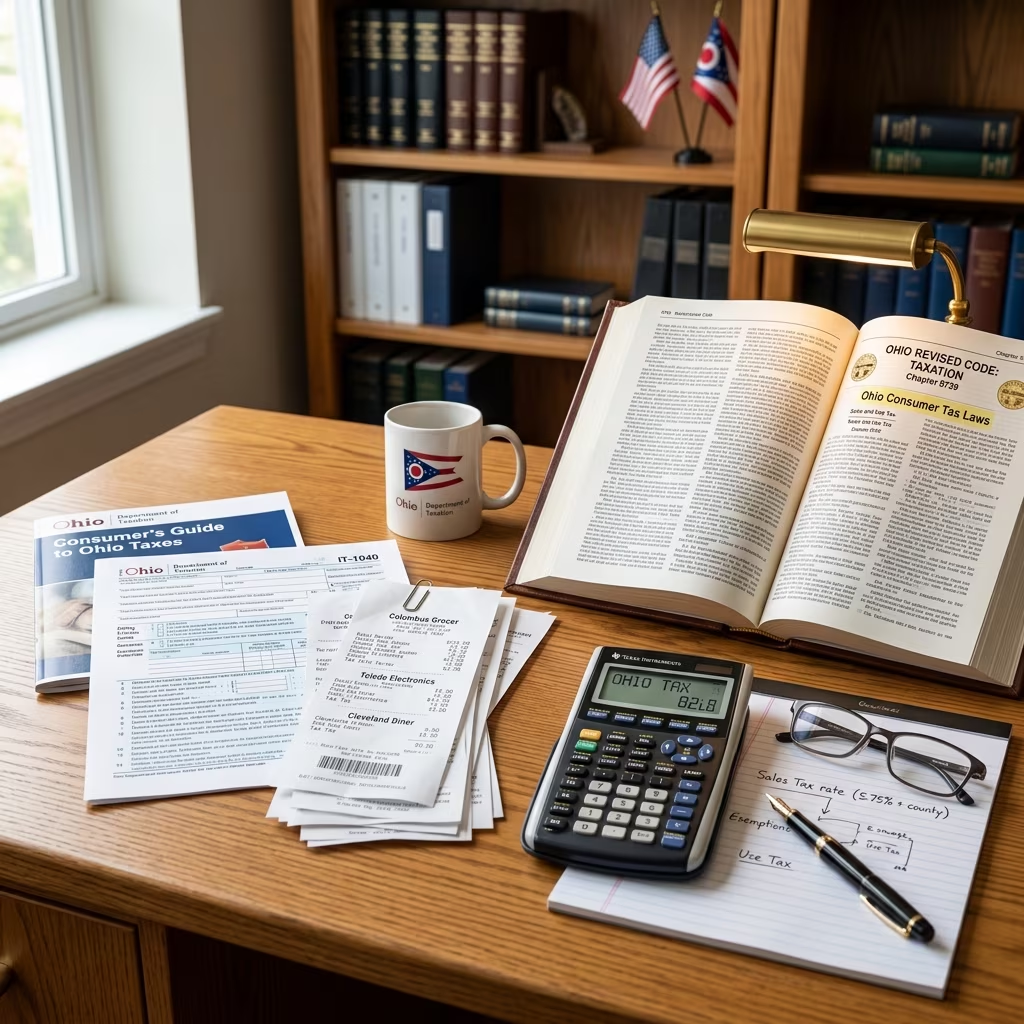
Ohio consumers encounter multiple forms of taxation every time they shop, drive, or enjoy certain goods and services. This guide explains the key consumer tax laws in Ohio, focusing on what is taxed, what is exempt, and how different taxes affect typical purchases within the state.
While this article provides a detailed overview, it is not legal advice. For specific questions about your situation, consulting a tax professional or attorney familiar with Ohio law is recommended.
Core Consumer Taxes in Ohio: The Big Picture
Several tax types shape the overall cost of living and consumption for Ohio residents. The most significant for everyday transactions include:
- Sales tax on most retail purchases of tangible goods and some services.
- Use tax on goods purchased outside Ohio but used within the state.
- Excise taxes on specific products such as tobacco, alcohol, and motor fuel.
- Specialty taxes on niche activities, such as certain wagering or admissions.
Understanding how each of these works can help consumers budget more accurately and avoid unpleasant surprises at the cash register or when registering property in Ohio.
Ohio Sales Tax: Rates, Scope, and Local Add-Ons
Ohio imposes a statewide sales and use tax rate of 5.75% on taxable transactions. In addition, counties and certain transit authorities may add local sales tax, creating a combined rate that varies by jurisdiction.
Statewide Base Rate and Local Variations
The Ohio Department of Taxation sets the base state sales tax rate at 5.75%. Local governments can impose additional sales taxes, which are stacked on top of the state rate. Combined state, local, and transit taxes cannot exceed 8.75%. This means the total rate you pay depends on where the sale occurs.
Key points for consumers include:
- Most purchases in Ohio will be taxed at a combined rate somewhere between the state minimum and the statutory maximum.
- Sales tax is generally applied to the final sales price at the point of sale, including certain fees when taxable.
- Rates can differ between neighboring counties, affecting the total tax on larger purchases.
What Is Generally Taxable?
Sales tax in Ohio applies to the retail sale of tangible personal property and certain enumerated services. For typical consumers, that often includes:
- Clothing and household goods.
- Electronics, appliances, and furniture.
- Non-prescription medical items, such as over-the-counter drugs.
- Prepared food consumed on the premises, along with certain beverages.
Most services are not taxed unless Ohio law specifically designates the service as taxable. Examples of taxable services can include some rentals of tangible property and certain specialized services, but the majority of personal services (such as typical haircuts or many professional services) remain exempt.
Common Exemptions and Everyday Examples
Ohio law grants exemptions for particular goods and purchasers. Some of the most important exemptions for consumers involve food and medical items.
- Groceries for off-premises consumption are generally exempt from sales tax.
- Prescription drugs and qualifying medical equipment are exempt.
- Sales to qualified nonprofit organizations, government agencies, and certain veteran organizations may be exempt when proper documentation is provided.
When buying groceries in Ohio, most staple foods are not taxed if they are intended for consumption away from the seller’s premises, such as:
- Fresh fruits, vegetables, meats, and dairy products.
- Breads, cereals, and unsweetened bottled water.
- Food items purchased with Supplemental Nutrition Assistance Program (SNAP) benefits, because federal law bars states from taxing these purchases.
Food, Drinks, and Premises: How Location Changes Tax Treatment
The tax status of food in Ohio depends heavily on where and how the food is consumed. The law draws a clear distinction between food sold for off-premises consumption and food consumed on the seller’s premises.
Off-Premises vs. On-Premises Consumption
Ohio treats the following differently:
- Off-premises consumption: Food purchased at grocery stores or ordered to-go from restaurants is typically exempt from sales tax, except for certain taxable items like soft drinks and dietary supplements.
- On-premises consumption: Dine-in meals in restaurants, cafeterias, and food courts are generally taxable, including food and most beverages consumed at the establishment.
The concept of “premises” includes any real property used for retail sales or designated for eating in conjunction with that business, which explains why restaurants ask whether your order is “for here or to go”.
Taxable vs. Exempt Food and Beverage Items
Ohio law defines “food” for sales tax purposes and excludes several types of products from this definition, making them taxable even when sold in grocery stores. Taxable items commonly include:
- Soft drinks and beverages with added sweeteners but no milk or milk substitute.
- Dietary supplements and certain nutritional products.
- Alcoholic beverages and tobacco products.
- Prepared foods intended for immediate consumption, such as hot meals from a deli.
By contrast, exempt items are typically basic groceries for home consumption that fit within the statutory definition of food, like staple ingredients and many non-prepared products.
Use Tax: Purchases Outside Ohio Brought into the State
Consumers sometimes try to avoid sales tax by buying goods in states with lower rates or no sales tax. Ohio addresses this through a use tax, which applies when taxable property is purchased for use, storage, or consumption in Ohio but sales tax was not paid at the time of purchase.
When Use Tax Applies
Use tax typically arises in scenarios such as:
- Buying a car in a state with no sales tax and then registering it in Ohio.
- Ordering taxable goods online from a seller that does not charge Ohio sales tax when shipping into the state.
- Bringing large purchases made elsewhere into Ohio for long-term use.
Ohio generally imposes use tax at the same rate as the sales tax that would have applied if the purchase were made in Ohio, ensuring a level playing field between in-state and out-of-state purchases.
Consumer Responsibilities for Use Tax
When sellers do not collect Ohio tax, consumers may be responsible for reporting and paying use tax directly to the state. The Ohio Department of Taxation provides mechanisms for individuals to report untaxed purchases, often through income tax returns or dedicated forms. Failure to pay applicable use tax can result in assessment of additional tax, interest, and penalties.
Excise Taxes on Tobacco, Fuel, and Alcohol
Beyond sales and use tax, Ohio levies excise taxes on specific goods. These taxes are typically embedded in the retail price, so consumers may not see them separately itemized, but they significantly affect the overall cost of certain products.
Tobacco Products
Ohio imposes a per-pack excise tax on cigarettes, designed both to raise revenue and discourage smoking. These taxes increase the shelf price of tobacco products and can vary based on product type and legislative changes over time.
Motor Fuel Taxes
Purchases of gasoline and other motor fuels in Ohio are subject to state excise taxes. For consumers, this means a portion of the per-gallon price at the pump represents tax. Revenue from motor fuel taxes is commonly earmarked for transportation-related purposes, such as road repair and maintenance.
Alcoholic Beverages
Ohio applies excise taxes to beer, wine, and spirits, typically calculated on a per-gallon basis. These product-specific taxes are incorporated into the retail price that consumers pay in stores, bars, and restaurants.
| Tax Type | Applies To | Who Typically Pays |
|---|---|---|
| Sales Tax | Retail sales of tangible goods and some services | Consumers at point of sale |
| Use Tax | Untaxed purchases used in Ohio | Consumers and businesses importing or using goods |
| Tobacco Excise | Cigarettes and other tobacco products | Smokers and tobacco product buyers |
| Motor Fuel Tax | Gasoline and certain fuels | Drivers purchasing fuel |
| Alcohol Excise | Beer, wine, spirits | Consumers purchasing alcohol |
Specialty Consumer Taxes and Niche Areas
In addition to broad-based taxes, Ohio also imposes various limited-purpose or specialty taxes. While they affect fewer consumers, they can be important in specific contexts.
- Admissions and entertainment: Certain tickets and admissions may be subject to sales tax or local taxes, depending on the nature of the event and the venue.
- Wagering-related taxes: Ohio assesses taxes on particular forms of wagering, including horse racing, with rates that increase for larger bets.
- Local option taxes: Counties and municipalities may impose additional taxes connected to specific local services or facilities, often layered on top of state taxes.
Consumer Tips for Navigating Ohio Tax Laws
Although the tax rules can be complex, consumers can use a few practical strategies to stay informed and avoid unexpected liabilities.
Know What Is Taxable Before You Buy
- Review whether an item is classified as taxable or exempt, especially for large purchases or online orders.
- Be aware that staple groceries are generally exempt, but prepared food and certain drinks may be taxed.
- Check combined local rates when making big-ticket purchases, as buying in a different jurisdiction could change the total tax owed.
When Shopping Online or Out of State
- Recognize that Ohio’s use tax can apply even if an out-of-state seller does not collect sales tax.
- Retain receipts for major out-of-state purchases in case use tax reporting is required.
- If a seller charges tax, verify that it reflects Ohio rates when goods are shipped to an Ohio address.
Stay Informed Through Official Sources
- Consult the Ohio Department of Taxation for current rates, exemption details, and guidance on filing or payment responsibilities.
- Monitor legislative changes that can affect rates and exemptions, especially for excise taxes on items like fuel and tobacco.
- Seek professional advice for complex situations, such as business-related purchases or mixed-use property.
Ohio Consumer Tax Laws FAQs
Is all food in Ohio exempt from sales tax?
No. Most food for off-premises consumption, such as groceries bought for home use, is exempt. However, dine-in restaurant meals, soft drinks, dietary supplements, and certain prepared foods are taxable even when purchased at grocery stores.
Why do some counties charge more sales tax than others?
Counties and transit authorities can add local sales taxes on top of the state’s 5.75% base rate. As a result, combined rates vary by jurisdiction, though there is a statewide cap on the maximum total rate.
What is Ohio use tax and when would I owe it?
Use tax is imposed when taxable goods are purchased without Ohio sales tax and then used, stored, or consumed in Ohio. Typical examples include out-of-state vehicle purchases registered in Ohio or online orders from sellers that did not collect Ohio tax.
Are prescription medications taxed in Ohio?
Prescription drugs and qualifying medical equipment are generally exempt from Ohio sales tax, while many over-the-counter or non-prescription items are taxable.
Where can I find official information on Ohio tax rules?
The most authoritative source is the Ohio Department of Taxation, which publishes current tax rates, filing instructions, exemption guidance, and legal updates for sales, use, and other state taxes.
References
- Ohio Consumer Tax Laws — FindLaw. 2024-01-15. https://www.findlaw.com/state/ohio-law/ohio-consumer-tax-laws.html
- Sales and Use Tax — Ohio Department of Taxation. 2026-05-06. https://tax.ohio.gov/business/sales-and-use-tax
- Ohio Sales Tax Guide | Rates, Exemptions & Filing Rules — Sovos. 2025-11-10. https://sovos.com/blog/sut/ohio-sales-tax/
- Ohio Sales Tax Rules on Grocery and Prepared Food — Hands Off Sales Tax. 2025-08-03. https://handsoffsalestax.com/ohio-sales-tax-on-food/
- Food & Premises Sales Tax – Ohio Taxes Explained — Ohio Department of Taxation via YouTube. 2017-03-21. https://www.youtube.com/watch?v=zaa_2I4-IlU
- 2026 Ohio Tax Rates & Rankings — Tax Foundation. 2026-02-01. https://taxfoundation.org/location/ohio/