
Understanding New York’s GPS Stalking Rules
A clear guide to how New York treats GPS and electronic tracking as stalking, the penalties involved, and how to protect your rights.
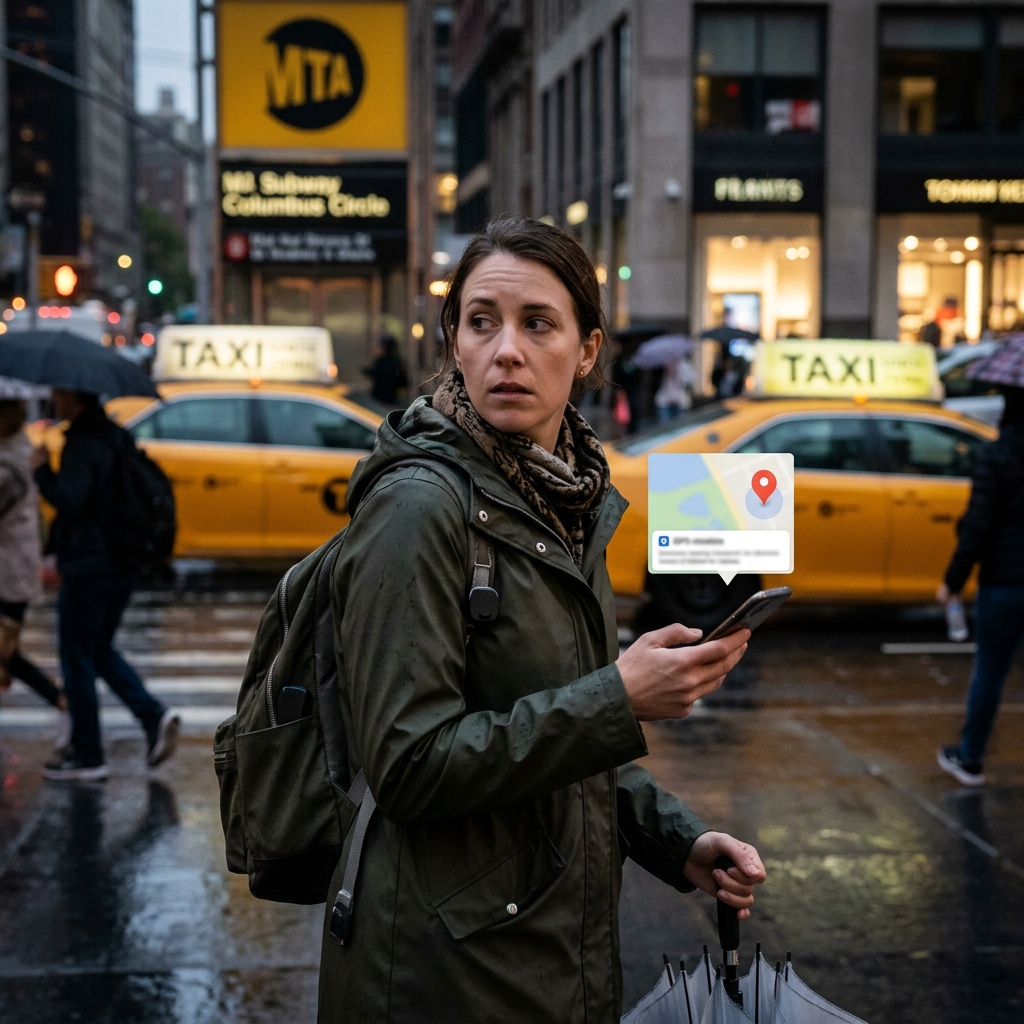
New technologies have made it easier than ever to quietly track another person’s movements. Small GPS trackers, smartphone apps, and even Bluetooth tags can reveal where someone goes and when. In New York, using these tools without permission can cross the line into a crime commonly known as GPS stalking. This article explains how New York’s stalking laws handle GPS and other electronic tracking, what prosecutors must prove, possible penalties, and what both victims and accused individuals should know.
How GPS Tracking Became Part of New York’s Stalking Laws
New York’s stalking statutes are found in Article 120 of the Penal Law, which defines four degrees of stalking, from fourth-degree (least serious) to first-degree (most serious). Stalking in the fourth degree is the basic offense, covering behaviors that cause fear or harm to a person’s mental, emotional, or physical well-being when carried out repeatedly and without a legitimate purpose.
In 2014, New York responded to concerns about technology-facilitated abuse by clarifying that using a GPS device to track someone can qualify as stalking in the fourth degree. This legislative change is often associated with “Jackie’s Law,” named after a domestic violence victim whose case highlighted how abusers were using GPS trackers to monitor and terrorize partners. While the core stalking statute already covered threatening behavior, the explicit reference to GPS ensured that electronic tracking would clearly fall within the law.
The Legal Foundation: Stalking in the Fourth Degree
The starting point for understanding GPS stalking is New York Penal Law § 120.45, which defines stalking in the fourth degree. Under this law, a person is guilty of fourth-degree stalking if they intentionally, and for no legitimate purpose, engage in a course of conduct directed at a specific person, knowing or reasonably should know that the conduct:
- Is likely to cause reasonable fear of material harm to the person’s physical health, safety, or property, or that of an immediate family member or acquaintance; or
- Causes material harm to the person’s mental or emotional health, and the conduct consists of following, contacting, or communicating after being clearly told to stop; or
- Is likely to cause reasonable fear that the person’s employment, business, or career is threatened, where the conduct occurs at the person’s workplace after a clear request to stop.
GPS tracking fits into this framework when it is part of a repeated pattern of behavior that disrupts a person’s sense of safety or peace, particularly after the victim has objected to the monitoring.
What Counts as GPS or Electronic Stalking?
New York’s law is written broadly enough to capture various kinds of location tracking technology. GPS is explicitly recognized, but the underlying principle applies to other electronic tools that let someone monitor another person’s movements.
Common Forms of Technology-Based Stalking
- Standalone GPS tracking devices hidden in a vehicle, bag, or personal item.
- Smartphone tracking apps installed without consent or misused beyond an agreed purpose.
- Bluetooth tracking tags placed in a car, coat, or luggage to follow a person’s location.
- Vehicle-based navigation systems accessed without permission to see where a car travels.
Legislators in New York have moved to ensure that the definition of “following” in stalking law clearly includes tracking a person’s movements via GPS and similar technologies. Proposed updates also contemplate the use of Bluetooth technology in the same way as GPS, aiming to prevent stalkers from exploiting newer devices to evade the spirit of the law.
Key Legal Elements in GPS Stalking Cases
Although each case is fact-specific, three legal ideas are central when prosecutors claim that GPS use amounts to stalking:
- Course of conduct: Stalking requires a pattern, not a one-time act. Typically, the device is used over time to repeatedly follow or monitor the victim.
- No legitimate purpose: The tracking must lack a valid, lawful reason. For example, secretly tracking a partner out of jealousy is very different from a business tracking its own fleet vehicles for logistics.
- Impact on the victim: The law focuses on reasonable fear of harm or material damage to mental or emotional health. Being watched everywhere can produce intense anxiety, even if no direct threats are made.
When Tracking Crosses the Line: Consent and Limits
Not every use of a GPS device or tracking app is illegal. New York law draws a line around non-consensual or abusive tracking that causes fear or serious emotional distress. Several factors help distinguish lawful tracking from criminal stalking.
Examples of Potentially Lawful Tracking
- Employer tracking company-owned vehicles for business operations, especially when employees are notified.[10]
- Parents tracking young children with devices used openly to ensure safety.
- Mutual location sharing between adults through smartphone apps, where both parties freely agree and can disable sharing at any time.
Examples of Potentially Unlawful Tracking
- Secretly installing a GPS device in a partner’s car to see where they go after work.
- Using Bluetooth tags to follow an ex-spouse despite a breakup and clear objections.
- Monitoring a victim’s movements as part of a broader pattern of threats or harassment.
Consent plays a central role. Even where initial tracking is allowed, continuing to monitor someone after they clearly withdraw permission can transform the behavior into stalking, particularly if it causes fear or distress.
Penalties for GPS-Related Stalking in New York
When GPS tracking is treated as stalking in the fourth degree, it is classified as a Class B misdemeanor. But if the conduct escalates or certain aggravating factors are present, the charges can be upgraded to more serious degrees of stalking, including felonies.
| Offense Level | Statute | Classification | Typical Maximum Penalty |
|---|---|---|---|
| Stalking in the 4th Degree | Penal Law § 120.45 | Class B misdemeanor | Up to 3 months in jail and a fine up to $500 |
| Stalking in the 3rd Degree | Penal Law § 120.50 | Class A misdemeanor | Up to 1 year in jail and a fine up to $1,000 |
| Stalking in the 2nd Degree | Penal Law § 120.55 | Class E felony | Up to 4 years in prison and a fine up to $5,000 |
| Stalking in the 1st Degree | Penal Law § 120.60 | Class D felony | Up to 7 years in prison and a fine up to $5,000 |
Stalking in the second and first degrees generally require aggravating circumstances, such as a prior stalking conviction, use of a weapon, targeting a child, sexual contact, or causing physical injury. A pattern of GPS tracking, combined with other threatening or violent acts, can be part of a case that leads to these higher-level charges.
How a GPS Stalking Case Typically Unfolds
Although every situation is unique, many GPS stalking cases follow similar steps once the tracking is discovered.
1. Discovery of the Tracking
Victims might notice unfamiliar devices, see unusual notifications from phone apps, or observe that someone seems to know their location too precisely. Mechanics, IT professionals, or law enforcement may also detect tracking devices during an inspection.
2. Objection and Documentation
After discovering the device or tracking behavior, many victims explicitly tell the person to stop. This objection is legally significant because stalking statutes often emphasize continued behavior after a clear request to cease. Victims are usually advised to:
- Document conversations in which they withdraw consent.
- Save text messages, emails, or voicemails showing the objection.
- Keep a log of incidents where the suspected stalker appears or refers to their location.
3. Involvement of Law Enforcement
When the pattern persists, the victim may contact police. Officers may seize the tracking device, take photographs, and collect digital records (such as app logs) as evidence. If the situation suggests immediate danger, officers can seek an arrest and, in many cases, a protective order limiting contact.
4. Criminal Charges and Proceedings
Prosecutors evaluate whether the facts support a stalking charge, starting with fourth-degree stalking under § 120.45. If there are aggravating factors—such as prior convictions, physical injury, or other crimes committed in connection with the stalking—the case may be charged at a higher degree. The accused will then face arraignment, potential bail conditions, and, if the case continues, negotiations or trial.
Defense Issues in GPS Stalking Allegations
Because GPS technology leaves digital traces, both the prosecution and the defense will often rely on technical evidence. Several defense themes commonly arise:
- Consent or shared control: The accused may claim that the device was installed with permission, or that the parties jointly used a tracking app for mutual safety or convenience. The timeline of when consent was given and revoked becomes critical.
- Legitimate purpose: Some defendants argue that the tracking served a lawful purpose, such as locating a jointly owned vehicle or monitoring valuable equipment, rather than targeting the individual personally.[10]
- Disputes about the course of conduct: Stalking requires more than a single act. The defense may assert that the alleged monitoring was limited or isolated, and thus does not form the required pattern of behavior.
- Reliability of digital evidence: Questions can arise about who configured or accessed the device, whether logs accurately reflect user actions, or whether someone else could have controlled the tracker.
Because a conviction can have serious consequences—jail, fines, and lasting criminal records—anyone accused of GPS-based stalking is typically urged to seek legal advice promptly.
Practical Guidance for People Who Suspect They Are Being Tracked
Individuals who believe they are being monitored electronically often feel anxious and unsure how to respond. While every situation is different, some practical steps are commonly recommended by advocates and attorneys:
- Inspect vehicles and belongings: Have a trusted mechanic or professional check your vehicle for unfamiliar devices. Look through bags, jackets, and frequently used items for small trackers.
- Review digital accounts: Check which apps have location permissions on your phone. Ensure that only trusted apps can access your location and that shared-location features are disabled where appropriate.
- Document everything: Keep a written or digital log of suspicious events, including dates, times, locations, and any interactions with the suspected stalker.
- Preserve evidence: Do not immediately throw away or destroy a device you find. Instead, photograph it, note where it was found, and consult law enforcement or an attorney before deciding what to do next.
- Consider safety planning: If you fear retaliation or violence, speak with a domestic violence advocate or victim support organization to develop a safety plan tailored to your situation.
Considerations for People Worried About Being Accused
Sometimes individuals realize too late that their use of GPS or tracking apps could be perceived as stalking. People in high-conflict breakups, custody disputes, or unstable relationships should be particularly cautious.
- Stop all non-essential tracking as soon as there is a dispute or after any clear request to stop.
- Clarify ownership and consent in writing (for example, regarding shared vehicles or devices), but avoid any communication that could be interpreted as threatening.
- Avoid confrontations at the other person’s home or workplace, especially after they have indicated they do not want contact. This kind of repeated presence can itself be part of a stalking claim.
- Seek legal advice early to understand your rights and obligations, particularly if you learn that a complaint has been made or an investigation is underway.
Frequently Asked Questions About GPS Stalking in New York
Is it always illegal to track a car in New York?
No. Tracking is not automatically illegal. For example, businesses commonly track their own fleet vehicles, and parents may monitor children with appropriate tools. Problems arise when tracking is done without consent, for no legitimate purpose, and as part of a pattern that causes fear or serious emotional harm.
Can I install a GPS device on a vehicle I co-own?
Co-ownership can complicate the analysis. Even if you own the vehicle, secretly tracking a co-owner in a way that targets them and instills fear could contribute to a stalking charge. Courts look at the overall conduct, the relationship, and the impact on the other person’s mental and emotional health, not just title to the car.
Does New York law cover Bluetooth tracking tags as well as GPS devices?
Lawmakers have recognized that Bluetooth tracking can be used in similar ways to GPS devices. Legislative proposals have sought to make clear that using Bluetooth technology to follow someone’s movements without authorization falls within the definition of stalking in the fourth degree, alongside GPS and other tracking tools.
What should I do if I find a GPS device on my car?
Consider documenting the device carefully—take photos, note where it was found, and avoid damaging it. Then contact law enforcement or an attorney to discuss your options. Removing the device may be appropriate for safety, but preserving it as evidence can help authorities identify who placed it there and how long it has been active.
Can a stalking charge become a felony just because of GPS tracking?
The use of GPS or electronic tracking, by itself, typically supports a fourth-degree stalking charge, which is a misdemeanor. It can contribute to a felony charge if accompanied by aggravating factors, such as a prior stalking conviction, targeting a child, use of a weapon, or causing physical injury. In those circumstances, the case may be charged as stalking in the second or first degree, both felonies.
References
- New York Penal Law § 120.45 – Stalking in the Fourth Degree — New York State Senate. 2024-01-01. https://www.nysenate.gov/legislation/laws/PEN/120.45
- Criminal Use of a GPS Tracking Device in New York — Pappalardo Law. 2023-02-01. https://pappalardolaw.com/2023/02/criminal-use-gps-tracking-device-ny/
- NY A00867 – Including Bluetooth Technology in Stalking in the Fourth Degree — BillTrack50 (New York Assembly). 2025-04-01. https://www.billtrack50.com/billdetail/1767443
- Private Use of Location Tracking Devices: State Statutes — National Conference of State Legislatures (NCSL). 2022-03-01. https://www.ncsl.org/technology-and-communication/private-use-of-location-tracking-devices-state-statutes
- GPS Tracking Laws by State — LandAirSea. 2023-06-01. https://landairsea.com/blogs/consumers/gps-tracking-laws-by-state
- When Does Stalking Become a Felony in New York? — David Mejia Colgan Law. 2023-08-01. https://dmclawny.com/blog/stalking-felony-degrees-pl-120-50-55-60/
- New York Stalking Lawyer — Stephen Bilkis & Associates. 2023-05-01. https://criminaldefense.1800nynylaw.com/areas-of-practice/new-york-criminal-lawyer/new-york-stalking-lawyer/
Similar Articles








Read full bio of Sneha Tete




