
Understanding Nanny Cam Laws in the United States
Learn how to legally use nanny cameras at home while respecting privacy, consent rules, and state surveillance laws.
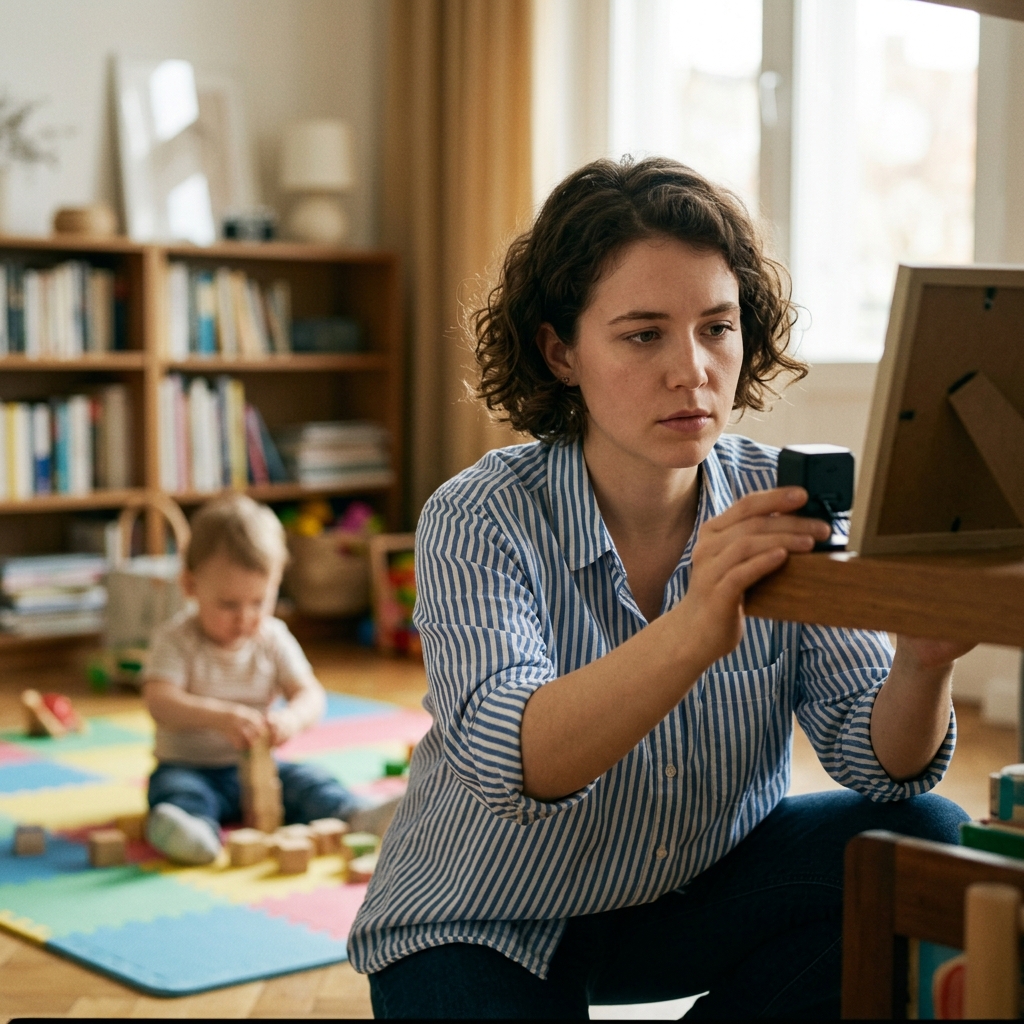
Parents and caregivers increasingly rely on nanny cams to monitor children, pets, and household staff. These devices can offer peace of mind, but they also raise important legal questions about privacy, consent, and surveillance. While owning a nanny cam is generally lawful, how and where you use it can expose you to criminal charges or civil lawsuits if you ignore applicable rules.
This article explains the legal framework around nanny cameras in the United States, the difference between video and audio recording, where cameras are never appropriate, and practical steps you can take to use home surveillance responsibly.
What Is a Nanny Cam and Why Do Legal Issues Arise?
A nanny cam is typically a small recording device, often disguised as an everyday object, used to keep an eye on babysitters, nannies, elder caregivers, or general household activity. Many modern nanny cams connect to Wi‑Fi, store footage in the cloud, and may record audio as well as video.
Legal concerns arise because these cameras intersect with:
- Privacy rights of people in your home
- State and federal wiretapping and eavesdropping laws that regulate audio recording
- Criminal statutes addressing voyeurism and video surveillance in private places
- Civil claims for invasion of privacy or misuse of recorded material
As a result, what looks like a simple security decision can become a legal problem if you install or use the device without understanding the applicable law.
Is It Legal to Own and Use a Nanny Cam?
Across the United States, it is generally legal to own and install a nanny cam in your home. Official guidance and legal commentary indicate that video-only recordings in private residences are allowed in all 50 states, as long as rules about privacy expectations are respected.
However, the legality depends on two major distinctions:
- Whether the camera records video only or both video and audio
- Whether the camera is placed in an area where a person has a reasonable expectation of privacy, such as bathrooms or bedrooms
In other words, the law looks not just at the device, but at how, where, and what you record.
Video vs. Audio: Why the Difference Matters
Most legal systems treat silent video surveillance differently from audio recording. Video-only nanny cams are typically governed by privacy and harassment laws, while audio recordings are regulated by specific wiretapping or communications statutes.
| Type of Recording | Typical Legal Treatment | Key Risks |
|---|---|---|
| Video only | Generally allowed in all states when used in non-private areas of the home. | Invasion of privacy if placed in bathrooms, bedrooms used for sleeping, or other private spaces. |
| Video + audio | Subject to state wiretapping and eavesdropping laws; consent rules vary. | Criminal charges for unlawful recording; exclusion of evidence; civil lawsuits for privacy violations. |
Because audio triggers more stringent legal requirements, many lawyers and safety organizations recommend disabling sound on nanny cams unless you are certain that your state’s consent laws are being followed.
Consent Rules: One-Party vs. All-Party States
Audio recording laws are a major source of confusion for families. Nearly every state has statutes regulating the recording of communications, but they do not all follow the same model.
One-party consent states
In one-party consent jurisdictions, only one participant in the conversation has to agree to be recorded. If you are part of the conversation, your own consent is enough. Many states follow this approach, and in those locations, recording audio in common areas of your home while you are talking may be lawful.
However, even in one-party states, secretly recording a conversation where you are not present or capturing private communications of others can still lead to legal issues, especially if the recording is used in a harmful or deceptive way.
All-party (two-party) consent states
In all-party consent states, often called two-party consent jurisdictions, you must obtain consent from everyone involved in the communication before recording audio. States like California and Florida use this stricter model.
In these states:
- Recording a nanny’s private conversation without informing them may violate eavesdropping or wiretapping laws.
- Violations can be prosecuted as misdemeanors or felonies, and may carry jail time and fines.
- Illegally obtained audio recordings may be excluded as evidence in court.
Because the stakes are higher, families in all-party consent states are often advised to either disable audio or obtain clear, written consent from caregivers before any recording begins.
Places Where Nanny Cams Should Never Be Used
Regardless of whether your device captures sound, you cannot lawfully record people in areas where they reasonably expect privacy. Legal authorities and safety organizations consistently highlight the following spaces as off-limits:
- Bathrooms and restrooms
- Bedrooms used for sleeping by a nanny, caregiver, or houseguest
- Changing areas or any location where nudity is likely
- Private living quarters provided to live‑in staff or tenants
Placing cameras in these areas may be considered video voyeurism or invasion of privacy. In some states, filming someone’s intimate areas without consent can lead to criminal charges that carry potential jail time, and sharing such footage can implicate separate statutes related to nonconsensual distribution of images.
Legal Risks of Misusing Nanny Cams
Improper use of nanny cameras can expose you to a range of legal consequences. These risks vary by state, but common themes appear in case law and statutory guidance.
- Criminal charges
Unlawful eavesdropping, wiretapping, video voyeurism, or harassment may be charged if you record audio without consent or place cameras in private areas. - Civil lawsuits
Caretakers or guests may sue for intrusion upon seclusion or intentional infliction of emotional distress if surveillance is overly intrusive or deceptive. - Loss of credibility in court
Evidence obtained through illegal recording may be excluded from legal proceedings, undermining your case even if the footage shows wrongdoing. - Employment and contractual disputes
Failing to disclose cameras may violate expectations in employment contracts or professional standards suggested by organizations such as the International Nanny Association.
Ethical and Practical Considerations Beyond the Law
Even when surveillance is technically lawful, it may strain trust or affect working relationships. Many nanny agencies and professional associations emphasize transparency as a best practice.
Key ethical considerations include:
- Trust: Hidden cameras can damage the relationship with a caregiver if discovered later.
- Morale: Staff may feel constantly scrutinized, affecting performance and retention.
- Family culture: Children may internalize the idea that surveillance is normal in private spaces, which can influence their understanding of boundaries.
Balancing safety with respect is usually easier when caregivers know they are being recorded and understand the reasons behind the decision.
Best Practices for Using Nanny Cams Legally and Responsibly
To reduce legal risk and maintain trust, consider the following practical steps before installing or using a nanny cam.
1. Confirm your state’s recording laws
- Determine whether you live in a one-party or all-party consent state for audio recording.
- Review local statutes on video surveillance and privacy in private places.
- If uncertain, consult a licensed attorney or reliable government sources for clarification.
2. Keep cameras out of private areas
- Limit cameras to common spaces such as living rooms, kitchens, playrooms, or hallways.
- Avoid bathrooms, bedrooms used for sleeping, and any room designated as private living quarters.
- Double‑check camera angles to ensure they do not inadvertently capture private activities.
3. Consider disabling audio
- Turn off audio recording unless you are confident that your setup complies with consent rules.
- Recognize that silent video may be sufficient for most safety-related monitoring needs.
- Document your configuration choices in case questions arise later.
4. Communicate with your nanny or caregiver
- Inform caregivers during hiring that cameras are used in the home.
- Explain where cameras are installed and whether audio is recorded.
- Obtain written acknowledgment or consent, especially in all-party states or when audio is involved.
5. Handle recordings securely
- Use strong passwords and secure storage for video files.
- Limit access to recordings to trusted adults.
- Avoid posting footage online or sharing it beyond what is strictly necessary, as misuse can trigger additional legal and ethical concerns.
Frequently Asked Questions About Nanny Cam Legality
Are nanny cams legal in every state?
Owning and using a video-only nanny cam in your home is generally legal across the United States, provided the camera is not placed in a private area like a bathroom or bedroom used for sleeping. Specific restrictions on audio recording and privacy expectations vary by state.
Do I have to tell my nanny that I use cameras?
Whether you must disclose cameras legally depends on your state’s laws, particularly around audio recording. In all-party consent states, recording a nanny’s conversations without their knowledge is usually unlawful. Even where disclosure is not strictly required, professional organizations recommend informing caregivers to maintain trust and avoid disputes.
Can nanny cam footage be used in court?
Video recordings that comply with state privacy and surveillance laws are often admissible as evidence in civil or criminal cases. However, audio recordings made in violation of wiretapping statutes may be excluded, and the person who made them could face legal consequences.
Is it ever legal to hide a nanny cam?
Hidden cameras may be lawful if they are placed in non-private areas, record video only, and comply with state surveillance rules. Hiding cameras in bathrooms, bedrooms, or private living quarters is generally prohibited and can lead to charges related to video voyeurism or invasion of privacy.
What should I do before installing a nanny cam?
Before installation, research your state’s recording laws, decide whether you will capture audio, choose appropriate camera locations, and plan how you will communicate with caregivers about surveillance. If you have doubts, consult an attorney familiar with privacy and criminal law in your jurisdiction.
References
- Are Nanny Cams Legal? — SafeWise. 2022-08-23. https://www.safewise.com/are-nanny-cams-legal/
- Are Nanny Cams Legal in California? Depends How They’re Used — Vista Criminal Law. 2021-09-15. https://vistacriminallaw.com/ca-nanny-cam-laws/
- Nanny Cams: What You Need to Know — Morningside Nannies. 2019-05-10. https://www.morningsidenannies.com/blog/nanny-cams-what-you-need-to-know/
- Are Hidden Granny and Nanny Cams Actually Legal in Florida? — Hollander Law Firm. 2023-03-02. https://www.hollanderlawfirm.com/blog/are-hidden-granny-and-nanny-cams-actually-legal/
- Nanny/Babysitter Cam Law — LegalMatch Law Library. 2020-11-05. https://www.legalmatch.com/law-library/article/babysitternanny-camera-legality.html
Similar Articles








Read full bio of medha deb




