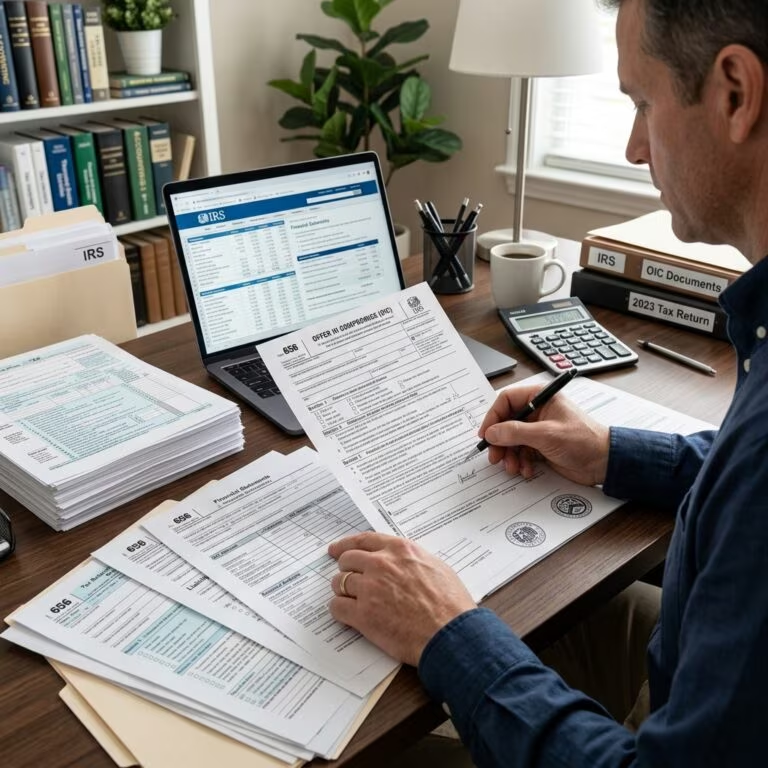
Mortgage forbearance can provide short-term relief when you are struggling to keep up with home loan payments, but it also changes how and when your mortgage must be repaid. It is important to understand exactly what forbearance is, what it is not, and how it will affect your finances before you agree to it.
What Mortgage Forbearance Really Means
Mortgage forbearance is an agreement between you and your mortgage company to temporarily pause or reduce your monthly mortgage payments during a period of financial hardship. It does not erase your debt; you will still owe any skipped or reduced amounts later, often with additional interest.
In plain terms, forbearance gives you breathing room, not a free pass. Your lender agrees not to move forward with foreclosure while the agreement is in place, as long as you follow the terms of the plan.
- Temporary relief: Payments are lowered or suspended for a specific time.
- Hardship-based: Reserved for borrowers facing income loss, illness, disaster, or similar hardships.
- Interest continues: Most loans still accrue interest on unpaid amounts during forbearance.
- Repayment required: Missed payments must be repaid through a later arrangement.
When Forbearance Might Make Sense
Forbearance is designed for short-term financial disruptions, not long-term unaffordable mortgages. Common situations include:
- Job loss or reduced work hours
- Serious illness or medical emergency
- Natural disasters (flood, fire, hurricane)
- Temporary caregiving responsibilities
- Major unexpected household expenses
Government-backed loans, such as many FHA, VA, and USDA mortgages, have specific forbearance protections in federal law, including under the CARES Act for certain periods. Private loans may offer similar options, but policies vary by lender.
Key Features of a Typical Forbearance Plan
The details of a forbearance agreement can differ based on your loan type and your servicer, but most plans address the same core elements.
| Feature | What It Covers | What It Means for You |
|---|---|---|
| Length of forbearance | Number of months payment relief is granted | Commonly 3–6 months, sometimes extendable for up to 12 months, especially under government programs. |
| Payment change | Reduction or full pause in monthly payments | You may pay a smaller amount, interest only, or nothing at all during the period. |
| Interest treatment | How interest accumulates while you are not paying full installments | Most loans continue to accrue interest on unpaid principal, increasing the total cost of your mortgage. |
| Credit reporting | How the servicer reports your account to credit bureaus | Handled according to law and program rules; you should ask how your plan will be reported before you agree. |
| Repayment method | How missed amounts will be repaid after forbearance | Options may include lump-sum, repayment plans, deferral, or loan modification. |
What Forbearance Is Not
Forbearance is frequently confused with other forms of mortgage help. Understanding the differences helps you avoid surprises later.
- Not forgiveness: Forbearance delays payments; it does not cancel them. Loan forgiveness means you no longer owe part or all of the debt, which is not what forbearance does for a traditional mortgage.
- Not a modification: A loan modification changes the terms of your mortgage permanently (such as the interest rate or loan term). Forbearance is temporary and usually does not change the underlying contract.
- Not automatic: You must contact your lender or servicer and request help; it is rarely granted without a conversation or application.
How to Request Mortgage Forbearance
To explore forbearance, start with the company that handles your mortgage payments (the loan servicer). Most servicers list their contact information on your monthly statement.
Step 1: Review Your Situation
Before you call, be clear about your financial hardship and what you can realistically afford. It may help to write down:
- Your current monthly income from all sources
- Your essential monthly expenses (housing, utilities, food, transportation)
- Any expected changes in income (such as returning to work)
- How long you think your hardship may last
Step 2: Gather Basic Documents
Lenders commonly ask for supporting information when you request hardship relief. You may need:
- Recent mortgage statement
- Pay stubs or proof of income, if any
- Unemployment or benefits letters
- Recent bank statements
- Medical bills or disaster-related records, if relevant
- A brief written explanation of your hardship
Step 3: Contact Your Loan Servicer
Reach out by phone or through your servicer’s online hardship or loss mitigation portal, if available. Explain that you are struggling to make payments and want to discuss forbearance or other relief options.
During the call, ask specifically:
- What forbearance options are available for my type of loan?
- How long can the forbearance last?
- Will my payments be reduced or fully suspended?
- How will interest and fees be handled during forbearance?
- How will missed amounts be repaid at the end?
- How will this be reported to credit bureaus?
Step 4: Get the Agreement in Writing
Do not rely on a verbal promise. Request a written forbearance agreement that clearly states the start and end dates, payment expectations during the plan, and how you will repay the paused amounts. Keep a copy of all correspondence for your records.
What Happens During the Forbearance Period
Once your plan begins, your monthly payments follow the terms you agreed to. However, certain parts of the mortgage process continue in the background.
- Loan statements: Most servicers must still send regular statements, even if your payment is temporarily reduced or set to zero.
- Interest accrual: Unless your agreement states otherwise, interest continues to build on unpaid principal.
- Escrow items: Property taxes and homeowners insurance may still be paid from your escrow account. If forbearance creates an escrow shortage, your payment could adjust later.
- Fees: Certain fees may still apply depending on your loan terms and regulations; ask your servicer which fees are paused and which may continue.
Even though your payment is reduced or suspended, it is essential to open every letter and email from your servicer and review your monthly statements to spot errors or unexpected changes early.
How Repayment Works After Forbearance
When the forbearance period ends, you must address the payments that were reduced or skipped. Your servicer should communicate with you before the end of the term to review your options.
Common Repayment Options
Available choices depend on your loan type, program rules, and your updated financial situation.
- Lump-sum repayment (reinstatement): You pay everything owed in one payment at or after the end of the forbearance. Many programs do not require a lump sum, but it may be offered as one choice.
- Short-term repayment plan: The missed amounts are spread over several months and added on top of your regular payment, increasing your bill temporarily.
- Deferral or partial claim: The unpaid amount is moved to the end of your loan or to a separate, subordinate balance, often due when you refinance, sell, or pay off the mortgage.
- Loan modification: If your income has changed more permanently, your lender might adjust your interest rate, loan term, or principal to lower your monthly payment while adding missed amounts into the modified loan.
It is important to confirm which options are available before your forbearance period expires so you are not caught without a plan.
Advantages and Risks of Mortgage Forbearance
Forbearance can protect your home during a crisis, but it has trade-offs you should weigh carefully.
Potential Benefits
- Avoiding immediate foreclosure: When you are unable to pay, forbearance can help you stay in your home while you stabilize your finances.
- Short-term budget relief: Lower or paused payments free up cash for essentials during an emergency.
- Time to recover: You gain months to find a new job, recover from illness, or repair damage after a disaster.
- Access to structured options: Many government-backed loans offer standardized forbearance and repayment programs with clear guidelines.
Possible Drawbacks
- Higher long-term cost: Because interest usually continues to accrue, total interest paid over the life of the loan may increase.
- Payment shock later: If you choose a short-term repayment plan or lump-sum option, your payments could spike when the plan ends.
- Credit considerations: Depending on how your servicer reports the forbearance and your underlying payment status, there may be credit score implications; you should ask how reporting will work for your specific plan.
- Limited access to future loans: Certain relief or forbearance histories can temporarily affect your ability to refinance or qualify for new mortgages under some program guidelines.
Questions to Ask Before You Agree
Before you sign any forbearance agreement, consider asking these targeted questions:
- Exactly how long is the forbearance period?
- What is my required payment, if any, during this time?
- Will interest and fees continue to accrue on my unpaid balance?
- What are all the repayment options available when it ends?
- Will I be required to pay a lump sum at any point?
- How will my mortgage be reported to credit bureaus while I am in forbearance?
- Are there any impacts on my ability to refinance or sell my home later?
- Where can I see this information in writing?
Tips for Managing a Forbearance Plan
Thoughtful planning during forbearance can make exiting the plan much smoother.
- Create a crisis budget: Prioritize essentials and aim to set aside money for future repayment if your income allows.
- Stay in contact with your servicer: Update them if your situation improves or worsens, and respond promptly to letters or calls.
- Keep detailed records: Save copies of letters, emails, and notes from phone calls, including dates, names, and summaries.
- Revisit your plan early: Contact your lender at least 30–45 days before your forbearance ends to confirm your repayment path.
- Seek housing counseling: HUD-approved housing counselors can provide free or low-cost help reviewing your options and communicating with your servicer.
Frequently Asked Questions (FAQs)
Does mortgage forbearance hurt my credit?
How forbearance affects credit depends on your loan type, the specific relief program, and how your servicer reports your account to the credit bureaus. Some programs may allow your loan to be reported as current if you were current before starting forbearance, while others may show different notations. You should ask your servicer directly how your plan will be reported.
Can I make partial payments while in forbearance?
In many plans, you can pay more than the required amount, but you must follow the terms of the agreement. If your forbearance reduces but does not fully suspend your payment, you must at least meet the agreed amount to stay in compliance. Extra payments may reduce how much you need to repay later, depending on how the servicer applies them.
Can I end forbearance early?
Yes. If your financial situation improves, you can often resume regular payments before the scheduled end of your forbearance. You will still need to address the unpaid amounts with your servicer, which could involve a repayment plan, deferral, or modification.
Is forbearance available on all types of mortgages?
Most major loan types, including many FHA, VA, USDA, and loans owned by Fannie Mae or Freddie Mac, offer structured forbearance programs under federal rules and investor guidelines. Private mortgages may also provide forbearance, but the terms and availability vary by lender. The only way to know your options is to contact your servicer.
What if I still cannot afford payments after forbearance ends?
If you expect a long-term drop in income, you should discuss loan modification or other options with your servicer well before the end of your forbearance. In some situations, selling the home or exploring other loss mitigation alternatives may be the most sustainable path to avoid foreclosure.
References
- Mortgage Forbearance: Guidelines for Homeowners — NerdWallet. 2023-08-10. https://www.nerdwallet.com/mortgages/learn/mortgage-forbearance
- Mortgage Forbearance FAQ — North Carolina Housing Finance Agency. 2021-06-01. https://www.nchfa.com/mortgage-forbearance-faq
- What Is Mortgage Forbearance? — Bankrate. 2024-03-15. https://www.bankrate.com/mortgages/everything-you-should-know-about-mortgage-forbearance/
- CARES Act Mortgage Forbearance: What You Need to Know — Consumer Financial Protection Bureau. 2022-04-28. https://www.consumerfinance.gov/coronavirus/mortgage-and-housing-assistance/cares-act-mortgage-forbearance-what-you-need-to-know/
- CARES Act Forbearance Fact Sheet for Borrowers with FHA, VA, or USDA Loans — U.S. Department of Housing and Urban Development & U.S. Department of Agriculture. 2021-02-25. https://www.rd.usda.gov/sites/default/files/Interagency_COVID19_Housing_Forbearance_FS_Borrowers.pdf