
Understanding the Modern Surge in Hate Crimes
A detailed look at FBI hate crime data, why reports are rising, who is most affected, and how law and policy can respond.
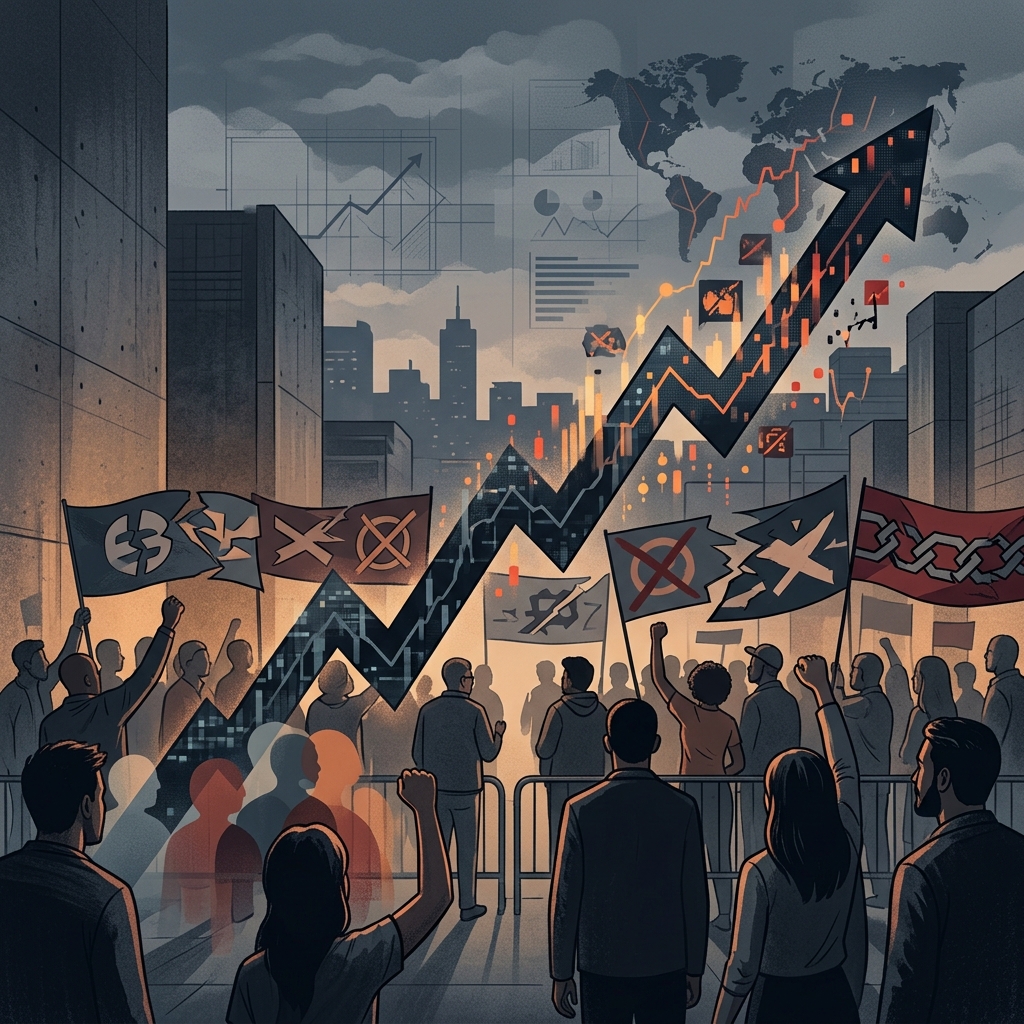
Recent data from the Federal Bureau of Investigation (FBI) and other research organizations show that reported hate crimes in the United States have risen sharply over the last decade, reaching some of the highest levels since national reporting began in the early 1990s. This trend has serious implications for civil rights, public safety, and social cohesion.
This article explains what counts as a hate crime, how the FBI collects and reports data, what the latest numbers reveal about who is most affected, and how law, policy, and community action can respond. It draws on official statistics and credible analyses while remaining accessible to non-specialists.
What Is a Hate Crime?
The United States Department of Justice and the FBI use a specific definition of hate crime. A hate crime is not just a hateful act; it is a criminal offense that is motivated by bias against protected characteristics.
- Race or color
- Ethnicity or ancestry
- Religion
- National origin
- Sexual orientation
- Gender and gender identity
- Disability
Bias must be a motivating factor in the crime. For example, an assault becomes a hate crime when evidence shows the offender targeted the victim because of the victim’s race, religion, or other protected characteristic.
Hate crimes are generally categorized by the FBI as:
- Crimes against persons – such as threats, intimidation, assault, or homicide.
- Crimes against property – such as vandalism, arson, or graffiti targeting places of worship, homes, or businesses.
- Crimes against society – for example, certain offenses involving public order or illegal conduct directed at a community.
Understanding this definition is crucial because it shapes what law enforcement agencies report to the FBI and what appears in national statistics.
How the FBI Collects and Reports Hate Crime Data
National hate crime figures come primarily from the FBI’s Uniform Crime Reporting (UCR) Program and the Hate Crime Statistics Act reporting system. Local, state, tribal, and federal law enforcement agencies voluntarily submit data about hate crime incidents to the FBI, which compiles and publishes annual reports.
Key features of this reporting system include:
- Voluntary participation – Not every law enforcement agency reports, and some report inconsistently from year to year.
- Incident-based data – Agencies report incidents, offenses, victims, and known offenders, as well as the type of bias motivating each offense.
- Annual national summary – The FBI releases a yearly data set that allows researchers, advocates, and policymakers to track trends over time.
On August 5, 2025, the FBI released updated hate crime data showing 11,679 hate crime incidents in 2024, involving more than 14,000 victims. Independent analyses of longer-term trends confirm that these numbers are part of a broader pattern of substantial increase.
Recent Trends: A Long-Term Rise in Hate Crimes
Multiple sources identify a clear upward trend in reported hate crimes over the past decade. The Leadership Conference Education Fund notes that hate crimes have increased by more than 80 percent since 2015, and that 2021 was the highest year on record since the FBI began publishing the data in 1991. USAFacts similarly reports that nationwide, reported hate crimes have roughly doubled from 5,843 in 2015 to 11,679 in 2024.
| Year | Reported incidents (approx.) | Notable context |
|---|---|---|
| 2015 | ≈ 5,800 incidents | Baseline for recent decade-long trend |
| 2021 | Highest year on record since 1991 | Sharp increase amid pandemic and social tensions |
| 2023 | ≈ 11,600 incidents | More than double 2015 levels |
| 2024 | 11,679 incidents | Continued elevated levels of bias-motivated crime |
While the precise year-to-year changes can vary slightly depending on which agencies report and how data are interpreted, the overall trajectory is clear: reported hate crimes are significantly higher than a decade ago.
Who Is Most Targeted? Bias Motivations and Affected Communities
Hate crime statistics not only count incidents but also categorize them by the bias that motivated the crime. Recent data show that most reported hate crimes are driven by bias related to race/ethnicity/ancestry, religion, and sexual orientation.
Major Bias Categories
According to USAFacts and FBI data for 2024:
- Approximately 53% of reported hate crimes were motivated by bias related to race, ethnicity, or ancestry.
- Approximately 25% were motivated by religious bias.
- Approximately 18% were motivated by sexual orientation bias.
- A smaller share involved gender, gender identity, disability, or multiple bias categories.
Within these broad categories, specific communities are disproportionately targeted:
- Anti-Black hate crimes remain the most prevalent, with incidents rising by about 81% between 2015 and 2024.
- Anti-Jewish hate crimes have increased even more sharply, rising 212% over the same period. In religion-based hate crimes, recent FBI data show that about 69% of such incidents target Jews.
- Anti-LGBTQ+ hate crimes, including those targeting gay men, have also grown, with crimes against gay males rising about 68% since 2015.
In addition, the Anti-Defamation League notes record-high numbers of anti-Jewish hate crimes and an increase in anti-LGBTQ+ incidents between 2022 and 2023. These figures underscore that multiple marginalized groups face escalating threats and harassment grounded in prejudice.
Why Are Hate Crimes Rising?
Statistics can show that hate crimes are increasing, but explaining why requires careful interpretation. Researchers and civil rights organizations highlight several contributing factors. While these explanations do not come from a single official source, they are consistent with patterns observed in the data and broader social research.
- Heightened social and political tensions – Polarized political discourse, contentious elections, and debates over immigration, race, and identity can fuel bias and embolden extremists.
- Online radicalization and disinformation – Social media and online platforms can amplify hateful rhetoric, conspiracy theories, and calls to violence, sometimes leading to real-world attacks.
- Improved reporting and awareness – Increased public attention to hate crimes may encourage victims and communities to report incidents that previously went unreported, raising official counts.
- Persistent structural discrimination – Long-standing inequalities and stereotypes shape how individuals perceive and treat members of targeted groups, contributing to a climate in which bias-related violence can occur.
Civil rights advocates emphasize that the rise in reported incidents reflects both real increases in violence and harassment and longstanding underreporting that is gradually being addressed. At the same time, voluntary reporting and inconsistent practices across jurisdictions mean that official data still underestimate the true scope of hate-motivated crime.
Legal Framework: How U.S. Law Addresses Hate Crimes
The United States has a patchwork of federal and state laws that define and punish hate crimes. At the federal level, statutes allow enhanced penalties or separate charges when a crime is motivated by bias and meets certain conditions (for example, involving interstate commerce or federal jurisdiction). Many states also have hate crime laws that address bias-motivated offenses more broadly.
Core aspects of hate crime law include:
- Enhanced penalties – Sentences may be increased when a court finds that bias motivation was present.
- Specific offense definitions – Some statutes define particular hate crime offenses, such as crimes targeting houses of worship.
- Data collection mandates – Federal law requires the collection and publication of hate crime statistics, implemented through the FBI’s reporting systems.
Civil rights organizations argue that while legal tools matter, they are not sufficient on their own. Effective response to hate crimes must also address prevention, victim support, and broader social drivers of bias.
Policy and Advocacy Responses
In light of the documented surge in hate crimes, leading advocacy organizations have proposed multiple strategies to confront what they describe as a “state of hate.” These recommendations combine legal reforms, government action, and changes in private-sector behavior.
Examples of prominent policy directions include:
- Mandating comprehensive data collection – Advocates urge Congress to require law enforcement agencies to collect and report hate crime data consistently, helping close gaps left by voluntary participation.
- Addressing white supremacist violence – Calls for the federal government to confront organized extremist threats without further criminalizing communities of color or religious minorities.
- Regulating online platforms – Recommendations that social media companies invest in de-platforming hate and enforcing policies against incitement and extremist organizing, especially around election cycles.
- Leadership from public officials – Encouraging elected leaders to speak out against hate, condemn bias-motivated attacks, and support affected communities to reduce the social acceptability of prejudice.
These policy approaches aim to address both the immediate harms of hate crimes and the ecosystem of narratives, organizations, and structures that allow bias-motivated violence to flourish.
Community-Level Strategies to Counter Hate Crimes
While law and policy are essential, communities also play a central role in preventing and responding to hate crimes. Effective local strategies generally emphasize collaboration among residents, civil society groups, schools, religious institutions, and law enforcement.
Community-level responses can include:
- Building trust with law enforcement – Encouraging open communication, culturally competent policing, and clear reporting procedures so victims feel safe documenting incidents.
- Education and anti-bias training – Implementing programs in schools, workplaces, and civic organizations that address stereotypes, implicit bias, and the impact of hate.
- Rapid response to incidents – Organizing community vigils, support networks, and legal assistance following hate crimes to show solidarity and deter further attacks.
- Support services for victims – Providing mental health care, legal advocacy, and housing or employment assistance for individuals and communities targeted by hate.
Local efforts can complement national policy by addressing the specific histories and dynamics of bias in particular regions or neighborhoods.
Frequently Asked Questions (FAQs)
Are hate crimes the same as hate speech?
No. Hate crimes involve criminal conduct such as assault, vandalism, threats, or other offenses, and are motivated by bias against protected characteristics. Hate speech, depending on its content and context, may be protected by the First Amendment unless it crosses specific legal thresholds (such as direct incitement to imminent violence). Hate crime laws focus on actions rather than mere expressions of opinion.
Have hate crimes truly increased, or are we just better at counting them?
Both improved reporting and genuine increases in incidents play a role. Official data are limited by voluntary participation, but multiple credible analyses show that reported hate crimes have risen substantially in recent years, with incidents roughly doubling from 2015 to 2024. This suggests that the rise cannot be explained by better data alone.
Which groups are currently most affected by hate crimes?
Recent FBI and USAFacts data indicate that anti-Black, anti-Jewish, and anti-LGBTQ+ hate crimes are particularly prevalent. Race/ethnicity/ancestry is the most common bias category, followed by religion and sexual orientation. Within religion-based hate crimes, a large majority target Jews.
What can ordinary individuals do to help reduce hate crimes?
Individuals can support organizations that document and respond to hate crimes, report incidents when they occur, challenge prejudiced behavior in daily life, and support policies that strengthen civil rights protections. Community engagement, education, and solidarity with targeted groups all contribute to a climate where hate-motivated violence is less tolerated.
Do hate crime laws punish people for their opinions?
Hate crime laws do not criminalize mere opinions or beliefs. They apply when someone commits an underlying crime—such as assault or vandalism—and does so because of bias against protected characteristics. The law targets the combination of criminal conduct and discriminatory motivation, not protected speech alone.
References
- Hate Crime Statistics — U.S. Department of Justice / FBI. 2025-08-05. https://www.justice.gov/hatecrimes/hate-crime-statistics
- Are hate crimes on the rise? — USAFacts. 2025-10-31. https://usafacts.org/articles/which-groups-have-experienced-an-increase-in-hate-crimes/
- Cause for Concern 2024: The State of Hate — The Leadership Conference Education Fund. 2024-03-20. https://civilrights.org/edfund/resource/2024-state-of-hate/
- FBI Sees Upward Trend in Reported Hate Crimes — Statista Chart. 2024-11-12. https://www.statista.com/chart/33302/timeline-of-hate-crime-incidents-reported-to-the-fbi/
- New FBI Data Reflects Record-High Number of Anti-Jewish Hate Crimes — Anti-Defamation League. 2024-10-15. https://www.adl.org/resources/press-release/new-fbi-data-reflects-record-high-number-anti-jewish-hate-crimes
- FBI Data: 69% of religion-based hate crimes targeted Jews — Jewish Federations of North America. 2025-01-23. https://www.jewishfederations.org/blog/all/fbi-data-497668
Similar Articles








Read full bio of medha deb




