
Understanding Marriage License Requirements in the U.S.
Learn how marriage licenses work, who needs them, key requirements, and common rules that apply across U.S. states and counties.
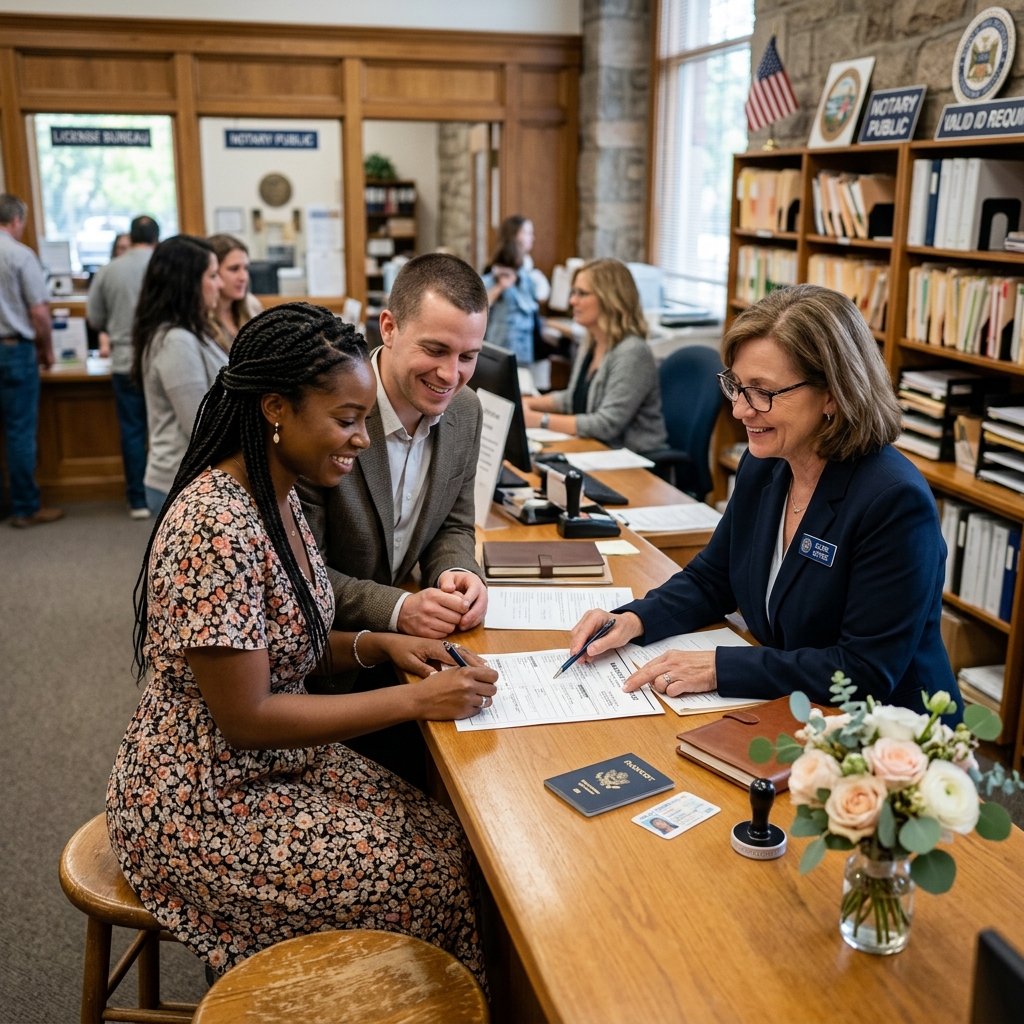
Before a wedding becomes a legally recognized marriage in the United States, most couples must obtain a marriage license from a government authority in the place where the ceremony will occur. This license acts as formal permission to marry and creates a record that can later be used for benefits, name changes, and proof of marital status.
Although specific rules differ by state and even by county, the core process is similar across the country: couples provide identification, confirm eligibility, pay a fee, and follow applicable waiting periods and expiration dates. This guide walks through the main legal requirements and practical steps so you can approach your wedding with confidence about the paperwork.
What a Marriage License Does and Why It Matters
A marriage license is a document issued by a state or local authority that authorizes two people to enter into a legal marriage. In many jurisdictions, a marriage performed without a required license can be legally invalid or void.
Once the ceremony takes place, the officiant and the couple typically sign the license, and it is returned to the issuing authority, which then creates a marriage certificate or official record. That record is used later to demonstrate legal marital status to employers, insurers, immigration authorities, and courts.
- License: Permission to marry, issued before the ceremony.
- Certificate: Proof of marriage, issued after the ceremony and filing.
- Issuing authority: Usually a county clerk, circuit court clerk, or similar local official.
Who Must Obtain a Marriage License?
In the U.S., couples planning a civil or religious ceremony generally must obtain a marriage license from the state or locality where the marriage will be performed. Some jurisdictions outside the U.S. may have different systems, but for domestic weddings, a license is the standard method of recognizing a marriage in law.
Common Situations Requiring a License
- Couples marrying in a courthouse, church, or other venue within a U.S. state.
- Residents marrying in a different county from where they live (they typically must follow rules of the county where the ceremony occurs).
- Non-U.S. citizens who marry in the United States, provided they meet that state’s legal requirements.
Basic Eligibility: Age, Consent, and Capacity
Every state regulates who may marry by law, and these rules are enforced during the license application process.
Minimum Age Requirements
States set a minimum age for marriage and may require additional steps, such as parental consent or court approval, for younger applicants.
- Many states require both parties to be at least 18 years old.
- Some allow younger individuals to marry with parental consent and/or a judge’s approval.
- States may prohibit marriage below certain ages entirely, even with consent.
Free and Informed Consent
Marriage must be voluntary. Each party must personally consent to the marriage and understand they are entering a legally binding relationship.
- Coercion, fraud, or lack of understanding can make a marriage invalid.
- Applicants usually provide signatures affirming that they enter the marriage willingly.
Mental Capacity to Marry
States require that parties have the mental ability to comprehend the nature of marriage, its responsibilities, and its legal consequences.
- Courts may examine capacity in disputes over the validity of a marriage.
- Clerks typically rely on self-reporting and basic identification unless a specific concern arises.
Key Documents and Information You’ll Need
When you apply for a marriage license, you will be asked to present documents that verify your identity, age, and eligibility to marry. These requirements vary slightly by jurisdiction, but several items are common.
Typical Identification Requirements
- Government-issued photo ID such as a driver’s license or state ID card.
- Passport for individuals who are not U.S. residents or lack a state ID.
- Birth certificate or other proof of age in some states.
Additional Information Commonly Requested
- Social Security number for U.S. residents, even if it does not appear on the license itself.
- Current address and place of residence.
- Date and place of any prior spouse’s death, annulment, or divorce.
- Certification that prior marriages are legally terminated (some clerks may request a copy of the divorce decree).
Illustrative Comparison of Documentation
| Type of Document | Purpose | Commonly Required? |
|---|---|---|
| Photo ID (driver’s license, state ID) | Verifies identity and residency | Yes, in most states |
| Birth certificate | Confirms date of birth and age | Often, especially for younger applicants |
| Social Security number | Used for recordkeeping and verification | Frequently requested for U.S. residents |
| Divorce decree or prior marriage details | Shows prior marriage has legally ended | Required if previously married |
Where and How to Apply for a Marriage License
The application process is conducted by a local official, often the county clerk or clerk of the circuit court. You should confirm which office issues licenses in the county or city where you plan to marry.
Appearing in Person
Many jurisdictions require both parties to appear in person at a government building to submit the application, present identification, and pay the fee.
- In-person appearance helps verify identities and obtain signatures on the application.
- Some states permit a proxy application or affidavit if one party cannot attend, subject to strict conditions.
Online or Remote Application Options
In recent years, some counties have introduced online forms to begin the process, though the license itself is usually issued after an in-person or verified interaction.
- Online pre-application can speed the process by collecting basic information in advance.
- You may still need to appear at the clerk’s office to finalize the license and show identification.
Fees, Waiting Periods, and License Expiration
The financial and timing aspects of a marriage license are important for planning your ceremony, especially if you are coordinating venue schedules and travel.
License Fees
Marriage license fees are set at the state or local level and vary widely. They typically fall within a modest range compared with overall wedding expenses.
- Many jurisdictions charge between about $20 and $120 for a license.
- Some states reduce the fee for couples who complete recognized premarital education courses.
- Payment methods and exact rates differ by county, so checking local rules early avoids surprises.
Waiting Period Before the Ceremony
A waiting period is the time that must pass between the issuance of the license and when the couple is allowed to marry. Not all states use waiting periods, but many do, and the duration can vary.
- Some states impose a wait of one to several days after the license is issued.
- Certain jurisdictions let couples waive the waiting period if they meet specified conditions, such as completing a premarital course.
- Couples should avoid scheduling a ceremony during the waiting period to ensure the marriage is valid.
How Long a License Stays Valid
Licenses usually expire if the ceremony does not occur within a defined time frame, such as 30, 60, or 180 days after issuance.
- If the license expires before the wedding, the couple may need to reapply and pay another fee.
- Some states specify the exact time the license becomes effective and when it ceases to be valid.
After the Ceremony: Filing and Obtaining Your Marriage Certificate
Completing the legal process does not end when you say your vows. Your officiant and you must follow the proper procedure to ensure your marriage is officially recorded.
Signing and Returning the License
- After the ceremony, both spouses and the officiant sign the license; some states also require witnesses.
- The officiant or couple then returns the signed license to the issuing authority within the required time.
Obtaining Certified Copies
Once recorded, the clerk or vital records office can issue certified copies of your marriage certificate.
- Certified copies are usually needed for name changes, insurance enrollment, and various legal processes.
- Copies are typically purchased from the same county that issued the license, though state-level indexes may help locate the record if you do not remember where you applied.
Special Rules: Previous Marriages, Residency, and International Marriages
Many couples face additional questions if they have been married before, if they live in one county but marry in another, or if they plan to marry abroad.
If You Were Previously Married
States require that any prior marriage be legally ended before a new license can be issued.
- Applicants may need to provide the date and place of the prior marriage’s end.
- Some clerks ask for copies of divorce decrees or other court documents to confirm eligibility.
Residency and Place of Ceremony
The key factor is usually where the ceremony occurs, not where you live. For example, some states require you to obtain the license in the county where the wedding will be performed, regardless of your residence.
- Residents of one county may need to apply in another county if the ceremony is held there.
- State law and local policies govern exactly which office has authority, so local guidance is essential.
Marrying Outside the United States
Couples planning to marry abroad must comply with the marriage laws of the destination country, which may include different documentation, residency periods, or medical tests.
- Countries may require proof of legal ability to marry (such as evidence that prior marriages have ended).
- Age requirements, parental consent rules, and blood tests can vary with local law.
- Official guidance from the destination country’s civil registry or tourist office, and from U.S. embassies or consulates, can help clarify requirements.
Practical Checklist Before You Apply
To avoid delays and last-minute stress, couples can prepare in advance by gathering documents and confirming local rules.
- Confirm which county or city will host the ceremony.
- Locate the clerk or court office that issues marriage licenses in that jurisdiction.
- Review age, consent, and waiting period rules for that state.
- Gather required identification and proof of prior marriage dissolution, if applicable.
- Check fees, payment methods, and whether premarital education affects costs or waiting periods.
- Plan the timing of the ceremony based on the waiting period and license expiration date.
Frequently Asked Questions About Marriage Licenses
Do we need a marriage license if we only have a religious ceremony?
In most U.S. states, a religious ceremony alone does not create a civil marriage unless a valid license is obtained and properly filed. The marriage license is the mechanism that the state uses to recognize the relationship in law.
What happens if we marry without a required license?
Where a license is required by law, a marriage performed without one can be considered invalid or void. Some jurisdictions may offer legal remedies in specific circumstances, but relying on those after the fact creates uncertainty; obtaining the license ahead of time is the safest approach.
Can one person apply on behalf of the other?
Many states expect both parties to appear together, but some allow a proxy application or affidavit when one person cannot be present, subject to age and other conditions. For example, certain laws permit applications on behalf of active duty military members stationed abroad, under carefully defined rules.
Are blood tests still required for a marriage license?
Historically, some jurisdictions required blood tests, but many states no longer do. Requirements differ by location, and international destinations may still impose medical testing. Couples should check current local law before assuming no tests are necessary.
How far in advance should we apply?
The ideal timing depends on your state’s waiting period and license expiration rules. Applying too early risks the license expiring before the ceremony; applying too late may conflict with waiting periods. Reviewing local timelines first, then scheduling the application for a window that safely covers your ceremony date, is the most reliable strategy.
References
- Marriage License — Various editors, Wikipedia summary of legal concept. 2023-05-01. https://en.wikipedia.org/wiki/Marriage_license
- Getting a Marriage License: 50-State Survey — Justia Family Law Center. 2023-02-10. https://www.justia.com/family/getting-a-marriage-license-50-state-survey/
- Marriage License Information by State — FindLaw Family Law. 2022-11-15. https://www.findlaw.com/family/marriage/marriage-license-information-by-state.html
- Marriage License and Ceremony — Maryland People’s Law Library. 2023-04-20. https://www.peoples-law.org/license-officiation
- Florida Marriage License — StateofFlorida.com informational resource. 2022-08-30. https://www.stateofflorida.com/getting-married-in-florida/
- Marriage Licenses — Texas State Law Library Guide. 2023-01-25. https://guides.sll.texas.gov/marriage-in-texas/marriage-licenses
- Marriage Abroad — U.S. Department of State, Travel.gov. 2023-03-05. https://travel.state.gov/en/international-travel/living-abroad/marriage.html
Similar Articles








Read full bio of Sneha Tete


