
Understanding Mail Theft Laws and Penalties
Learn how U.S. federal and state law define, prosecute, and punish mail theft, and what to do if you are a victim or accused.
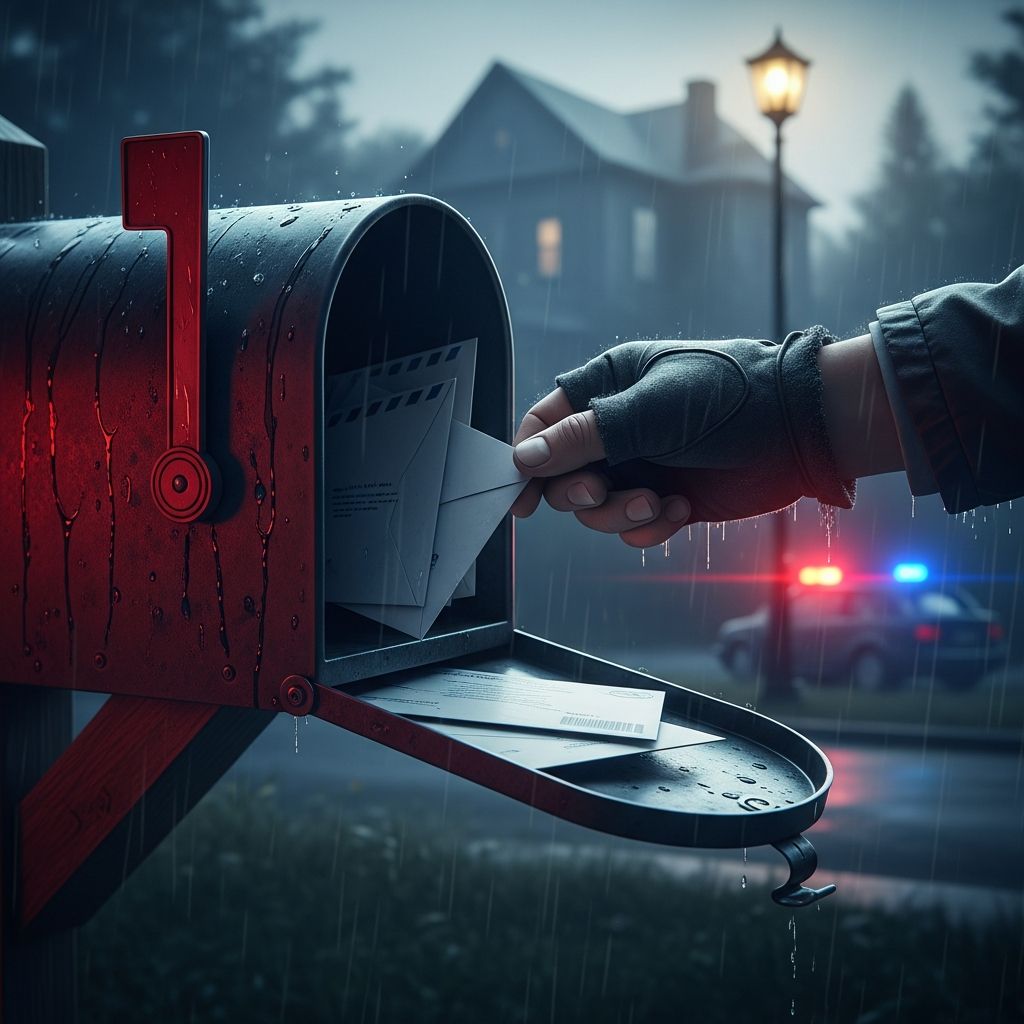
Mail may look ordinary, but under U.S. law it is heavily protected property. Interfering with letters, packages, or other items carried by the United States Postal Service (USPS) can expose you to serious federal and state criminal charges, often with the potential for jail or prison time.
This guide explains how mail theft is defined, how federal and state authorities enforce postal laws, what penalties apply, and what both victims and accused individuals should know about their rights and options.
What Counts as “Mail Theft”?
Under federal law, mail theft is much broader than simply grabbing a package off a porch. The principal federal statute is 18 U.S.C. § 1708, which targets theft or receipt of stolen mail matter.
In general, conduct that can qualify as mail theft includes:
- Stealing letters, postcards, or packages from a mailbox, post office, cluster box, or mailbag
- Taking items from a letter or package, such as checks or gift cards
- Destroying, hiding, or discarding mail addressed to someone else
- Buying, receiving, or possessing mail you know was stolen
- Using deception, fraud, or false pretenses to obtain another person’s mail
Mail theft laws apply to many types of items, including:
- Letters and postcards (personal or business)
- Packages and parcels, including those containing goods or documents
- Mailbags used by carriers or postal inspectors
- Official USPS containers and authorized receptacles
Even if nothing valuable is ultimately taken, the act of unlawfully accessing and interfering with someone else’s mail can itself be a crime.
Federal Postal Crimes: Key Statutes and Concepts
Because USPS is a federal agency, most serious mail theft cases are prosecuted under federal law. Title 18, Chapter 83 of the U.S. Code contains multiple statutes protecting the mail system.
| Statute | Short Description | Maximum Federal Penalty* |
|---|---|---|
| 18 U.S.C. § 1708 | Theft or receipt of stolen mail, including taking, hiding, or possessing mail knowing it is stolen | Up to 5 years in prison and/or fine |
| 18 U.S.C. § 1702 | Obstruction of correspondence (e.g., taking or opening mail before it reaches the addressee) | Generally up to 5 years (similar to 1708) |
| 18 U.S.C. § 1709 | Theft of mail by postal employees | Up to 5 years and/or fine |
| Other misdemeanor postal crimes | Minor interference with mail flow, certain detentions or delays | Lower maximum penalties, typically under 1 year |
*Actual sentence depends on the federal sentencing guidelines, prior record, and case specifics.
18 U.S.C. § 1708: Core Mail Theft Offense
Section 1708 is the primary federal law used in many mail theft prosecutions. A person may violate this statute if they:
- Steal or take mail from an authorized depository, mail carrier, or postal facility
- Remove or abstract items from mail that was not addressed to them
- Secrete, embezzle, or destroy mail or its contents
- Possess, buy, or conceal mail known to be stolen
The statute applies whether or not the thief knows exactly what the mail contains, and regardless of the ultimate value of the items involved.
Other Federal Mail-Related Crimes
Mail theft often overlaps with other federal crimes, such as:
- Mail fraud (18 U.S.C. § 1341), when the mail is used to carry out fraudulent schemes
- Identity theft, when personal data taken from mail is used to open accounts or commit fraud
- Possession of USPS keys or equipment, which can be charged separately in some cases
These additional counts can significantly increase potential punishment if charged and proven.
State Mail Theft Laws and How They Differ from Federal Law
While the USPS and main postal statutes are federal, many states have their own criminal provisions for stealing or tampering with mail. In some jurisdictions, state law explicitly references the federal definition of mail theft.
For example, California Penal Code § 530.5(e) makes mail theft a misdemeanor offense, defining it in terms of the federal statute and punishing it by up to one year in county jail and/or a fine of up to $1,000.
Common features of state mail theft laws include:
- Classifying mail theft as a misdemeanor, with a maximum of one year in local jail
- Alternatively treating it as theft/larceny, with penalties based on the value of stolen items
- Allowing prosecution in addition to, not instead of, federal charges
- Targeting conduct such as breaking into mailboxes or destroying delivered mail
State prosecutors may pursue mail theft when the case is local, involves relatively small amounts, or does not implicate broader federal concerns like large-scale fraud schemes.
Penalties and Sentencing Exposure
Penalties for mail theft vary widely depending on whether the case is prosecuted in state or federal court and whether other related crimes are charged.
Federal Penalties for Mail Theft
Under 18 U.S.C. § 1708, a person convicted of mail theft faces:
- Up to 5 years in federal prison
- Substantial fines, which may reach up to $250,000 in serious cases according to federal practice and related guidance
Penalties can increase significantly if:
- The theft is connected to identity theft or financial fraud
- The crime targets victims of disasters or involves large-scale schemes
- The defendant has a significant prior criminal history under the U.S. Sentencing Guidelines
State-Level Penalties
At the state level, many mail theft cases are punishable as misdemeanors. Using California’s statute as an example:
- Up to one year in county jail
- Up to $1,000 in fines
- Possible probation in lieu of jail, with conditions such as restitution or community service
Other states may classify mail theft as a form of general theft, with penalties driven by the amount stolen or the presence of aggravating factors.
Mail Theft, Identity Theft, and Fraud
Modern mail theft is often linked to identity-related crimes. Bills, bank statements, pre-approved credit offers, and tax documents can all contain sensitive personal information.
Once thieves obtain data like account numbers, Social Security numbers, or dates of birth, they may attempt:
- Opening credit cards or loans using stolen identities
- Intercepting replacement debit or credit cards
- Altering or forging checks
- Changing account addresses to divert future mail
Because of this connection, mail theft is frequently charged alongside identity theft or fraud, both at the state and federal levels. These additional charges can increase exposure to longer terms of imprisonment and restitution orders.
Defenses and Legal Issues in Mail Theft Cases
As with other criminal charges, the prosecution must prove every element of mail theft beyond a reasonable doubt. Several defenses or mitigating arguments may be available, depending on the facts.
Lack of Criminal Intent
Mail theft statutes generally require that the defendant acted knowingly or willfully. Possible arguments include:
- The person believed the mail was theirs or had permission to handle it
- The item was taken or opened by mistake (e.g., similar addresses, mixed-up mail)
- They did not know mail in their possession had been stolen
Mistaken Identity or Insufficient Evidence
In many cases, mail is taken from unsecured locations without clear video or eyewitness evidence. A defense may involve:
- Challenging the reliability of video or surveillance footage
- Questioning witness identifications
- Highlighting gaps in the chain of custody for allegedly stolen items
Constitutional Violations
If law enforcement obtained evidence through an unlawful search or seizure, that evidence may be suppressed. Issues can arise around:
- Searches of homes, vehicles, or electronic devices without valid warrants
- Stops and detentions that lacked reasonable suspicion or probable cause
- Interrogations where Miranda rights were violated
When significant evidence is excluded, prosecutors may reduce or even dismiss charges.
Practical Steps if Your Mail Has Been Stolen
If you suspect you are a victim of mail theft or tampering, quick action can reduce the risk of identity theft and financial loss.
1. Report to the U.S. Postal Inspection Service (USPIS)
The USPIS investigates federal mail crimes. Victims can file a complaint online or at a post office. Federal authorities may coordinate with local police when necessary.
2. Contact Local Law Enforcement
If property was stolen or vandalism occurred (for example, a broken mailbox), contact your local police department to file a report. This documentation can be helpful for insurance claims and credit disputes.
3. Protect Your Identity and Finances
- Monitor bank and credit card accounts for unauthorized transactions
- Consider placing a fraud alert or credit freeze with the major credit bureaus
- Check your credit reports for new, unfamiliar accounts
- Alert your bank or card issuer if checks or cards were in the stolen mail
4. Improve Mail Security Going Forward
- Use a locked mailbox or USPS-approved cluster box
- Avoid leaving mail in your box overnight or for extended periods
- Have trusted neighbors collect mail when you travel
- Consider using USPS hold-mail services when away
What to Do if You Are Accused or Under Investigation
Being questioned about mail theft or learning that you are under investigation can be intimidating. Because mail crimes may involve both federal and state agencies, the stakes can be high.
Key steps typically include:
- Exercise your right to remain silent until you have spoken with a lawyer
- Seek advice from an attorney experienced in federal or state criminal defense, depending on the case
- Do not destroy or hide potential evidence, including mail or devices
- Gather any documentation that may support your explanation (e.g., permission to access someone’s mail, proof of residence)
A defense lawyer can evaluate whether the alleged conduct actually falls within the definition of mail theft, identify weaknesses in the evidence, and negotiate with prosecutors where appropriate.
Frequently Asked Questions (FAQs)
Q1: Is taking misdelivered mail off my porch a crime?
If you simply move misdelivered mail to keep it safe or return it to USPS, that is not typically considered theft. But intentionally keeping, opening, or destroying mail you know belongs to someone else can violate federal or state laws protecting the mail.
Q2: Can I be charged with mail theft if I only opened someone else’s letter?
Yes. Interfering with another person’s mail by opening or obstructing it before delivery to the addressee can fall under federal obstruction or theft statutes, even if you do not permanently keep the contents.
Q3: Are all mail theft cases federal?
No. Many smaller or local incidents are handled under state law, sometimes as misdemeanors. Federal charges are more likely when the conduct is part of a larger scheme, involves identity theft, or substantially affects the integrity of the postal system.
Q4: What is the maximum punishment for federal mail theft?
Under 18 U.S.C. § 1708, the maximum penalty for mail theft is up to 5 years in federal prison and a fine, which can be substantial. Related offenses like mail fraud or identity theft can increase exposure beyond this baseline.
Q5: Is it still mail theft if the item is delivered by a private carrier instead of USPS?
Traditional federal mail theft statutes specifically protect USPS mail. However, stealing packages delivered by private carriers may still be charged as theft or burglary under state law and, in some cases, may implicate other federal statutes depending on the conduct involved.
References
- 18 U.S. Code § 1708 – Theft or receipt of stolen mail matter generally — Legal Information Institute, Cornell Law School. 2019-04-16. https://www.law.cornell.edu/uscode/text/18/1708
- “Mail Theft” Charges in California – Penal Code § 530.5(e) PC — Shouse Law Group. 2023-07-10. https://www.shouselaw.com/ca/defense/penal-code/530e/
- California Penal Code Section 530.5(e) PC: Mail Theft — Los Angeles Criminal Lawyer. 2023-03-15. https://www.losangelescriminallawyer.pro/california-penal-code-section-530-5-e-pc-mail-theft.html
- Is Mail Theft a Federal Crime? — Patituce & Associates, LLC. 2024-02-05. https://www.patitucelaw.com/blog/2024/february/is-mail-theft-a-federal-crime-/
- What Is Mail Tampering and Is It a Crime? — Experian. 2022-11-15. https://www.experian.com/blogs/ask-experian/what-is-mail-tampering/
- Criminal Resource Manual 1468: Misdemeanor Postal Crimes — U.S. Department of Justice. 2008-03-20. https://www.justice.gov/archives/jm/criminal-resource-manual-1468-misdemeanor-postal-crimes
Similar Articles








Read full bio of medha deb




