
Understanding Layaway Plans and Your Legal Rights
Learn how layaway plans work, what protections the law offers, and how to avoid costly surprises when paying for purchases over time.
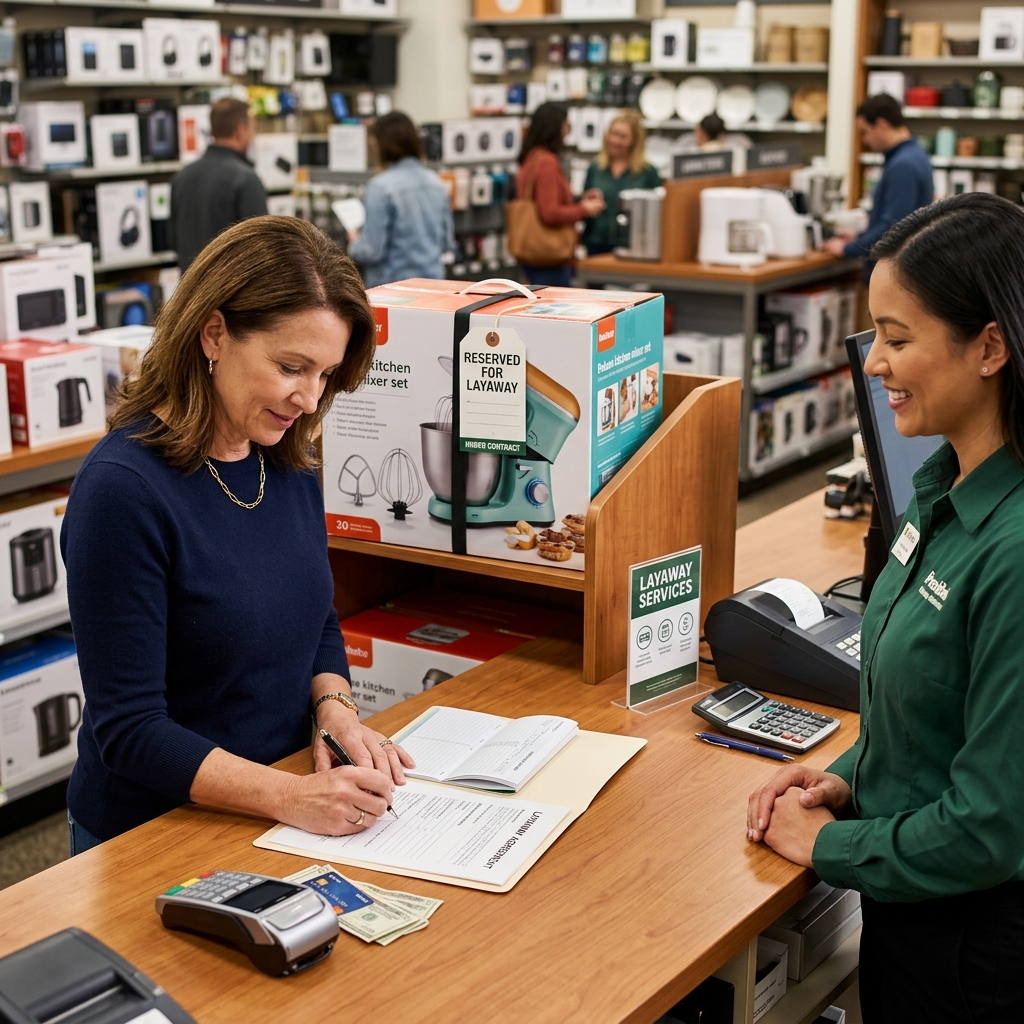
Layaway plans offer a way to buy items over time without using credit, but they also involve legal obligations and important consumer protections that you need to understand before signing up.
What Is a Layaway Plan?
A layaway plan is a purchasing arrangement where you pay for products in installments while the retailer holds the merchandise until you have paid the full price.
Instead of taking the item home immediately, you make a down payment and agree to a payment schedule. Once the total amount (including any permitted fees) is paid, you receive the item.
- No immediate possession: The store keeps the item until it is paid in full.
- Installment payments: You pay over time, usually on a weekly or monthly schedule.
- Often no interest: Traditional layaway usually does not charge interest like a credit card or loan, though service or cancellation fees may apply.
Key Features of Layaway Agreements
Layaway is a contract between you and the retailer, which means the terms are legally enforceable once you agree to them.
| Feature | Typical Details |
|---|---|
| Deposit / Down Payment | Percentage of the purchase price or a fixed amount paid upfront to reserve the item. |
| Payment Schedule | Regular payments (weekly, biweekly, or monthly) until the item is paid in full. |
| Fees | Service fees, cancellation fees, or restocking fees may be charged; details must be disclosed. |
| Cancellation Rules | Policies on late payments, missed payments, or voluntary cancellation, including whether you get a refund or store credit. |
| Refund Policy | Some stores refund all payments, some keep a fee, others provide only store credit; this varies by retailer and state law. |
How Layaway Differs from Credit and Other Payment Options
Layaway is one of several options for paying over time. Understanding how it compares to credit cards and “buy now, pay later” agreements can help you choose the safest and most cost-effective method.
| Payment Method | When You Get the Item | Interest / Finance Charges | Key Risk |
|---|---|---|---|
| Layaway | After you pay the full amount. | Typically no interest; possible service/cancellation fees. | Losing the item or part of payments if you cancel or miss payments, depending on the policy. |
| Credit Card | Immediately at purchase. | Interest charged on unpaid balances; possible late fees. | Debt accumulation and damage to credit if payments are missed. |
| Buy Now, Pay Later | Usually immediately. | May be interest-free for short terms but can include late fees and other charges. | Limited dispute protections and potential for heavy fees on missed payments. |
Federal Legal Protections for Layaway Customers
There is no single federal statute that exclusively governs layaway plans, but several federal laws help protect consumers from unfair or deceptive practices.
Federal Trade Commission Act
The Federal Trade Commission Act (FTC Act) makes unfair or deceptive acts or practices in commerce illegal.
- Retailers must clearly disclose significant terms, such as cancellation fees, service charges, or limitations on refunds.
- Misleading advertising or failure to explain important conditions can be considered deceptive, and the business may face enforcement actions.
Truth in Lending and Related Laws
Layaway plans generally do not involve credit, so many lending laws do not apply. However, when a layaway arrangement functions like credit or is combined with financing, disclosure requirements from laws such as the Truth in Lending Act may become relevant.
Even when formal lending rules do not apply, businesses are expected to provide clear, written descriptions of total costs and payment obligations.
State-Level Consumer Protection and Specific Layaway Regulations
States often have their own consumer protection laws and, in some cases, specific rules for layaway agreements.
- General consumer protection laws: Most states prohibit unfair or deceptive trade practices, similar to the FTC Act, and may offer additional remedies.
- Written agreement requirements: Some states require layaway contracts to be in writing and to include specific disclosures (for example, total price, timing of payments, and refund policy).
- Fee limitations: State law may restrict the amount or type of fees a retailer can charge if you cancel or default.
Because these rules vary widely, checking with your state attorney general or local consumer protection agency is essential to understanding your rights in a particular state.
Essential Contract Terms to Review Before You Sign
Before entering a layaway plan, carefully review the contract or written policy. This is your best protection against unexpected charges or the loss of your payments.
Payment Timeline and Minimum Amounts
- How long you have to complete payments.
- Minimum payment amounts and due dates.
- Whether there is a grace period for late payments before the contract is canceled.
Fees and Penalties
- Service fees for using the layaway program.
- Cancellation fees if you decide not to buy the item.
- Penalties if you miss payments or fail to complete the plan.
Refund and Store Credit Policies
- Whether you receive a full refund of payments if the contract is canceled.
- Whether some fees are non-refundable.
- Whether you receive store credit instead of cash and under what conditions.
Your Rights When a Layaway Plan Goes Wrong
Problems can arise if the store cancels a layaway contract, sells the item to someone else, changes terms mid-way, or refuses to honor promised refunds. Understanding your options can help you respond effectively.
Gather Documentation
Start by collecting all records related to the transaction:
- Receipts for deposits and payments.
- Written contracts or policies, including printed or emailed copies.
- Any promotional materials that describe the layaway offer.
- Emails, text messages, or other communications with the store.
Contact the Retailer
Many issues can be resolved by speaking to a store manager or customer service department. Clearly explain the problem and reference the contract language or written policy.
Seek Help from Agencies
If you cannot resolve the dispute directly, you may be able to get assistance from:
- Your state attorney general’s office, which often handles consumer complaints and can investigate unfair practices.
- Local or state consumer protection agencies, which may offer mediation or guidance.
- The Federal Trade Commission, which collects reports of fraud or deceptive practices and may take enforcement action in broader cases.
Legal Advice
In more serious cases—such as large financial losses or repeated misconduct—a consumer law attorney can help you review your options, including potential refunds, damages, or other remedies.
Practical Tips for Using Layaway Safely
Layaway can be useful when you want to avoid credit or secure an item before it sells out, but it is only beneficial when you are protected by clear terms and honest practices.
- Compare total costs: Look at fees, not just the price of the item. In some cases, using layaway for a low-cost item may not be worth the added charges.
- Get everything in writing: Ask for a printed or electronic copy of the layaway policy and keep it with your receipts.
- Check the store’s reputation: Search for complaints through consumer agencies or the Better Business Bureau before committing.
- Set reminders for payments: Missing deadlines may lead to cancellation and loss of some payments; use calendar alerts or automatic payments where available.
- Understand what happens if the item’s price changes: Clarify whether you are locked into the original price or subject to adjustments.
- Plan for emergencies: If you anticipate financial uncertainty, choose layaway plans with more flexible cancellation or refund terms.
Frequently Asked Questions About Layaway and the Law
1. Is layaway regulated by a specific federal law?
No. Layaway plans are not governed by a single, dedicated federal statute, but businesses offering layaway must still comply with general federal laws against unfair or deceptive practices, particularly the FTC Act.
2. Do all states treat layaway plans the same way?
No. State laws vary significantly. Some states have detailed rules on layaway agreements, while others rely mainly on general consumer protection statutes. Always check with your state attorney general or consumer protection agency for local guidance.
3. Can a store keep my money if I cancel my layaway?
It depends on the contract and applicable state law. Some retailers offer full refunds, others deduct a service or cancellation fee, and some may provide only store credit. The policy should be disclosed in writing before you sign up.
4. What if the store cancels my layaway without my consent?
Unexpected cancellation may violate the contract or consumer protection laws, particularly if the store fails to honor written terms or misrepresents its policy. Document what happened and contact the store, then consider filing a complaint with state or federal agencies if the problem is not resolved.
5. Does layaway affect my credit score?
Traditional layaway plans generally do not involve credit reporting, so they usually do not impact your credit score directly. However, if a layaway arrangement is combined with a credit product, missed payments could have consequences similar to other credit obligations.
6. How can I tell if a layaway offer is deceptive?
Warning signs include vague or missing written policies, undisclosed fees that appear later, pressure to sign up quickly without explanations, and promises that contradict the written agreement. Such conduct may violate federal and state laws prohibiting deceptive practices.
References
- Layaway Plans and the Law — FindLaw. 2023-05-01. https://www.findlaw.com/consumer/consumer-transactions/layaway-plans-and-the-law.html
- Layaway: Another Way to Buy — Federal Trade Commission (via GovInfo). 2012-10-01. https://www.govinfo.gov/content/pkg/GOVPUB-FT-PURL-gpo17850/pdf/GOVPUB-FT-PURL-gpo17850.pdf
- Layaway Plan — Washington State Office of the Attorney General. 2019-07-01. https://www.atg.wa.gov/layaway-plan
- Buy Now, Pay Later, Rent-to-Own, Lease-to-Own, and Layaway — Federal Trade Commission. 2022-09-01. https://consumer.ftc.gov/articles/buy-now-pay-later-rent-own-lease-own-and-layaway
- Understanding Layaway Plans: Benefits, History, and Available Options — Investopedia. 2023-03-15. https://www.investopedia.com/terms/l/layaway.asp
Similar Articles








Read full bio of medha deb


