
Understanding Labor Strikes: Rights, Risks, and Legal Boundaries
A plain-language guide to how labor strikes work, what the law protects, and what workers and employers should know before a walkout begins.
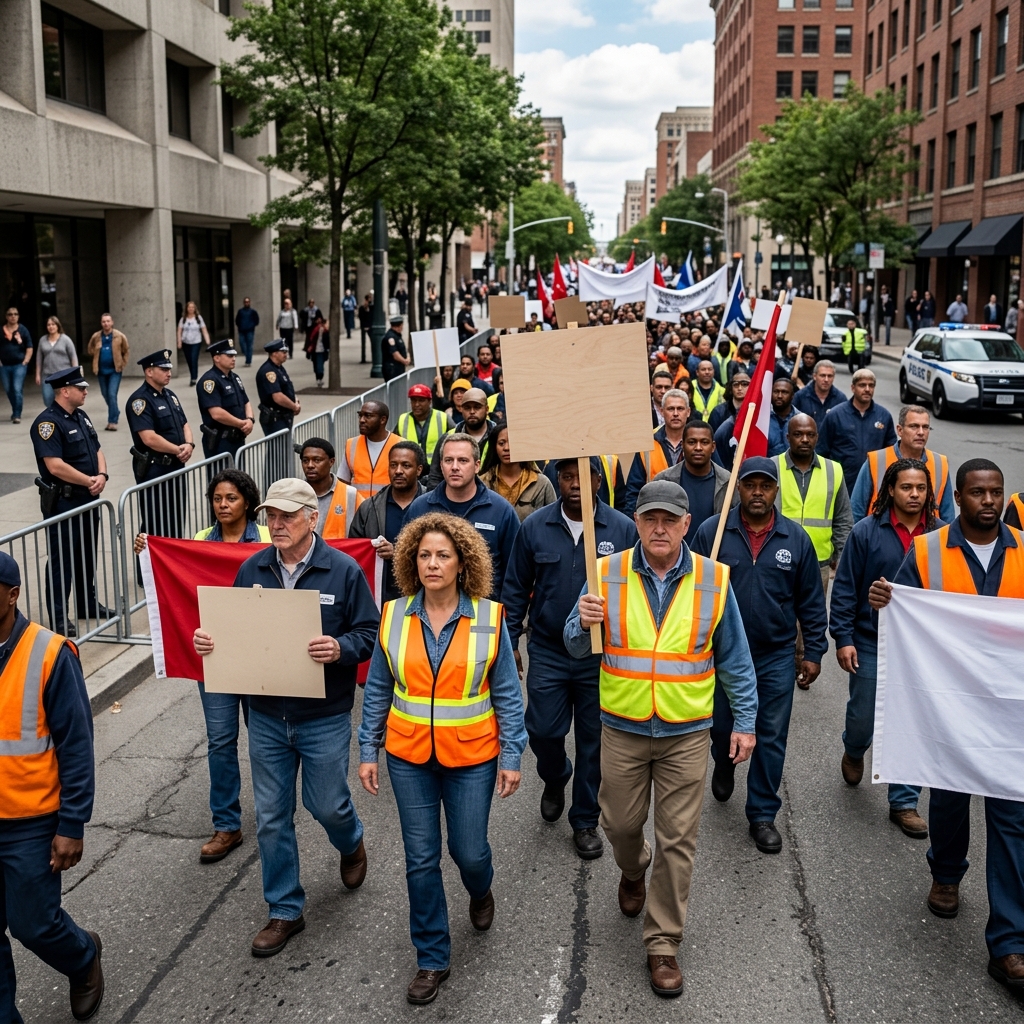
Labor strikes are one of the most powerful tools workers have when negotiations with employers break down, but they also carry serious legal and economic consequences. This guide explains what a strike is, when it is lawful, how the law protects (and limits) striking workers, and what both employees and employers should consider before, during, and after a walkout.
What Is a Labor Strike?
A labor strike is a coordinated stoppage or slowdown of work by a group of employees designed to put pressure on an employer during a labor dispute. In most cases, workers refuse to perform some or all of their usual duties to push for changes such as higher wages, safer working conditions, or resolution of alleged legal violations by the employer.
- Collective action: Strikes are rarely individual acts; they are organized, concerted actions by multiple employees acting together.
- Labor dispute context: Strikes typically arise during collective bargaining, contract negotiations, or when workers believe the employer has violated labor laws.
- Goal-oriented: The objective is to influence the employer to accept specific demands or correct alleged misconduct.
Under U.S. federal labor law, most private-sector employees have a statutory right to engage in strikes as part of “concerted activities” for mutual aid or collective bargaining. However, that right is subject to important exceptions, especially for certain kinds of workers and certain types of strikes.
Legal Foundations of the Right to Strike
In the United States, the primary source of the right to strike for private-sector workers is the National Labor Relations Act (NLRA). Section 7 of the NLRA protects employees who act together for collective bargaining or other mutual aid, and the National Labor Relations Board (NLRB) recognizes strikes as one of these protected concerted activities.
However, Section 7’s protection is not absolute. Other sections of the NLRA and court decisions impose limits on when a strike is lawful and how it may be conducted.
Protected vs. Unprotected Strikes
For private-sector employees covered by the NLRA, a strike may be either protected or unprotected:
- Protected strikes: Workers generally may not be fired simply for participating, though they can be replaced in some circumstances.
- Unprotected strikes: If the strike violates the law or a binding contract, participants may be disciplined or discharged.
Protection often depends on the purpose of the strike, its timing, and the conduct of the strikers.
Types of Strikes: Economic vs. Unfair Labor Practice
U.S. labor law draws a critical distinction between economic strikes and unfair labor practice strikes. This distinction affects whether workers can be permanently replaced and what happens when the strike ends.
| Type of Strike | Main Purpose | Job Protection | Replacement Rules |
|---|---|---|---|
| Economic strike | Pressure employer for better pay, benefits, or working conditions. | Employees generally retain status as employees, but with weaker reinstatement rights. | Employer may hire bona fide permanent replacements; strikers may not automatically get their jobs back. |
| Unfair labor practice strike | Protest alleged violations of labor law, such as refusal to bargain in good faith or retaliation against union activity. | Strikers cannot be lawfully discharged or permanently replaced for striking. | When the strike ends, strikers are generally entitled to reinstatement even if replacement workers must be dismissed. |
Economic Strikes Explained
In an economic strike, workers focus primarily on improving the economic terms of their employment. This can include demands for higher wages, better benefits, or safer physical working conditions.
- Workers cannot usually be fired solely for joining a protected economic strike, but employers may lawfully hire permanent replacements during the dispute.
- When the strike ends, economic strikers may have to wait for vacancies before being rehired if their positions were permanently filled.
- Economic strikes must still comply with contract obligations, such as any valid no-strike clauses negotiated in a collective bargaining agreement.
Unfair Labor Practice Strikes Explained
An unfair labor practice (ULP) strike is triggered by alleged violations of the NLRA—for example, an employer refusing to bargain in good faith, interfering with union activities, or retaliating against employees for protected concerted actions.
- Employees who strike over unfair labor practices generally have stronger rights to return to work when the strike ends.
- They may not be permanently replaced for exercising their legal right to protest unlawful conduct.
- Even if temporary employees were hired during the strike, those workers can be discharged to restore ULP strikers to their positions.
Because the classification of a strike as economic or ULP deeply affects workers’ long-term job prospects, unions and workers often seek legal advice before calling a strike.
When a Strike May Be Unlawful
Not every work stoppage is protected. Some strikes may be unlawful due to their object, timing, or methods, exposing participants to discipline or discharge.
Strikes Unlawful Because of Their Purpose
A strike may be unlawful if it is aimed at an illegal objective or violates specific statutory restrictions. Examples include:
- Secondary strikes: Actions directed at a neutral company to pressure that company to stop doing business with the primary employer may be restricted under the NLRA.
- Certain public-sector strikes: Many state laws prohibit strikes by public-sector workers, and federal employees who participate in strikes against the U.S. government may risk losing their jobs under federal statute.[10]
- Strikes violating a no-strike clause: If there is a valid contractual promise not to strike, walking out in violation of that promise can be unprotected and lead to discipline.
Strikes Unlawful Because of Misconduct
Even a strike that is otherwise lawful can become unprotected if workers engage in serious misconduct. The NLRB and courts have held that strikers who commit certain acts may be refused reinstatement.
- Violence or threats of violence: Physical attacks, property destruction, or credible threats can disqualify workers from reinstatement.
- Sit-down strikes: Occupying the employer’s premises and refusing to work, rather than leaving the workplace, has been found to be unprotected.
- Intermittent strikes: Repeated short walkouts based on a plan to strike, return, and strike again have generally not been protected under existing NLRB decisions.
- Failure to protect employer property: Strikers who do not take reasonable precautions to prevent foreseeable serious harm to the employer’s property at the moment of work stoppage may lose protection.
Because misconduct can change a worker’s legal status even in a ULP strike, unions often train members on proper picket-line behavior and emphasize nonviolent, lawful protest.
Who Has the Right to Strike?
Whether workers have a legal right to strike depends on their sector, job, and applicable laws.
Private-Sector Employees
Most private-sector employees in the U.S. are covered by the NLRA and enjoy a qualified right to strike.
- They may strike to improve wages, benefits, or working conditions, or to protest unfair labor practices.
- Protection can be lost if the strike violates contractual obligations or statutory limits, or involves serious misconduct.
Public-Sector Employees
Public-sector workers face a very different legal framework.
- There is no comprehensive federal law granting all public employees a right to strike.
- Many states prohibit strikes by certain public workers, such as teachers, police, or other essential personnel.[10]
- Federal employees are specifically restricted from striking against their federal employer, and participation can be grounds for removal from federal employment.[10]
Because the rules vary widely across jurisdictions, public employees should review state statutes and regulations or consult counsel before participating in any strike action.
What Happens to Pay and Benefits During a Strike?
One of the most immediate impacts of a strike is the loss of regular pay. Strikers generally do not receive wages from their employer for the time they are not working.
- No employer pay: Employers are not required to pay wages to employees who withhold their labor during a strike.
- Union strike funds: Many unions maintain strike funds that provide limited financial support to members who participate in strike-related activities, such as picketing.
- Long-term economic impact: Lost wages during a strike are often not fully recovered, even if the eventual contract includes pay increases.
Benefits such as health insurance or retirement contributions may also be affected, depending on the terms of the collective bargaining agreement and applicable laws. Workers are often advised to review how a strike may impact their benefits before voting to authorize or join one.
Employer Responses to Strikes
Employers have several legal options when faced with a strike, particularly an economic strike, but their actions are constrained by labor law.
- Hiring replacements: In economic strikes, employers may hire permanent or temporary replacements to continue operations, though they may have fewer options in ULP strikes.
- Continuing bargaining: Employers are expected to continue bargaining in good faith with the union, even during a strike, especially if they are covered by the NLRA.
- Limiting misconduct: Employers may seek legal injunctions or NLRB intervention if picketing becomes violent or involves mass blockades or other unlawful conduct.
Employers who retaliate against workers for protected strike activity, or who refuse to reinstate ULP strikers, may face unfair labor practice charges.
Strategic Considerations Before Calling or Joining a Strike
Strikes can be powerful, but they are also risky. Workers and unions typically consider multiple factors before deciding to walk out.
- Legal classification: Will the strike likely be considered economic or an unfair labor practice strike? The answer affects reinstatement rights.
- Contract obligations: Does the current collective bargaining agreement contain a no-strike clause or other limitations?
- Economic readiness: Can workers afford the loss of income and possible interruption of benefits during the strike period?
- Public support: Will the community and customers support the strike, or will public opinion work against workers’ goals?
- Duration and leverage: How long can the strike realistically be sustained, and what leverage does it create at the bargaining table?
Employers likewise weigh operational, legal, and reputational risks, often planning for continuity of services, communication with customers, and ongoing negotiations.
Frequently Asked Questions About Labor Strikes
Can I be fired for going on strike?
In most private-sector situations, you cannot be lawfully fired just for participating in a protected strike. However, you may be permanently replaced in an economic strike, and you can be disciplined or discharged if the strike is unlawful or if you engage in serious misconduct such as violence or threats.
Will I get paid while I am on strike?
Your employer generally does not have to pay you while you are on strike. Some unions provide strike pay from union funds, but this is generally lower than regular wages and subject to eligibility rules and participation requirements.
What happens to my job when the strike ends?
If the strike is an unfair labor practice strike, you normally have a strong right to return to your position, even if replacements must be dismissed. In an economic strike, your right to return may depend on whether your employer hired permanent replacements; if so, you may have to wait for openings before being reinstated.
Is picketing the same as striking?
Picketing involves employees and supporters gathering near the workplace, often with signs, to inform the public about the dispute and encourage support. Striking refers specifically to withholding labor. Both activities are subject to legal rules regarding purpose, timing, and conduct, and picketing can be restricted if it involves unlawful objectives or serious misconduct.
Do public employees have the same right to strike as private-sector workers?
No. Public-sector workers operate under different laws. Many states restrict or prohibit strikes by public employees, and federal employees may lose their positions if they participate in strikes against the federal government.[10]
Should I talk to a lawyer before joining a strike?
Because the legal consequences of striking can be significant—and because the rules differ for economic versus ULP strikes, private versus public employees, and union versus non-union workplaces—seeking legal advice is often a prudent step. An employment or labor attorney can help assess whether a strike is likely to be protected and what risks you may face.
References
- The Right to Strike — National Labor Relations Board. 2023-06-01. https://www.nlrb.gov/strikes
- NLRA and the Right to Strike — National Labor Relations Board. 2023-06-01. https://www.nlrb.gov/news-outreach/fact-sheets/nlra-and-right-strike
- Labor Strikes & Workers’ Legal Rights — Justia Employment Law Center. 2022-04-15. https://www.justia.com/employment/unions/strikes/
- Employee Rights to Strike and Picket — CalChamber HRCalifornia. 2021-10-10. https://hrcalifornia.calchamber.com/hr-library/unions/employee-rights-to-strike-and-picket
- Current Labor Law Doesn’t Adequately Protect Workers’ Fundamental Right to Strike — Economic Policy Institute. 2024-02-15. https://www.epi.org/publication/271500-workers-went-on-strike-in-2024-current-labor-law-doesnt-adequately-protect-workers-fundamental-right-to-strike/
- Strike FAQs for Supervisors/Managers — Cornell University, Working at Cornell. 2023-03-20. https://hr.cornell.edu/strike-faqs-supervisorsmanagers
- The Right to Strike and its Possible Conflict with Other Fundamental Rights of the People in the United States — George Washington University Law School. 2010-01-01. https://scholarship.law.gwu.edu/faculty_publications/1532/
Similar Articles








Read full bio of medha deb




