
Understanding Indiana Resisting Law Enforcement Charges
A detailed guide to Indiana’s resisting law enforcement statute, penalties, defenses, and practical steps to protect your rights.
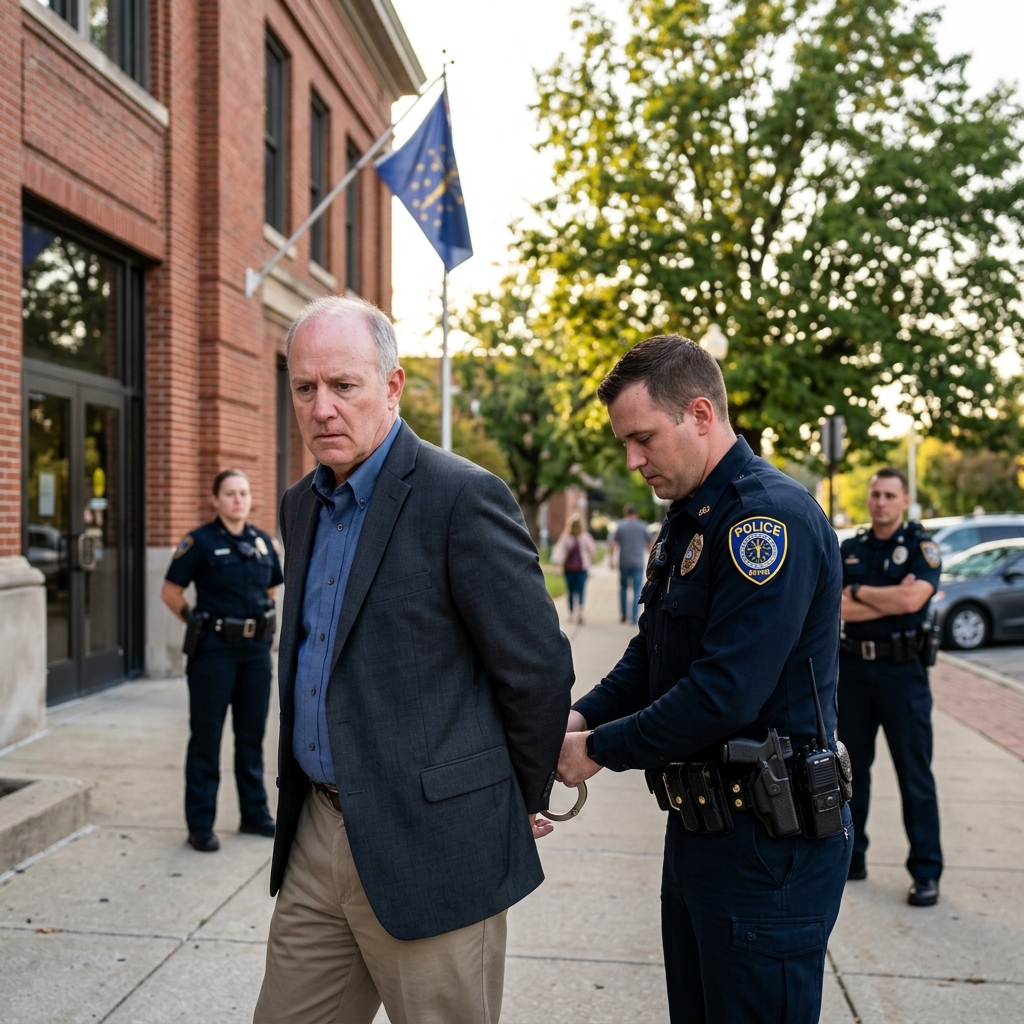
Indiana’s law on resisting law enforcement (often called “resisting arrest”) covers far more than physically fighting with a police officer. It reaches a broad range of conduct, from fleeing after an officer orders you to stop to interfering with the service of a court order. Because these charges can escalate from a misdemeanor to serious felony levels, anyone living, working, or traveling in Indiana should understand what the law prohibits, what penalties apply, and how to protect their rights.
Overview of Indiana’s Resisting Law Enforcement Statute
The core rules for resisting law enforcement in Indiana appear in Indiana Code § 35-44.1-3-1, which is part of the criminal law chapter on detention and public administration. The statute defines several ways a person can commit the offense and sets out different levels of punishment depending on how serious the conduct and its consequences are.
At its most basic level, the statute makes it a crime to knowingly or intentionally:
- Forcibly resist, obstruct, or interfere with a law enforcement officer who is lawfully performing official duties.
- Forcibly resist, obstruct, or interfere with the service or execution of a civil or criminal process or court order.
- Flee from a law enforcement officer after the officer has clearly identified themselves and ordered the person to stop, using visible or audible signals such as sirens or emergency lights.
When none of the aggravating factors (such as vehicles, weapons, or serious injury) are present, the offense is classified as a Class A misdemeanor in Indiana.
Key Legal Terms and What They Mean in Practice
Understanding the specific terms used in the statute can help you recognize when behavior may cross the line into illegal conduct. Courts and legal practitioners have provided guidance on how these concepts are applied in real cases.
“Knowingly or Intentionally”
The statute does not punish purely accidental behavior. To be guilty of resisting law enforcement, a person must act knowingly or intentionally, meaning they are aware of their conduct and they either intend the act or know that it is practically certain to occur.
- Accidental stumbling or brief confusion during an arrest typically does not satisfy this requirement.
- Deliberately pulling away from an officer or running after being ordered to stop is more likely to be treated as knowing or intentional resistance.
“Forcibly Resists, Obstructs, or Interferes”
“Force” does not have to mean punching or kicking. Courts have found that even relatively modest physical actions that hinder or slow down an officer can qualify as forcible resistance.
Examples courts and attorneys often cite include:
- Jerking or tensing your arms to prevent handcuffing.
- Twisting your body or leaning away when being placed in a squad car.
- Pushing or brushing against an officer in a way that interferes with their ability to carry out lawful duties.
By contrast, verbal actions alone—such as asking why you are being arrested or denying wrongdoing—are generally not enough for a resisting charge if they are not combined with physical conduct.
“Fleeing from a Law Enforcement Officer”
Fleeing means more than simply walking away. A person typically flees when they run, drive off, or otherwise attempt to escape after an officer has clearly ordered them to stop. Under Indiana law, fleeing can occur:
- On foot, such as sprinting away during a street encounter.
- In a vehicle, for example by speeding away after an officer activates lights and sirens.
The seriousness of the charge often increases when vehicles are involved, especially if the driver creates a risk of injury or causes actual harm.
Misdemeanor vs. Felony: How Charges Are Classified
Indiana treats most resisting law enforcement cases as misdemeanors, but specific aggravating circumstances can turn the offense into a felony, carrying longer prison exposure and higher fines.
Class A Misdemeanor Resisting Law Enforcement
A person generally commits a Class A misdemeanor if they resist by force, obstruct an officer, interfere with the service of a court order, or flee after an officer has clearly identified themselves, without any additional aggravating factors like vehicles, weapons, injury, or death.
Under Indiana’s sentencing framework, a Class A misdemeanor can be punished by:
- Up to 365 days in jail (one year).
- A fine of up to $5,000.
Interfering with Public Safety: Class B Misdemeanor
Indiana law also includes a related offense known as interfering with public safety. A person commits this crime if, after being denied entry by a firefighter, emergency medical services provider, or law enforcement officer, they knowingly or intentionally enter an area marked off with barrier tape or other physical barriers.
When no further aggravating circumstances exist, this is a Class B misdemeanor, which is less serious than the resisting offense but still criminal.
Felony Resisting Law Enforcement
The resisting law enforcement statute allows charges to be elevated to felonies when certain dangerous or harmful conduct occurs. Common triggers include the use of vehicles, deadly weapons, or the causing of bodily injury.
| Felony Level (Example) | Aggravating Conduct |
|---|---|
| Level 6 Felony | Using a vehicle to flee; drawing or using a deadly weapon; causing bodily injury; operating a vehicle in a way that creates a substantial risk of injury; or repeating resisting offenses with prior convictions. |
| Level 5 Felony | Operating a vehicle while resisting in a manner that causes serious bodily injury to another person. |
| Level 3 Felony | Operating a vehicle while resisting in a way that causes the death of another person. |
| Level 2 Felony | Causing the death of a law enforcement officer in the course of resisting by vehicle while the officer is performing official duties. |
Felony convictions typically carry longer prison ranges and higher fines than misdemeanors, along with more severe long-term consequences, such as restrictions on firearm possession and employment limitations.
Common Scenarios That Can Lead to Charges
Because the statute is broad, people sometimes find themselves charged with resisting law enforcement in situations they did not expect to be criminal. Here are examples of how charges often arise, based on legal practice and case discussions.
- Physical struggle during arrest: Pulling away from handcuffs, stiffening arms, or pushing an officer while being taken into custody.
- Vehicle flight after a traffic stop: Speeding away after an officer activates emergency lights and issues a clear order to stop.
- Interfering with a court process: Blocking officers from serving a warrant, restraining order, or other official court document.
- Entering a restricted emergency area: Walking through barrier tape at a fire scene or accident site after being told not to enter.
Importantly, the legality of the officer’s actions can matter—for example, probable cause and lawful authority are central issues in many fleeing and resisting cases.
Potential Consequences Beyond Jail and Fines
Even when a resisting law enforcement case results in a misdemeanor conviction, the effects can reach far beyond the immediate sentence. Lawyers frequently emphasize that a criminal record for resisting can impact multiple aspects of life.
- Employment: Some employers view resisting charges as indicators of conflict with law enforcement or reliability issues, potentially limiting job opportunities.
- Housing: Landlords often run background checks and may deny applications based on criminal records.
- Professional licensing: Certain professions, such as healthcare or security, may scrutinize resisting convictions during licensing or renewal.
- Gun rights: Felony convictions can restrict or eliminate the legal ability to possess firearms.
- Immigration and travel: Non-citizens may encounter immigration consequences from criminal convictions, including resisting law enforcement.
Defenses and Legal Issues in Resisting Law Enforcement Cases
Although the statute is broad, not every encounter with law enforcement qualifies as resisting. Several legal issues commonly arise in defending these cases.
Lack of Force or Physical Resistance
One recurring question is whether the defendant’s actions included enough physical force to qualify as “forcible” resistance. Courts have indicated that mere verbal protests or passive noncooperation often do not meet the threshold for forcible conduct.
Defense attorneys may argue:
- The client’s actions were primarily verbal and did not physically interfere with the officer.
- Any physical movements were incidental or reflexive, not intended to resist.
Lawful Authority and Probable Cause
For fleeing and certain resisting charges, the law generally presumes that the officer is acting within their lawful authority. However, challenges can sometimes be raised based on whether the officer had proper legal justification, such as probable cause or reasonable suspicion.
- If the initial stop or arrest was unlawful, aspects of the resisting case may be contested.
- Evidence may be suppressed if obtained through unconstitutional methods.
Intent and State of Mind
Because the statute requires knowing or intentional conduct, misunderstandings, confusion, or medical issues may be relevant to a defense. For example:
- A person experiencing a medical emergency or mental health crisis might not fully understand officers’ commands.
- Language barriers or hearing difficulties can affect whether a person knowingly disobeyed an order.
Practical Tips If You Are Accused of Resisting
Legal practitioners often stress the importance of what you say—and what you avoid saying—if you are accused of resisting law enforcement. Certain statements can help preserve your rights, while others can unintentionally strengthen the case against you.
Helpful Statements
- Invoke your right to remain silent: You may tell officers that you wish to remain silent until you consult an attorney.
- Request a lawyer: Clearly asking for legal counsel can help protect your rights during questioning.
- Clarify your intentions: Calmly stating that you are trying to comply and not resisting may help create a record of cooperation.
Statements to Avoid
- Arguing loudly while physically struggling, such as shouting “I’m not resisting” while pulling away from officers.
- Making detailed explanations without a lawyer present, which may later be used against you.
- Challenging the officer’s authority on the spot instead of raising legal arguments later in court.
Frequently Asked Questions (FAQs)
Is resisting law enforcement always a felony in Indiana?
No. Most resisting law enforcement cases start as Class A misdemeanors. They become felonies only when specific aggravating factors are present, such as vehicle flight, use of a deadly weapon, or causing injury or death.
Can I be charged with resisting law enforcement just for asking questions?
Generally, no. Indiana courts have recognized that verbal disagreement, questions, or statements like “Why am I being arrested?” do not, by themselves, amount to forcible resistance. Physical conduct that interferes with officers is usually required.
What if I accidentally pulled away because I was startled?
Accidental, reflexive movements may not satisfy the requirement that the conduct be knowing or intentional. However, the circumstances will be closely examined, and officers may interpret actions differently, so it is important to discuss the details with a qualified attorney.
Does entering a taped-off emergency area count as resisting?
Entering a restricted emergency area after being denied entry by emergency personnel is usually charged as interfering with public safety, a related offense under the same statute. This is typically a Class B misdemeanor but can be enhanced in certain situations.
Should I talk to police if I think I’m being wrongly accused of resisting?
Legal experts generally advise that you calmly assert your intention to cooperate, request an attorney, and avoid detailed explanations until you have legal representation. Statements made in the heat of the moment can later be used against you.
When to Seek Legal Help
Because resisting law enforcement charges can involve complex questions about force, intent, and police authority, consulting a criminal defense lawyer familiar with Indiana law is crucial. Attorneys can review evidence, examine whether officers acted within legal bounds, and advise on possible defenses or plea options.
If you are charged, try to:
- Document your recollection of events as soon as possible.
- Preserve any video, photographs, or witness contact information.
- Avoid discussing the incident on social media or with others who may be called as witnesses.
References
- Indiana Code § 35-44.1-3-1. Resisting Law Enforcement; Interfering With Public Safety — Indiana General Assembly / Justia. 2025-01-01. https://law.justia.com/codes/indiana/title-35/article-44-1/chapter-3/section-35-44-1-3-1/
- Indiana Code Title 35. Criminal Law and Procedure § 35-44.1-3-1 — FindLaw. 2024-01-01. https://codes.findlaw.com/in/title-35-criminal-law-and-procedure/in-code-sect-35-44-1-3-1/
- Resisting Law Enforcement in Indiana — Keffer Hirschauer LLP. 2023-06-15. https://www.indyjustice.com/blog/resisting-law-enforcement-indiana/
- Resisting Law Enforcement — DefendIndy (Indianapolis Attorneys). 2022-11-10. https://defendindy.com/practice-areas/resisting-law-enforcement/
- What Does It Mean to Resist Law Enforcement in Indiana? — Marc Lopez Law Firm. 2023-04-05. https://marclopezlaw.com/what-does-it-mean-to-resist-law-enforcement-in-indiana/
- What To Say (and Not Say) if You’re Accused of Resisting Arrest in Indiana — Myers Law. 2025-08-01. https://www.myers-law.com/blog/2025/08/what-to-say-and-not-say-if-youre-accused-of-resisting-arrest-in-indiana/
Similar Articles








Read full bio of medha deb




