
Understanding Illinois Sexual Assault and Abuse Laws
A clear, practical overview of how Illinois defines and penalizes sexual assault, aggravated assault, and criminal sexual abuse.
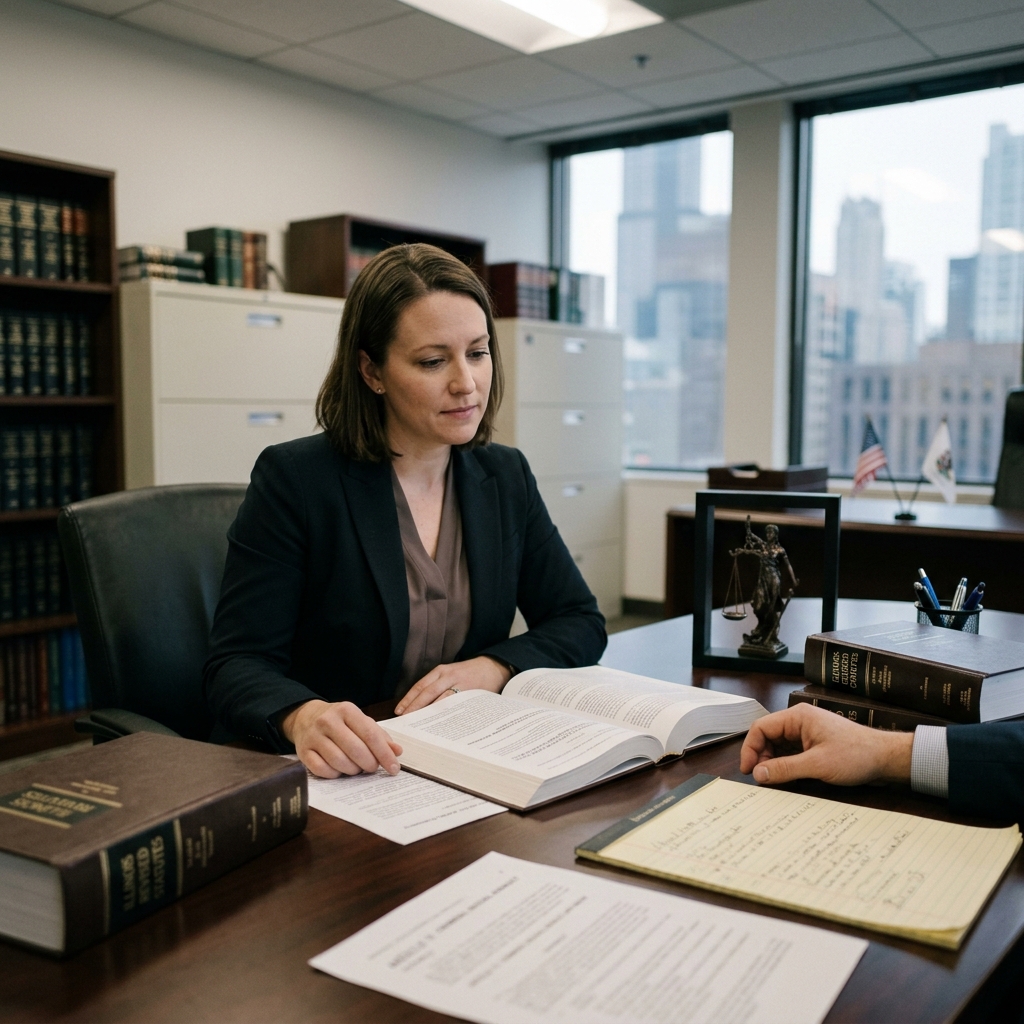
Illinois has detailed criminal statutes that govern sexual assault, aggravated sexual assault, and criminal sexual abuse. These laws define what conduct is illegal, how consent is treated, how age differences matter, and what penalties apply when someone is convicted. This guide explains those rules in plain language to help residents, students, and professionals understand the legal framework and know what options may be available if a sexual offense occurs.
1. Overview of Sexual Offense Categories in Illinois
Illinois law separates sexual offenses into several main categories, each with its own definition and penalty range. The most commonly discussed include:
- Criminal sexual assault – sexual penetration under specific illegal circumstances, such as force, lack of consent, or abuse of a position of authority.
- Aggravated criminal sexual assault – criminal sexual assault with additional aggravating factors, such as using a weapon, causing serious bodily harm, or involving very young or vulnerable victims.
- Criminal sexual abuse – sexual conduct (not necessarily penetration) under coercive or non-consensual circumstances, or involving certain age combinations.
Understanding which category applies in a particular situation requires careful attention to the type of act involved, the presence or absence of consent, and the ages and relationship of the people involved.
2. Key Legal Concepts: Sexual Penetration, Sexual Conduct, and Consent
Illinois statutes use specific terms to describe sexual acts and the conditions under which they become crimes. Three concepts appear throughout the law: sexual penetration, sexual conduct, and consent.
2.1 Sexual Penetration
Sexual penetration is the core element of criminal sexual assault. While the statute provides detailed wording, the general idea is that any intrusion, however slight, of a sex organ or other part of the body into another person’s sex organ, mouth, or anus can qualify as sexual penetration. This is broader than just intercourse and is meant to cover a range of invasive sexual acts.
2.2 Sexual Conduct
Sexual conduct usually refers to intentional touching or fondling of sexual or intimate parts for sexual gratification. It can be either directly on the body or through clothing. Sexual conduct is central to the definition of criminal sexual abuse, where penetration is not required for a crime to occur.
2.3 Consent and Capacity to Consent
Illinois law makes clear that sexual acts are criminal when they occur without valid consent. Someone does not have the capacity to give consent when they:
- Cannot understand the nature of the act due to a cognitive disability or impairment.
- Are unconscious, asleep, or otherwise unable to communicate consent.
- Have been drugged or intoxicated to the point they cannot make knowing decisions.
In addition, certain age and relationship situations are treated as inherently non-consensual. For example, acts involving an adult in a position of trust or authority and a minor under their supervision are considered criminal even if the minor appears to agree.
3. Criminal Sexual Assault in Illinois
The offense called criminal sexual assault focuses on sexual penetration under circumstances considered exploitative, coercive, or non-consensual. It is one of the most serious sex crimes under Illinois law.
3.1 Core Definition
Under Illinois law, a person commits criminal sexual assault when they engage in sexual penetration and at least one of the following conditions is present:
- The person uses force or threat of force to commit the act.
- The person knows the victim is unable to understand the nature of the act or is unable to give knowing consent.
- The person is a family member of the victim who is under 18 years old.
- The person is at least 17 years old, holds a position of trust, authority, or supervision, and the victim is at least 13 but under 18 years old.
These conditions reflect both physical coercion (force) and non-physical exploitation, such as abusing family ties or professional authority.
3.2 Typical Penalties
Illinois classifies criminal sexual assault as a Class 1 felony in most cases. According to compiled information on Illinois sex crime penalties, a Class 1 felony generally carries a prison term of approximately 4 to 15 years, along with fines. Courts may also impose probation in some circumstances, although that option disappears when aggravating factors elevate the offense to aggravated criminal sexual assault.
Beyond prison and fines, individuals convicted of criminal sexual assault must comply with sex offender registration requirements, which can continue long after release from incarceration.
4. Aggravated Criminal Sexual Assault
Aggravated criminal sexual assault is criminal sexual assault with added elements that make the conduct more dangerous, harmful, or exploitative. The presence of these factors significantly increases the potential sentence.
4.1 Aggravating Circumstances
Illinois law lists multiple aggravating circumstances that can raise criminal sexual assault to the aggravated level. Common examples include:
- Use of a dangerous weapon, such as a knife or firearm.
- Causing bodily harm to the victim.
- Threatening the victim’s life or the life of another person.
- Committing the assault during the commission of another felony (for example, during a burglary or kidnapping).
- The victim having a physical disability or particular vulnerability.
- Drugging the victim with a controlled substance to facilitate the assault.
- Being armed with or discharging a firearm during the assault.
These factors are meant to capture situations where the victim faces heightened risk or the offender demonstrates exceptionally serious misconduct.
4.2 Penalty Structure for Aggravated Sexual Assault
Under Illinois Compiled Statutes 720 ILCS 5/11-1.30, a person convicted of aggravated criminal sexual assault is guilty of a Class X felony. Class X felonies are among the most serious offenses in Illinois and carry mandatory prison time.
| Offense Type | Felony Class | Approximate Prison Range | Probation Eligibility |
|---|---|---|---|
| Criminal sexual assault | Class 1 felony | 4–15 years (general range) | Possible, depending on circumstances |
| Aggravated criminal sexual assault | Class X felony | 6–30 years for a first conviction | Not probationable (mandatory prison) |
For more serious aggravators, additional years may be added. For example, using or displaying a firearm during the assault can lead to 15 extra years up to life imprisonment. A second or subsequent conviction for aggravated criminal sexual assault can result in a sentence of natural life without the possibility of probation.
Anyone convicted of aggravated criminal sexual assault must register as a sex offender and is typically classified as a sexual predator, which involves lifetime annual registration.
5. Criminal Sexual Abuse: Conduct-Based and Age-Based Offenses
Criminal sexual abuse covers situations where there is sexual conduct or penetration, but the circumstances do not meet the threshold for criminal sexual assault, or involve specific age-based rules. The statute is designed to address coercive or exploitative behavior that may not include full penetration or involves younger teens and children.
5.1 Force, Threats, and Lack of Consent
One part of the criminal sexual abuse statute focuses on the use of force or the victim’s inability to consent in relation to acts of sexual conduct. A person commits criminal sexual abuse when they:
- Engage in sexual conduct using force or threat of force; or
- Engage in sexual conduct knowing the victim is unable to understand the nature of the act or to give knowing consent.
In these cases, the offense is generally a Class 4 felony, with higher felony classes for repeat offenders.
5.2 Age-Based Criminal Sexual Abuse
Another part of the law defines criminal sexual abuse based on the ages of the people involved, even where there may be no physical force. Examples include:
- An individual under 17 committing sexual penetration or conduct with a victim who is at least 9 but under 17.
- Sexual penetration or conduct involving a victim who is at least 13 but under 17, where the other person is less than five years older.
These provisions reflect the state’s interest in regulating sexual activity involving minors and close age peers, recognizing that young people may be vulnerable to pressure or exploitation. Violations of the age-based subsections are typically treated as Class A misdemeanors, but can carry serious long-term consequences.
5.3 Sentencing Framework for Criminal Sexual Abuse
Illinois law provides a tiered sentencing structure for criminal sexual abuse:
- Violations of the age-based subsections (such as certain teen relationships) are usually Class A misdemeanors.
- Violations involving force, threats, or lack of capacity to consent are Class 4 felonies.
- A second or subsequent conviction under the force-based subsections can be elevated to a Class 2 felony.
As with other sex offenses, prior convictions under similar statutes in Illinois or other states can affect how a new offense is classified and sentenced.
6. Collateral Consequences and Registration Requirements
Beyond prison and fines, sexual offense convictions in Illinois can trigger long-term obligations and consequences, especially around registration and public records.
- Individuals convicted of criminal sexual assault or aggravated criminal sexual assault must register on the Illinois Sex Offender Registry after release.
- People designated as sexual predators, such as those convicted of aggravated criminal sexual assault, must register annually for life.
- Registration can affect employment, housing, and community life, as information is often accessible to the public.
Because these collateral consequences can last far longer than any prison term, they are a major part of the overall impact of a sexual offense conviction.
7. Victim Rights, Support, and Reporting Options
Illinois pairs its criminal statutes with resources designed to support victims of sexual assault and abuse. The Office of the Illinois Attorney General and statewide coalitions work to ensure survivors can access legal protections and services.
7.1 Support Services and Programs
The Illinois Attorney General’s Office describes multiple programs aimed at protecting the rights and safety of individuals affected by sexual violence, regardless of gender. These efforts often include:
- Information on how to report sexual assault to law enforcement.
- Connections to local rape crisis centers and advocacy organizations.
- Guidance on seeking protective orders or other legal remedies.
- Support navigating the criminal justice process.
7.2 Legal and Medical Steps After an Assault
Victims have several possible avenues after an incident of sexual assault or abuse, including:
- Seeking immediate medical care to address injuries, obtain emergency contraception, and preserve evidence.
- Contacting law enforcement to file a report and initiate an investigation.
- Reaching out to a victim advocate or legal aid organization for information on rights and options.
- Exploring civil remedies, such as personal injury lawsuits, in addition to the criminal case.
While reporting is a personal decision, understanding the legal definitions and penalties can help survivors and supporters make informed choices about next steps.
8. Practical FAQs About Illinois Sexual Assault Laws
The following frequently asked questions offer quick, practical clarifications about how Illinois sexual assault statutes work.
FAQ 1: Is consent a defense if the victim is under 18?
Not always. Illinois law treats certain situations as non-consensual by definition, especially when the person is a family member or in a position of authority and the victim is under 18. In these cases, even if the minor appears to agree, the law may still consider the conduct criminal.
FAQ 2: What is the difference between criminal sexual assault and criminal sexual abuse?
Criminal sexual assault generally involves sexual penetration and more severe circumstances, such as force or abuse of a position of trust. Criminal sexual abuse often involves sexual conduct rather than penetration, or focuses on specific age-based situations and less severe but still non-consensual acts.
FAQ 3: Do all aggravated sexual assault convictions require prison time?
Yes. Aggravated criminal sexual assault is a Class X felony, and Class X felonies are not probationable. That means a person convicted of aggravated criminal sexual assault must serve a prison sentence; courts cannot replace it with probation.
FAQ 4: Can a prior conviction from another state affect sentencing in Illinois?
Yes. The criminal sexual abuse statute, for example, states that prior convictions under similar statutes in Illinois or any other state can make a new offense count as a second or subsequent conviction, which can lead to harsher penalties.
FAQ 5: Where can victims find reliable legal information and support?
Victims can consult the Illinois Attorney General’s resources on responding to sexual assault and statewide organizations like the Illinois Coalition Against Sexual Assault for information on legal rights and available services. These sources provide up-to-date information, referrals, and practical assistance.
References
- Sex Crimes: Definitions and Penalties – Illinois — RAINN. 2023-06-01. https://apps.rainn.org/policy/policy-crime-definitions.cfm?state=Illinois&group=3
- Aggravating Factors for Criminal Sexual Assault in Illinois — Dolci & Weiland. 2022-05-10. https://www.dolciandweiland.com/criminal-defense/sex-crimes/sexual-assault/
- Illinois Definitions of Sexual Assault, Stalking, Domestic Violence — DePaul University / Illinois Statutes Summary (PDF). 2019-08-15. https://offices.depaul.edu/student-affairs/title-ix/Documents/Illinois-Law-Definitions.pdf
- Sexual Assault – State & Federal Definitions — University of Illinois Chicago. 2021-09-01. https://sexualmisconduct.uic.edu/policy/state-federal-definitions/sexual-assault/
- 5/11-1.50. Criminal Sexual Abuse — WomensLaw.org / Illinois Statutes. 2020-01-01. https://www.womenslaw.org/laws/il/statutes/511-150-criminal-sexual-abuse
- Responding to Sexual Assault — Illinois Attorney General. 2022-11-01. https://illinoisattorneygeneral.gov/safer-communities/Responding-to-Sexual-Assault/
- Illinois Criminal Statutes – Sexual Violence — Illinois Coalition Against Sexual Assault (ICASA). 2021-04-01. https://icasa.org/legal-issues/illinois-criminal-statutes
Similar Articles








Read full bio of medha deb




