
Understanding Illegal Ammunition in the U.S.
A comprehensive guide to banned and restricted ammunition types across federal and state laws.
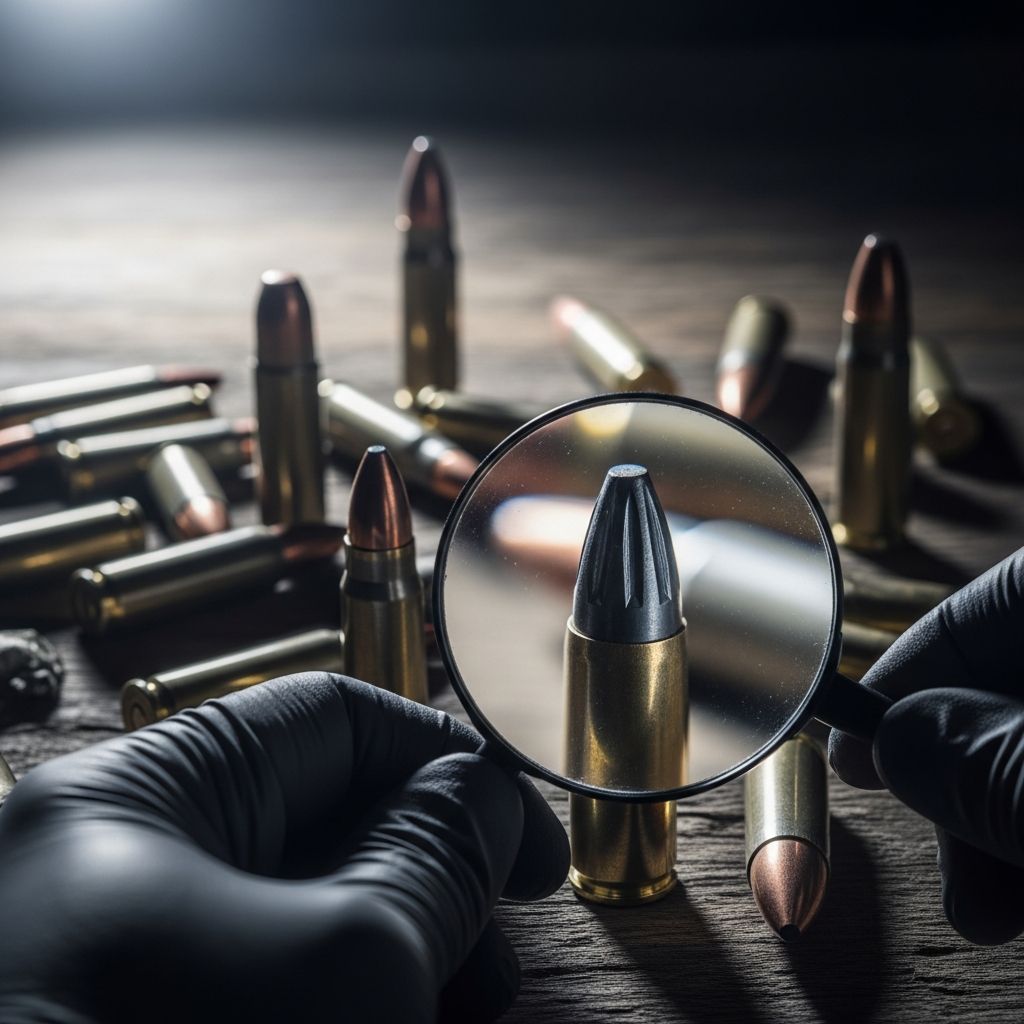
What Makes Ammunition Illegal in the United States?
In the United States, not all bullets are treated equally under the law. While most common handgun and rifle rounds are legal for civilian ownership and use, certain types of ammunition are either fully banned or heavily restricted at the federal level and by individual states. These restrictions are based on public safety concerns, law enforcement needs, and the potential for misuse in violent crime.
Understanding which types of ammunition are illegal is essential for responsible gun owners, hunters, and anyone involved in firearm-related activities. Violating these laws can result in serious criminal penalties, including fines, loss of firearms rights, and imprisonment. This guide breaks down the major categories of prohibited and restricted ammunition, how federal and state laws interact, and what gun owners need to know to stay compliant.
Federal Restrictions on Ammunition
At the national level, the Bureau of Alcohol, Tobacco, Firearms and Explosives (ATF) enforces federal firearms and ammunition laws. The primary federal statute governing illegal ammunition is the Gun Control Act of 1968, as amended, particularly provisions related to armor-piercing handgun ammunition.
Armor-Piercing Handgun Ammunition
The most clearly defined type of illegal ammunition under federal law is armor-piercing handgun ammunition. Under 18 U.S.C. § 921(a)(17)(B), armor-piercing handgun ammunition is defined as any projectile or projectile core that is constructed entirely (excluding traces of other substances) from:
- Tungsten alloys
- Steel
- Iron
- Brass
- Bronze
- Beryllium copper
- Depleted uranium
These materials are specifically prohibited in handgun ammunition because they are capable of penetrating body armor worn by law enforcement officers. The law does not ban armor-piercing ammunition for rifles or shotguns in the same way, though some states have closed that gap with their own restrictions.
Manufacturing, importing, selling, or delivering armor-piercing handgun ammunition is illegal for civilians. Limited exceptions exist for law enforcement, military, and certain industrial uses, but these are tightly regulated.
Explosive and Incendiary Ammunition
Federal law also restricts ammunition that is designed to explode or ignite upon impact. While not always outright banned for all civilian use, explosive and incendiary rounds are treated as destructive devices or regulated under explosives laws in many cases.
- Explosive ammunition contains a charge designed to detonate on impact, potentially causing fragmentation or blast effects.
- Incendiary ammunition is designed to ignite flammable materials, such as tracer rounds used in military applications.
Civilian possession of these types of rounds is highly restricted and often requires special federal licensing. In practice, most standard commercial incendiary or tracer rounds are not intended for general civilian use and are subject to strict controls.
High-Capacity Magazines
While not a type of bullet, high-capacity magazines are a key component of ammunition systems that are restricted or banned in several jurisdictions. Federal law does not currently ban high-capacity magazines nationwide, but some states do.
For example:
- California restricts magazines that hold more than 10 rounds.
- New York and several other states have similar limits on magazine capacity.
These restrictions apply to the magazine itself, not the ammunition, but they effectively limit how much ammunition can be carried in a firearm at one time.
State-Level Bans and Restrictions
State laws on ammunition can be more restrictive than federal law, and they vary widely from state to state. Some states adopt federal standards, while others go further by banning additional types of ammunition or imposing licensing requirements for purchase.
California: One of the Strictest Regimes
California has some of the most comprehensive ammunition regulations in the country. In addition to following federal armor-piercing rules, California prohibits:
- Armor-piercing handgun ammunition
- Tracer rounds for handguns
- Incendiary ammunition
- Flechette darts and bullets containing or carrying an explosive agent
The state also requires background checks for ammunition purchases and maintains a database of buyers. These rules are partly driven by concerns about wildfires, as incendiary or tracer rounds can pose a fire hazard in dry conditions.
Connecticut and Maryland: Detailed Material Restrictions
States like Connecticut and Maryland have adopted federal armor-piercing definitions and added their own layers of regulation. Connecticut, for example, bans incendiary .50 caliber bullets and defines restricted bullet materials in detail, including tungsten alloys, steel, iron, brass, bronze, beryllium copper, and depleted uranium.
Similarly, Maryland prohibits:
- Armor-piercing ammunition
- Explosive or incendiary ammunition
- Ammunition with bullets made entirely of certain hard metals
These laws reflect a focus on preventing the use of ammunition that could defeat law enforcement body armor or cause excessive damage.
Massachusetts: Licensing and Broad Bans
Massachusetts takes a particularly strict approach. To possess or purchase handgun ammunition, a person must have a valid Firearm Identification (FID) card or License to Carry (LTC). The state also bans:
- Armor-piercing ammunition
- Tracer ammunition
- Incendiary ammunition
- Explosive ammunition
- Highly frangible bullets (in some interpretations)
This combination of licensing and broad ammunition bans makes Massachusetts one of the most restrictive states for civilian ammunition ownership.
States with Minimal Restrictions
Not all states impose additional ammunition bans beyond federal law. States like Idaho and Vermont generally do not have state-level restrictions on the sale or possession of most types of ammunition, though federal rules on armor-piercing handgun rounds still apply.
In these states, civilians can legally purchase and possess most common types of ammunition, including many rifle and shotgun rounds that might be restricted elsewhere, as long as they comply with federal law and age requirements.
Specific Types of Banned or Restricted Ammunition
Beyond general categories like armor-piercing and incendiary rounds, several specific types of ammunition are either banned or heavily restricted in various jurisdictions.
Armor-Piercing and “Cop-Killer” Bullets
Armor-piercing handgun ammunition is often referred to in public discourse as “cop-killer” bullets due to its ability to penetrate body armor. Federal law specifically targets these rounds for handguns, recognizing that they pose a unique threat to law enforcement.
Key characteristics of banned armor-piercing handgun ammunition:
- Core made entirely of hard metals (steel, tungsten, etc.)
- Designed for use in handguns (not rifles or shotguns under federal law)
- Prohibited from civilian manufacture, sale, and distribution
Some states extend this ban to rifle ammunition with similar characteristics, effectively closing the so-called “rifle loophole” in federal law.
Incendiary and Tracer Rounds
Incendiary and tracer ammunition are designed to ignite or burn on impact. While tracer rounds are commonly used in military and some target shooting contexts, their civilian use is limited.
Restrictions include:
- Prohibition on incendiary handgun ammunition in states like California and Massachusetts
- Tracer rounds for handguns banned in California
- General restrictions on incendiary devices under explosives laws
These rounds are often regulated not just as ammunition but as explosive or incendiary devices, subjecting them to additional federal and state controls.
Explosive and Frangible Ammunition
Explosive ammunition, which contains a charge designed to detonate, is treated as a destructive device under federal law in many cases. Civilian possession typically requires special licensing and is rare outside of military, law enforcement, or industrial applications.
Frangible ammunition, designed to disintegrate on impact, is generally legal but may be restricted in some states if it is classified as “highly frangible” or used in ways that could be considered dangerous. Massachusetts, for example, has language that can be interpreted to restrict certain frangible rounds.
Flechette and Specialty Shotgun Shells
Some specialty shotgun ammunition is restricted or banned in certain states. Flechette rounds, which fire small dart-like projectiles, are prohibited in California and restricted in other states due to their potential for excessive penetration and collateral damage.
Other restricted shotgun shells include:
- Dragon’s breath (pyrotechnic rounds that produce a flame effect)
- Bolo shells (two or more slugs connected by wire)
- Exploding or incendiary shotgun shells
These rounds are often marketed as novelty or self-defense items but are treated as dangerous devices under state law in many jurisdictions.
Age and Licensing Requirements
In addition to restrictions on specific types of ammunition, federal and state laws impose age and licensing requirements for purchasing and possessing ammunition.
Federal Age Limits
Federal law sets minimum ages for ammunition purchases:
- Handgun ammunition: Must be at least 21 years old to purchase
- Rifle and shotgun ammunition: Minimum age is 18
These rules apply nationwide and are enforced through background check systems and retailer compliance.
State Licensing and Background Checks
Some states require additional licensing to purchase ammunition. For example:
- California requires a background check and record of purchase for all ammunition sales
- Massachusetts requires a valid FID card or LTC to buy handgun ammunition
- Connecticut and other states have similar licensing and background check requirements
These systems are designed to ensure that only legally eligible individuals can obtain ammunition, reducing the risk of diversion to criminals or prohibited persons.
Common Misconceptions About Illegal Ammunition
There are several widespread misconceptions about what types of ammunition are illegal, which can lead to unintentional violations.
“All Armor-Piercing Ammo Is Illegal”
Many people believe that all armor-piercing ammunition is banned for civilians, but federal law specifically targets armor-piercing handgun ammunition. Armor-piercing rifle rounds are not banned under the same federal provision, though some states have closed this gap with their own laws.
“Tracer Rounds Are Always Illegal”
Tracer rounds are not universally illegal, but their use is heavily restricted. In many states, tracer rounds for handguns are banned, and their use in dry, fire-prone areas may be prohibited due to wildfire risks. Rifle tracers are more commonly available but still subject to state and local regulations.
“High-Capacity Magazines Are Illegal Everywhere”
High-capacity magazines are not banned nationwide. Federal law does not currently prohibit magazines that hold more than 10 or 15 rounds, though several states do. Gun owners must be aware of their state’s specific rules on magazine capacity, as these can vary significantly.
Penalties for Possessing Illegal Ammunition
Violating federal or state ammunition laws can result in serious criminal consequences. Penalties depend on the type of ammunition, the jurisdiction, and whether the offense is a first-time or repeat violation.
Federal Penalties
Under federal law, unlawful possession, sale, or manufacture of armor-piercing handgun ammunition can result in:
- Fines
- Imprisonment (often several years)
- Permanent loss of firearms rights
Additional penalties may apply if the ammunition is used in the commission of a crime or if the offender has a prior criminal record.
State Penalties
State penalties vary but can include:
- Misdemeanor or felony charges
- Jail time
- Fines
- Confiscation of firearms and ammunition
- Loss of gun rights
In states with strict ammunition laws, even possessing a single round of banned ammunition can lead to significant legal trouble.
FAQs About Illegal Ammunition
What is the only type of ammunition specifically banned by federal law?
The only type of ammunition specifically defined and banned for civilian use under federal law is armor-piercing handgun ammunition, as defined in 18 U.S.C. § 921(a)(17)(B).
Can I legally own armor-piercing rifle ammunition?
Federal law does not ban armor-piercing rifle ammunition in the same way it bans armor-piercing handgun ammunition. However, some states have their own bans on armor-piercing ammunition regardless of caliber, so state law must be checked.
Are tracer rounds illegal for civilians?
Tracer rounds are not universally illegal, but their use is restricted. Many states ban tracer rounds for handguns, and their use in fire-prone areas may be prohibited. Always check state and local laws before purchasing or using tracer ammunition.
What happens if I’m caught with illegal ammunition?
Penalties can include fines, jail time, and loss of firearms rights. The severity depends on the type of ammunition, whether it was possessed, sold, or manufactured, and the jurisdiction’s laws.
Do I need a license to buy ammunition?
Federally, no license is required to buy most types of ammunition, but you must be of legal age and pass background checks where required. Some states, like California and Massachusetts, require additional licensing or background checks for ammunition purchases.
How to Stay Compliant with Ammunition Laws
To avoid legal trouble, gun owners should:
- Know the federal and state laws in their jurisdiction
- Avoid purchasing or possessing armor-piercing handgun ammunition
- Check state rules on incendiary, explosive, and specialty ammunition
- Follow age and licensing requirements for ammunition purchases
- Buy ammunition only from licensed dealers who comply with background check requirements
When in doubt, consulting with a firearms attorney or local law enforcement can help clarify what is and is not allowed.
References
- 18 U.S.C. § 921(a)(17)(B) – Armor-Piercing Ammunition — United States Code, Title 18, Section 921. 2024. https://www.law.cornell.edu/uscode/text/18/921
- ATF Ammunition Regulations — Bureau of Alcohol, Tobacco, Firearms and Explosives. 2024. https://www.atf.gov/firearms/ammo
- California Ammunition Laws — California Department of Justice, Firearms Division. 2024. https://oag.ca.gov/firearms/ammunition
- Massachusetts Gun Laws — Massachusetts Executive Office of Public Safety and Security. 2024. https://www.mass.gov/service-details/gun-laws
- Connecticut General Statutes § 53-202l — State of Connecticut. 2024. https://www.cga.ct.gov/current/pub/chap_317.htm#sec_53-202l
Similar Articles








Read full bio of medha deb


